Milliard is not the brand you buy when you want one mattress to last a decade in the primary bedroom. It is the brand you buy when you need a comfortable surface for a guest room, a sofa bed, an RV, a college dorm, or a kids' sleepover - and you would rather spend $150 to $300 than $1,500. The lineup is almost entirely memory foam, almost entirely portable, and aimed squarely at the practical-comfort lane.
Founded in 2009, Milliard has built its reputation on tri-fold foam mattresses with washable covers, a 10-inch firm bedroom mattress, and futon-style sofa-bed mattresses. The trade-offs are real: temperature retention, modest edge support, and a feel that runs firmer than the box copy suggests. Below is who each model genuinely fits, what the construction actually delivers, and where Milliard either undersells or oversells its hand.
Who Milliard mattresses are best for
- Guest rooms and small apartments where a tri-fold mattress can disappear into a closet or double as a couch.
- Back and stomach sleepers under 230 lb who want firm, flat memory foam without a coil response.
- Couples sensitive to motion transfer - memory foam isolates motion well and the bed makes no creak or squeak.
- Allergy-sensitive sleepers who benefit from CertiPUR-US foam and dust-mite-resistant polyester covers.
- Budget shoppers who want a no-fuss mattress under $300 in queen and don't need a 100-night decision window.
Who should look elsewhere
- Strict side sleepers. Milliard's foams are firm enough that hips and shoulders sit on top of the bed rather than sinking in. A softer all-foam (Nectar) or zoned hybrid (Helix Midnight) is a better fit.
- Hot sleepers. The covers are polyester, the foams are not gel-infused or perforated, and the beds trap heat the way most cheap memory foam does.
- Anyone who wants to test a mattress at home. Milliard is sold via Amazon, Walmart, and big-box retailers - sleep trials and warranty claims run through the retailer, not the brand, and policies vary.
- Heavy couples on a primary mattress. The 10-inch slab will work for a guest room, but for nightly use over 230 lb per person you want a coil-on-coil hybrid like Saatva Classic or DreamCloud.
Milliard mattress lineup at a glance
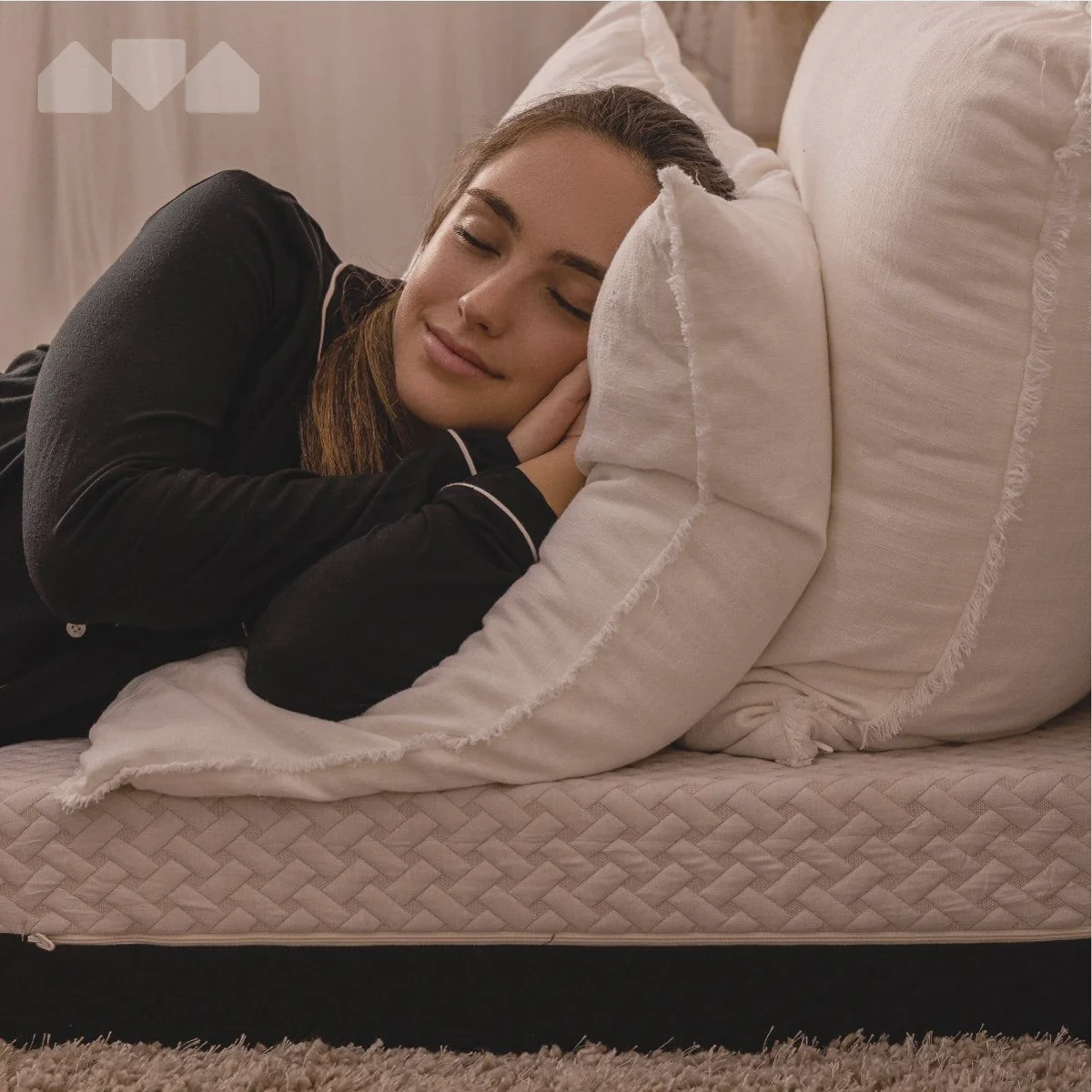
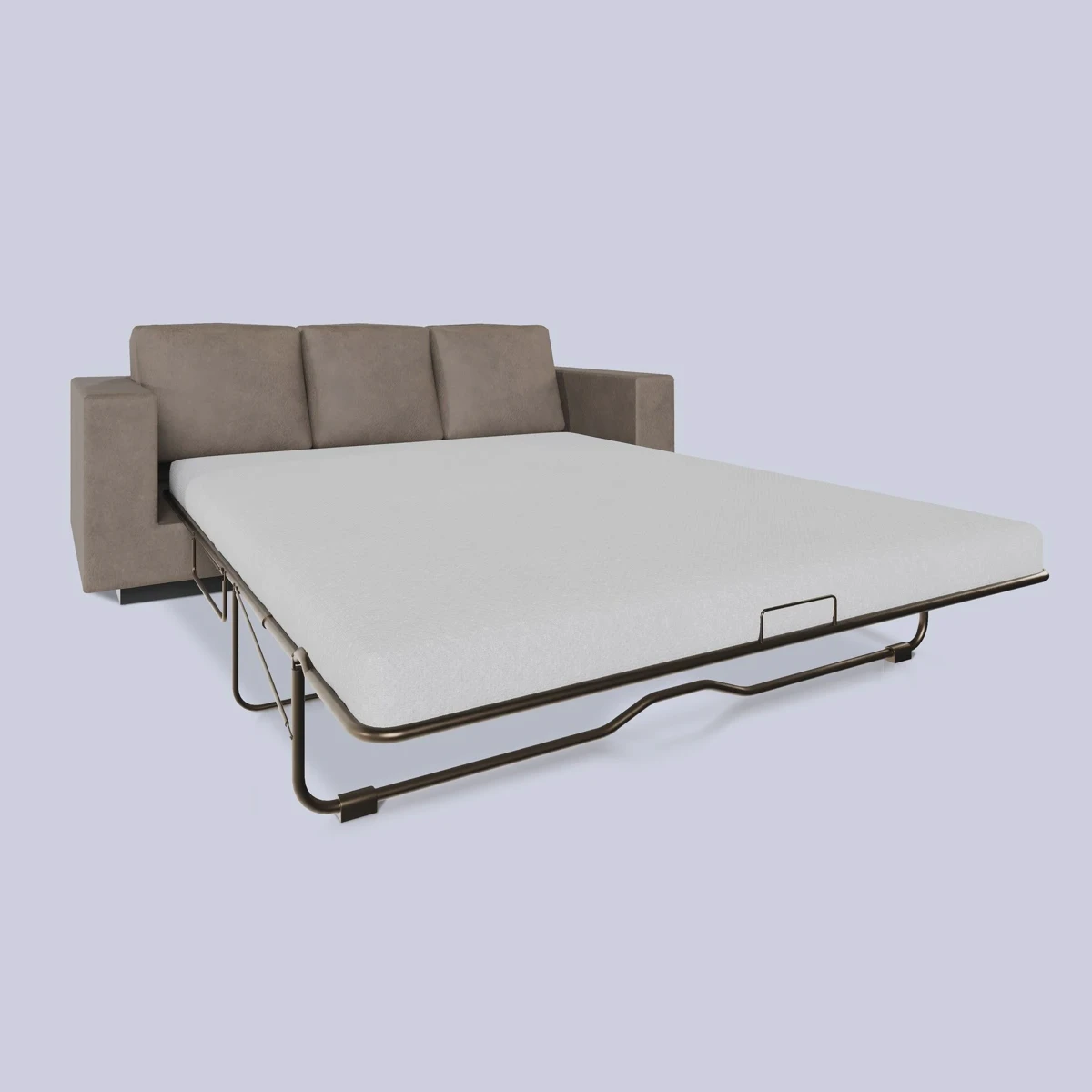
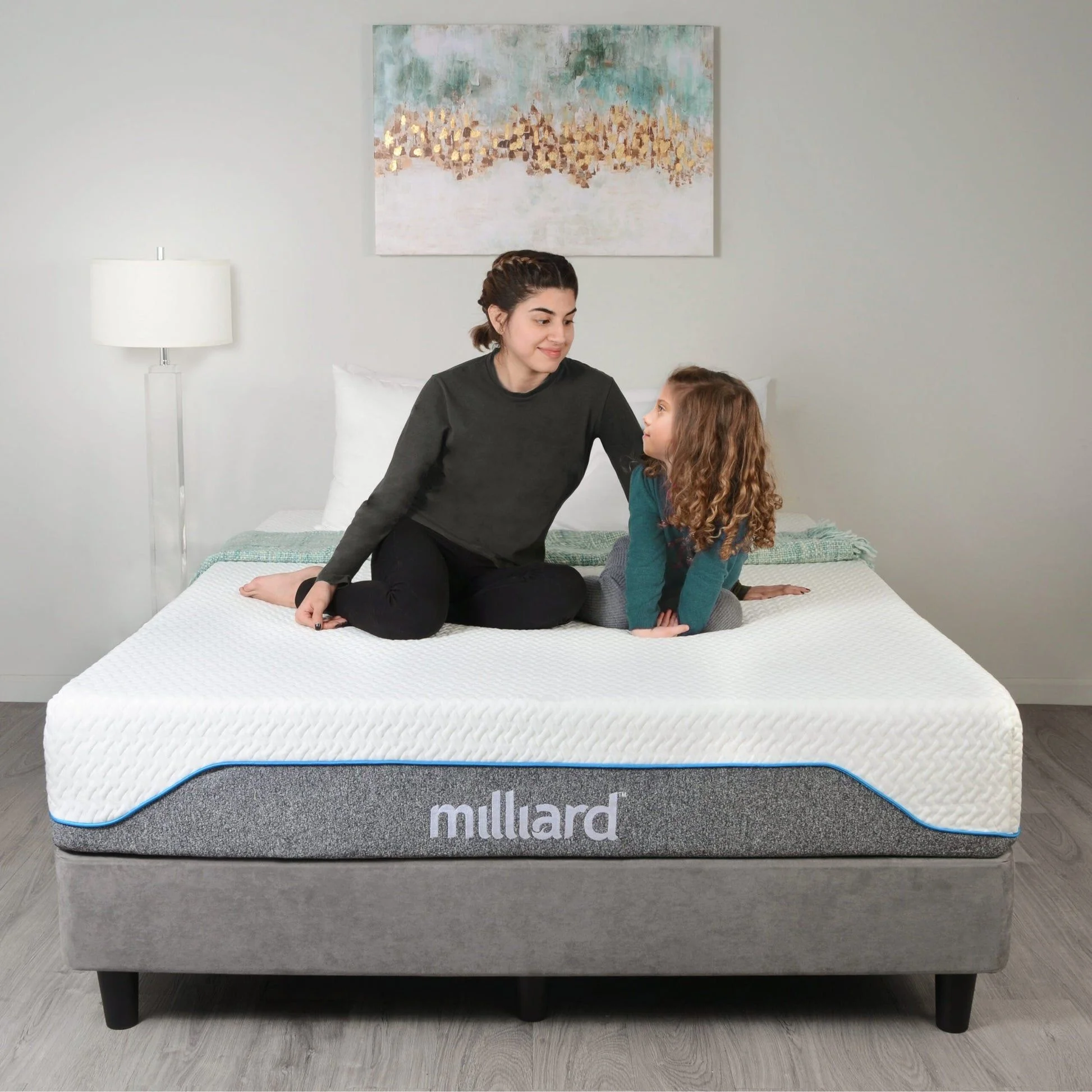
10-Inch Classic Firm Memory Foam: the bedroom mattress
The 10-inch Classic Firm is Milliard's only attempt at a primary-bedroom mattress, and it is a sensible one. The bed pairs a 2-inch comfort layer of high-density memory foam over an 8-inch firm polyurethane support core. The result is a 7 out of 10 firmness - what most reviewers would label "luxury firm" - with motion isolation that is genuinely in the same league as a Nectar or a Tempur-Cloud.
Where the bed earns its price: back sleepers under 230 lb get spinal alignment without a sinkhole at the hips, and couples sleeping in different positions stop waking each other up. Where it falls short: the foam runs hot, edge support is modest (you will feel the edge collapse if you sit on the side to put on shoes), and the cover is a basic polyester knit rather than the cooling fiber blends premium brands now use.
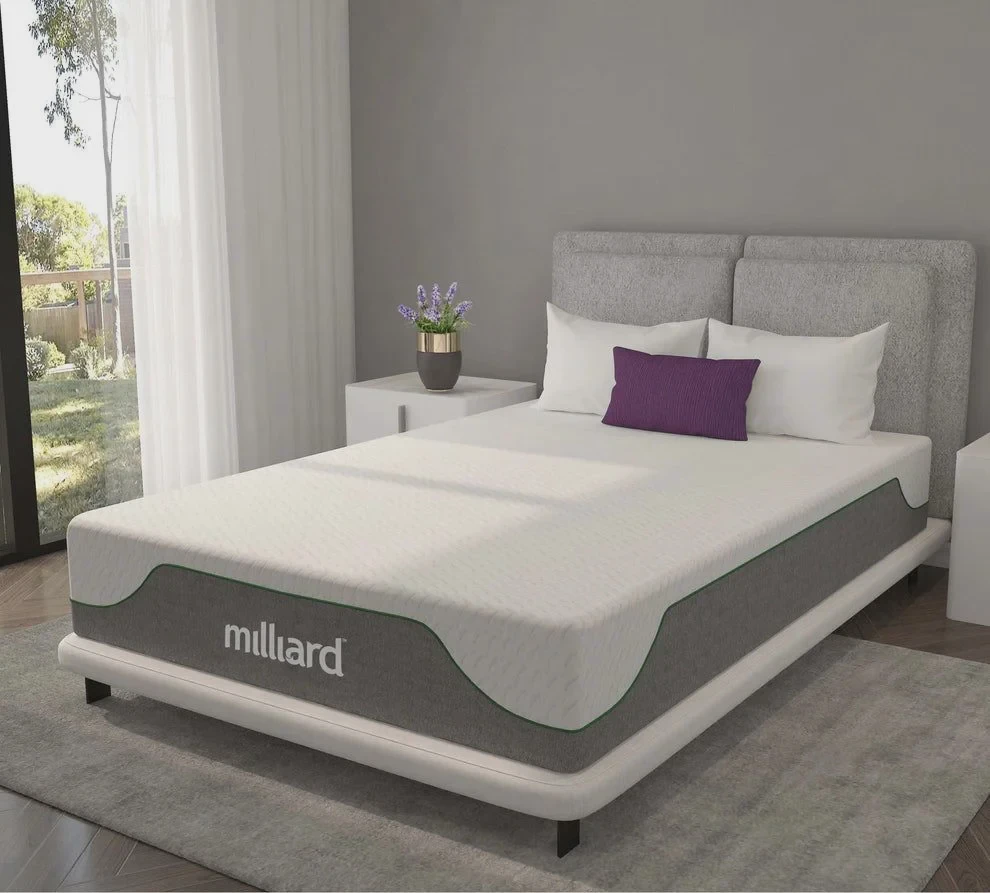
Sizes and current pricing
- Twin (38 × 75 in): around $192
- Full (54 × 75 in): around $260
- Queen (60 × 80 in): around $290
- King (76 × 80 in): around $370
Pricing fluctuates on Amazon and at big-box retailers; treat the figures above as the floor and watch for site-wide sales.
Tri-Fold Memory Foam: the model people actually buy
Most of Milliard's reputation rests on the tri-fold line, and for good reason. A 4-inch or 6-inch foam mattress that folds into thirds, fits in a closet, and ships with a washable cover is genuinely useful - for guest rooms, RVs, college dorms, kids' sleepovers, and the kind of small apartment where a dedicated guest bed is impossible.
The 6-inch tri-fold is the one to buy if you expect anyone over 150 lb to sleep on it for more than a night. It uses a 2-inch memory foam comfort layer over a 4-inch high-density polyurethane base, which is a real mattress stack - not the foam pad you will find at the same price point. The 4-inch version is fine for occasional use, but adults will feel the floor through it on hard surfaces.
Two practical notes the listings undersell: the bamboo or microfiber cover is washable, which matters more than reviewers admit when this becomes a kid's sleepover bed. And the foam genuinely takes 24 to 48 hours to fully decompress out of the box - sleeping on it the first night is fine, but firmness assessments before day three are unreliable.
Tri-Fold Sofa Bed: better than it sounds
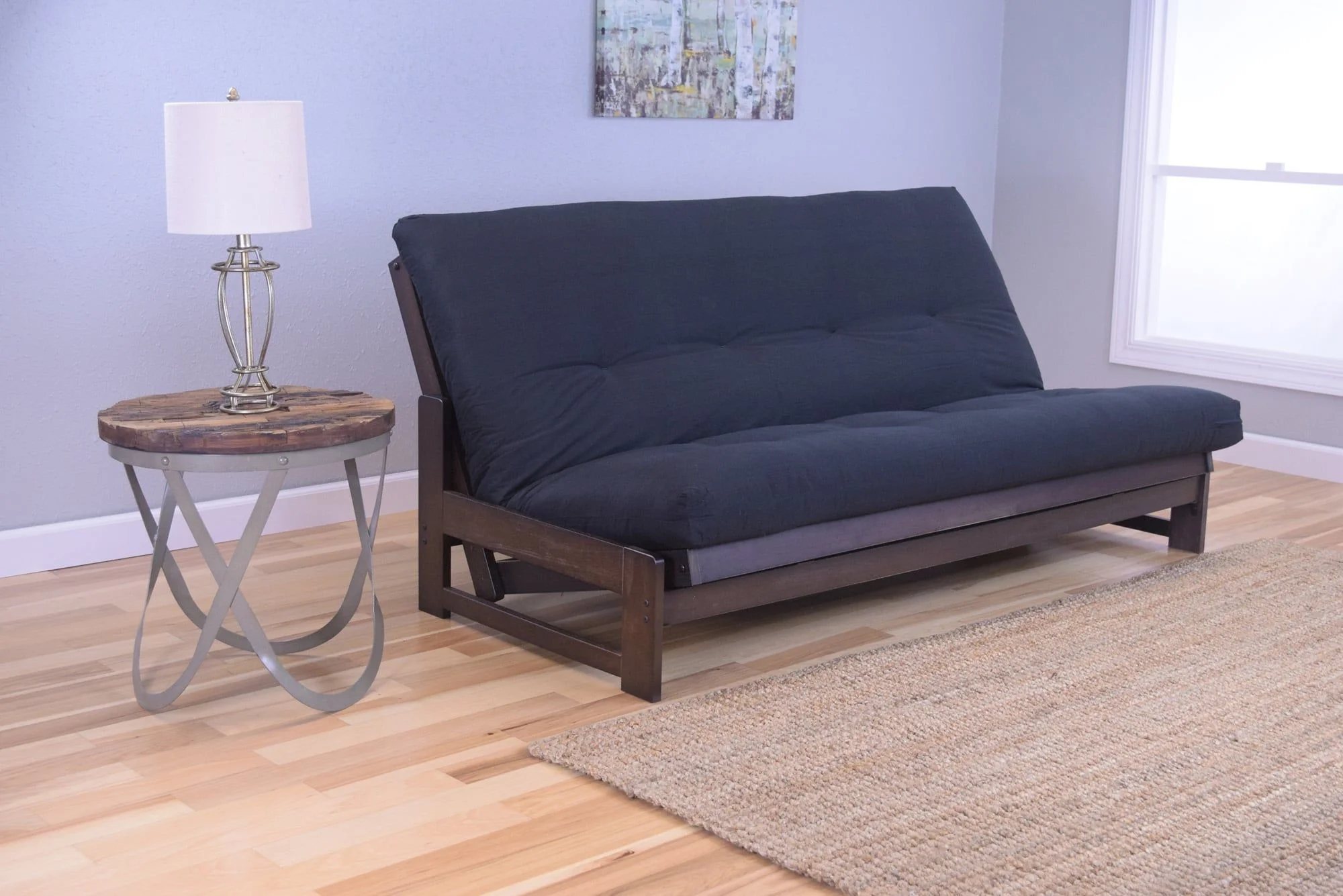
The sofa-bed variant is the same tri-fold construction with a denser cover and shaped sides so the folded form genuinely looks like a piece of furniture rather than a foam slab in your living room. It works as the primary couch in a studio apartment or as a guest setup that you don't have to drag out of a closet.
For overnight guests staying more than a weekend, the 6-inch sofa-bed is the better pick over a pull-out futon - there are no metal bars under the foam, motion transfer is minimal, and a tall guest will not fold over the edge the way they will on a too-short futon.
How Milliard performs on the things that matter
Motion isolation
Excellent on every model. Memory foam absorbs motion at the source, and Milliard's foams are dense enough that a partner getting up at 5 a.m. won't telegraph through the bed. This is the single category where the brand competes head-to-head with much pricier all-foam beds.
Pressure relief
Adequate for back and stomach sleepers, weak for strict side sleepers. The comfort layer is firm by all-foam standards, so hips and shoulders get less give than they would on a Nectar Classic or a Layla. If you wake with shoulder soreness on a hotel bed, you will likely wake with it on a Milliard.
Temperature regulation
This is the lineup's weakest dimension. The foams are not gel-infused, the covers are not phase-change fabrics, and the trade-off for the price is that you sleep warm. Pair with a cooling sheet set or a wool topper if you run hot - or buy from a brand built around heat dissipation (Bear, Brooklyn Bedding Aurora) instead.
Edge support
Modest on the 10-inch and weak on the tri-folds. There is no perimeter foam encasement, so the usable sleep surface is roughly the inner 90 percent of the mattress. For couples sharing a queen this is fine; for a single sleeper who likes the edge of the bed, less so.
Off-gassing
Standard for boxed memory foam: a noticeable chemical smell on day one that fades to nothing over three to seven days. Unbox in a ventilated room and let the bed breathe before putting sheets on it.
Pros
- Genuinely affordable - a queen all-foam mattress under $300 with no membership or trial fee
- Tri-fold designs solve a real problem for guest rooms, RVs, and small apartments
- Excellent motion isolation across the lineup
- CertiPUR-US certified foams and washable covers
- Lifetime warranty on the 10-inch (subject to retailer terms)
Cons
- Sleeps hot - no cooling cover or gel infusion at this price
- Too firm for strict side sleepers, especially under 150 lb
- Modest edge support; tri-folds have visible seams between panels
- No first-party sleep trial - returns and warranty go through the retailer
- Cover textures and longevity vary between SKUs and retailers
Milliard vs. the boxed-bed competition
The honest framing for Milliard isn't "is it a good mattress?" but "what is it competing against at this price and use case?"
- vs. Zinus 10-Inch Green Tea: Similar price, similar feel. Milliard runs slightly firmer; Zinus has a marginally better cover. Either is fine for a guest room.
- vs. Nectar Classic: Nectar costs roughly 2x more, gives a true 365-night trial, and offers a softer feel for side sleepers. If this is your primary bed and you sleep on your side, Nectar wins on every dimension except sticker price.
- vs. a real tri-fold competitor (LUCID, Best Choice Products): Milliard's 6-inch is the most-tested tri-fold in this category and the only one with a consistently positive long-term durability story. For tri-folds specifically, this is the safe pick.
Construction details
Across the lineup, Milliard uses three layer types in different ratios:
- Comfort layer: 1 to 2 inches of CertiPUR-US memory foam, firmer than the all-foam category average.
- Support core: 3 to 8 inches of high-density polyurethane foam.
- Cover: Polyester or bamboo-blend, washable on the tri-folds, fixed on the 10-inch.
There are no coils, no latex, no zoned support, and no proprietary cooling tech anywhere in the lineup. That keeps the price low - and explains every limitation above.
Warranty, trial, and shipping
- Warranty: Lifetime on the 10-inch Classic; one to ten years on the tri-folds depending on SKU. Honored through the retailer.
- Sleep trial: There is no first-party Milliard trial. Amazon and Walmart return windows (typically 30 days) effectively serve as the trial period.
- Shipping: Free to the contiguous US through most retailers. Compressed in a roll-pack box; a queen ships at roughly 70 lb.
Final verdict
Milliard is the right answer when you need a competent, affordable foam mattress for a use case other than your primary bed: guest room, RV, small living room, college dorm, sofa bed. The tri-fold line is genuinely best-in-category and the 10-inch Classic is a fine guest-room slab. It is the wrong answer when you sleep on your side as your primary position, when you sleep hot, or when you want a real at-home sleep trial. Buy it for what it is - practical foam at a practical price - and it will outperform the price tag.
Milliard mattress FAQ
Is Milliard a good mattress brand?
For its price band ($95 to $370 across the lineup) and its target use cases - guest beds, sofa beds, tri-fold portables, RVs - Milliard is one of the better-built memory foam options. It is not a primary-bedroom contender against the major boxed-bed brands, and it does not pretend to be.
How firm is the Milliard 10-Inch Classic mattress?
Around 7 out of 10 on the standard mattress firmness scale - what the industry calls "luxury firm." It works well for back and stomach sleepers under 230 lb. Strict side sleepers will find it too firm at the hips and shoulders.
Does the Milliard tri-fold mattress sleep hot?
Like most budget memory foam, yes. There is no gel infusion, no perforated foam, and no phase-change cover fabric. Pair it with a cooling sheet set or a wool topper if you run hot, or skip the brand entirely if heat is your primary issue.
Can you sleep on a Milliard tri-fold every night?
The 6-inch tri-fold can handle nightly use for adults under about 200 lb, especially in a guest-room or studio-apartment context. The 4-inch model is built for occasional use; nightly sleep on a hard floor will compress the foam faster than the warranty assumes.
What is Milliard's warranty and trial?
The 10-inch Classic carries a lifetime warranty; tri-fold models carry one to ten years depending on SKU. There is no first-party sleep trial - returns are governed by the retailer (Amazon, Walmart) where you bought the mattress, typically a 30-day window.
How long does Milliard take to fully expand?
Expect 24 to 48 hours from unboxing for the foam to fully decompress to its rated thickness. You can sleep on it the first night, but firmness assessments before day three are unreliable. Off-gassing odor fades within three to seven days in a ventilated room.