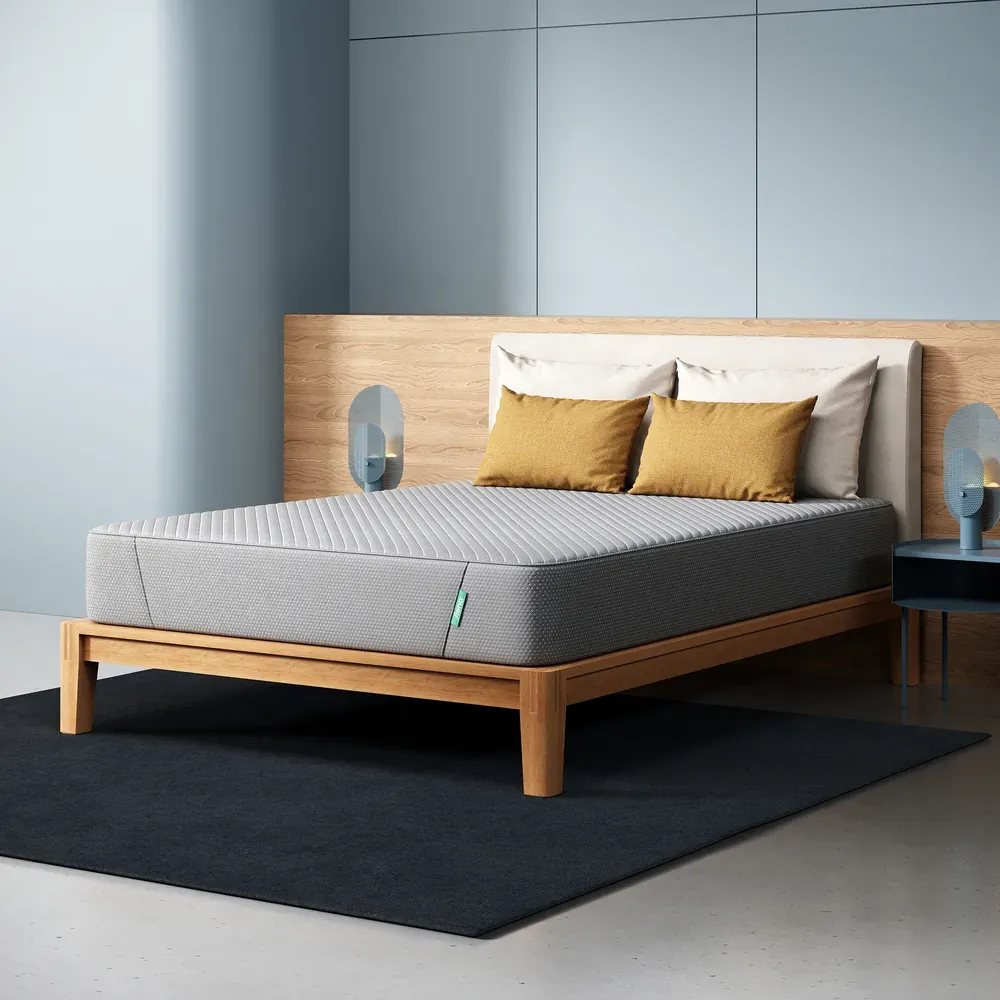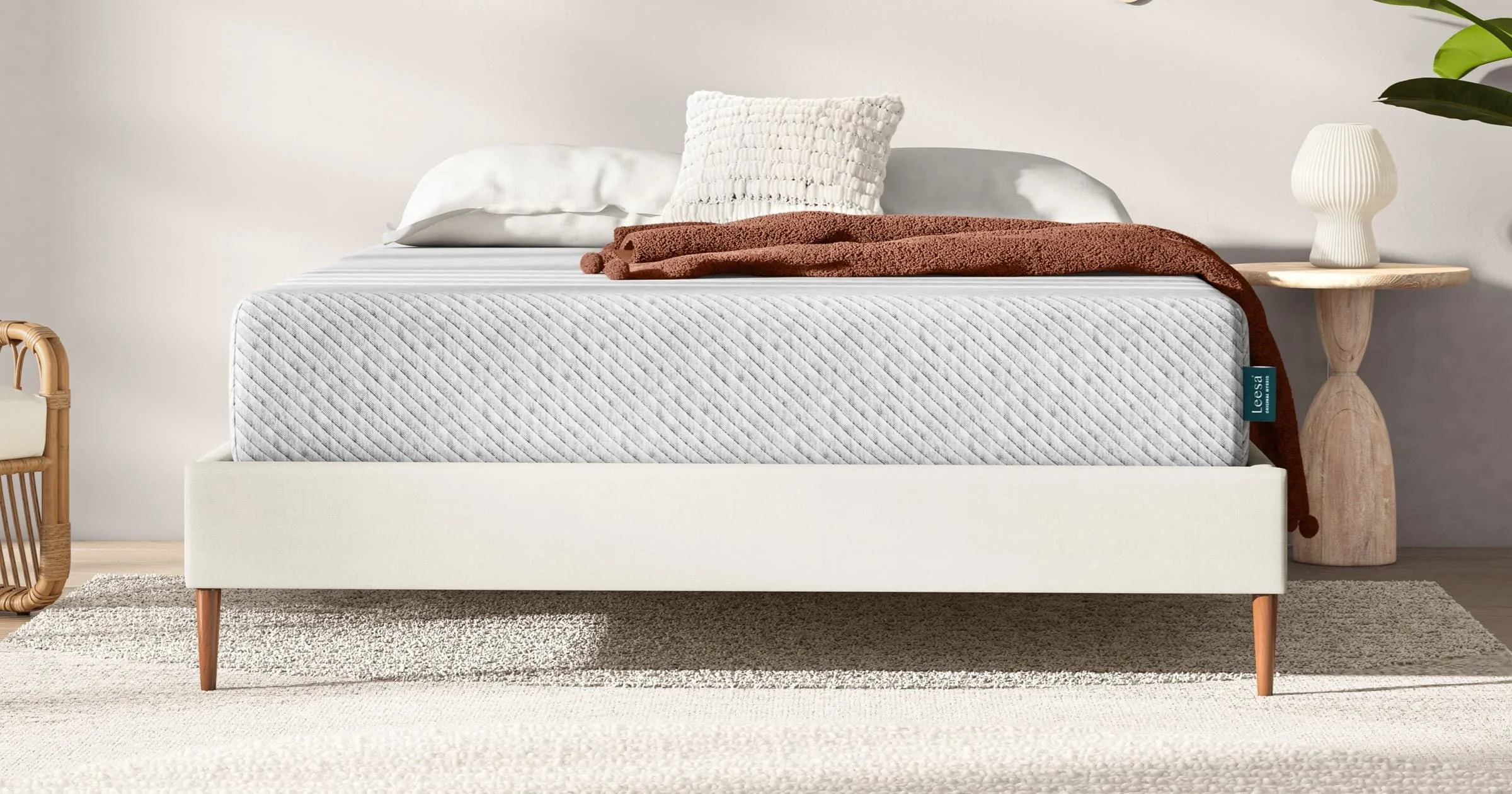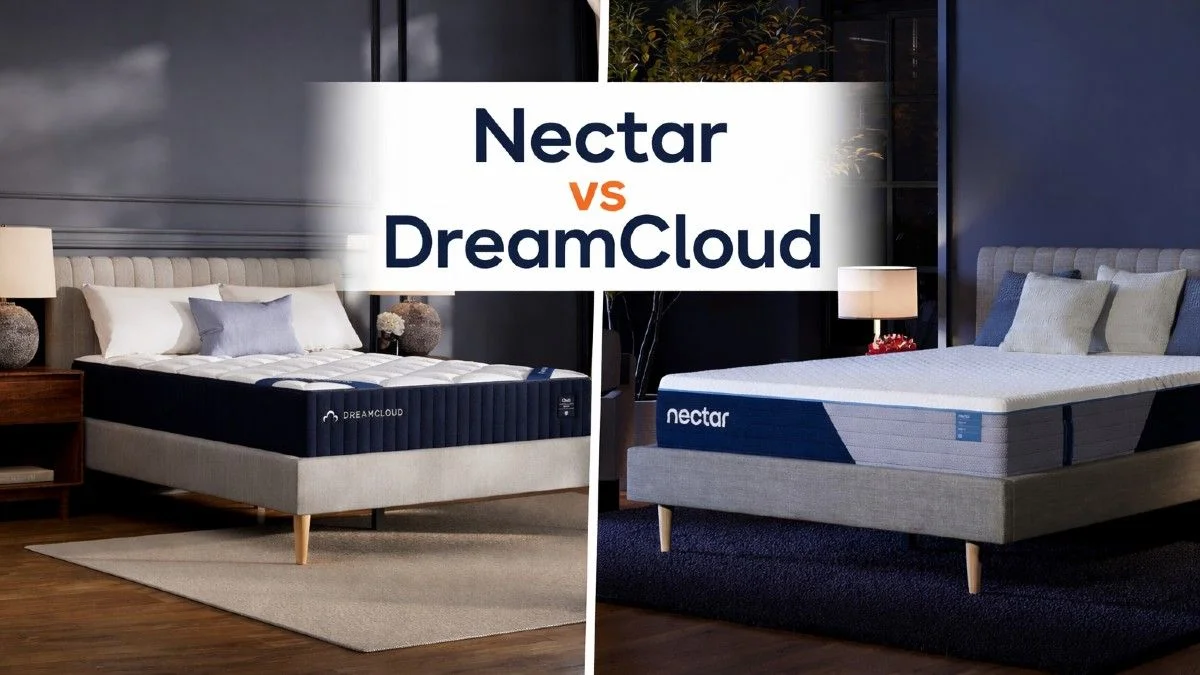
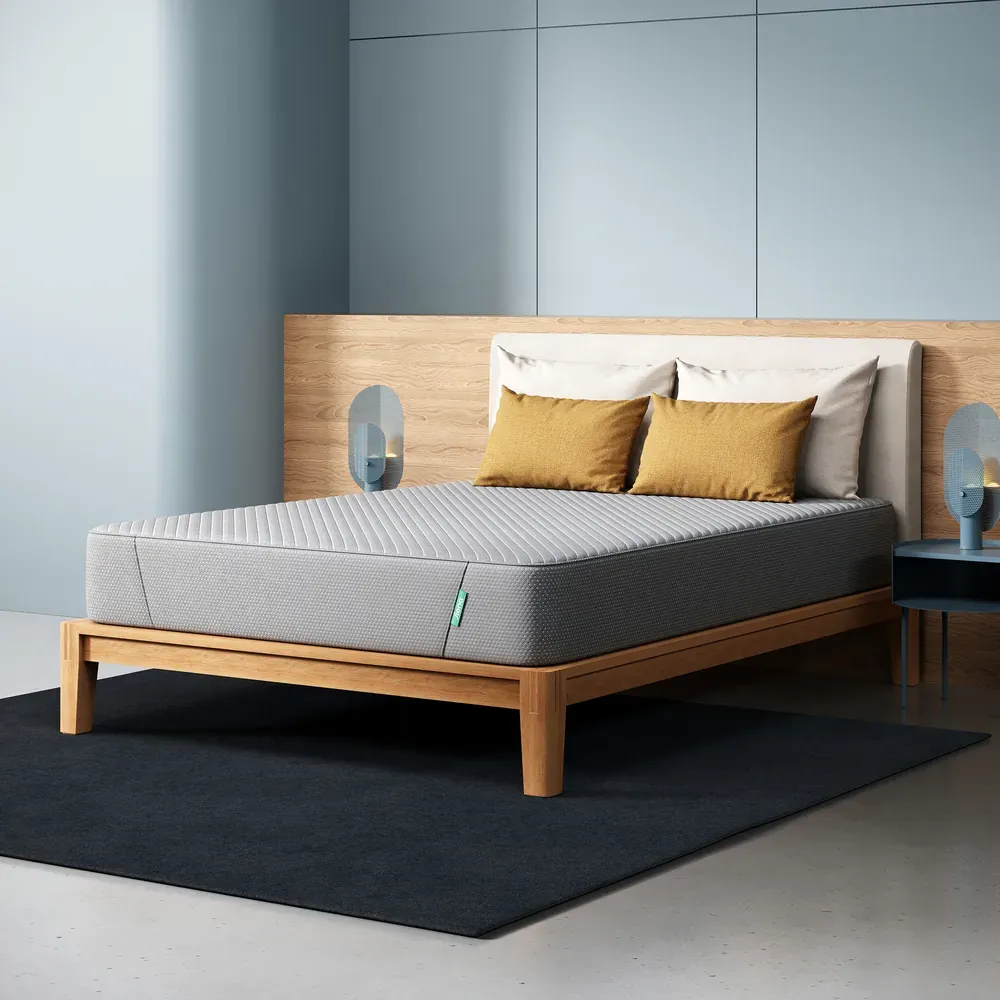
The Siena Signature Memory Foam Mattress is a sister brand to Nectar and DreamCloud - three mattress labels owned by Resident Home - and it lives at the bottom of that lineup on price. A queen currently lists around $359 direct from Siena, often less during sales, which puts it in striking distance of basic Amazon foam beds while still carrying a 180-night trial and a 10-year warranty.
After unboxing two Sienas in our review lab and rotating testers across body types and sleeping positions, our short answer: the Siena is a genuinely good budget mattress for back and side sleepers under about 230 pounds. It's not the right pick for hot sleepers, heavier sleepers, or anyone who needs strong edge support - and you don't need to pretend otherwise to recommend it. Below is what we measured, what surprised us, and how it stacks up against the most common alternatives.
Who the Siena Mattress is best for
- Budget shoppers - under $400 for a queen on most days, with a real sleep trial and warranty behind it.
- Back and side sleepers between roughly 130 and 230 pounds. The medium-firm feel keeps the spine neutral and contours the shoulder/hip without bottoming out.
- Couples who get woken up by a partner moving - the all-foam stack absorbs motion better than most innersprings or thin foam beds in the same price range.
- Guest rooms and kids' rooms, where a $359 mattress that holds up for several years is the practical pick over a luxury bed.
Who should skip it
- Hot sleepers. The cover has cooling fibers and the foam is gel-infused, but it still sleeps warmer than a hybrid with coils. If you wake up sweaty on memory foam in general, Siena will not change that.
- Sleepers over ~230 pounds. The 10-inch foam build doesn't have the support core a heavier body needs, and accelerated sagging is the most common complaint we see in long-term feedback.
- Edge sleepers or anyone who sits on the side of the bed a lot. Edge support is the Siena's weakest test result - the perimeter compresses noticeably.
- Strict stomach sleepers over 200 lb. Hips can sink past neutral. A firmer mattress (7+/10) is a better fit.
Where the Siena wins
- Excellent value - sub-$400 queen with a 180-night trial and 10-year warranty.
- Strong motion isolation, which makes it a practical pick for couples.
- Balanced medium-firm (~6.5/10) feel that suits average-weight back and side sleepers.
- Backed by Resident Home (Nectar, DreamCloud) - established CS and shipping infrastructure.
- Free shipping in the continental US and a real returns process.
Where it falls short
- Sleeps warmer than hybrid mattresses; not ideal for hot sleepers.
- Edge support is below average - the perimeter compresses on sit-down.
- Not durable enough for sleepers consistently over 230 pounds.
- Bouncier or more responsive feel? Look elsewhere - this is a classic memory foam hug.
Siena mattress sizes and current pricing
Pricing below reflects standard MSRP from siennasleep.com. Siena runs near-constant promotions - the queen has spent most of 2026 around $359, well under the $699 list. Always check the current sale price before buying.
Twin - 38" × 75" - list $499 (queen-equivalent kid/guest pick).
Twin XL - 38" × 80" - list $599.
Full - 54" × 75" - list $649.
Queen - 60" × 80" - list $699 (street price typically ~$359).
King - 76" × 80" - list $799.
California King - 72" × 84" - list $799.
Construction: what's actually inside
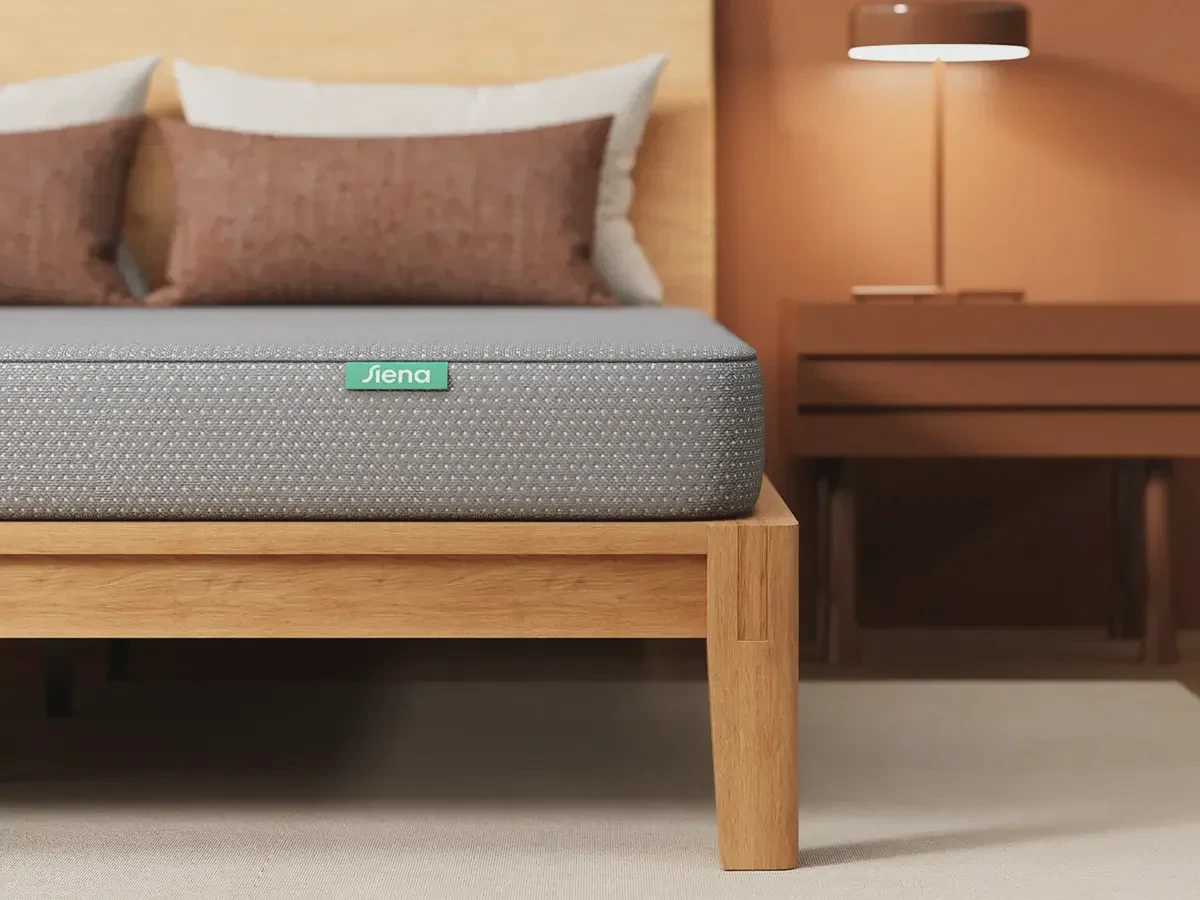
The Siena is a 10-inch all-foam mattress with three functional layers under a knit cover:
- Cover - a soft, breathable knit blended with cooling fibers. It's removable for spot cleaning but not designed to be machine-washed.
- Comfort layer - gel-infused memory foam that does the contouring work. This is what gives the Siena its classic memory foam hug at the shoulder and hip.
- Transition foam - a denser polyfoam layer that prevents sleepers from bottoming out into the support core.
- Support core - high-density polyfoam with a wave-cut bottom that improves airflow and adds a touch of structural give.
All foams are CertiPUR-US certified, which means they're independently tested for VOC emissions, formaldehyde, and heavy metals - a meaningful baseline at this price.
Performance: what we measured
Firmness
Our testers landed at roughly 6.5/10 - a true medium-firm. It's not the soft, sink-in feel some people associate with memory foam; you get the contour without the quicksand. Lighter sleepers under ~130 lb may find it on the firm side.
Pressure relief
Strong for the price, especially for side sleepers in the 130-200 lb range. The gel memory foam contours around the shoulder and hip without forcing the spine out of alignment. Above 230 lb, side sleepers may want a thicker hybrid.
Motion isolation
One of the Siena's standout traits. Movement on one side of the bed dies before it crosses the midline - there are no springs to transfer energy, and the dense foam absorbs everything else. Couples sensitive to a partner getting up should put this near the top of the budget shortlist.
Temperature regulation
Average. The cooling cover and gel infusion keep it from running outright hot, but you're still sleeping on dense foam without airflow channels. If you currently overheat on memory foam, a hybrid bed (Helix Midnight, Nectar Premier Hybrid) is worth the upgrade.
Edge support
Below average. The perimeter is the same all-foam build, with no reinforced rails. Sitting on the edge to put on shoes you'll feel the mattress compress noticeably; it doesn't materially shrink the usable surface for sleeping, but it's the Siena's weakest result.
Off-gassing
Mild - present on day one, gone by day three with a window cracked. Below the level of an average bed-in-a-box; CertiPUR certification is doing visible work here.
Durability
Reasonable for the price tier - expect 6 to 8 years of useful life under average-weight sleepers, less for heavier use. The 10-year warranty covers manufacturing defects but not normal body impressions under 1.5 inches.
Siena vs. Nectar: same family, different beds
Because Siena and Nectar share a parent company, this is the comparison shoppers ask about most often.
Pick Siena if: You want the lowest price, your weight is roughly average, and you sleep on your back or side. The Siena's medium-firm feel suits back sleepers slightly better than the Nectar.
Pick Nectar if: You're a dedicated side sleeper, you weigh under 130 lb, or you want the longer 365-night trial and Forever Warranty. The Nectar Classic runs slightly softer (~6/10) and has a thicker comfort layer. Expect to pay $200-$400 more for the queen at sale price.
Trial, warranty, shipping
- 180-night sleep trial - full refund after a required 30-night break-in window.
- 10-year warranty - covers manufacturing defects and body impressions deeper than 1.5". Shorter than Nectar's lifetime warranty but standard for this price tier.
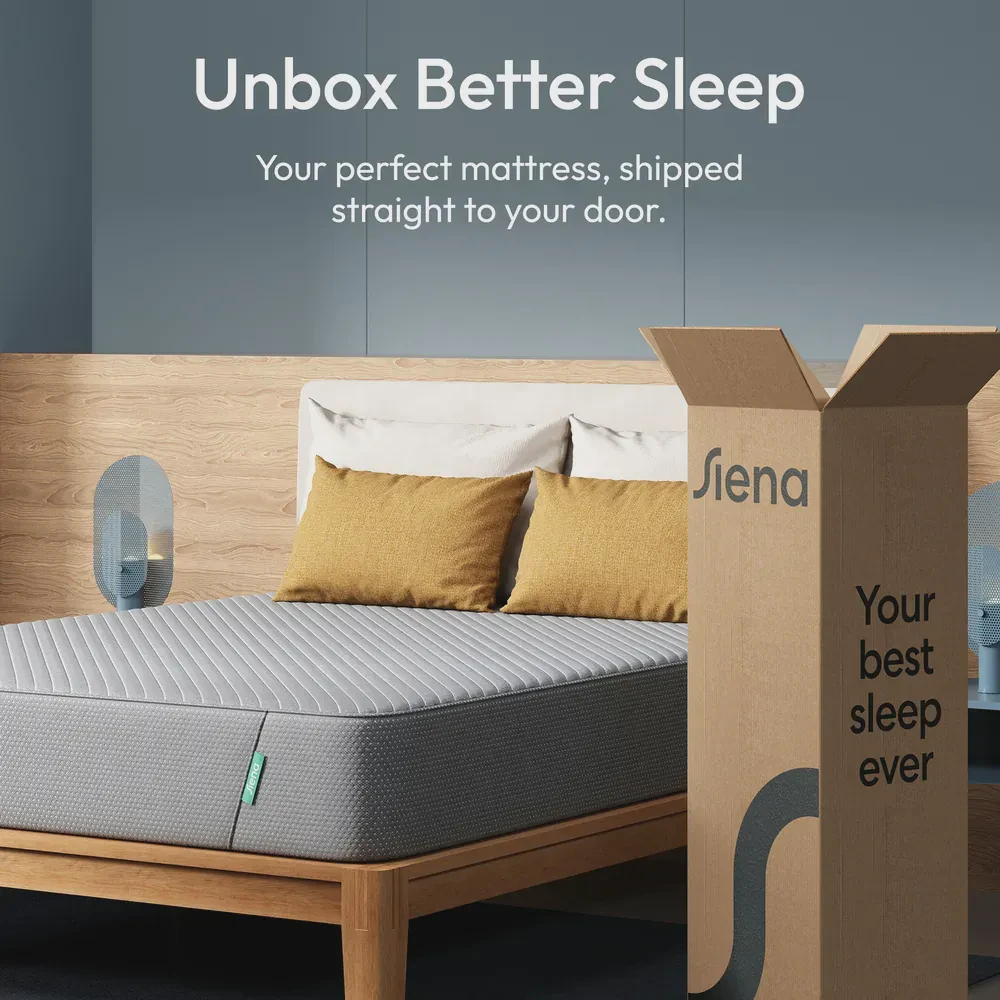
- Free shipping in the continental US (FedEx or UPS Ground); arrives compressed in a box.
- No old-mattress removal or White Glove setup at this price tier - you'll be unboxing it yourself.
The bottom line
If you need a real mattress, not a Walmart roll-out, and you cannot or do not want to spend over $500 - the Siena is one of the few beds we'd actually point to. It punches above its price for back and side sleepers in the 130-230 lb range, isolates motion well, and ships with a returns and warranty story you can rely on. The compromises (heat, edge support, heavier-sleeper durability) are real but predictable, and they're the right compromises to make at this price.
For dedicated hot sleepers, heavier bodies, or anyone who wants premium-feel cooling and edge support, step up to a hybrid like the Helix Midnight or Nectar Premier Hybrid.
Siena Mattress FAQ
Is the Siena mattress good for back pain?
For most average-weight back sleepers, yes - the 6.5/10 firmness keeps the spine in neutral alignment and the memory foam contour relieves pressure at the lower back. Sleepers with chronic low-back pain who weigh over 230 lb will likely do better on a firmer hybrid; the Siena's foam-only build doesn't push back hard enough at higher weights.
Is Siena better than Nectar?
Different bed for a different sleeper. The Siena is firmer and substantially cheaper; the Nectar is softer with a longer trial and lifetime warranty. Pick Siena if you sleep on your back or you want the lowest price; pick Nectar if you're a dedicated side sleeper or under 130 lb and want the cushier feel.
How long does the Siena mattress last?
Plan on 6 to 8 years under average-weight sleepers. The 10-year warranty covers manufacturing defects and body impressions over 1.5 inches deep, but normal foam softening is excluded. Heavier sleepers (230+ lb) should expect closer to 5 years.
Do I need a box spring with a Siena mattress?
No. The Siena is designed for any solid or slatted platform with slats spaced no more than 3 inches apart. A box spring is not required and won't add support; a sturdy platform bed or bunkie board is fine.
Does the Siena sleep hot?
It's average for memory foam - the gel infusion and cooling cover help, but it does not sleep as cool as a hybrid with coils. If you regularly overheat at night, look at a Nectar Premier Hybrid or Helix Midnight instead.
Where is the Siena mattress made?
Siena mattresses are designed and assembled in the United States by Resident Home, the same parent company behind Nectar and DreamCloud. All foams are CertiPUR-US certified for low VOC emissions.
How long does the Siena take to expand?
Most testers reach 90% of full height within 4 to 6 hours and full 10-inch height within 24 to 48 hours. Off-gassing odor is mild and dissipates within 2-3 days in a ventilated room.
Browse more mattress reviews
Compare the Siena against other budget and premium memory foam mattresses we've tested.