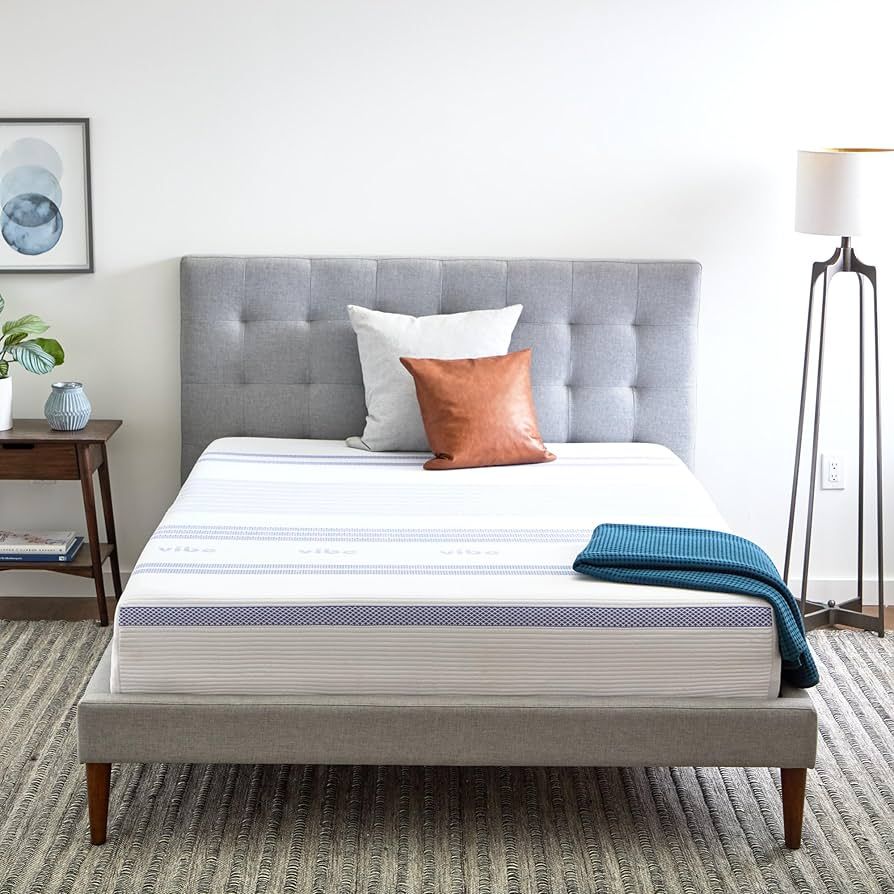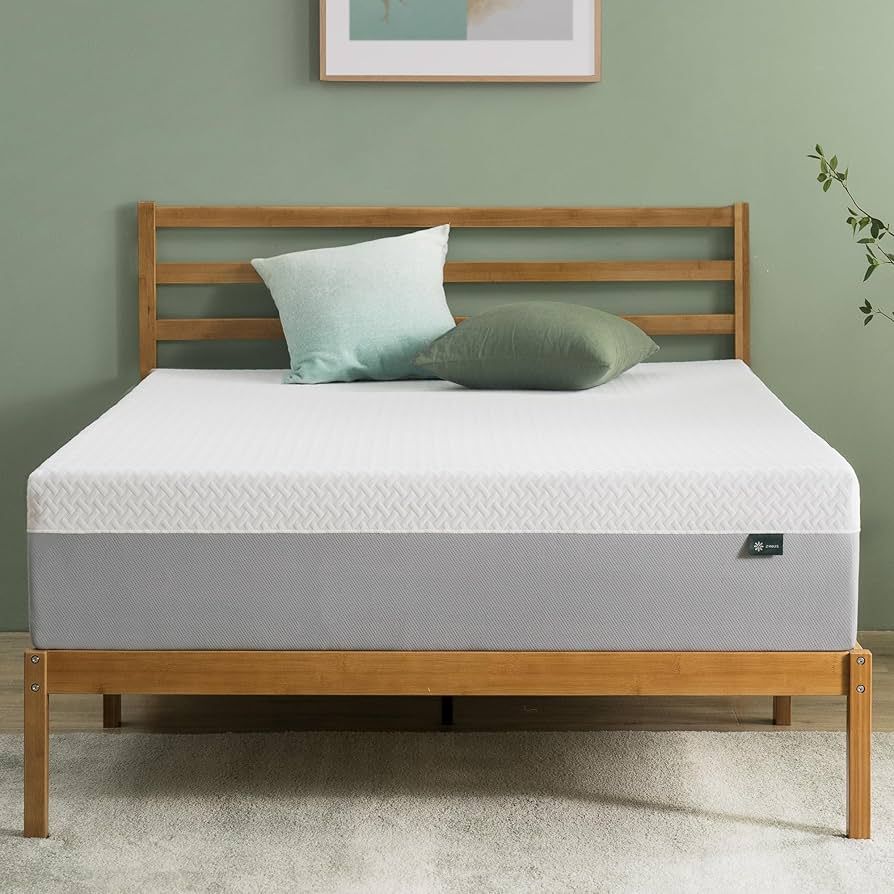
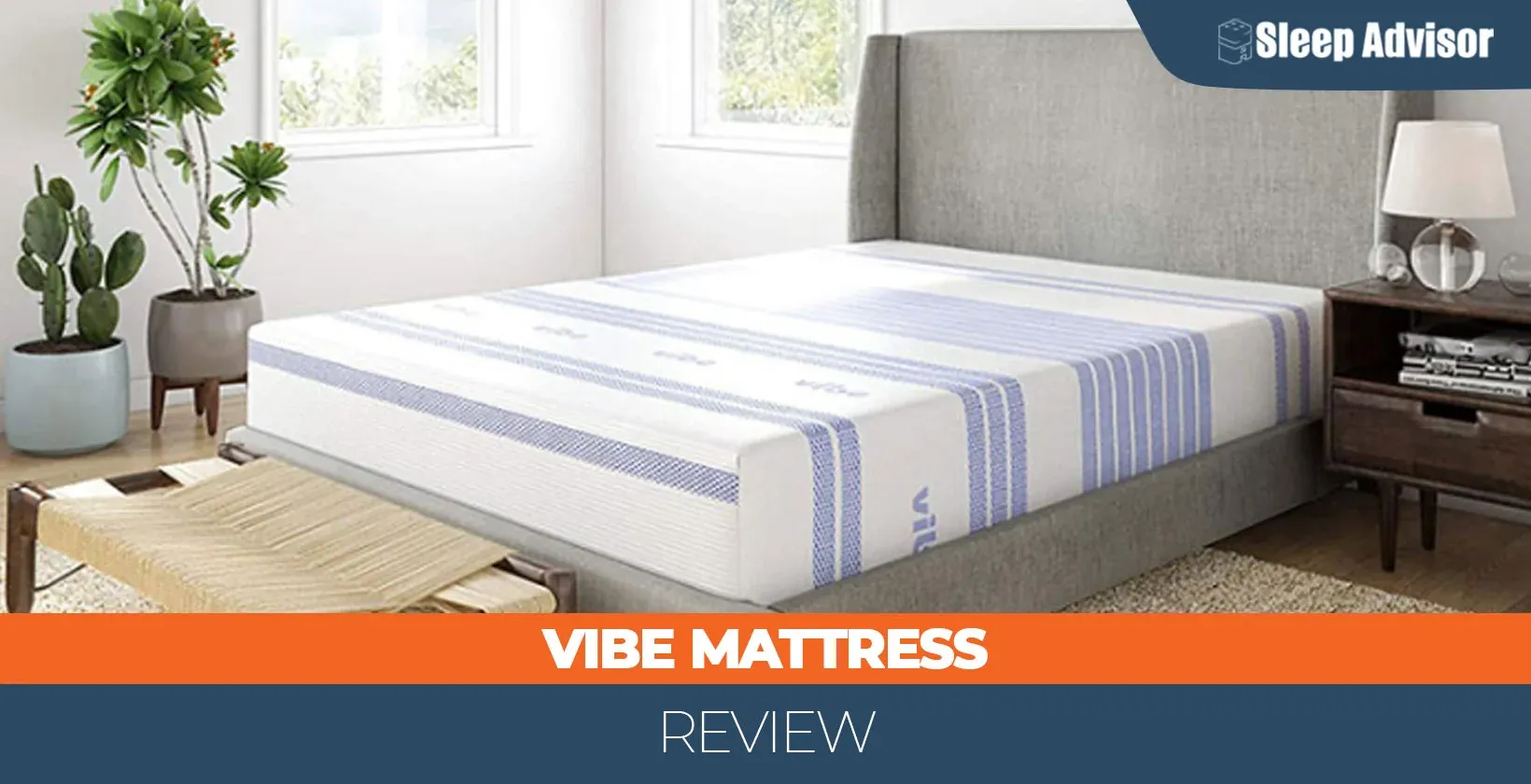
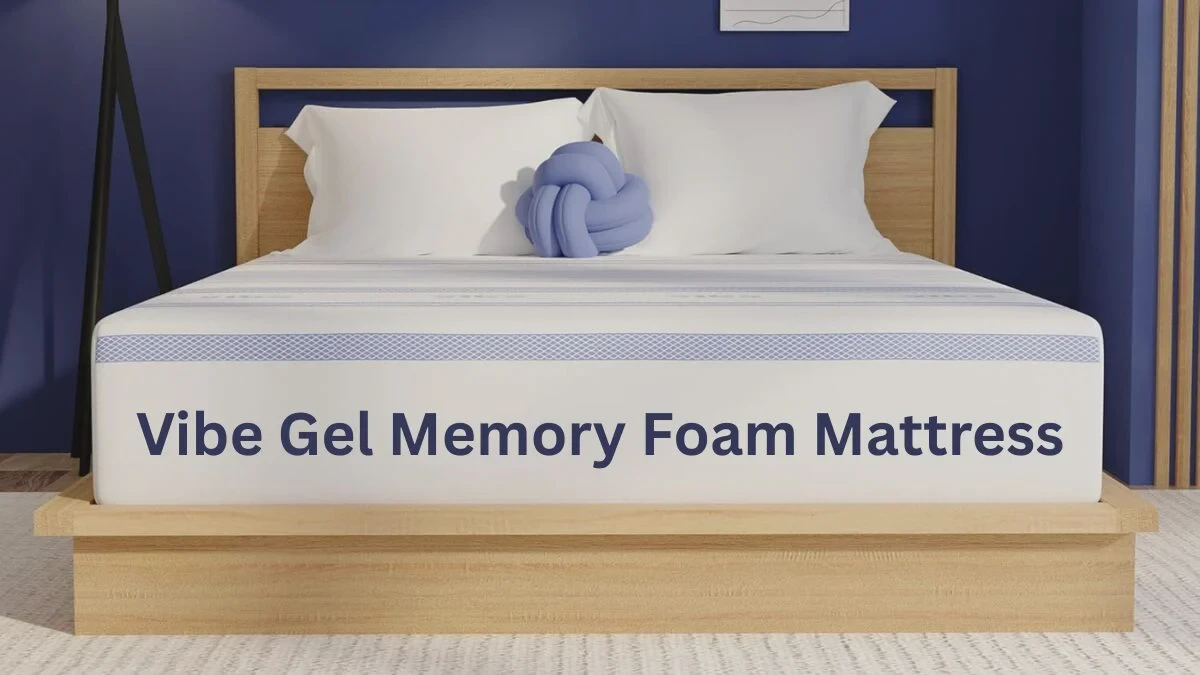
The Vibe Gel Memory Foam Mattress is one of the cheapest bed-in-a-box options on Amazon and Walmart, with a queen frequently selling under $400. That price tag is the headline - but it also defines the trade-offs. We pulled together independent lab testing, owner reports, and the brand's own materials disclosures to give a current, honest read on whether the Vibe is worth buying in 2026, who it actually fits, and what the fiberglass conversation really means.
Affiliate disclosure: Banner Mattress may earn a commission on purchases made through retailer links in this post. Our recommendations are based on independent reviewer testing and verified owner feedback, not on commission rates.
Quick verdict
The Vibe is a serviceable, ultra-budget memory foam mattress for a guest room, kid's room, or short-term setup - not a long-term primary bed. It nails motion isolation and pressure relief for petite side sleepers, but earns below-average marks for edge support, cooling, and durability. The fiberglass fire barrier is real and is the same construction used by most low-cost foam mattresses; it is safe inside an intact cover and a problem only if the cover is removed. If you weigh more than 230 lb, run hot, or expect 7+ years of service, spend more.
What is the Vibe mattress?
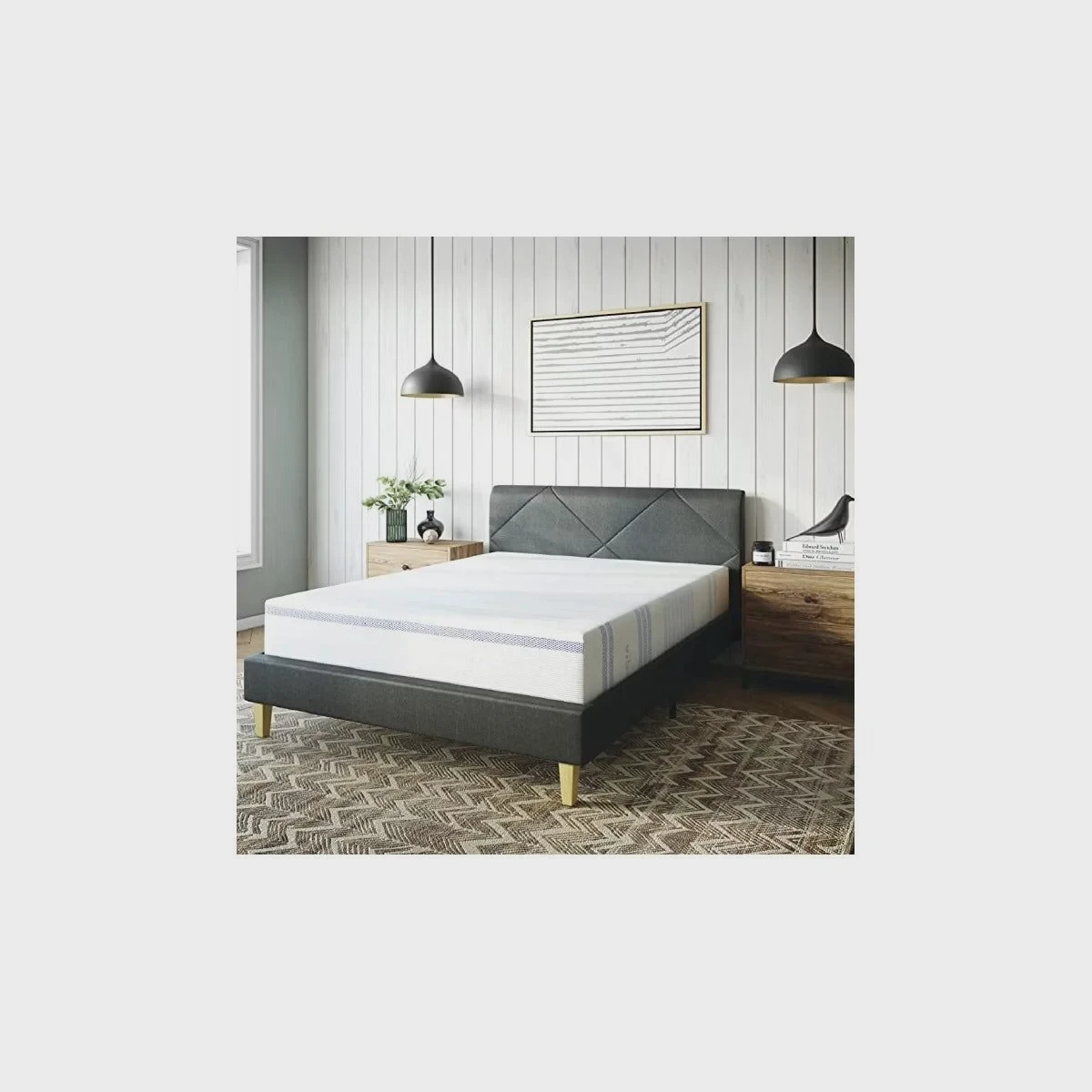
The Vibe is made by Classic Brands and sold primarily through Amazon, Walmart, and Home Depot rather than a direct-to-consumer site. The flagship model is the Vibe 12-Inch Gel Memory Foam Mattress, an all-foam build with a quilted fiber cover. A separate 11-inch cooling model and a hybrid version with a thin innerspring layer also exist, but the 12-inch foam bed is the SKU most reviews refer to.
Construction at a glance
- 2 inches of gel-infused memory foam (comfort)
- 3 inches of gel-infused polyfoam (transition)
- 7 inches of high-density polyfoam (support core)
- Quilted fiber cover with fiberglass-blend fire barrier sock underneath
- CertiPUR-US certified foams
Pricing snapshot (2026)
- Twin: ~$200-$240
- Queen: ~$280-$380
- King: ~$380-$480
- Trial: 100 nights via Amazon's standard return window
- Warranty: 10 years limited (manufacturer)
How it feels: firmness and support
Independent reviewers land in a fairly tight band on firmness. Sleep Foundation's lab pegs the 12-inch model at medium soft (about 4 of 10), Sleep Advisor calls it 5.5/10, and NapLab's hands-on rating is 7/10 (slightly firm). The spread is normal - body weight, sleep position, and break-in time all change the perceived feel - but it tells you the Vibe is not a true plush bed and not a true firm one. Expect a contouring, hugging memory-foam feel rather than a buoyant or pushed-back-up sensation.
By sleep position
- Side sleepers under 230 lb: best fit. Pressure relief at hips and shoulders is the Vibe's strongest test result.
- Back sleepers under 230 lb: workable. Spinal alignment is acceptable but not exceptional; heavier back sleepers will sink at the hips.
- Stomach sleepers: not recommended. The comfort layer lets the midsection drop, which arches the lower back.
- Sleepers over 230 lb: not recommended. Too much sink and faster-than-average impressions are the most common complaint in long-term owner reviews.
Performance: where it wins and where it loses
Strengths
- Motion isolation: very good. The dense poly base and slow-response memory foam absorb partner movement well, which makes the Vibe a credible couples pick if neither person is heavy.
- Pressure relief: above average for the price tier, especially for side sleepers under 150 lb.
- Setup: easy. Most owners report full expansion within 24-48 hours; a small minority of long-stored units take up to 72.
- Price: the headline. Few full-foam queen mattresses ship for under $400.
Weaknesses
- Edge support: weak. Sitting on the perimeter compresses noticeably - a real issue if you use the bed's edge to dress.
- Cooling: gel infusion helps but does not solve hot-sleeper complaints. NapLab and owner reviews both flag heat retention.
- Durability: thinner premium-foam layers and a polyfoam-heavy core mean the Vibe is most likely to develop body impressions in years 3-5, sooner with heavier sleepers.
- Off-gassing: a temporary chemical smell on unboxing is normal for the category and typically clears in 24-72 hours.
Pros
- Excellent value - queen typically under $400
- Strong motion isolation for couples
- Pressure relief well-suited to lighter side sleepers
- CertiPUR-US certified foams
- 100-night Amazon return window
- Quick setup; ships compressed in a box
Cons
- Weak edge support
- Sleeps warmer than dedicated cooling beds
- Limited durability for sleepers over 230 lb
- Fiberglass fire barrier requires keeping the cover on
- No DTC site, no white-glove delivery, limited customer service
- Below-average performance vs. premium foam beds in lab testing
The fiberglass question
Search 'Vibe mattress' on Reddit and the first thread you'll see is about fiberglass. Here's the straight read: the Vibe - like most foam mattresses priced under roughly $700 - uses a fiberglass-blend inner sock to meet U.S. federal flammability standards (16 CFR 1633). That sock sits beneath the outer quilted cover. Inside an intact, zipper-closed cover, it is inert and safe.
Where it becomes a problem is when owners unzip and remove the outer cover to wash it. Once the inner fiberglass layer is exposed, microscopic fibers can shed through the home, embed in clothing and HVAC filters, and cause skin and respiratory irritation. The fix is simple: leave the outer cover on. Use a removable mattress protector instead, and clean the protector - not the mattress cover. If your priority is a fiberglass-free build, you'll need to step up to brands that explicitly market a fiberglass-free fire barrier (most premium DTC brands now do).
Vibe vs. better alternatives
If your budget can flex by $200-$300, you can step into a noticeably better-built mattress. Two common upgrades:
- Nectar Classic (memory foam): more substantial comfort layers, fiberglass-free cover (current production), 365-night trial, queen typically $700-$900 on sale. Better long-term durability and a real customer service line.
- Zinus Green Tea Cooling Memory Foam: similarly priced to the Vibe and a closer apples-to-apples comparison. Sleeps slightly cooler and has a stronger durability track record at the same price tier.
For sleepers over 230 lb, neither the Vibe nor a similar ultra-budget all-foam will hold up - a hybrid with pocketed coils is the right category instead.
How to make a Vibe last longer
The Vibe's lifespan depends heavily on use. With these habits, it'll go the distance for a guest room or lighter primary bed:
- Use a slatted or solid platform with slat gaps no wider than 3 inches. A box spring is unnecessary and reduces support.
- Rotate head-to-foot every 3 months. Don't flip - the Vibe is one-sided.
- Use a waterproof, breathable mattress protector from day one. Spills void the warranty.
- Vacuum the mattress lightly every 2-3 months and air it for an hour when you change sheets.
- Don't sit consistently on the edge - that's where the weakest construction will fail first.
Who should buy the Vibe - and who should skip it
Buy the Vibe if you need a guest-room or kid's-room mattress, want a short-term setup for a rental or college, or you're a petite side sleeper who genuinely cannot stretch the budget. Skip it if you weigh over 230 lb, sleep hot, expect a primary bed to last 8+ years, or sit on the edge of the bed often.
Frequently asked questions
Is the Vibe mattress made with fiberglass?
Yes - like most foam mattresses under about $700, the Vibe uses a fiberglass-blend inner sock as a fire barrier. It's inert inside the closed cover. To stay safe, never unzip or remove the outer cover; use a removable mattress protector instead.
How long does a Vibe mattress last?
Independent reviewers and owner reports suggest a realistic lifespan of 5-7 years for average-weight sleepers, shorter for sleepers over 230 lb. Premium foam and hybrid mattresses typically last 8-10 years.
Is the Vibe good for back pain?
It can work for petite side and back sleepers because of its pressure relief, but it's not a back-pain-specific design. Stomach sleepers and heavier sleepers will likely experience misalignment that worsens lower-back pain.
Does the Vibe sleep hot?
It sleeps warmer than mattresses with active cooling features. The gel infusion helps but doesn't fully offset memory foam's tendency to retain body heat. Hot sleepers should look at a hybrid or a phase-change-cover mattress.
Where can I buy a Vibe mattress?
Vibe sells primarily through Amazon, Walmart, Home Depot, and Wayfair. There is no direct-to-consumer Vibe website, which also means limited brand-side customer service - your warranty and return claim go through the retailer.
Is the Vibe better than a Zinus or Nectar?
Zinus competes at the same price tier and is a fair head-to-head - durability slightly favors Zinus. Nectar is a step up in price and build quality and is the better long-term buy if your budget can flex by $300-$500.
Need help picking a mattress that actually fits you?
Browse our full library of mattress reviews and buying guides - including hybrids, cooling beds, and options for heavier sleepers.