
Casper helped invent the bed-in-a-box category in 2014, and almost as soon as it became the category leader it began racking up lawsuits. The most famous one is the 2016 case against mattress review sites, but it is far from the only one. Below is a plain-English timeline of every major Casper-related lawsuit from 2016 through 2025, what each one was about, and what it means for someone shopping for a mattress today.
The short version
- 2016 - Casper sued three mattress review sites (Sleepopolis, Mattress Nerd, Sleep Sherpa) for undisclosed affiliate relationships.
- 2017 - A separate consumer class action (Good v. Casper) alleged Casper's website tracked keystrokes via a third-party script before checkout.
- 2020 - Investors filed a securities class action (Lematta v. Casper Sleep Inc.) over Casper's February 2020 IPO disclosures. Settlement deadlines fell in late 2024.
- 2024-2026 - Consumer reports and law-firm filings about fiberglass exposure from Casper covers continue to surface, mirroring class actions filed against Zinus and Ashley.
1. The 2016 Sleepopolis lawsuit (review-site disclosure)
In April 2016 Casper filed suit against three popular mattress review sites: Sleepopolis (run by Derek Hales), Mattress Nerd, and Sleep Sherpa. Casper alleged that the sites were promoting reviews as independent while taking undisclosed affiliate payments from competing brands. Reporting from Fast Company (Oct 2017) and Vox (Sep 2017) lays out the timeline in detail.
Hales had originally given Casper a glowing review, then revised it 18 months later toward Leesa, a Casper competitor. Casper sued shortly after he declined to renew an affiliate deal. The case ended in a 2017 settlement: Casper provided financing that helped JAKK Media acquire Sleepopolis, Hales departed, and the site's recommendation modules were rewritten to point at Casper rather than at competitors.
Why it still matters: most online mattress reviews are affiliate-funded. The FTC requires disclosure, but the wording is often buried. Read the disclosure on every review site you use - including this one.
2. The 2017 'wiretapping' class action (Good v. Casper)
Filed in 2017, Paul Good v. Casper Sleep Inc. alleged that Casper used a third-party script from data broker NaviStone to capture visitors' keystrokes, mouse movements, and form input on casper.com - including data entered before a purchase was completed. The complaint framed the practice as unauthorized wiretapping under California's Invasion of Privacy Act.
The wiretapping case did not produce a precedent-setting ruling, but it kicked off a wave of similar suits against e-commerce sites running session-replay scripts. Casper, like most large retailers, has since updated its privacy notices and cookie banners.
3. The 2020 IPO securities class action (Lematta v. Casper Sleep Inc.)
Casper went public on February 6, 2020. The IPO priced below its target range and the stock fell sharply. By April 2020, Robert Lematta and other investors filed a securities class action - 20-CV-... in the Eastern District of New York - alleging that Casper's S-1 and IPO road show contained materially false or misleading statements about the company's growth, gross margins, and inventory.
After Casper was taken private by Durational Capital in early 2022, settlement negotiations continued. Per court notices on Strategic Claims Services, exclusion and claim deadlines for the Lematta settlement fell on November 8 and November 30, 2024, with a final approval hearing in early 2025. Eligible class members are former public shareholders, not consumers.
4. Fiberglass concerns: the lawsuits that mention Casper
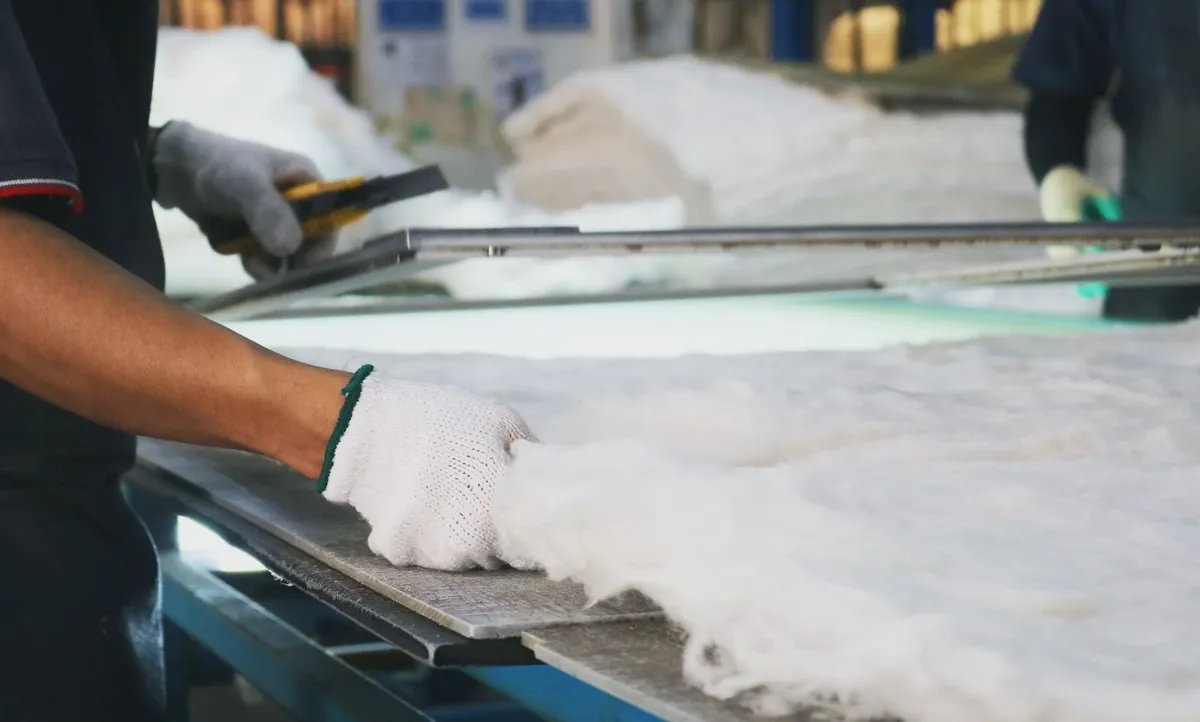
Most fiberglass class actions in the mattress industry have been filed against Zinus, Ashley, and other budget brands. Casper has not been the named defendant in a major class action over fiberglass at the time of writing, but it has been pulled into the conversation in two ways:
- A widely shared 2023 Reddit thread (r/Mattress) documented a consumer being told by Casper customer service that their mattress contained 'fiberglass or fiberglass-adjacent' material as a fire barrier.
- A January 2026 consumer-warning report from Farzan Law referenced an exposure incident on a Casper CAS10A-P-MFR-ONT mattress where the cover was removed for cleaning.
Casper's current product pages disclose that some models use a glass-fiber knit fire barrier. The label warning is consistent across the industry: do not unzip the cover and do not machine wash it. If the cover is removed, the inner sock can shed microscopic glass fibers throughout a home, and remediation often costs more than the mattress. For a model-by-model breakdown of which Casper SKUs contain fiberglass, see our guide on whether the Casper mattress has fiberglass.
What the lawsuits say Casper does well
- Casper is still one of the most-searched mattress brands in the U.S., partly because of the 2016 lawsuit's free press.
- Casper foams are CertiPUR-US certified, meaning they are tested for formaldehyde, heavy metals, and VOC emissions.
- 100-night trial and 10-year limited warranty are standard, in line with category norms.
What the lawsuits expose
- The 2016 case showed Casper would sue independent reviewers who soured on the product.
- The 2017 wiretapping case raised concerns about session-replay tracking that pre-dated industry-wide reform.
- The 2020 Lematta class action alleged the prospectus overstated unit economics; the case settled in 2024-2025.
- Models with a glass-fiber fire barrier can shed fibers if the unzippable cover is washed against label warnings.
Casper lawsuit FAQ
Is there a current Casper class action I can join?
The Lematta v. Casper Sleep Inc. securities class action had its claim filing deadline on November 8, 2024 and an objection deadline of November 30, 2024. That case was for investors who acquired Casper securities in or traceable to the February 2020 IPO. No active consumer class action over Casper mattresses has been certified as of mid-2026.
Do Casper mattresses contain fiberglass?
Some Casper models use a glass-fiber knit as the inner fire barrier. The cover label tells owners not to unzip the cover; doing so risks releasing microscopic glass fibers. Casper has not confirmed the exact year-by-year status of fiberglass in every SKU, so check the law label on the model you own.
What was the 2016 Casper lawsuit actually about?
Casper sued three review sites - Sleepopolis, Mattress Nerd, and Sleep Sherpa - alleging false advertising and unfair competition because the sites were taking affiliate payments from Casper competitors without clearly disclosing them. The case settled in 2017.
Did Casper buy Sleepopolis?
Not directly. According to Fast Company and Vox reporting, Casper provided financing that allowed JAKK Media to acquire Sleepopolis. Derek Hales, the original reviewer, left the site shortly after.
Should the lawsuits stop me from buying a Casper?
The lawsuits are about corporate behavior and marketing, not a recall on the mattresses themselves. The bigger practical risk for owners is the fiberglass fire barrier in some SKUs - so if you buy a Casper, never unzip and wash the cover. If that risk concerns you, look at brands that use a non-fiberglass fire barrier such as Saatva, Amerisleep, Avocado, or Bear.
Want a fiberglass-free mattress recommendation?
Sources and further reading
- Fast Company - 'The War to Sell You a Mattress Is an Internet Nightmare' (Oct 16, 2017)
- Vox - 'Casper went to war with a popular mattress reviews site' (Sep 23, 2017)
- Strategic Claims Services - Lematta v. Casper Sleep, Inc. settlement notices (2024)
- The Hustle - 'Casper's war on mattress bloggers'
- Farzan Law - Casper CAS10A-P-MFR-ONT fiberglass exposure consumer warning (Jan 2026)