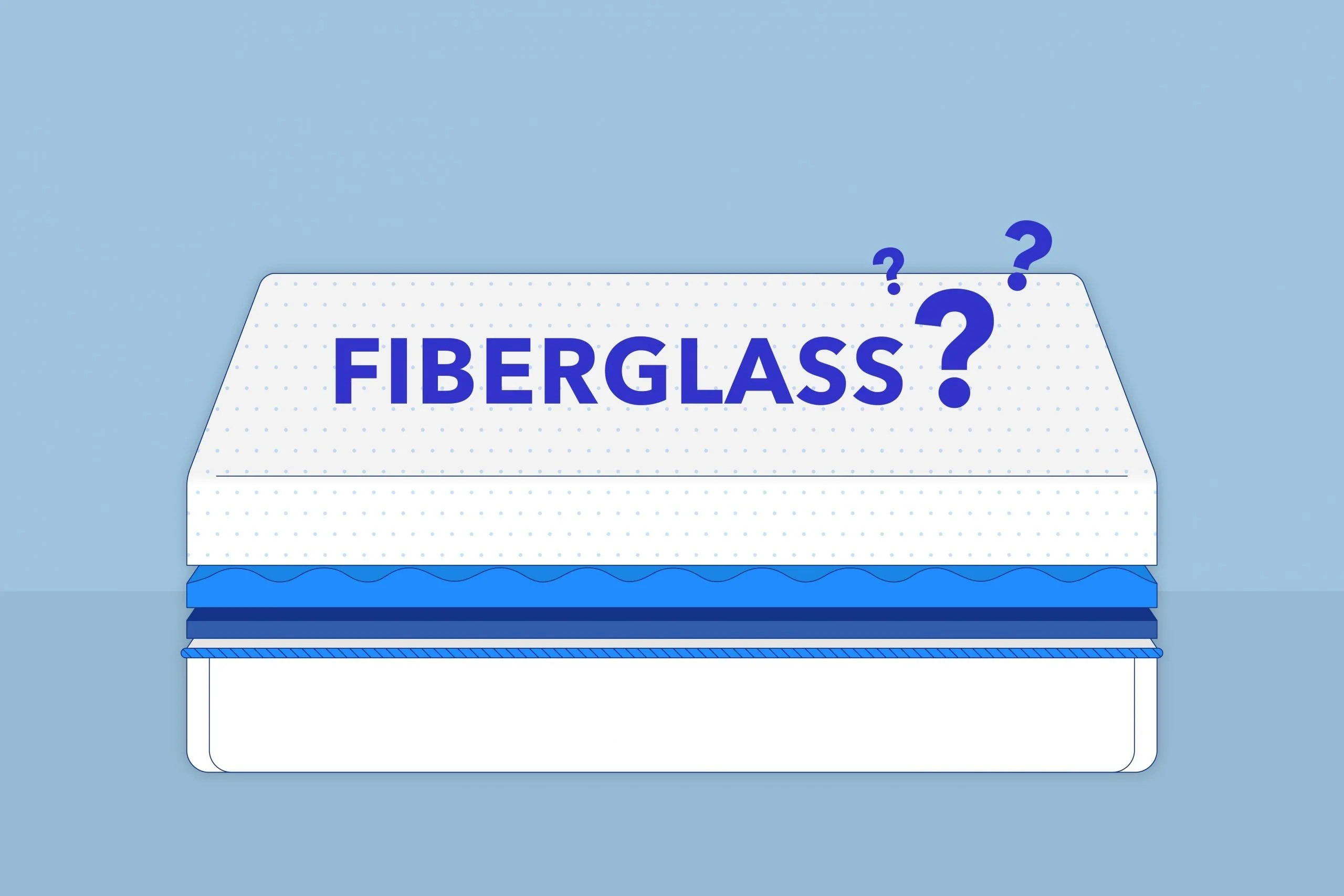
The short answer
It depends on when you bought it. Casper mattresses produced before 2024 - including older runs of the Casper Original, Original Hybrid, Nova Hybrid, and Wave Hybrid - used continuous filament fiberglass as an inner fire barrier. As of 2024, Casper switched to a rayon-fiber-based barrier, and every current model - the Casper One, Cloud One, Dream, Dream Max, Snow, Snow Max, Wave Hybrid Snow, Nova Hybrid Snow, and Costco Cooling Select - is fiberglass-free.
If your mattress is intact and the cover has never been removed, fiberglass stays sealed inside the inner sock and is not a day-to-day exposure risk. The danger comes from removing the outer cover for washing, which Casper explicitly warns against on older models - once the inner sock tears, fiberglass shards can spread through the home and embed in skin, eyes, and lungs.
Fiberglass-free (current Casper lineup)
- Casper One (2024+)
- Cloud One
- Dream and Dream Max
- Snow and Snow Max
- Wave Hybrid Snow / Nova Hybrid Snow
- Costco Cooling Select (Casper-made)
May contain fiberglass (older models)
- Casper Original (pre-2024 production)
- Casper Original Hybrid (pre-2024)
- Casper Nova Hybrid (older runs)
- Casper Wave Hybrid (older runs)
- Element / Element Pro (older runs)
- Any Casper purchased before the 2024 cutover
When did Casper stop using fiberglass?
Casper completed the transition off fiberglass in 2024. Per the brand's own help center, the fire barrier in current production was updated to use a rayon-fiber-based product, and every model launched or revised since then ships fiberglass-free. Older units already in homes or in retail channels still contain the original filament fiberglass barrier.
Practically: a Casper bought new in 2025 or 2026 is fiberglass-free. A Casper bought in 2022 - or a returned/clearance unit sitting in a warehouse - likely is not. The mattress law tag (white tag, usually at the foot) lists the fire-barrier material; that's the most reliable way to confirm.
Why Casper used fiberglass in the first place
U.S. federal law (16 CFR Part 1633) requires every mattress sold in the country to pass an open-flame test. Manufacturers can meet that standard with chemical flame retardants, silica, wool, rayon-blend barriers, or fiberglass - and for years fiberglass was the cheapest option that didn't rely on chemical FRs. It melts and forms a heat-blocking char layer instead of igniting. The trade-off, which the industry largely ignored until consumer lawsuits forced disclosure, is that fiberglass shards escape the moment the cover is unzipped or torn.
For the broader legal context around those flame-retardant choices, see our timeline of the Casper mattress fiberglass lawsuit.
What's the actual safety risk?
When the inner sock containing the fiberglass stays intact, exposure is minimal. The danger scenarios are well-documented:
- Cover unzipped and washed - agitates the inner sock and releases shards.
- Cover or fabric torn from pets, moving, or wear - fibers migrate to bedding and HVAC.
- DIY removal or disposal - cutting a fiberglass mattress open without containment can contaminate an entire home.
Reported symptoms include skin irritation, contact rashes, eye irritation, and respiratory symptoms (sore throat, cough). The fibers are not absorbed systemically the way silica dust is, but cleanup of a contaminated room is expensive and often requires professional remediation - multiple news investigations have documented household contamination from fiberglass mattresses requiring carpet, drywall, and HVAC replacement.
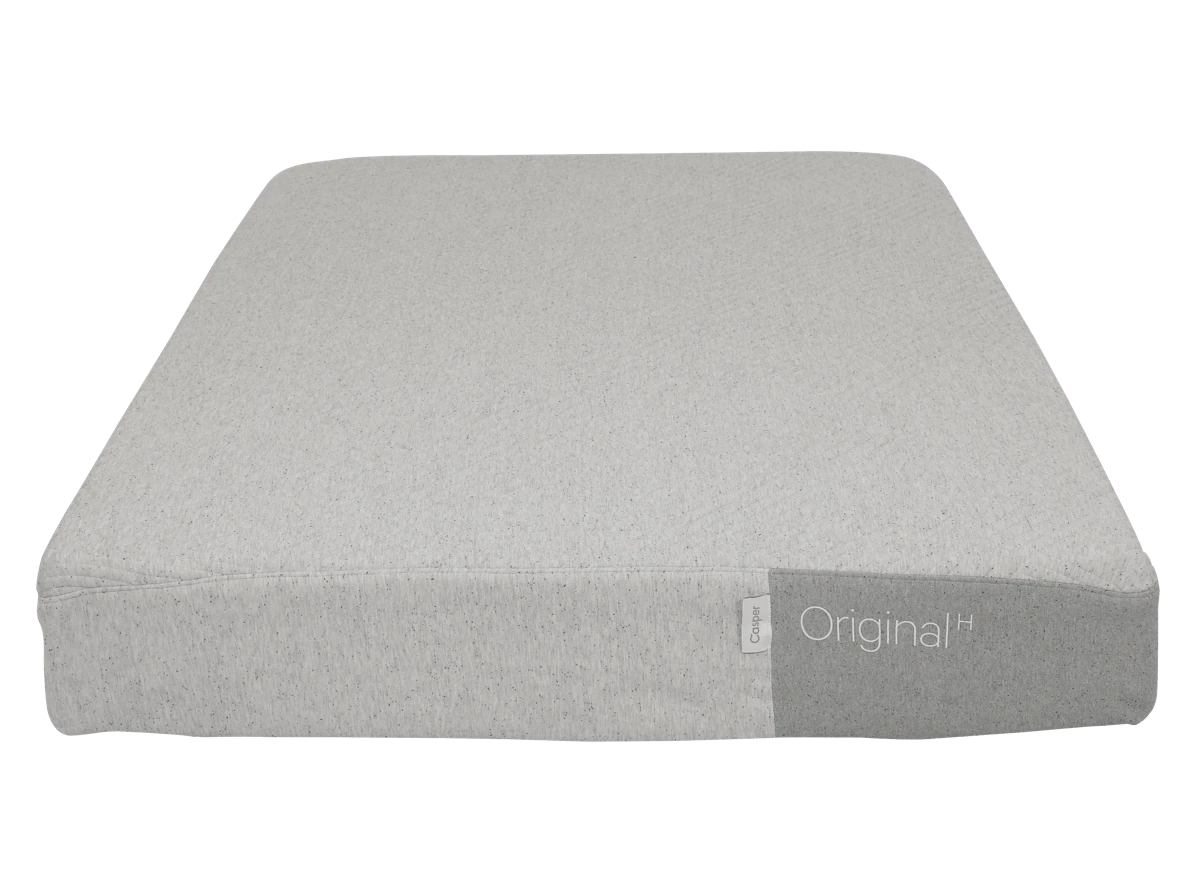
How to tell if your mattress has fiberglass
- Read the law tag. The white tag lists the fire barrier material - words like "glass fiber", "fibreglass", or "silica fibre" mean fiberglass. "Rayon", "wool", or "polyester FR" generally do not.
- Check the cover instructions. A label that warns "do not remove cover" almost always indicates a fiberglass inner barrier. Casper's older models all carry that warning.
- Match the model and purchase date. Casper Original, Original Hybrid, Nova Hybrid, and Wave Hybrid produced before 2024 are the affected lines.
- Do not unzip the cover to inspect - that's the exact action that releases fibers.
What to do if you own an older Casper
- Leave the cover on. Spot-clean only. If the cover is washable per the tag, hand-wash without removing it from the inner sock.
- Use a sealed mattress protector. A zippered, full-encasement protector (the kind sold for bed bug prevention) adds a second containment layer - the cheapest insurance you can buy if you're not ready to replace.
- Replace, don't repair. If the cover is already torn or fibers are visible, stop sleeping on it. Bag the mattress in plastic before moving it, and dispose of it through a hazardous-bulk waste service rather than curbside pickup.
- Don't try to wash it yourself. A residential washer cannot contain the fibers, and the resulting contamination can require professional remediation.
Ready for a fiberglass-free upgrade?
If you own a pre-2024 Casper and the cover is showing wear, replacing it is the safest move. Browse current-generation, fiberglass-free mattresses we've tested at Banner Mattress.
Casper fiberglass FAQ
Does Casper still use fiberglass in 2026?
No. Every Casper mattress in current production - the Casper One, Cloud One, Dream, Dream Max, Snow, Snow Max, and Costco Cooling Select - uses a rayon-based fire barrier and is fiberglass-free. Casper completed the transition off filament fiberglass in 2024.
Which Casper models had fiberglass?
Older runs of the Casper Original, Casper Original Hybrid, Casper Nova Hybrid, Casper Wave Hybrid, and the Element/Element Pro lines used a filament fiberglass fire barrier. Production cutover dates vary by model and factory, so any Casper purchased before 2024 should be assumed to contain fiberglass unless the law tag says otherwise.
Is it safe to sleep on an older Casper?
Yes, as long as the outer cover is intact and you do not unzip or remove it. Fiberglass stays sealed inside the inner sock during normal use. The risk appears when the cover is washed, torn, or removed - which is why Casper's older labels explicitly warn against doing so.
Does the Costco Casper Cooling Select have fiberglass?
No. Casper has confirmed that the Costco Cooling Select model is fiberglass-free, alongside the Casper One, Cloud One, Dream, Dream Max, Snow, and Snow Max.
Is silica safer than fiberglass?
Yes, with caveats. Silica fire socks (used by some other brands and in some current-generation barriers) don't fragment into airborne shards the way fiberglass does, so the contamination risk is far lower. Inhaled silica dust has its own occupational hazards, but in a sealed, finished mattress the day-to-day exposure is minimal.
Can I file a fiberglass-related claim against Casper?
There are active legal cases involving fiberglass exposure from older Casper units. If you believe contamination occurred, document the law tag, photograph the damage, and consult a consumer-product attorney before disposing of the mattress - once it's gone, evidence is much harder to preserve.