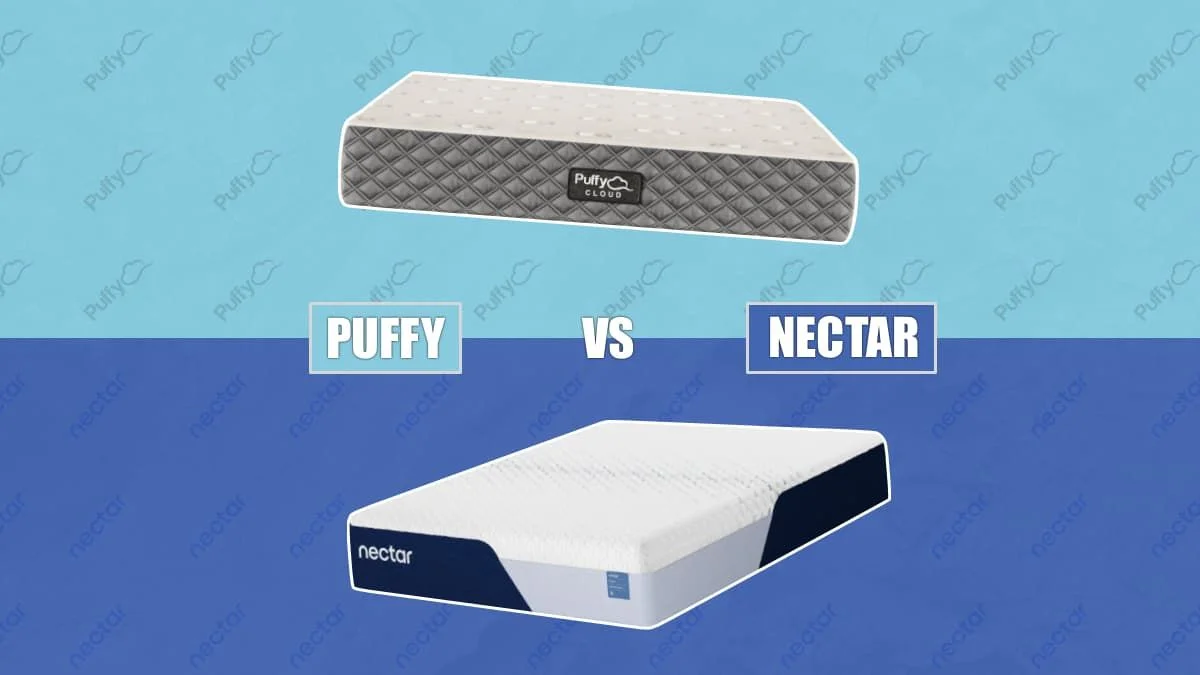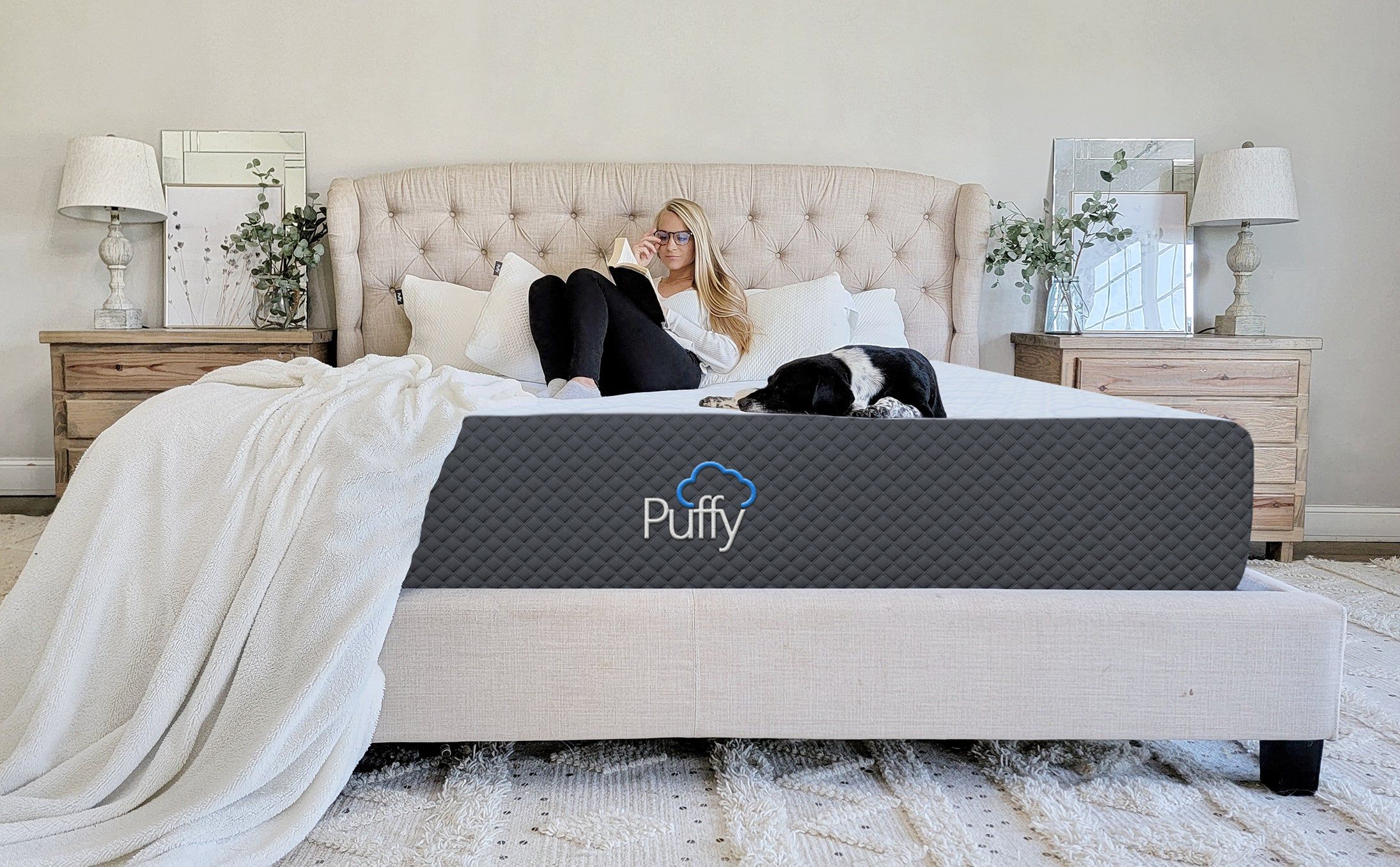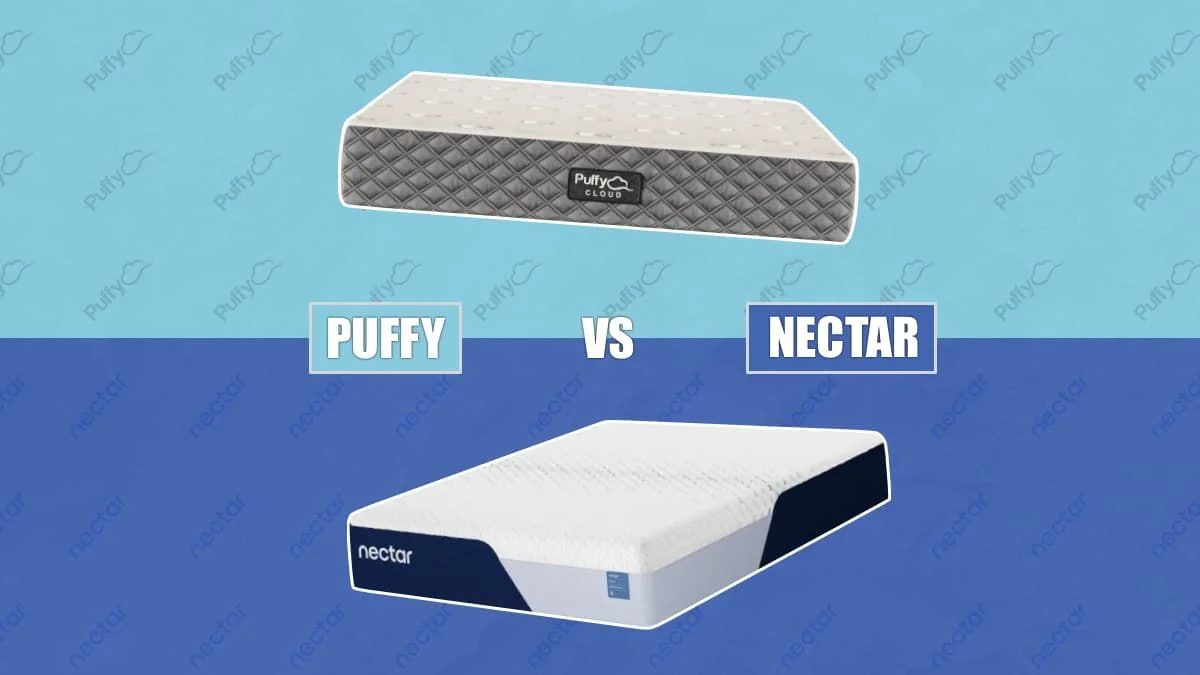
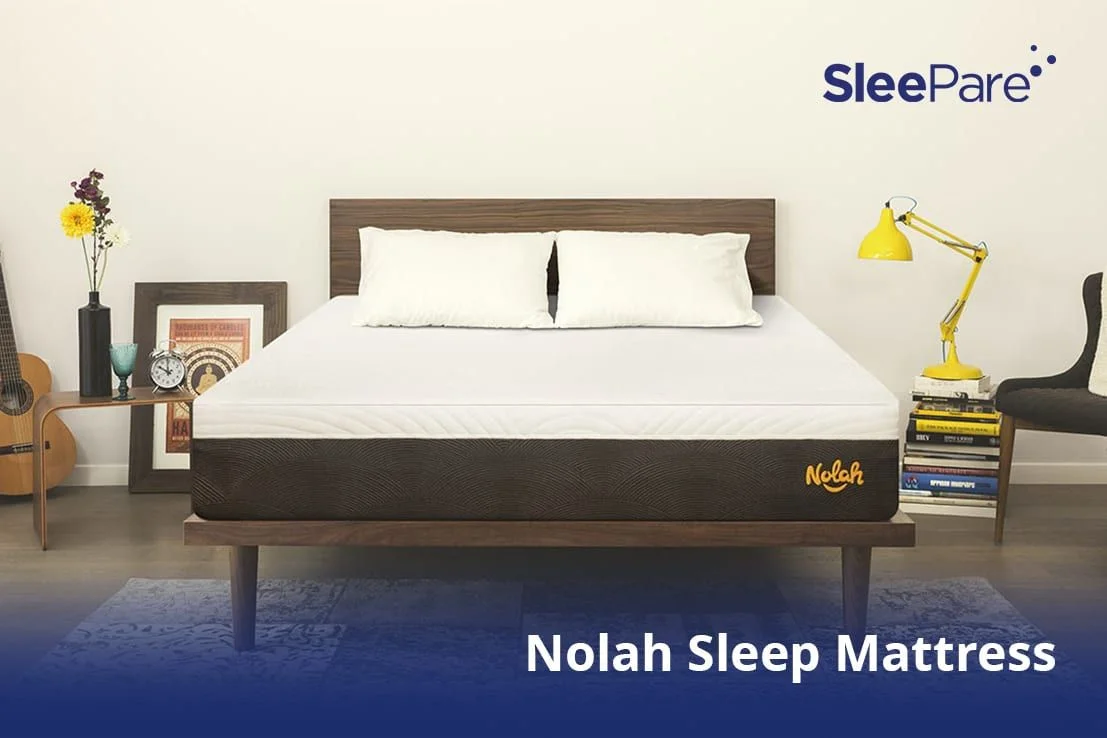
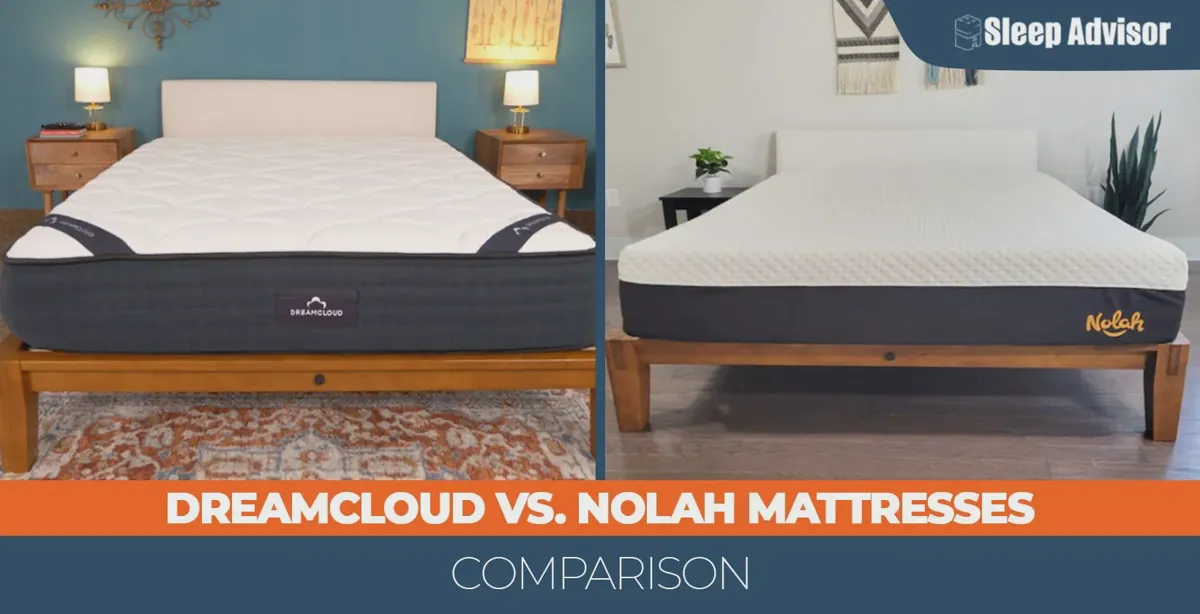
The Puffy is a memory foam mattress with a slight body hug and standout motion isolation. The Nolah Original is an all-foam bed known for sleeping cool and feeling almost bouncy underfoot. Both are three-layer, 10-inch all-foam beds that suit lightweight and average-weight sleepers in any position, and both work well for couples. The real decision comes down to two things: whether you want that classic memory foam cradle, and how hot you sleep.
This comparison walks through how the two beds are built, how they feel, who each one fits, and what you pay. Where the two beds diverge most is temperature and ease of movement, so we weight those heavily in the verdict.
Nolah vs Puffy at a glance
Both beds land in medium-firm territory, but they get there in different ways. Here is the short version before we get into the testing detail.
| Category | Nolah Original | Puffy |
|---|---|---|
| Construction | Three-layer all-foam, 10 inches | All-foam memory foam, 10 inches |
| Firmness | Medium-firm, around 6/10 | Medium-firm, closer to 7/10 |
| Surface feel | Balanced, responsive, soft without doughy molding | Traditional memory foam, body-hugging |
| Best for | Hot sleepers, people who toss and turn, back sleepers | Memory foam fans, side sleepers, couples |
| Sleep trial | 120 nights | 101 nights |
The Puffy is the pick if you want exceptional pressure relief and the conforming feel of traditional memory foam. The Nolah is the better choice if you sleep hot or move around a lot at night, because its foam responds faster and runs cooler.
How they are built
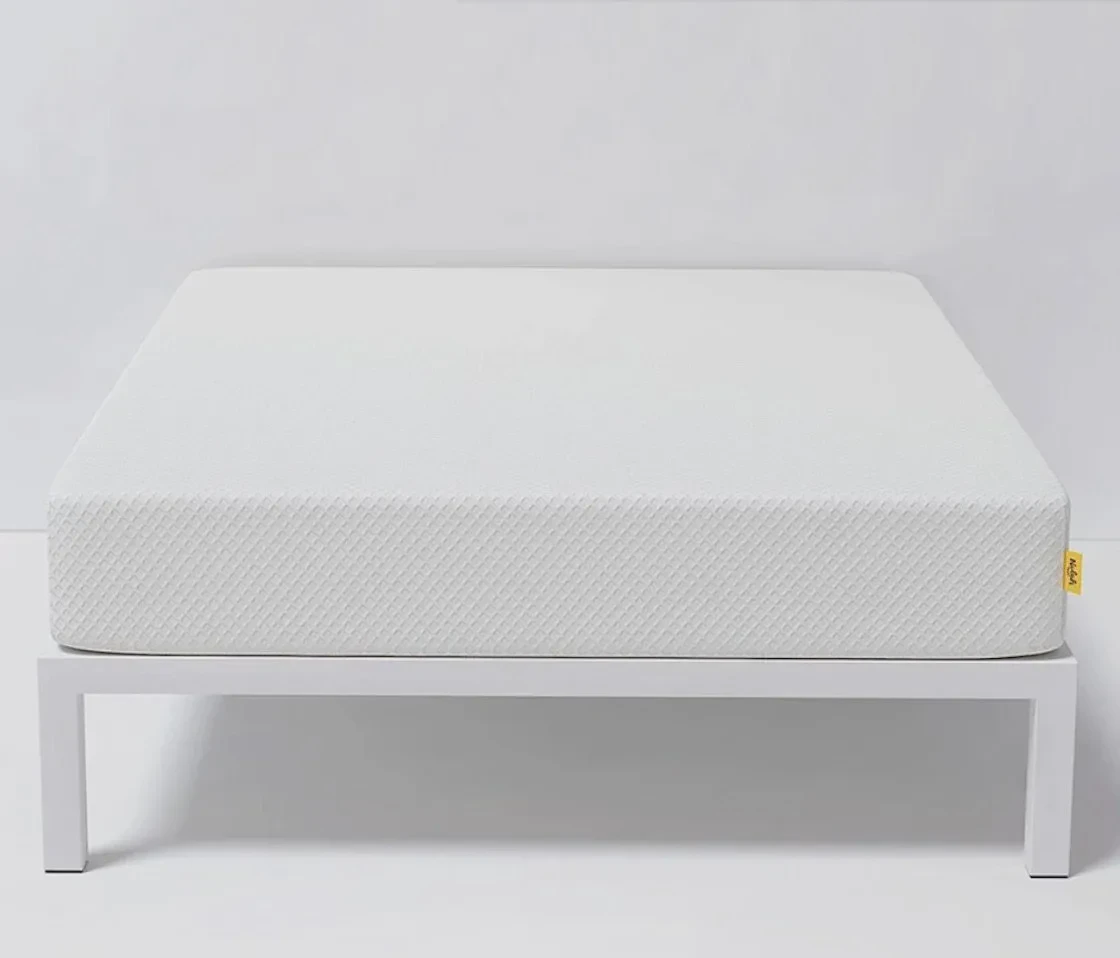
Both mattresses measure 10 inches, but the internals are different. The Nolah Original is made of three distinct foam layers, while the Puffy is built entirely from memory foam. Here is how the layers stack up.
| Nolah materials | Puffy materials |
|---|---|
| TENCEL cover | Stain-resistant cover |
| 2-inch AirFoam | 2-inch Cooling Cloud foam |
| 1-inch high-resilience foam | 2-inch Climate Comfort foam |
| 7-inch high-density base foam | 6-inch high-density foam |
The Nolah cover is made from TENCEL, a breathable material that wicks away body moisture. The Puffy cover is a standard polyester that does not add much breathability. In the comfort layers, Nolah uses its AirFoam, which has air pockets built in for airflow, pressure relief, and contouring. The Puffy relies on a Cooling Cloud foam with gel infusions meant to pull heat away.
Both beds use a high-density foam base for support, but the Nolah's base layer is one inch thicker than the Puffy's. That extra inch shows up later in edge support and durability.
Firmness and feel
The Puffy and Nolah sit close together on the 1 to 10 firmness scale. The Nolah is a medium-firm bed at roughly 6 out of 10, which is the firmness most sleepers prefer. The Puffy lands closer to 7 out of 10, still medium-firm but nearer the firmer end. Both have a soft top layer over a firmer transition layer, so each one supports proper alignment for most back and stomach sleepers.
The feel is where they part ways. The Puffy's memory foam top layers mold to the body for the traditional slow-sinking memory foam sensation. The Nolah has a more balanced feel that is soft without the doughy moldability, and it does not stay indented when you shift position. That responsiveness is why the Nolah is the easier bed to move on, while the Puffy delivers the deeper cradle.
Which sleeper each one fits
Body type and sleeping position decide more than brand here. Both beds fall on the softer side, so neither is ideal for heavyweight sleepers who need firm support.
Choose the Puffy if you are:
- A memory foam fan: the two thick memory foam layers give it a doughy, contouring feel similar to pricier traditional memory foam beds.
- A lightweight or average-weight sleeper: the soft top layer and medium-firm transition layer balance support and cushion across every position, as long as you weigh under 230 lbs.
- Part of a couple: the memory foam construction dampens motion transfer, so a restless partner or co-sleeping child is less likely to wake you.
Choose the Nolah if you are:
- An all-foam fan who sleeps hot: it delivers all-foam pressure relief and motion isolation while running cooler than most foam beds.
- Someone who tosses and turns: despite a slight body hug, it does not trap you in place, so repositioning stays easy.
- A back sleeper: the proprietary foams compress at high-pressure zones without sinking elsewhere, cushioning the low back while keeping the spine aligned.
For average-weight sleepers, both beds handle back and side sleeping well thanks to their pressure-relieving foam. Both are a bit too soft to elevate the hips of average-weight stomach sleepers, though the Nolah edges ahead there. Heavyweight sleepers will likely sink too far into either bed in any position.
Temperature, motion, and edge support
This section is where the two beds separate the most, especially on heat.
Temperature
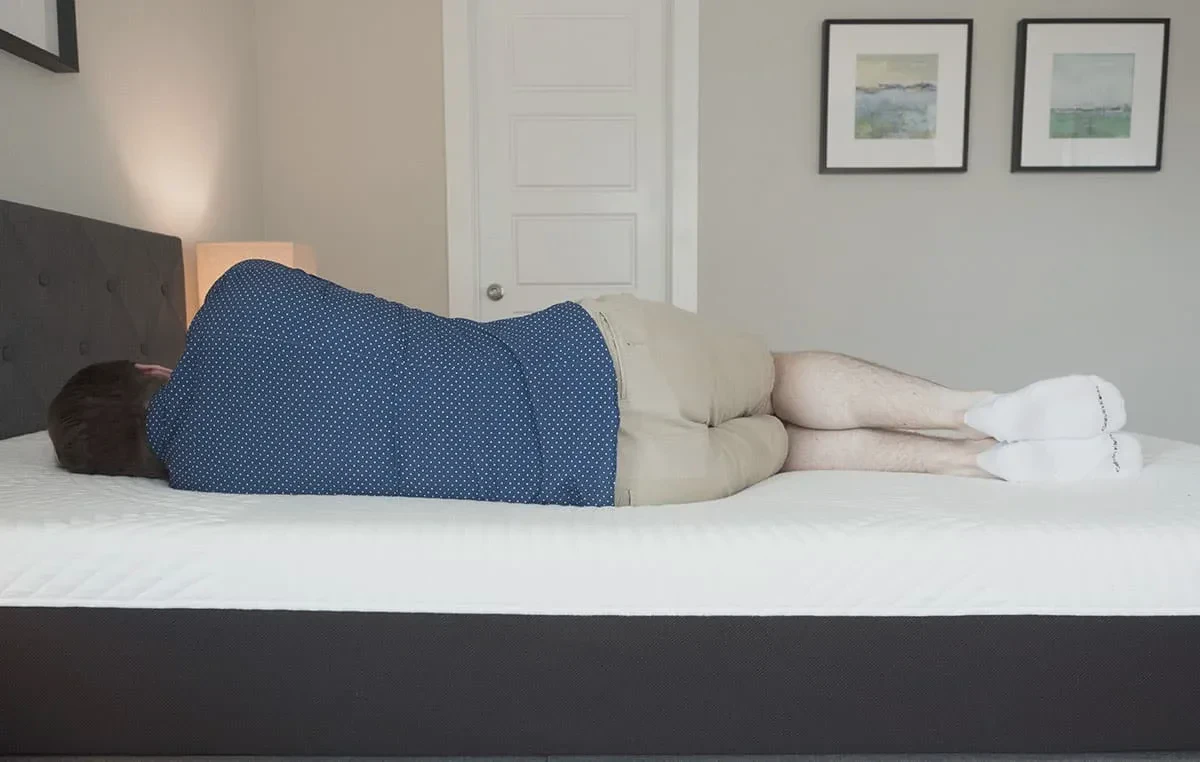
The Nolah's proprietary foams sleep cooler than the Puffy's memory foam because they are more breathable. Even with the Puffy's cooling gel memory foam, it does not match the Nolah for people who sleep hot. If overheating is your main complaint, the Nolah is the clearer pick.
Motion transfer
Both beds are good options if you share the bed with a partner, kid, or pet, because every layer is foam and movement does not spread across the surface. If one of you is a very light sleeper or especially active at night, the Puffy has a small edge, since memory foam is the best material for isolating motion.
Edge support
Both provide decent edge support, but testers found the Nolah's perimeter sturdier. The difference traces back to construction: the Nolah's base foam is one inch thicker than the Puffy's, which firms up the edge you sit and sleep against.
Pricing, trials, and warranties
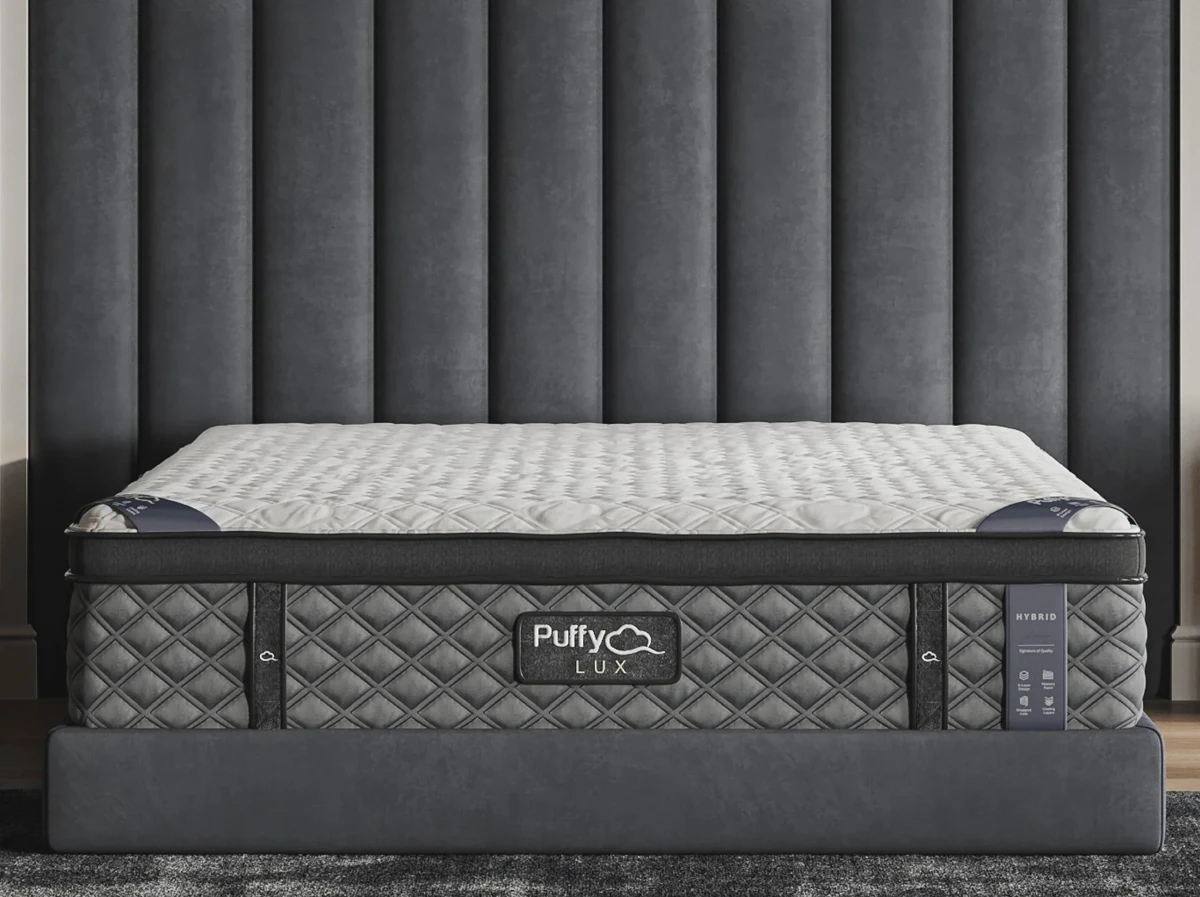
The Nolah comes in noticeably cheaper than the Puffy at every size. Here is how the two line up.
| Size | Puffy price | Nolah price |
|---|---|---|
| Twin | $1,849 | $999 |
| Twin XL | $2,099 | $1,199 |
| Full | $2,249 | $1,349 |
| Queen | $2,399 | $1,149 |
| King | $2,599 | $1,749 |
| California King | $2,599 | $1,749 |
Both brands ship free in the contiguous U.S. and back their beds with a lifetime warranty. Puffy gives you a 101-night sleep trial but makes you wait 14 nights before you can return for a full refund. Nolah offers a longer 120-night trial, though you cannot apply for a free return until you have slept on it for 30 nights. Nolah's warranty also covers shallower body impressions than Puffy's, which gives you better long-term coverage. Both beds carry average durability, with a typical lifespan of seven to 10 years; the Nolah is expected to last slightly longer thanks to its thicker support foam.
Which one should you buy
The Puffy's memory foam design makes it the better bed for anyone who wants the conforming cradle of traditional memory foam, along with top-tier motion isolation and pressure relief. The Nolah's responsive, breathable foam is the better fit if you sleep hot, move around a lot, or want a lower price and a longer trial. Both excel for lightweight and average-weight people across all sleeping positions, and both work well for couples, so for many shoppers the deciding factors are heat and feel rather than overall quality.
If you want the full breakdown on either bed before deciding, our standalone Nolah mattress reviews and our Puffy mattress reviews cover each one in depth.
Nolah vs Puffy FAQs
What is the difference between Nolah and Puffy?
The Puffy is a memory foam mattress with a slow-sinking, body-hugging feel and excellent motion isolation. The Nolah Original is an all-foam bed that feels more balanced and responsive, sleeps cooler, and is easier to move on. Both are 10-inch, three-layer foam beds in the medium-firm range, but the Nolah runs cooler and costs less while the Puffy gives the deeper memory foam cradle.
Are Nolah mattresses good quality?
The Nolah Original is a well-built all-foam bed with average expected durability of seven to 10 years, and testers expect it to last slightly longer than the Puffy because of its thicker high-density base foam. It also carries a lifetime warranty that covers shallower body impressions than many competitors, which is a sign the company stands behind the build.
Is Puffy a good quality mattress?
The Puffy is durable enough to last at least five to seven years with proper care, and it pairs that with a lifetime warranty. Its two memory foam layers deliver strong pressure relief and class-leading motion isolation, which is why it remains a favorite among memory foam fans and couples.