A futon mattress is sized by the frame it has to fold into, not just by the sleeper on top. That is why a "full" futon and a "full" bed mattress can both list 54" × 75" on the label and still feel different in the room. Use the chart below to verify what you have, then read the notes underneath so you order a replacement that actually closes.
Quick answer: the most common futon sizes are Full (54" × 75") and Queen (60" × 80"). Twin (39" × 75") fits chair-style frames, and split sizes (chair-plus-ottoman builds) run smaller. Thickness ranges from 5" for tri-fold travel mats to 10-12" for premium bi-folds.
Standard futon mattress size chart (inches and cm)
All dimensions are width × length, measured flat (unfolded into bed mode). Heights/thickness vary by build - see the next section.
Futon mattress dimensions at a glance
Standard sizes that fit bi-fold and tri-fold futon frames. Compare with conventional bed mattress sizes for sheet shopping.
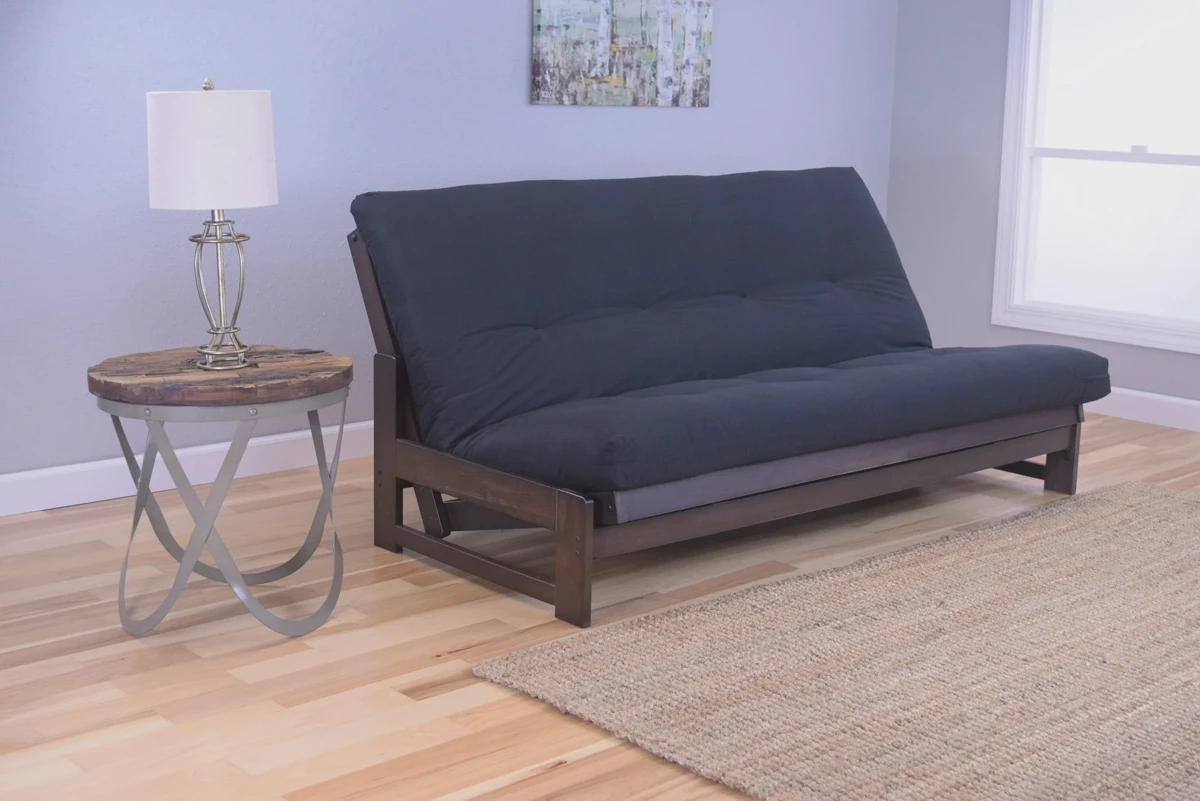
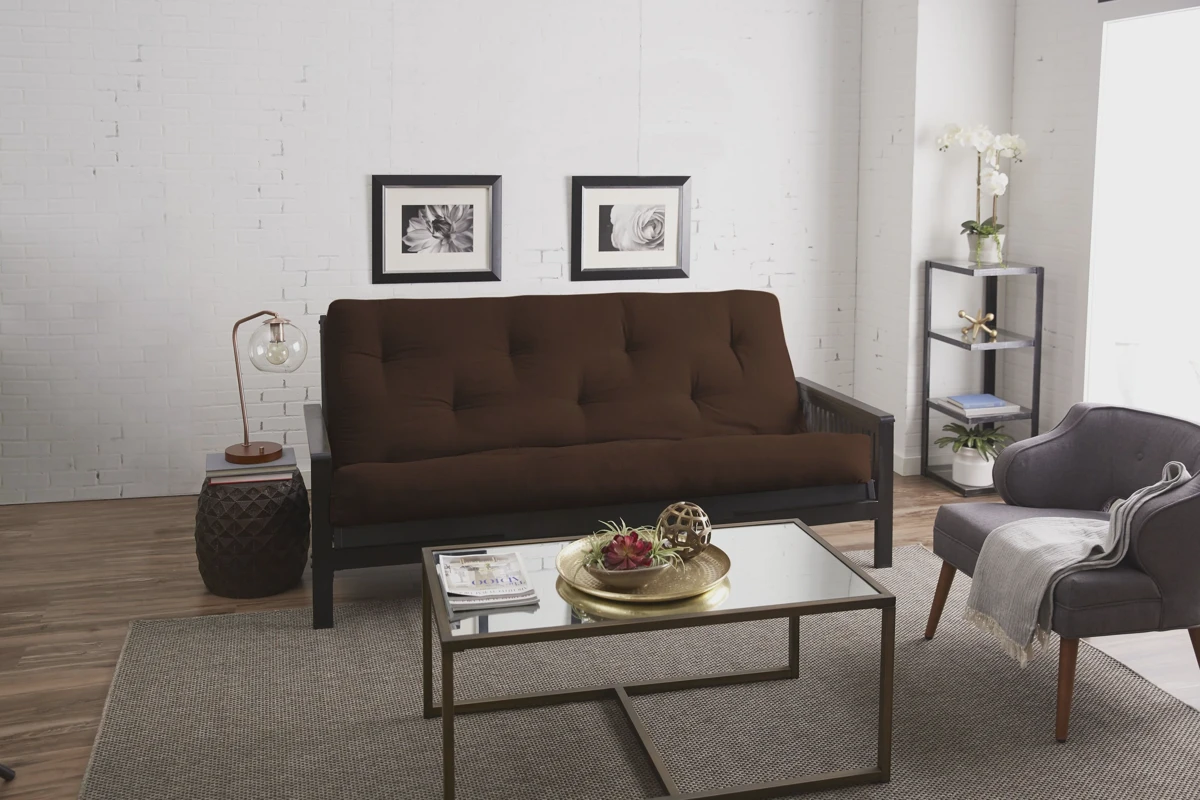
Manufactured futons sometimes measure slightly under nominal - e.g., a "full" futon may arrive 52" × 72" instead of 54" × 75". Always measure the back rail of your frame before ordering.
Notes on each size
- Twin (39" × 75"): fits single-seat frames and kids' rooms; lightweight and portable.
- Full / Double (54" × 75"): the default for bi-fold sofa frames; sleeps one adult comfortably or two in a pinch.
- Queen (60" × 80"): same footprint as a queen bed mattress; needs a queen-rated futon frame.
- King (76" × 80"): rarely produced - expect higher cost and limited frame options.
- Split twin: seat 39" × 54" plus ottoman 39" × 21", combining for a 39" × 75" sleep surface.
- Split queen: seat 54" × 60" plus ottoman 26" × 60", combining for a 54" × 80" sleep surface.
Full vs queen futon: how to tell which one you have
The fastest way to identify a futon size without unfolding it is to measure the inside width of the back rail in sofa mode (the wooden or metal piece your back leans against).
- Inside back-rail width about 54" (137 cm) → full futon.
- Inside back-rail width about 60" (152 cm) → queen futon.
- If the back rail measures 39" (99 cm), you have a twin chair frame, not a sofa-bed.
Sheet shopping note: a queen futon takes standard queen sheets, but a full futon's extra thickness often pushes it past full-bed sheet pockets - order "full XL" or "deep pocket full" if your mattress is 8" or thicker.
Thickness: 5", 6", 8", 10", 12"
Width and length tell you whether it fits the frame. Thickness tells you whether it folds. Thicker is more comfortable to sleep on - and harder to convert back into a couch every morning.
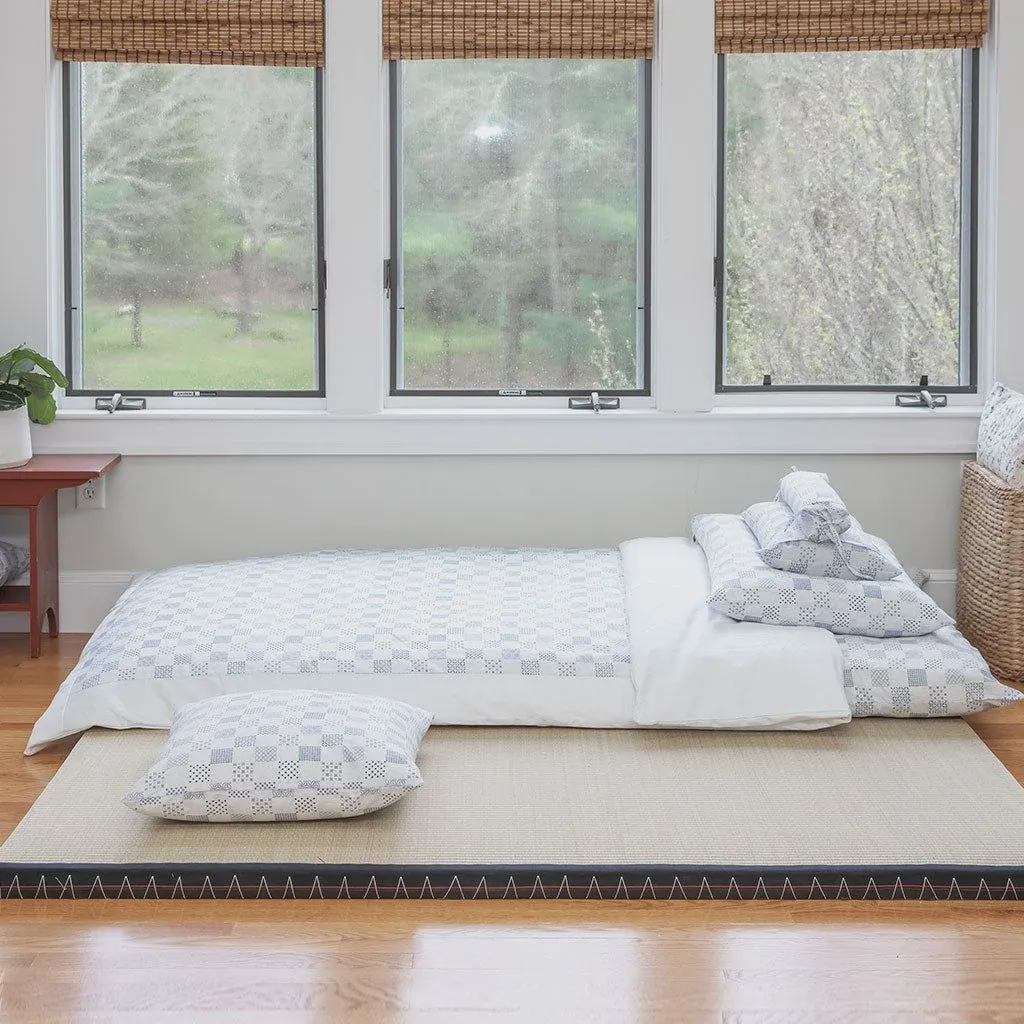
- 5-6 inches: tri-fold travel mats and Japanese shiki style. Folds easily, firmer feel, best for occasional guest use or floor sleeping.
- 8 inches: the all-around bi-fold sweet spot. Comfortable nightly, still folds without fighting the frame.
- 10-12 inches: premium bi-folds with memory foam or pocket coils. Sleeps closest to a real bed, but the frame must be rated for the depth or the futon will not fully close.
Japanese shiki futon sizes (the traditional kind)
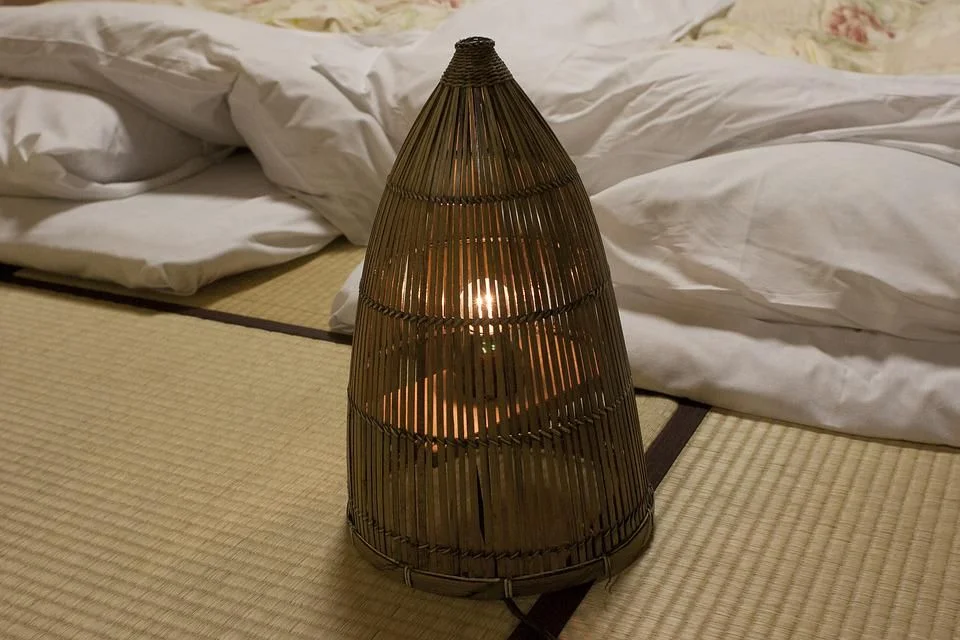
If you saw "futon" in a Japan-import shop, it is almost certainly a shiki futon - a thin floor-laid mattress, 3-5" thick, that rolls up for daytime storage. Sizing follows Japanese bedding standards, not Western frame standards:
- Single (shingle): 39" × 82" (100 × 210 cm)
- Semi-double: 47" × 82" (120 × 210 cm)
- Double: 55" × 82" (140 × 210 cm)
- Queen: 62" × 82" (160 × 210 cm) - the largest shiki commonly produced
Shiki futons do not work on Western bi-fold frames. They are designed to be laid directly on the floor or on a tatami platform.
Frame fit: bi-fold vs tri-fold
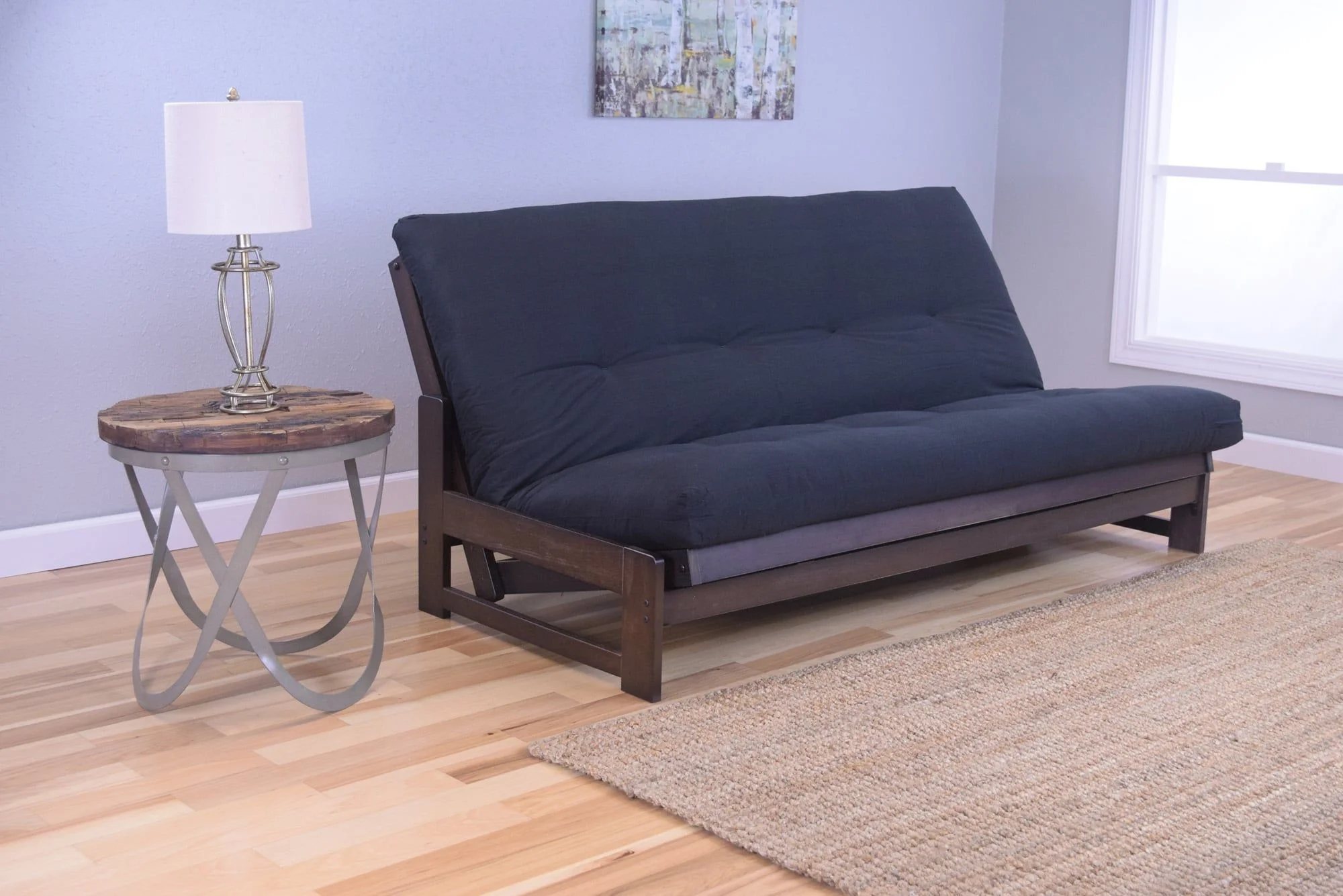
- Bi-fold frames (the most common sofa-bed style) take a single full or queen mattress that folds in half along the long edge. Mattress length must equal the seat-plus-back rail length.
- Tri-fold frames (loveseat- and chair-style) take a mattress that folds into thirds. They demand a thinner mattress - usually 5-6" - or it will not fold cleanly.
- Lounger frames (54" × 28" unfolded) work best paired with a 21" ottoman to extend the sleep surface.
Buying tips that prevent returns
- Measure the back rail's inside width before ordering - manufacturer labels lie by an inch in either direction.
- Check max mattress thickness on your frame's spec sheet. 8" frames will not close on a 10" mattress.
- Match cover material to use case: cotton/linen for guest rooms, polyester blends for daily-fold living rooms.
- If two adults will sleep on it nightly, jump to queen. Full futons squeeze couples.
- For tri-fold travel use, weigh the mattress - anything over 30 lb gets old fast.
Mistakes to avoid
- Buying a queen mattress for a full frame because the showroom looked similar.
- Ordering a 12" memory-foam futon for a 6" tri-fold frame - it will never close.
- Trusting standard "full" sheets to fit a thick futon mattress without checking pocket depth.
- Confusing a Western full futon with a Japanese double shiki - same name, different system entirely.
Futon mattress sizes - frequently asked questions
What size mattress is a standard futon?
The standard futon mattress is a full, measuring 54 inches wide by 75 inches long (137 × 191 cm). This is the size most bi-fold sofa-bed frames are built around in the US.
How can I tell if my futon is a full or a queen?
Measure the inside width of the back rail in sofa mode. About 54 inches means full; about 60 inches means queen. You can also fold it out and measure the mattress directly - full is 54 × 75, queen is 60 × 80.
Are futon and bed mattresses the same size?
The footprints are the same - a full futon and a full bed mattress are both nominally 54 × 75 inches. The difference is construction: futon mattresses are built to fold and flex, so they are typically thinner and use foam, cotton batting, or pocket coils chosen for bend tolerance.
Will queen sheets fit a queen futon mattress?
Yes, a queen futon takes standard queen sheets. For thicker futons (10"+), choose deep-pocket queen sheets so the corners do not pop off.
Is there a king-size futon?
King-size futons exist (76 × 80 inches) but are rare and expensive. Most major manufacturers stop at queen because king-size frames are heavy enough to defeat the point of a fold-up sofa-bed.
Do tri-fold futons come in queen?
Tri-folds top out at twin or full because anything wider becomes unwieldy to fold into thirds. For queen-size flexibility you need a bi-fold frame.
Need help matching a futon to your frame?
Banner Mattress carries futon mattresses in twin, full, and queen - plus the bi-fold and tri-fold frames they fit. Visit a showroom or call us and we will measure with you.