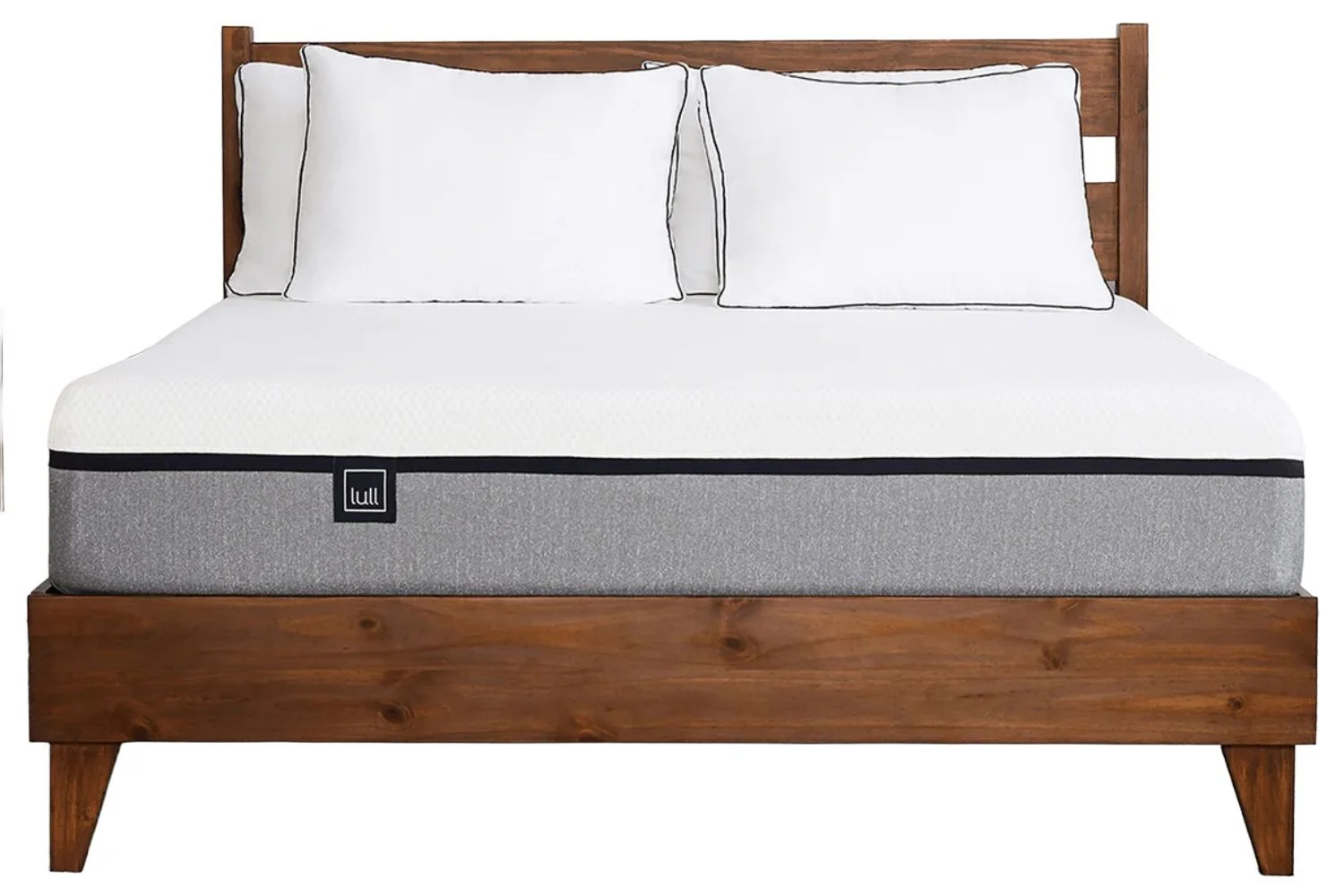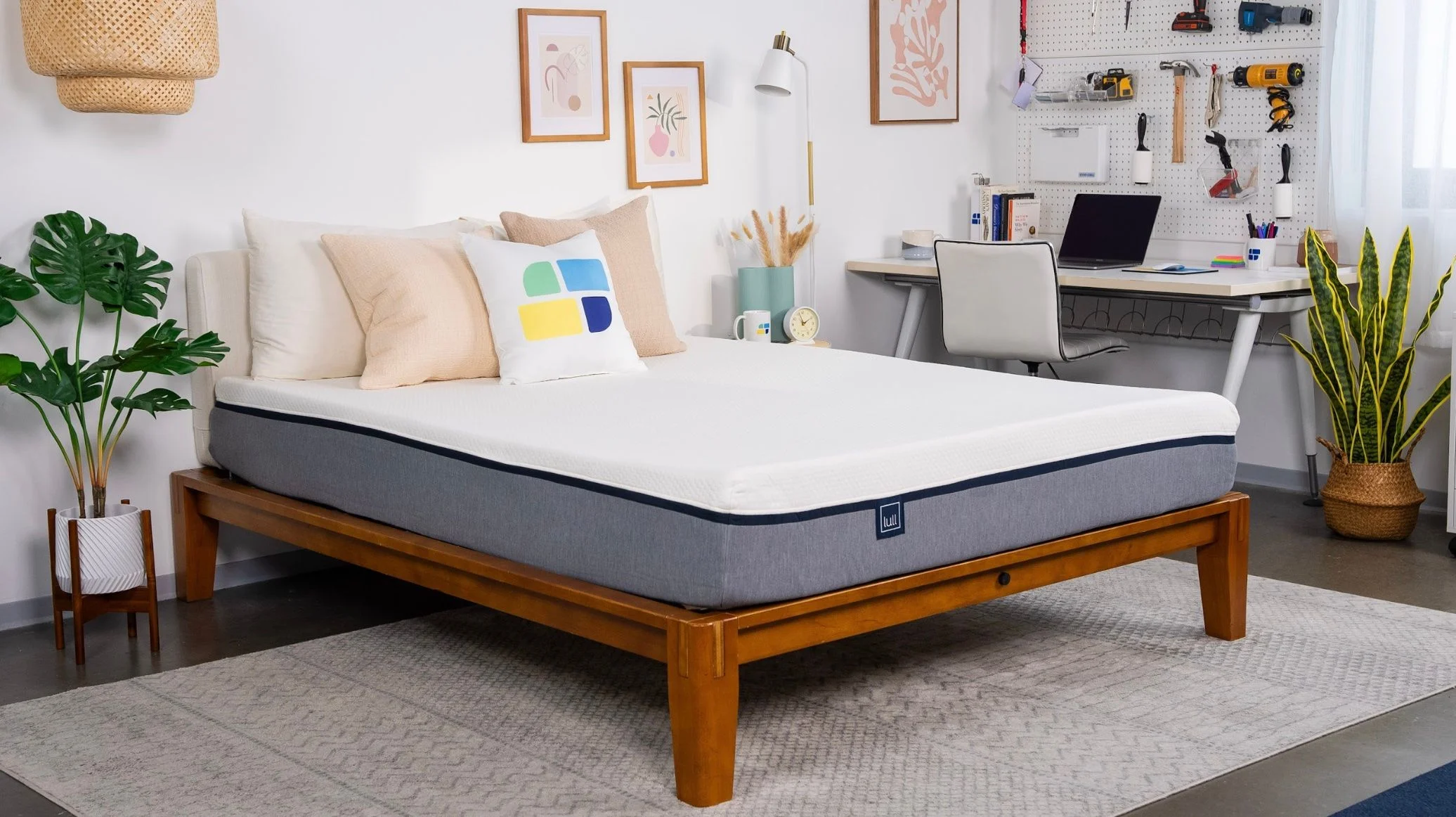
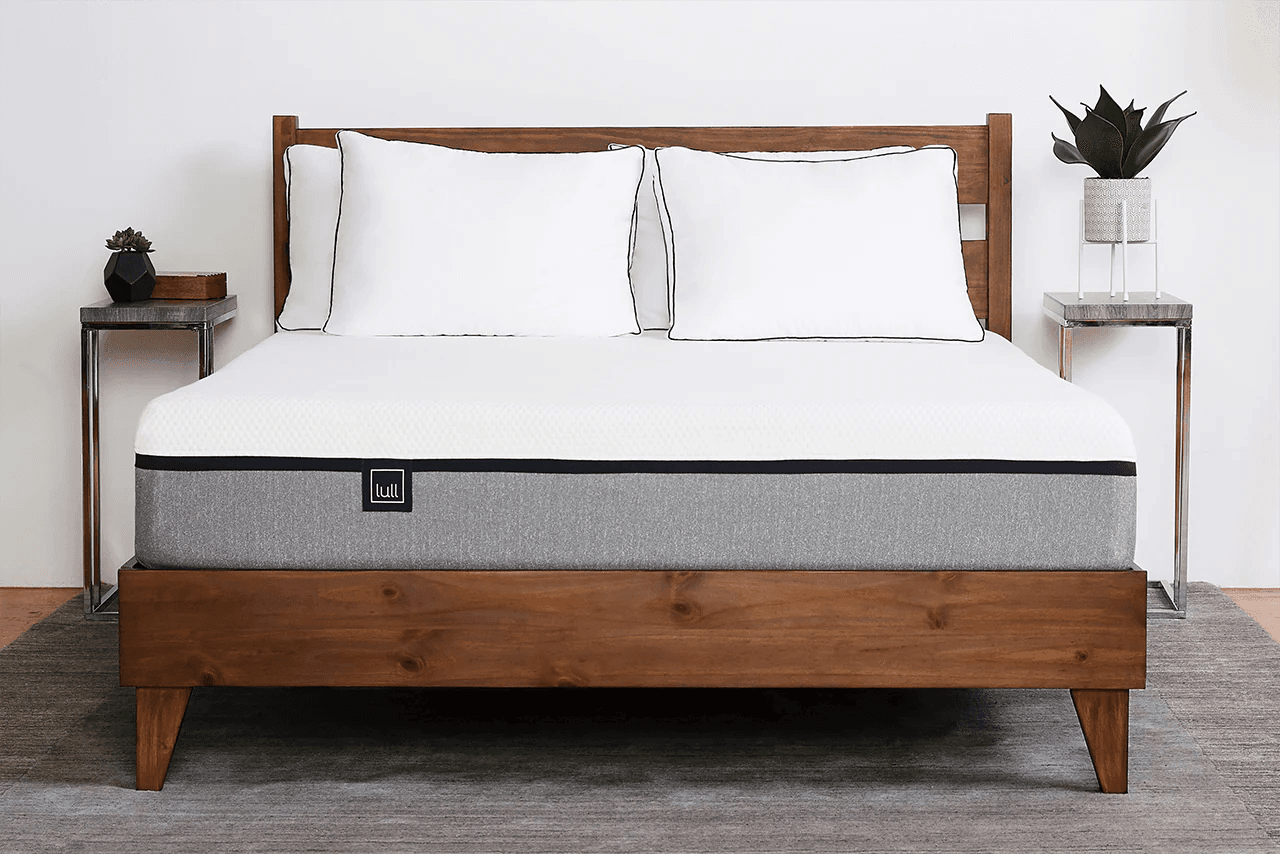
Lull officially says its Original memory foam mattress lasts 10+ years, and the company backs that with a limited lifetime warranty. Independent reviewers see a slightly shorter window - about 5-10 years depending on body weight, frame quality, and how often the mattress is rotated. Below is the realistic lifespan, what the warranty actually covers, the signs it's time to replace, and the maintenance steps that actually move the needle (we also flag two myths floating around in older guides).
How long does a Lull mattress last?
For the all-foam Lull Original, plan on 7-10 years of comfortable use with average-weight sleepers and a supportive foundation. Lull's own materials guidance - a 7-inch high-density polyurethane core under 1.5 inches of gel memory foam - is built for the longer end of that range, while testers at Mattress Clarity and others have reported meaningful softening closer to 5-7 years under heavier nightly use. The Lull Luxe Hybrid, with pocketed coils, generally tracks the upper end (8-10+ years) because steel coils retain support longer than foam alone.
Three factors compress that range fastest:
- Body weight above ~230 lbs per sleeper - foam compresses faster under sustained load.
- An unsupportive base (slats wider than 3 inches, or no center support on a queen/king) - voids the warranty and accelerates sagging.
- Skipping rotation - the head/torso area softens unevenly without a 180° turn every 3-6 months.
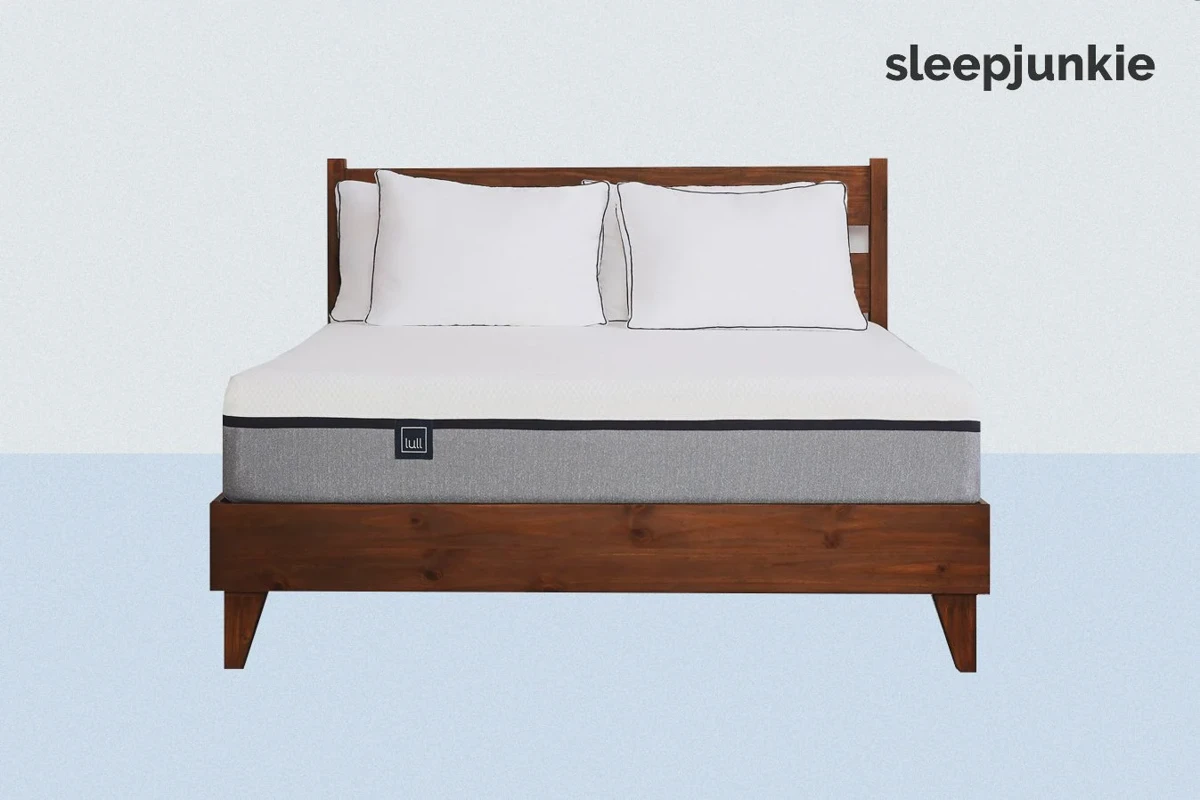
5 signs your Lull mattress needs replacing
Most foam mattresses fail gradually, not all at once. Watch for these in combination - one alone (a dust-mite week, a stretch of bad sleep) isn't a verdict.
1. Visible body impressions deeper than 1 inch
Strip the bed and look at the surface from a low angle. A dip you can see - especially one that doesn't bounce back within an hour - means the foam has lost its rebound. (Lull's warranty kicks in at 1.5 inches of permanent indentation, so a 1-inch dip is the early-warning version.)
2. Waking up stiff or sore
If you go to bed pain-free and wake with lower-back, hip, or shoulder soreness more than two or three nights a week, the comfort layer has likely lost the pressure relief that drew you to a memory foam bed in the first place.
3. New or worse motion transfer
Memory foam excels at isolating movement when fresh. If a partner or pet getting in or out of bed now wakes you, the foam's dampening structure has degraded.
4. Sleeping better elsewhere
A consistent pattern of sleeping better in hotels, on the couch, or at a partner's place is the single best diagnostic. The mattress is the variable - trust it.
5. Persistent odors or visible staining
Memory foam absorbs sweat over time. If a thorough vacuum and a baking-soda treatment don't clear lingering smells, the interior has saturated and a protector won't reverse it.
Replace if…
- You see permanent impressions deeper than 1 inch.
- Pain or stiffness on waking is the new normal.
- Motion transfer keeps waking you or a partner.
- You consistently sleep better away from home.
- The mattress is past its 10-year warranty window.
Don't replace yet if…
- Discomfort started within 30-90 days - that's the break-in window.
- You've never rotated it; try a 180° turn first.
- The foundation has wide slats or no center support - fix the base before blaming the bed.
- Pain coincides with a new pillow or sleep position.
- Indentations bounce back within an hour of getting up.
How to extend your Lull mattress's lifespan
These four habits do most of the work.
- Rotate 180° every 3-6 months. Do not flip - the Lull Original and Luxe Hybrid are one-sided. The comfort layer is on top by design; flipping puts the support core against your body and the foam core against the foundation, which damages the bed and voids the warranty.
- Use a breathable, waterproof mattress protector. Sweat and skin oils are what age memory foam from the inside; a protector blocks both and is required to keep the warranty valid.
- Confirm your foundation. Lull requires a solid, slatted (≤3-inch gaps), or box-spring base with center support on queen and larger. A platform bed without a center leg is the most common cause of premature sagging.
- Vacuum the surface every 1-2 months. This pulls dust and dander out before they migrate into the foam.
Two pieces of advice you may see elsewhere are wrong. First, you should not flip a Lull mattress every six months - older guides repeat this from the era of double-sided innerspring beds, but Lull's foam construction is one-sided. Second, the Lull Original does not have a 250-lb weight cap; Lull rates each side for 350 lbs (700 lbs total for queen and larger) and recommends the Luxe Hybrid for sleepers seeking firmer, more supportive performance over time.
Lull's warranty: what's actually covered
Lull offers a limited lifetime warranty on the Original and Luxe Hybrid, with the highest level of coverage in the first 10 years. Covered defects include:
- Permanent body impressions deeper than 1.5 inches (the most common claim).
- Foam splits or cracks under normal use.
- Manufacturing defects in the cover stitching or zipper.
The warranty does not cover staining, normal softening, comfort preference, damage from an unsupportive foundation, or any mattress that has been flipped, cut, or used commercially. Keep your original receipt - proof of purchase is required for any claim.
Lull mattress lifespan FAQs
How long should a new Lull mattress air out?
Allow 24-72 hours for the mattress to fully expand and any new-foam smell (off-gassing) to dissipate. Sleeping on it the first night is fine, but expansion and odor reduction continue for up to three days.
Should I flip my Lull mattress?
No. The Lull Original and Lull Luxe Hybrid are both single-sided - the comfort layer is engineered for the top. Flipping damages the foam structure and voids the warranty. Rotate the mattress 180° (head-to-foot) every 3-6 months instead.
Does Lull have a weight limit?
Lull rates each sleeping side for up to 350 lbs, so a queen or king supports up to 700 lbs total. Heavier sleepers may prefer the Luxe Hybrid, which uses pocketed coils for more durable, edge-to-edge support.
Is the Lull warranty really lifetime?
It's a limited lifetime warranty. Years 1-10 offer full replacement of qualifying defects; after year 10, Lull may repair or replace at a prorated rate. Damage from improper foundations, flipping, or commercial use is excluded.
How does Lull's lifespan compare to other foam mattresses?
It's in line with the foam category average. Most quality memory foam mattresses last 7-10 years; budget all-foam beds often fail at 5-6, while premium hybrids and latex models can stretch beyond 12. The Lull Original sits in the middle of that band; the Luxe Hybrid trends slightly longer.