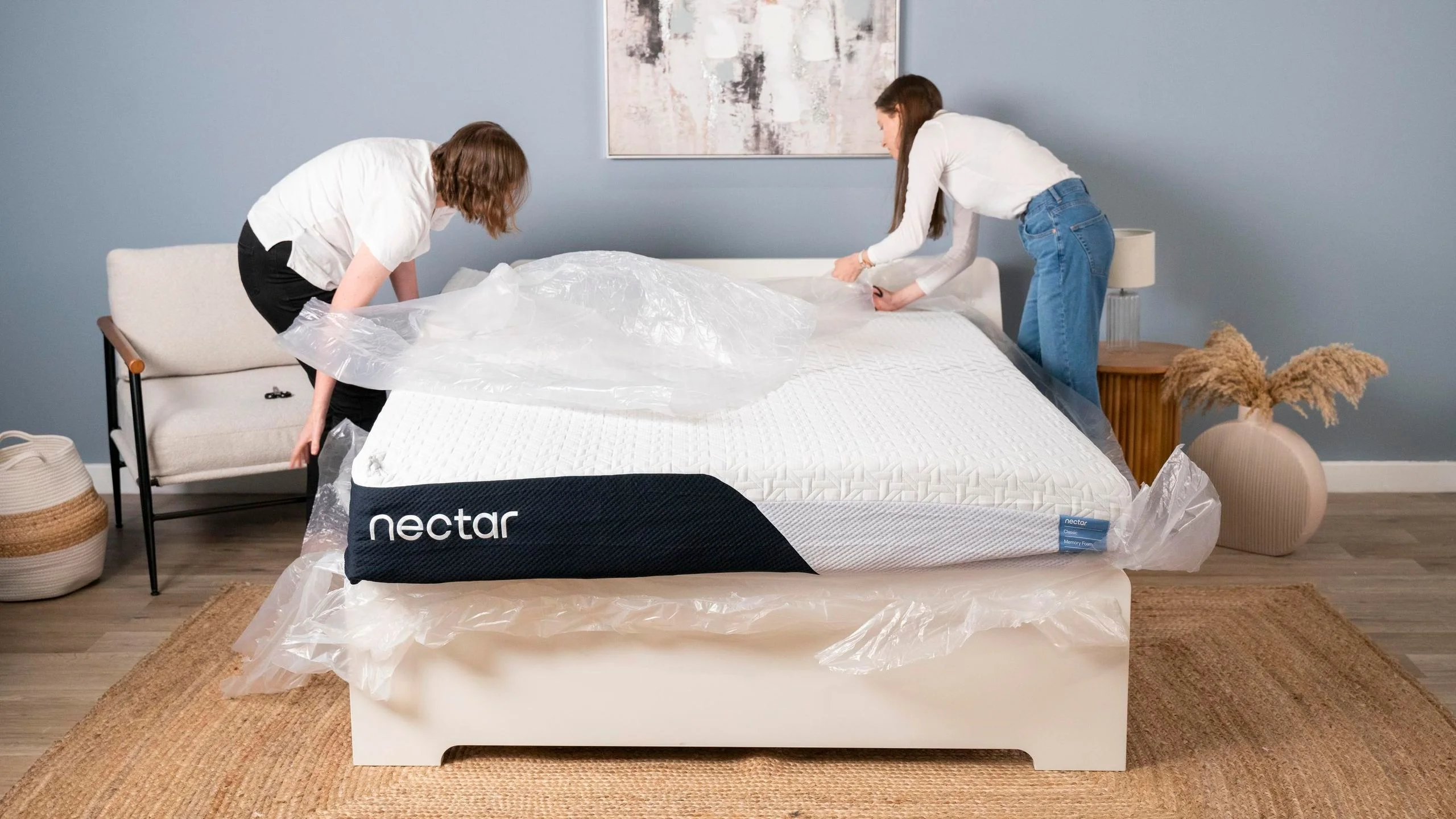
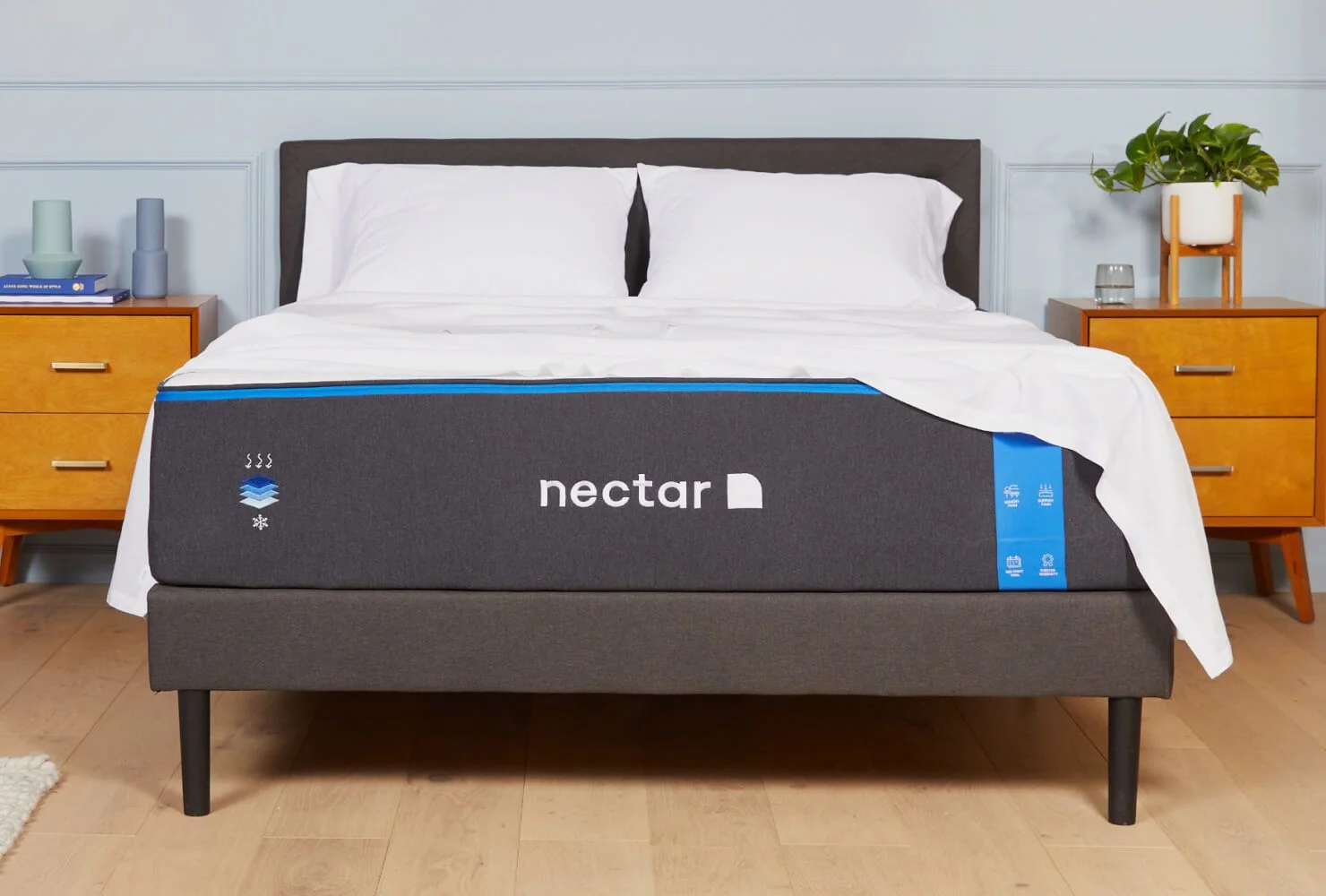
Unboxing a new Nectar feels a little anticlimactic. You drag a heavy box into the bedroom, slice the plastic, and watch a flat slab of memory foam slowly puff up like a soufflé. So how long until it actually feels like a mattress?
Short answer: a Nectar mattress takes 24 to 72 hours to fully expand. Most beds reach 90% of their final shape within the first 6 to 8 hours, but corners and the center fold are the last to settle.
Below we break down the timeline by mattress size, the five environmental factors that speed it up or slow it down, and what to do if your Nectar still looks pinched after three days.
Nectar Expansion Timeline at a Glance
Nectar's official guidance is 24 to 72 hours for full expansion. In practice, larger sizes and thicker hybrid models lean toward the upper end of that window. Here is what we typically see in our review lab and from reader reports:
- Twin / Twin XL: 24 to 48 hours
- Full / Queen: 24 to 48 hours
- King / California King: 48 to 72 hours
- Nectar Premier / Premier Copper (14-inch): 48 to 72 hours, regardless of size
- Nectar Hybrid: 24 to 48 hours; coil layer rebounds quickly
You can sleep on the bed before it has fully expanded - Nectar explicitly says this is safe and won't damage the foam. It just won't feel like its final self yet.
What Actually Slows a Nectar Mattress Down
Five variables drive the curve from rolled brick to fully sprung mattress. None of them are exotic - they are just memory foam physics.
1. Room Temperature
Memory foam is viscoelastic, which is a fancy way of saying its stiffness depends on temperature. Cold foam is sluggish. Aim for a room temperature between 68 to 72 °F (20 to 22 °C). Below 60 °F, expect expansion to drag past the 72-hour mark.
2. Airflow and Ventilation
Foam expands by drawing air back into the cells that were vacuum-collapsed at the factory. A closed, stuffy room slows that process. Open a window or run a ceiling fan on low for the first few hours.
3. Humidity
Most sleep guidelines recommend bedroom humidity between 30% and 50%. Very dry air (under 25%) makes foam stiffer; very wet air (over 60%) traps off-gassing odors and slows the smell from clearing. A standard hygrometer is a $15 sanity check.
4. Mattress Thickness
The Nectar Classic is 12 inches thick; the Premier is 13; the Premier Copper sits at 14. Each extra inch of foam means more compressed material that has to expand. Thicker beds also mean denser inner layers, which rebound more slowly than the comfort layer on top.
5. Mattress Size
Surface area matters. A Cal King has roughly twice the foam volume of a Twin, so a Cal King simply has more material to recover. This is why Nectar's official window is generous - it is sized for the worst-case combo of king + premium + cool room.
Step-by-Step: Unboxing a Nectar the Right Way
- Set up the bed frame or platform first. A Nectar should expand in its final position - not on the floor, not on its side.
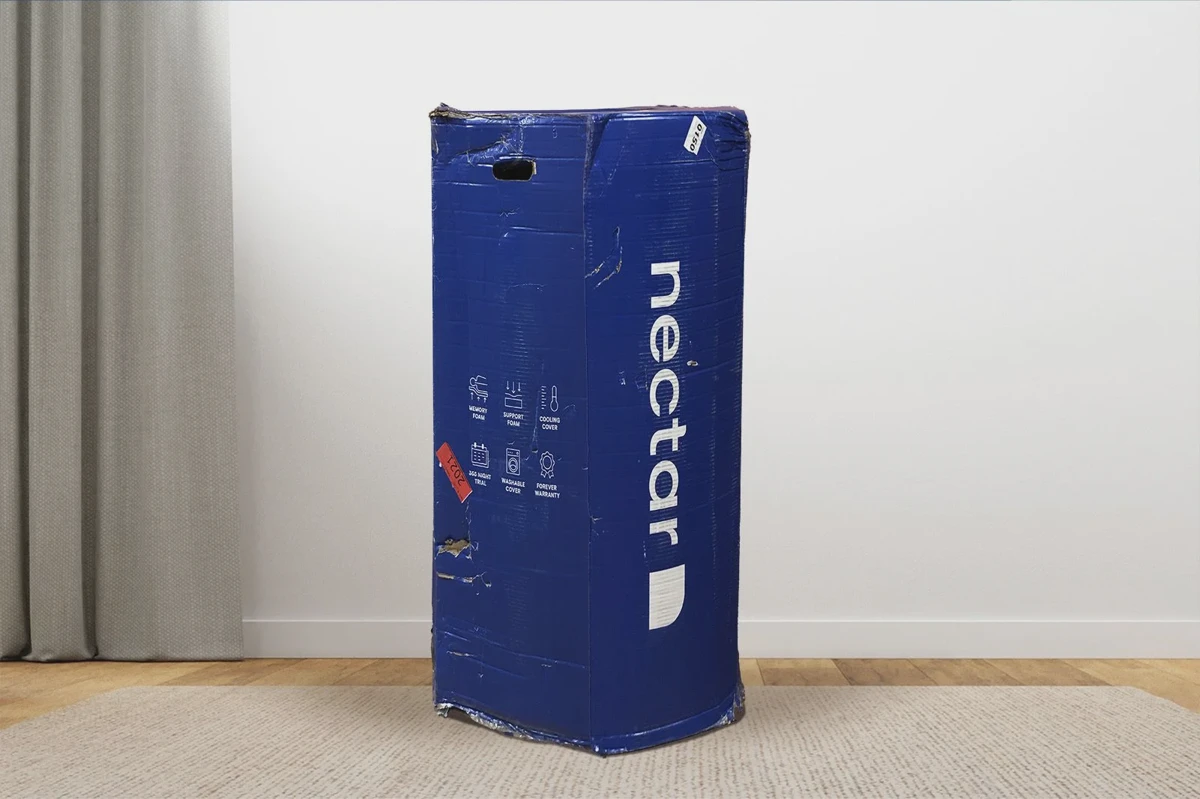
- Lay the boxed mattress on top of the frame, oriented with the labels facing up.
- Slice the outer cardboard with a box cutter. Stay shallow - the inner plastic protects the cover.
- Roll the mattress across the frame so it lies flat from end to end.
- Cut the outer shrink wrap, then the inner vacuum-seal bag. The mattress will start hissing and expanding within seconds.
- Pull the plastic out from underneath, flatten any kinks, and walk away. Resist the urge to flip or fold it.
How to Tell Your Nectar Has Fully Expanded
Three checks we use in the review lab - and that any owner can do with a tape measure and a hand:
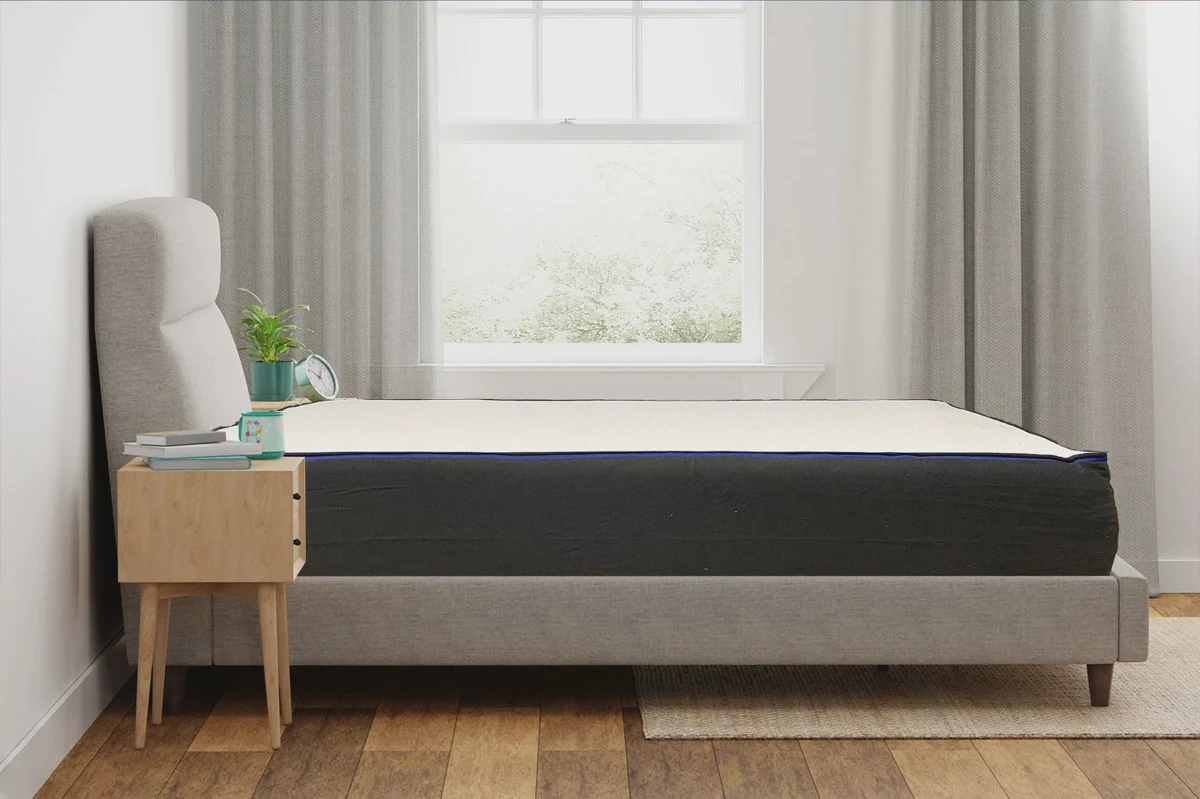
- Height test: Measure from the platform to the top of the mattress. Classic = 12 in; Premier = 13 in; Premier Copper = 14 in. Anything more than ½ inch short = still expanding.
- Corner test: Press each of the four corners. They should feel firm and equally springy. Soft, sunken corners mean the perimeter foam hasn't fully recovered.
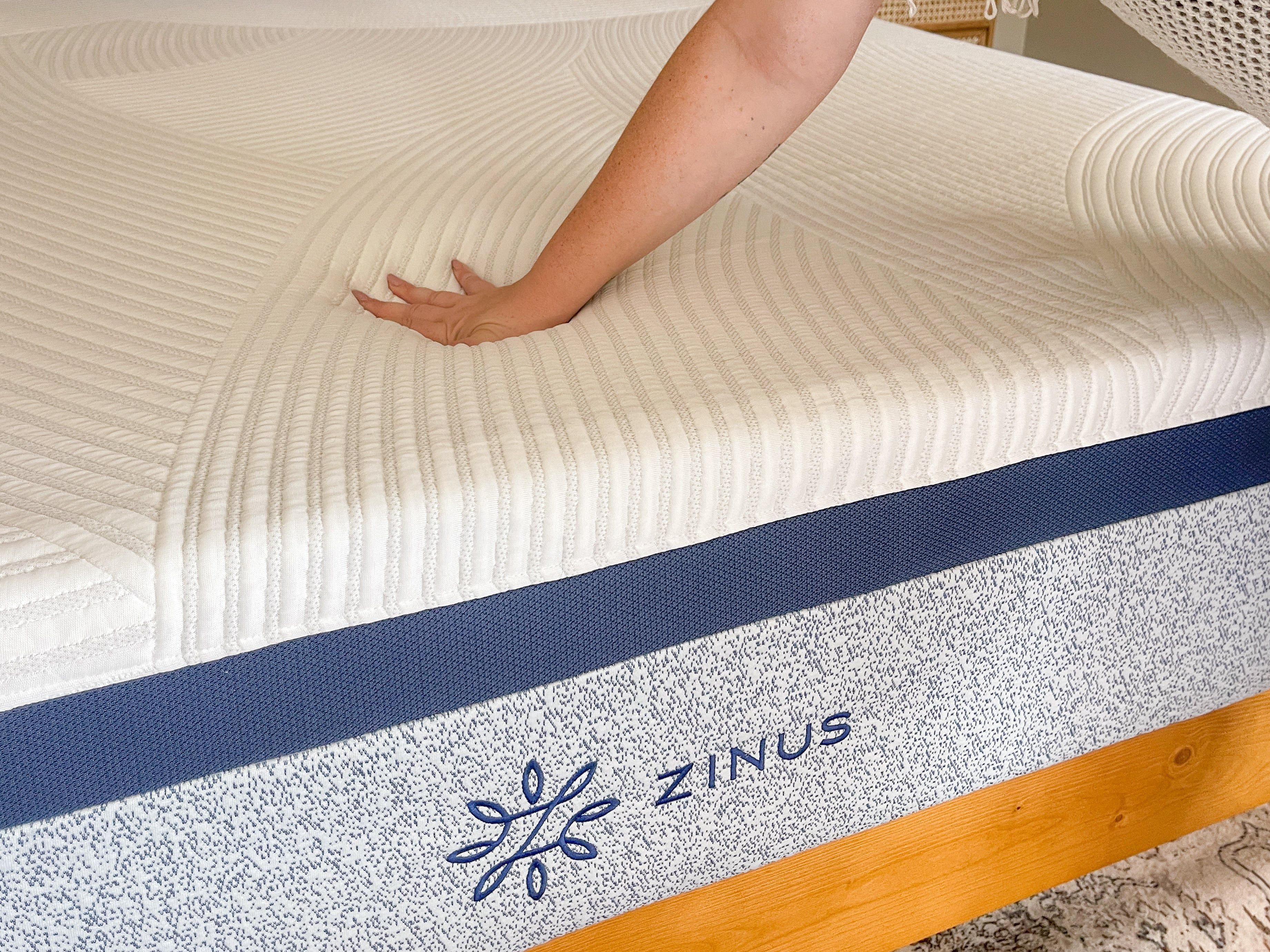
- Hand-print test: Press your palm into the center for 5 seconds, then lift. The print should fade in 8 to 12 seconds. Faster than that = comfort layer still tight; slower = foam still cold.
Can You Sleep on It Right Away?
Yes. Nectar is explicit on this point: sleeping on the mattress before it fully expands will not damage the foam, void your warranty, or affect long-term performance. The only trade-off is comfort - the bed will feel firmer than its final medium-firm setting until the foam fully relaxes.
If you have somewhere else to sleep for a night, take it. The 24-hour mark is when most owners say the bed first feels like a mattress instead of a stiff foam slab.
Troubleshooting: Mattress Not Fully Expanded After 72 Hours
Try these steps in order before contacting Nectar support:
- Warm the room to 72 °F and leave it there overnight. Cold rooms are by far the most common cause of slow expansion.
- Walk gently across the surface for two or three minutes. Body weight helps push trapped air out of stubborn foam cells.
- Strip the bedding and let the bare mattress sit uncovered for a full 24 hours with good airflow.
- Measure each corner with a tape - if one corner is more than 1 inch shorter than the others after 96 hours, that's a manufacturing defect.
- If problems persist, contact Nectar customer service. The 365-night trial and Forever Warranty cover defective expansion.
About That New-Mattress Smell
Nectar's CertiPUR-US certified foam off-gases mildly when you first unbox it. The smell is harmless and dissipates within 24 to 72 hours in a ventilated room. To speed it up: open a window, run a fan, and skip the sheets for the first day. If the odor lingers past a week, contact Nectar - that's outside normal range.
How Long Can a Nectar Stay in the Box Before You Unbox It?
Nectar's official storage guidance: unbox within 60 to 90 days of delivery. Past that window, the foam can develop a permanent compression set that prevents full expansion - and it may void your warranty. If you are renovating or moving in stages, store the unopened box flat, indoors, away from temperature extremes.
Nectar Mattress Expansion FAQ
How long does it take a Nectar mattress to fully expand?
A Nectar mattress takes 24 to 72 hours to fully expand. Most beds reach about 90% of their final shape within the first 6 to 8 hours, with corners and the center fold settling last. King and California King sizes lean toward the 72-hour end.
Can I sleep on my Nectar mattress before it fully expands?
Yes. Nectar explicitly states it is safe to sleep on the mattress immediately after unboxing. It will not damage the foam, void the warranty, or affect long-term performance - the bed will simply feel firmer than its final medium-firm setting until expansion completes.
What if my Nectar isn't fully expanded after 72 hours?
First, warm the room to 68-72 °F and improve airflow. Walk gently across the surface to push out trapped air, then leave the bare mattress uncovered for another 24 hours. If a corner is still more than 1 inch shorter than the others after 96 hours, contact Nectar support - it qualifies as a defect under their Forever Warranty.
Why does my Nectar smell when I first unbox it?
The smell is normal off-gassing from CertiPUR-US certified foam, which is non-toxic. It dissipates within 24 to 72 hours in a ventilated room. Open a window, run a fan, and skip sheets for the first day to speed it up.
How long can a Nectar mattress stay in the box before unboxing?
Nectar recommends unboxing within 60 to 90 days of delivery. Beyond that, prolonged compression risks permanent damage to the foam structure and may void the warranty. Store the unopened box flat, indoors, in a climate-controlled space.
Does room temperature really affect expansion?
Yes - significantly. Memory foam is viscoelastic, meaning its stiffness changes with temperature. A room at 68-72 °F lets the foam expand at the expected rate; below 60 °F, expansion can drag well past 72 hours. Warming the room is the single most effective fix for slow expansion.
Do larger Nectar mattresses take longer to expand?
Slightly. Twin and Queen sizes typically expand in 24 to 48 hours, while King and California King sizes lean toward the 48 to 72 hour range simply because there is more compressed foam volume to recover. Premier and Premier Copper models also take longer due to extra thickness.
Shopping for a Nectar?
Compare Nectar Classic, Premier, and Premier Copper side by side - including current pricing, warranty terms, and which model fits your sleep style.