If you've searched for a "Lucid mattress lawsuit," you've probably seen a tangle of recall notices, fiberglass warnings, and Reddit threads - without a clear timeline of what's actually been filed in court. This guide cuts through that noise.
The headline event isn't a mattress at all: in February 2025, a proposed class action (O'Shea v. CVB, Inc., 1:25-cv-01446, S.D.N.Y.) was filed against Lucid's parent company over the September 2024 recall of roughly 137,000 Lucid platform beds that were prone to sagging, breaking, and collapsing. Below, we walk through that case, separate it from ongoing fiberglass concerns, and explain what to do if you own an affected product.
The 2025 Lucid platform bed class action: O'Shea v. CVB, Inc.
Lucid is a brand owned by CVB, Inc. of Logan, Utah. On February 26, 2025, plaintiff Joseph O'Shea filed a proposed class action complaint in the Southern District of New York alleging that CVB sold platform beds it knew or should have known were defective.
What products are at issue
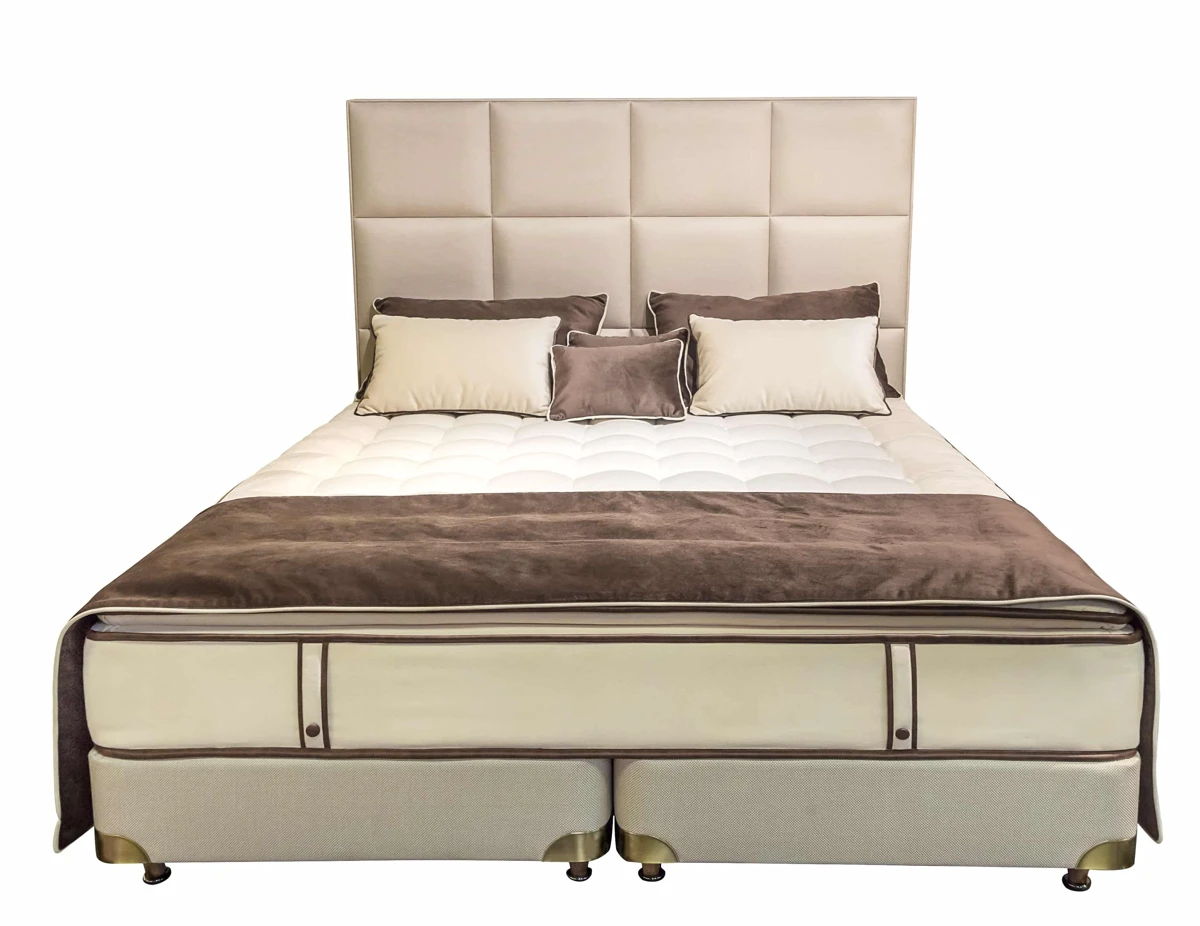
The complaint targets Lucid platform beds with upholstered square tufted headboards sold from September 2019 through April 2024 in twin, full, queen, king, and California king sizes. They were sold through Amazon, Walmart, Wayfair, Home Depot, Target, Macy's, Belk, and Bed Bath & Beyond. Each carried a label on the back of the headboard reading "Made for CVB INC."
What the complaint alleges
- Wooden slats and legs can fail under normal use, causing the bed to sag, break, or collapse.
- CVB received 245 complaints and 18 reported injuries before issuing a recall.
- The recall remedy - a free replacement parts kit that owners must disassemble and reinstall - is alleged to be inadequate, with no refund option offered.
- Plaintiff argues the beds are "entirely worthless" as sold and seeks restitution and injunctive relief on behalf of a nationwide class.
As of this writing, the case is in early pleadings; no class has been certified, and CVB has not been found liable.
The September 2024 CPSC recall: by the numbers
The class action grew directly out of a Consumer Product Safety Commission recall announced on September 19, 2024:
- Roughly 137,000 units in the U.S. (plus several thousand in Canada).
- Sold at retail prices between roughly $200 and $700.
- 245 reports of structural failure; 18 confirmed injuries including bruising, lacerations, and falls.
- Affected colors include beige, black, charcoal, cobalt, pearl, and stone.
If you own one of these beds
- Stop using it immediately and remove any mattress until the bed is inspected.
- Check the label on the back of the headboard for the "Made for CVB INC" stamp and the model number.
- Contact Lucid through cvbinc.com or 1-855-808-8089 to request the free replacement-parts kit.
- Keep your purchase records - they may matter if the class action results in a settlement.
What about Lucid mattresses and fiberglass?
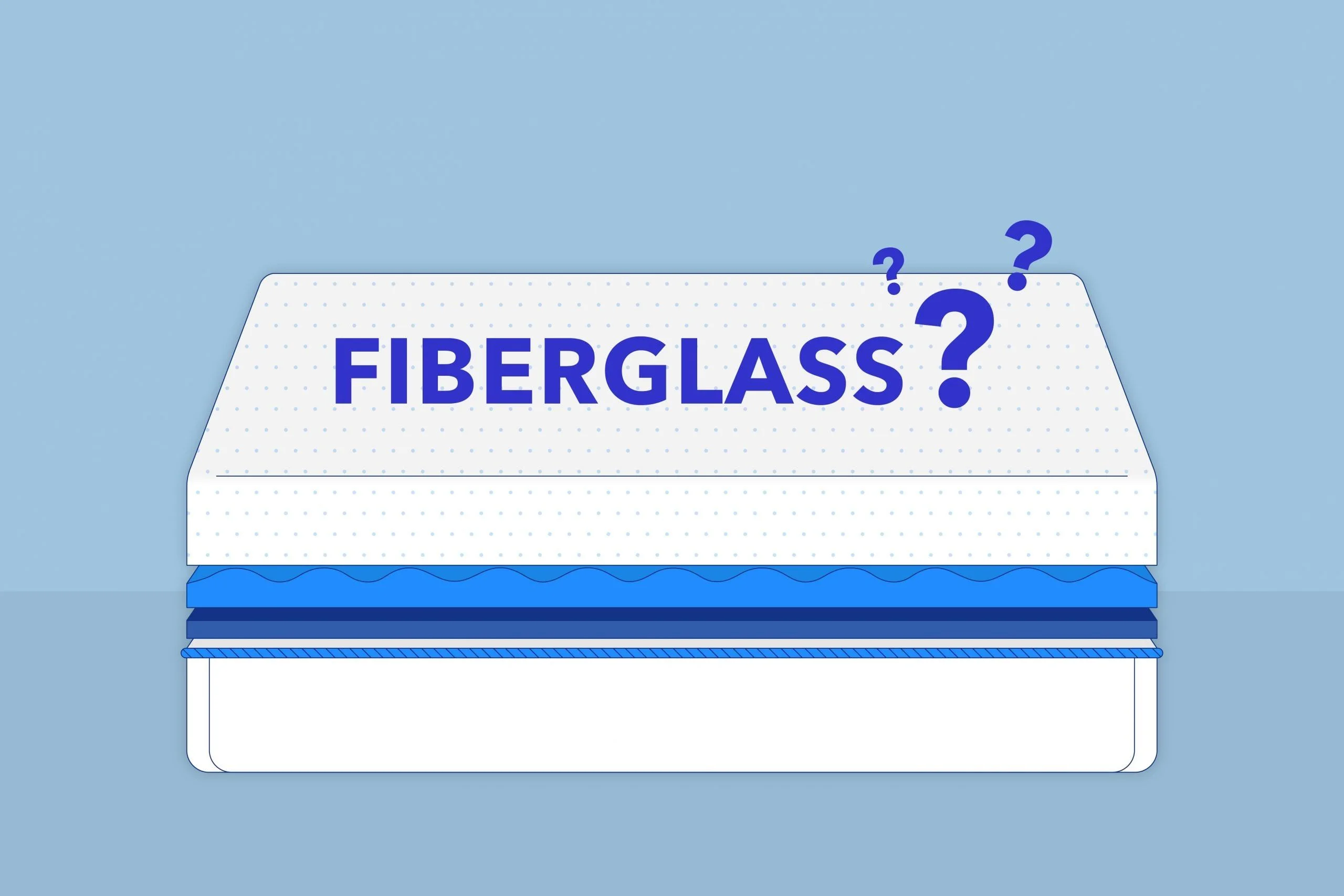
Search results for "Lucid mattress lawsuit" are dominated by fiberglass questions, and for good reason: many Lucid memory foam and hybrid mattresses use a fiberglass fire barrier inside the cover. If the cover is unzipped or torn, the fibers can escape and contaminate a bedroom.
Important distinction: as of early 2026, no certified class action has been filed against Lucid specifically over fiberglass. Most of the high-profile mattress fiberglass litigation has targeted other brands (Zinus has paid out the largest settlement to date). Several law firms are actively investigating Lucid fiberglass claims, but those investigations have not produced a filed complaint.
Which Lucid mattresses contain fiberglass?
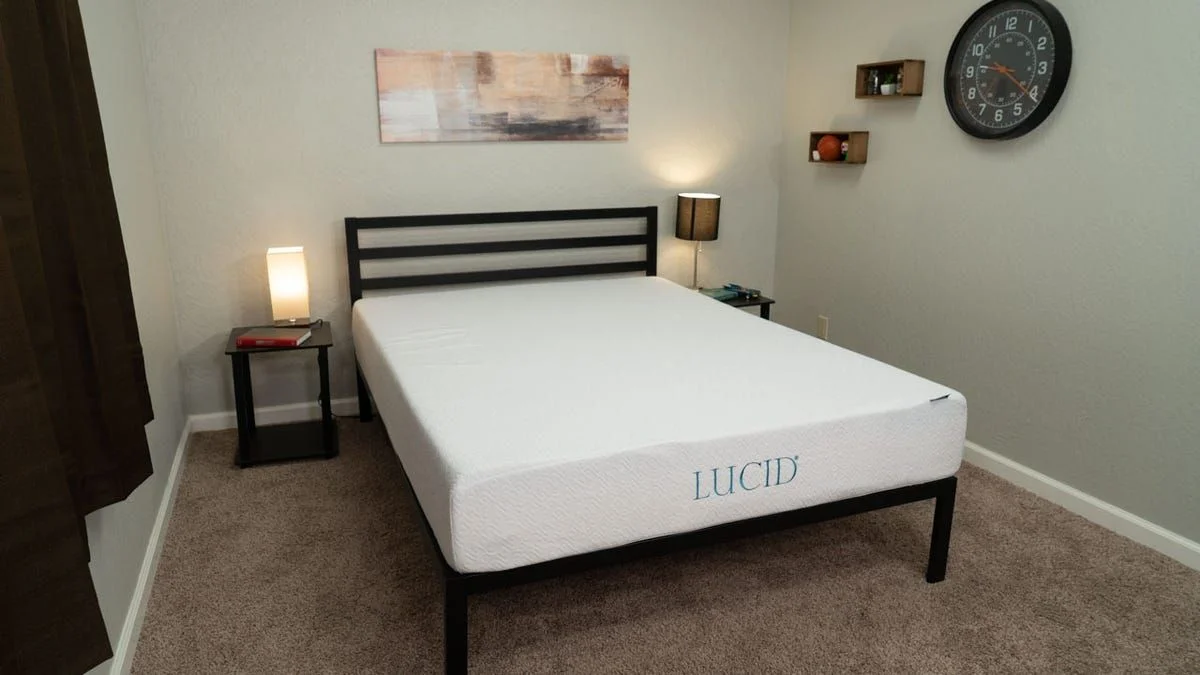
Per Lucid's own law-tag disclosures, fiberglass is used in most of the brand's gel memory foam and hybrid models, including the popular 10-inch and 12-inch gel memory foam mattresses. The 8-inch memory foam mattress is among the few models that omits a vented fiberglass layer. Lucid's official position: the cover is not designed to be removed, and intact mattresses pose no exposure risk.
How to protect yourself
- Never unzip or remove the outer cover of any Lucid mattress.
- Use a zippered, encasement-style mattress protector to add a second containment layer.
- If the cover is already torn, contact Lucid customer service before continuing to use the mattress; document the damage with photos in case of future legal action.
- If you want zero fiberglass risk, look for mattresses with a wool or rayon-based fire barrier - Saatva, Avocado, and several Banner Mattress in-store models qualify.

Earlier Lucid legal history: setting the record straight
You may see older articles claiming Lucid was sued in 2019 by Tuft & Needle for false "Made in USA" advertising. We could not verify that case in PACER or in court reporters; the most-cited 2019 CVB-adjacent litigation was actually a patent dispute against Casper (resolved by settlement) and a CVB lawsuit against a fiberglass insulation supplier - neither was a consumer false-advertising suit. We've removed that claim until a verifiable docket number surfaces.
Other documented enforcement events:
- A 2022 voluntary CPSC recall of the Lucid Folding Mattress Sofa for failing to meet federal flammability standards (no injuries reported).
- Better Business Bureau profile currently rated B with a moderate volume of resolved complaints - primarily about delivery damage and warranty processing rather than safety.
Should you still buy a Lucid mattress?
Lucid's mattresses are some of the cheapest pressure-relieving foam and hybrid options on the market, and millions of them are in service without incident. The platform-bed recall does not extend to mattresses. That said, the fiberglass-containment design is a real consideration if you have small children, pets that scratch fabric, or roommates who might unzip the cover.
Our Banner Mattress recommendation:
- If price is the deciding factor, the Lucid 10-inch gel memory foam mattress is a defensible budget pick - paired with a zippered encasement protector.
- If you want fiberglass-free construction at a similar price, look at Zinus's redesigned post-settlement lineup or Banner's house-brand foam models.
- Avoid pairing any mattress with the recalled Lucid platform beds until you've confirmed the model isn't on the CPSC list.
Bottom line
There is one active lawsuit involving Lucid right now - and it's about a platform bed, not a mattress. Fiberglass remains a legitimate design concern for Lucid's foam and hybrid mattresses, but no class action against Lucid for fiberglass has yet been certified. If you own a recalled platform bed, claim your replacement kit; if you own a Lucid mattress, leave the cover on and consider an encasement protector. We'll update this article as the O'Shea case advances.