Affiliate disclosure: This post may contain links to retailers. Banner Mattress may earn a commission on purchases made through those links, at no extra cost to you. Pricing and availability are accurate as of publication and may change.
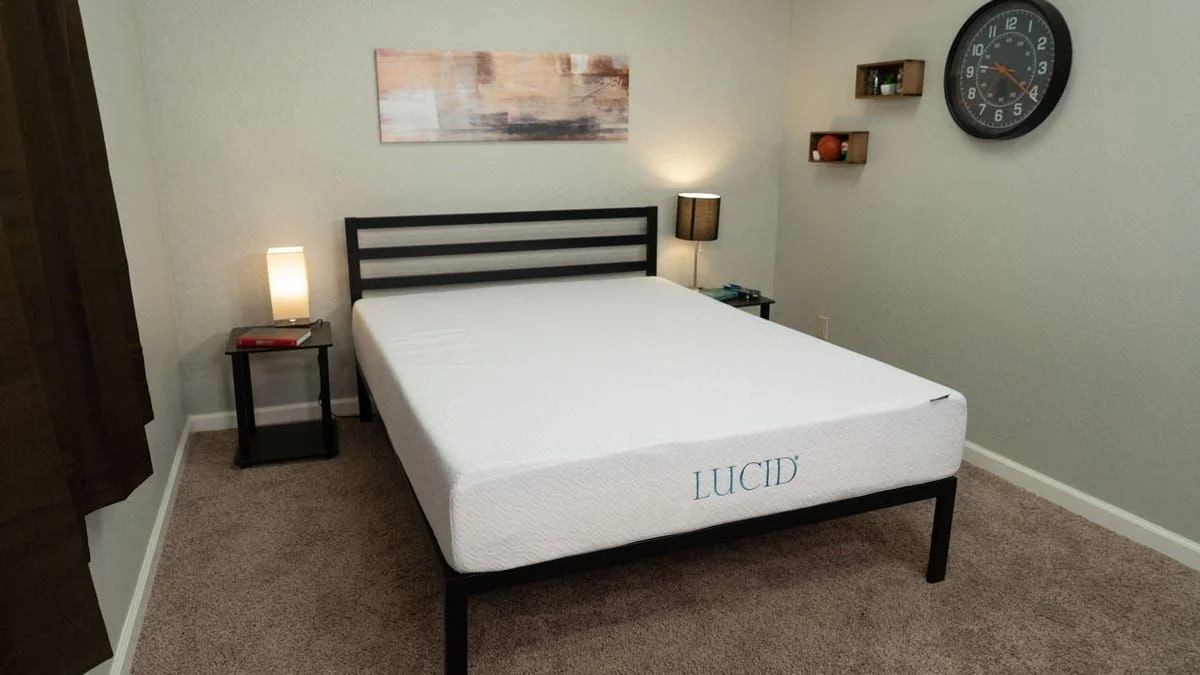
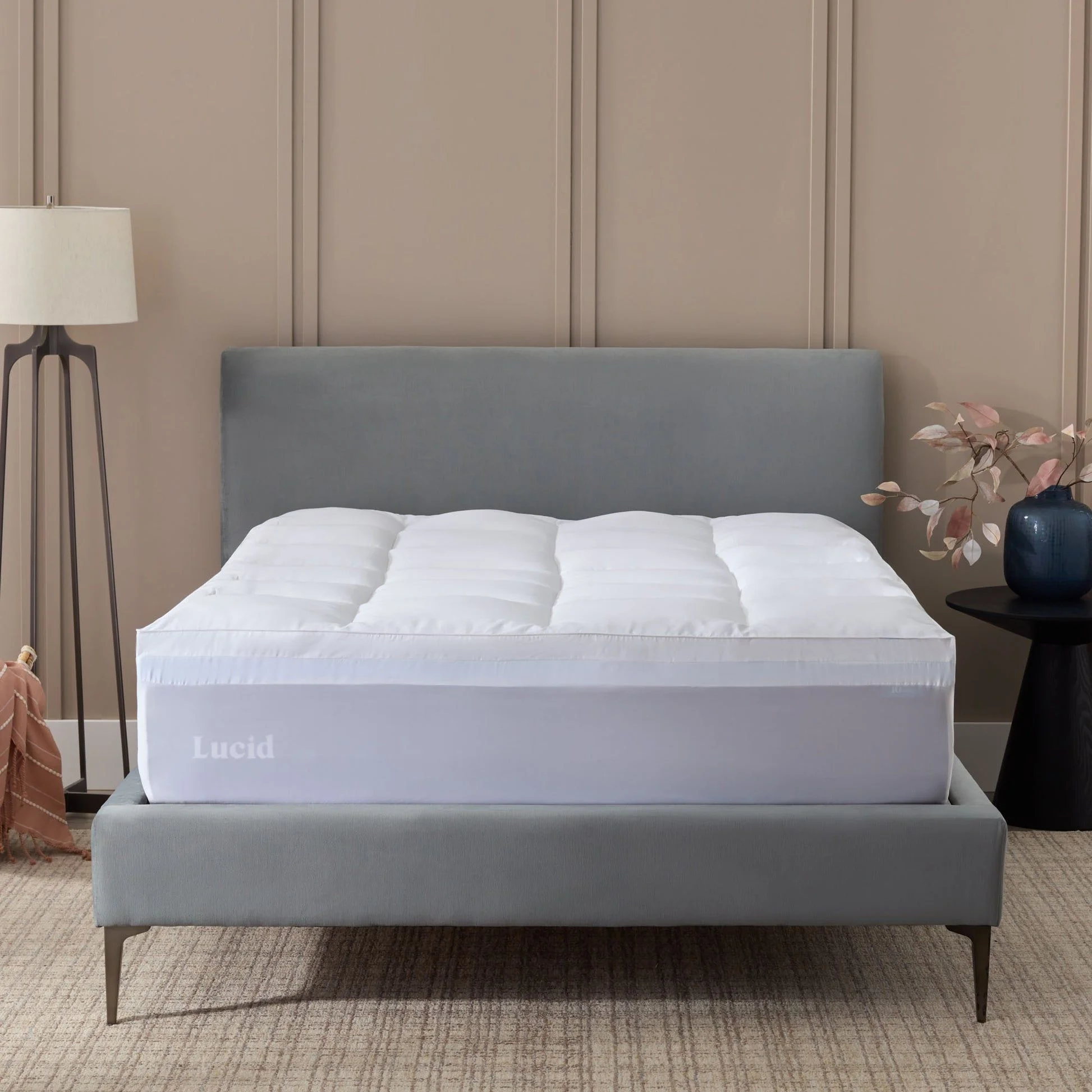
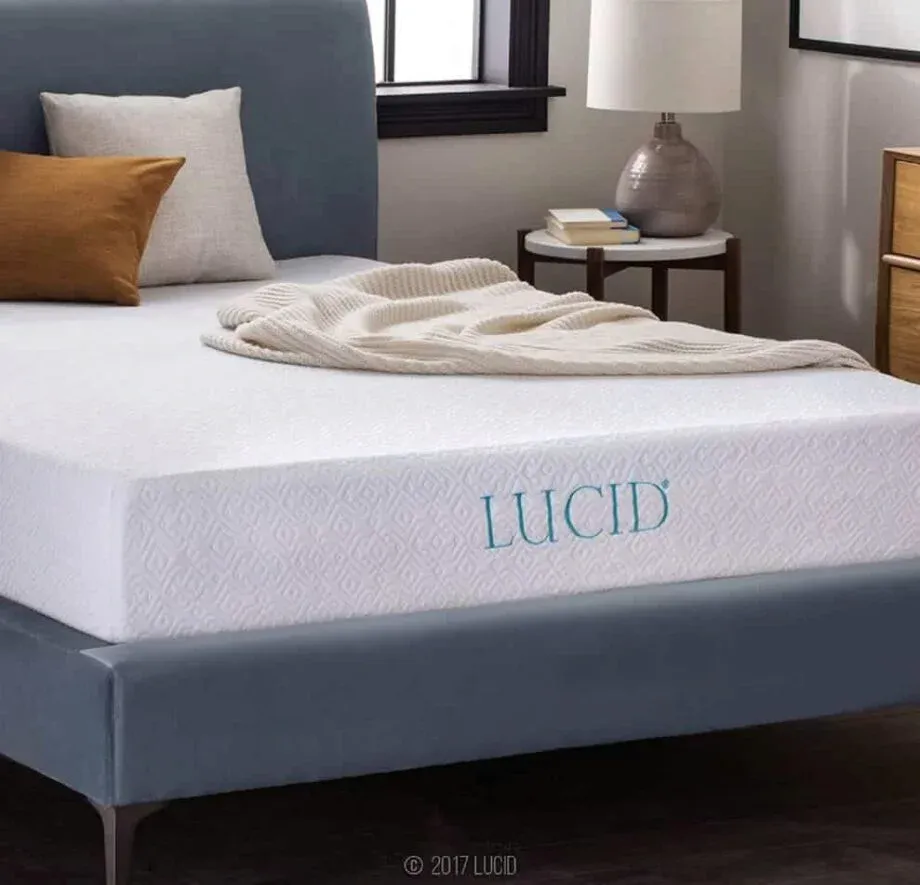
Lucid is a budget memory-foam brand sold mostly through Amazon, Walmart, and Wayfair, and now owned by Malouf Companies. The pitch is simple: a CertiPUR-US certified all-foam mattress for well under $500 in queen. The catch - independent reviewers consistently flag weak durability, mediocre cooling, and a thin sleep-trial policy compared to direct-to-consumer competitors.
This guide pulls together what third-party testers, brand documentation, and customer reports actually say about Lucid in 2026, so you can decide whether the savings are worth the trade-offs.
Lucid mattress at a glance
- Type: All-foam (gel memory foam over transition + bamboo-charcoal support core). Hybrid versions exist with pocket coils.
- Heights: 5", 6", 8", 10", 12", and 14" depending on the model.
- Firmness options: Plush (~3/10), Medium (~5-6/10), and Firm (~8/10) across the range.
- Price (Queen): Roughly $300-$475 for the 10" Gel Memory Foam, with periodic Amazon discounts.
- Sleep trial: 100 nights (US), provided you buy through a participating retailer with that policy attached.
- Warranty: 10-year limited.
- Made in: As of 2025, Lucid mattresses sold in the US are manufactured domestically under Malouf; older units may have been made overseas.
- Certifications: CertiPUR-US foams; some models also OEKO-TEX.
How Lucid actually performs in third-party testing
Independent reviewers who have run instrumented tests on the 10" Gel Memory Foam land in a similar place: budget pricing, decent motion isolation, weak-to-average everywhere else.
- Firmness: Mattress-Reviews.com measured the standard Medium model at 5.5/10 and the medium-firm version closer to 6/10 - broadly consistent with Lucid's listing language.
- Motion isolation: 8.1/10 in third-party testing, a strong result that helps couples and light sleepers.
- Edge support: 6.8/10 - surprisingly serviceable for an all-foam bed, though hybrid competitors and brands with reinforced perimeters still beat it.
- Cooling: 2.7/10 - the gel infusion helps a little, but the foam still traps heat versus mattresses with phase-change covers or coils for airflow.
- Bounce / responsiveness: 2.6/10 - slow, sinking, classic memory-foam feel.
- Overall verdict: NapLab gives the 10" model an overall score of about 7.21, ranking it in the bottom slice of mattresses they have tested - pulled down primarily by durability and heat retention.
The pattern is clear: Lucid's value sits in motion isolation, basic pressure relief, and price. It is not a hot-sleeper or heavy-sleeper bed.
Construction - what's actually inside
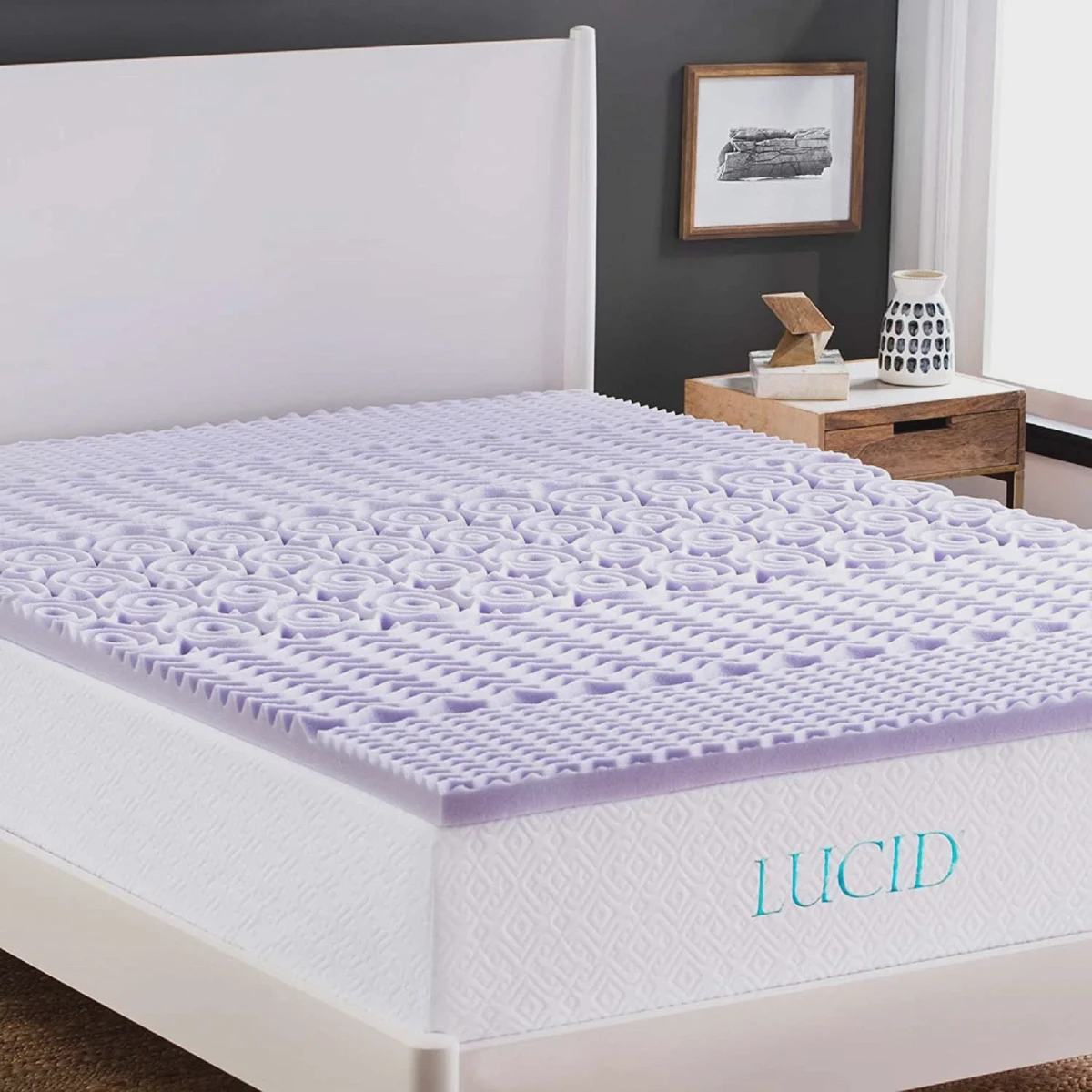
The 10" Gel Memory Foam Queen, the brand's most-reviewed model, is built in three layers under a polyester-rayon blend cover:
- Comfort layer: ~2.5" of ventilated gel-infused memory foam for the initial sink and cooling assist.
- Transition layer: ~1.5" of denser polyfoam to prevent bottoming out into the support core.
- Support core: ~5.5" of bamboo-charcoal-infused high-density polyfoam for structural support and odor control.
The cover zips around the perimeter but is not designed to be removed or washed - spot-clean only. Hybrid Lucid models swap the support core for a pocket-coil layer, which generally improves edge support and airflow at a higher price.
Who Lucid actually fits
Side sleepers
The Plush and Medium versions cushion shoulders and hips for sleepers under about 130 lbs. Heavier side sleepers will sink past the comfort layer and feel the firmer transition foam, so the Medium 12" - or a hybrid with coils - is a safer pick.
Back sleepers
The Medium and Firm options give enough lift to keep the lumbar from collapsing. Skip the Plush version for back support; the midsection sinks too far.
Stomach sleepers
Stomach sleepers generally need a 6/10-or-firmer mattress. The Firm model is the only realistic choice in the Lucid lineup, and even then, hybrid options usually serve stomach sleepers better.
Couples
Strong motion isolation (8.1/10) is a real win here. The trade-off is the soft, slow foam feel - partners who reposition often may feel "stuck."
Hot sleepers
This is the weakest fit. The cooling score of 2.7/10 means the gel and ventilation help a little, but the foam still runs warm. Hot sleepers should look at a hybrid with coils or a phase-change cover instead.
Heavy sleepers (250 lb+)
Lucid's foam construction and modest support layer aren't built for sustained heavy load. Reports of sagging within 18-24 months are common in this group. A reinforced hybrid is a better long-term value.
Pros
- Aggressive pricing - well under $500 for a queen
- Strong motion isolation (8.1/10) - good for couples and light sleepers
- CertiPUR-US certified foams; some models also OEKO-TEX
- Wide range of heights (5"-14") and three firmness options
- Decent edge support for an all-foam mattress (6.8/10)
Cons
- Below-average cooling (2.7/10) - runs warm for hot sleepers
- Reports of noticeable sagging within 18-24 months of daily use
- 100-night trial only applies via select retailers - Amazon purchases are non-refundable once unboxed
- Customer service ratings are weak (BBB ~1.3/5, Trustpilot ~1.9/5)
- Historical fiberglass concerns reported by some owners
The fiberglass question
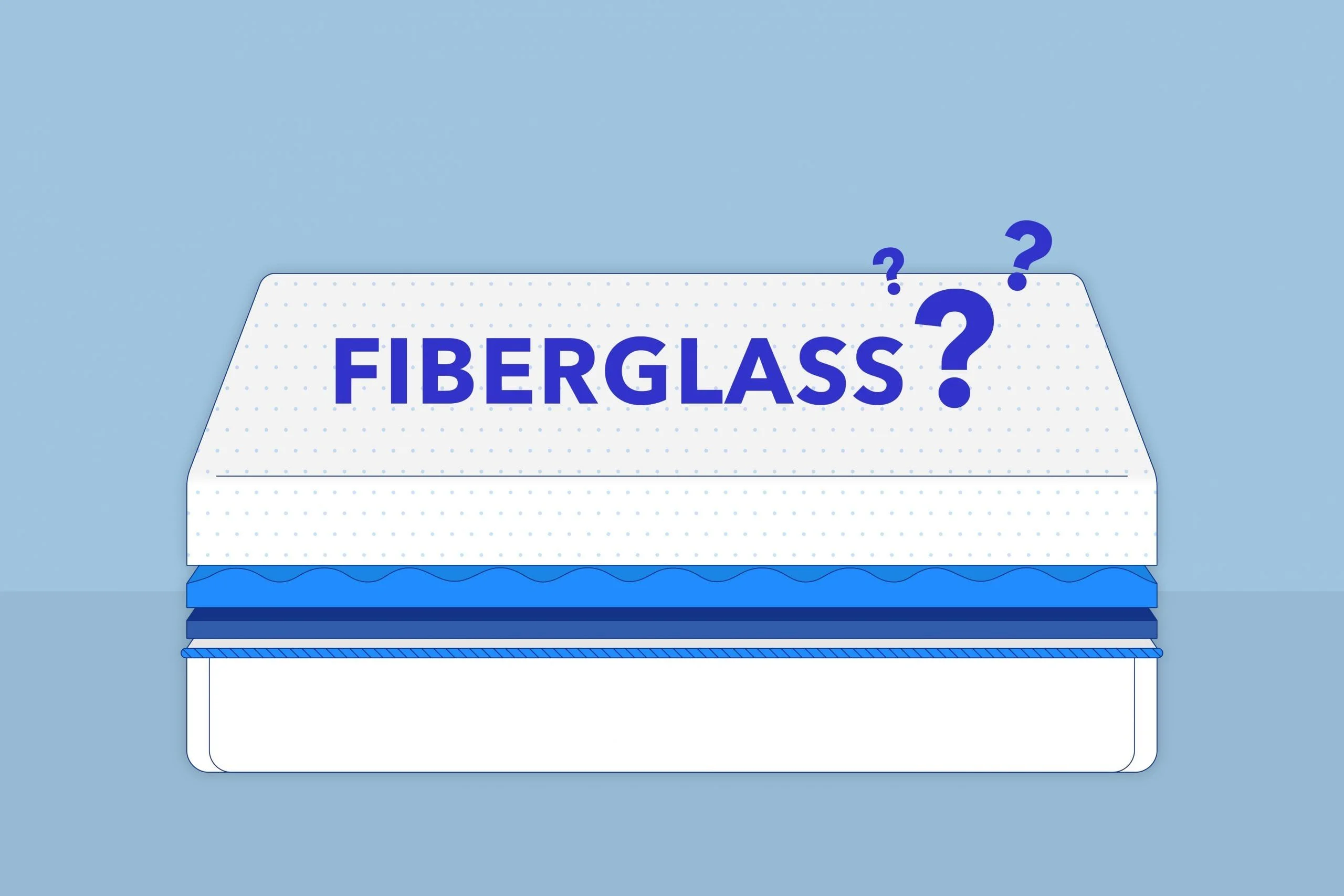
Multiple owner reports - surfaced on Reddit and consumer review sites - have raised concerns about fiberglass fire retardant inside Lucid mattress covers. Recent third-party-tested units do not list fiberglass on the law label, and Malouf's domestic production may have changed materials.
If you own or buy a Lucid, the safe rule applies to almost every modern foam mattress: do not unzip or remove the cover. Doing so can release fire-barrier fibers (fiberglass, glass, or silica) into your home, regardless of brand. Always check the law label before removing any cover.
Lucid vs. the competition
For under $500 on a queen, the closest direct comparisons are other budget bed-in-a-box brands like Zinus, Linenspa (also Malouf-owned), and Nectar's entry tier.
- Zinus - similar price, similar foam construction; slightly better airflow on the green-tea infused models, weaker motion isolation.
- Nectar Memory Foam - about $300-$400 more on a queen, but a 365-night trial, forever warranty, and noticeably better edge and cooling.
- DreamCloud - hybrid construction at roughly twice the price; better for couples, hot sleepers, and heavier sleepers who need real support.
Lucid wins on raw price. It loses almost everywhere else.
Bottom line
Lucid is a defensible buy in three scenarios: a guest room, a kids' room, or a tight-budget primary mattress where 3-5 years of service is acceptable. The motion isolation is genuinely good, the foam is CertiPUR-US certified, and the price routinely undercuts every direct-to-consumer competitor.
For a primary mattress meant to last a decade, hot sleepers, heavier sleepers, or anyone who values a real sleep-trial-and-return policy, the small premium for a Nectar, DreamCloud, or another mid-tier brand is almost always worth it.
Frequently asked questions
Are Lucid mattresses good quality?
Lucid is a budget memory-foam brand. Independent third-party tests put it at about 5.5/10 firmness with strong motion isolation (8.1/10) and good edge support for foam (6.8/10), but cooling and durability score below average. It's a reasonable choice for guest rooms, kids' rooms, or tight-budget primary mattresses, but not a long-term replacement for a mid-tier hybrid.
How long does a Lucid mattress last?
Lucid officially expects a 7-10 year service life with proper care. In practice, owner reports commonly cite noticeable sagging within 18-24 months of daily use, especially for sleepers over 200 lbs. Using a mattress protector and rotating the bed every 3 months helps extend its lifespan.
Do Lucid mattresses contain fiberglass?
Recent third-party-tested Lucid units do not list fiberglass on the law label, but some older owner reports have raised concerns. As a universal rule for any modern foam mattress, do not remove or unzip the cover - doing so can release fire-barrier fibers regardless of brand. Check your law label before any cover handling.
Where are Lucid mattresses made?
As of 2025, Lucid mattresses sold in the US are manufactured domestically under parent company Malouf, based in Logan, Utah. Older units may have been made overseas (Spain or China for some components).
Can you return a Lucid mattress?
It depends on where you buy it. Lucid advertises a 100-night sleep trial through participating retailers, but mattresses bought through Amazon are typically non-refundable once unboxed. Always confirm the return and trial policy on the specific listing before purchase.
Is Lucid better than Zinus or Nectar?
Lucid and Zinus are roughly comparable budget options - Lucid has stronger motion isolation, Zinus tends to have slightly better airflow on green-tea infused models. Nectar is a step up in price ($300-$400 more for a queen) but adds a 365-night trial, forever warranty, and better cooling and edge support.