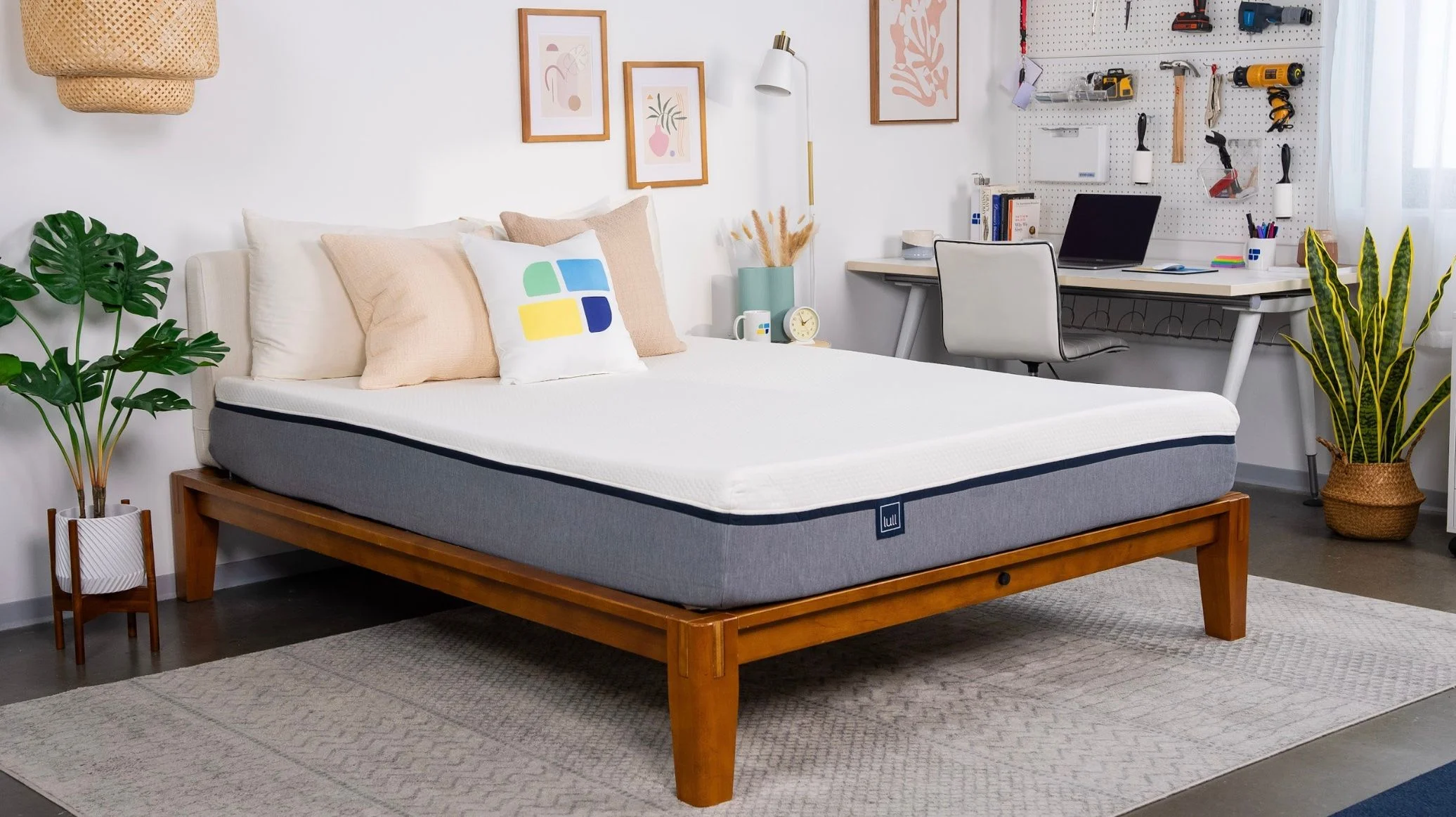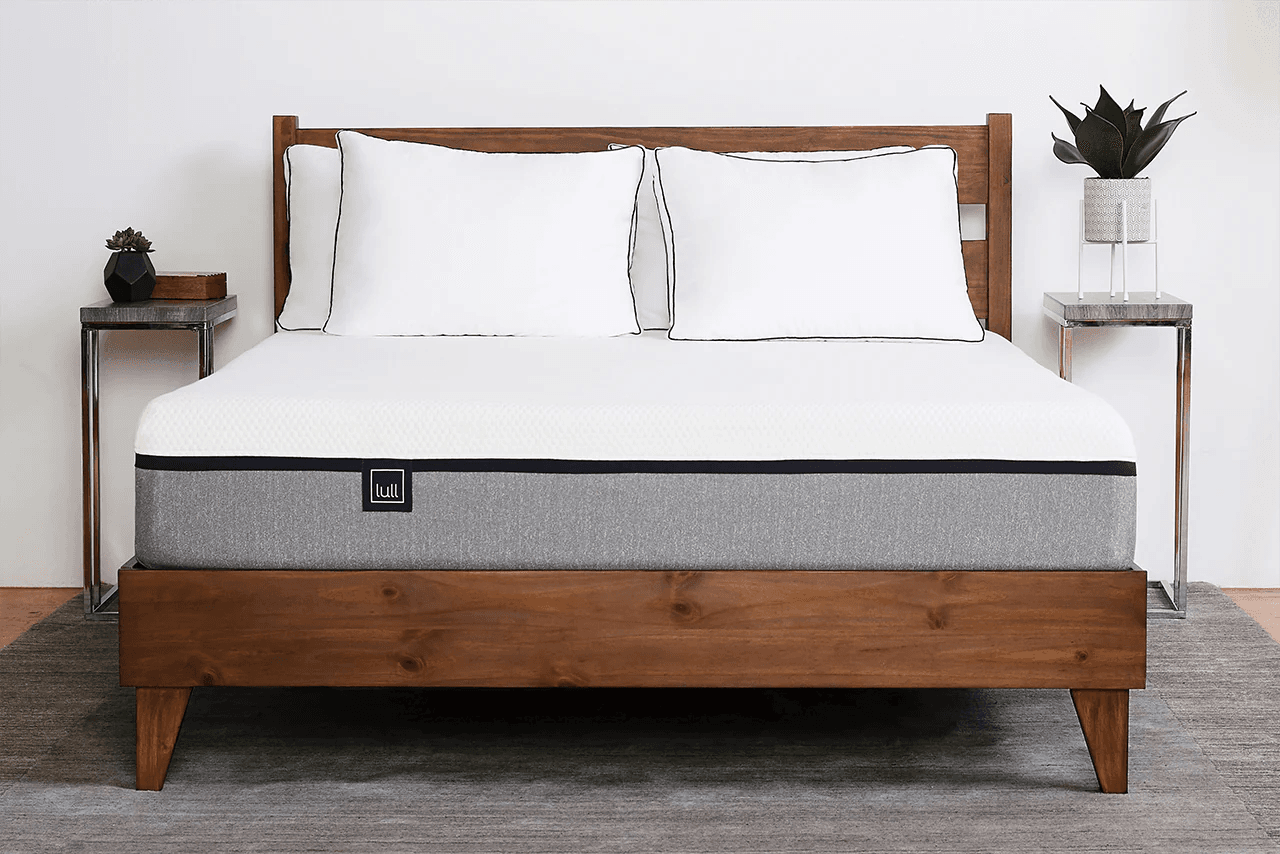
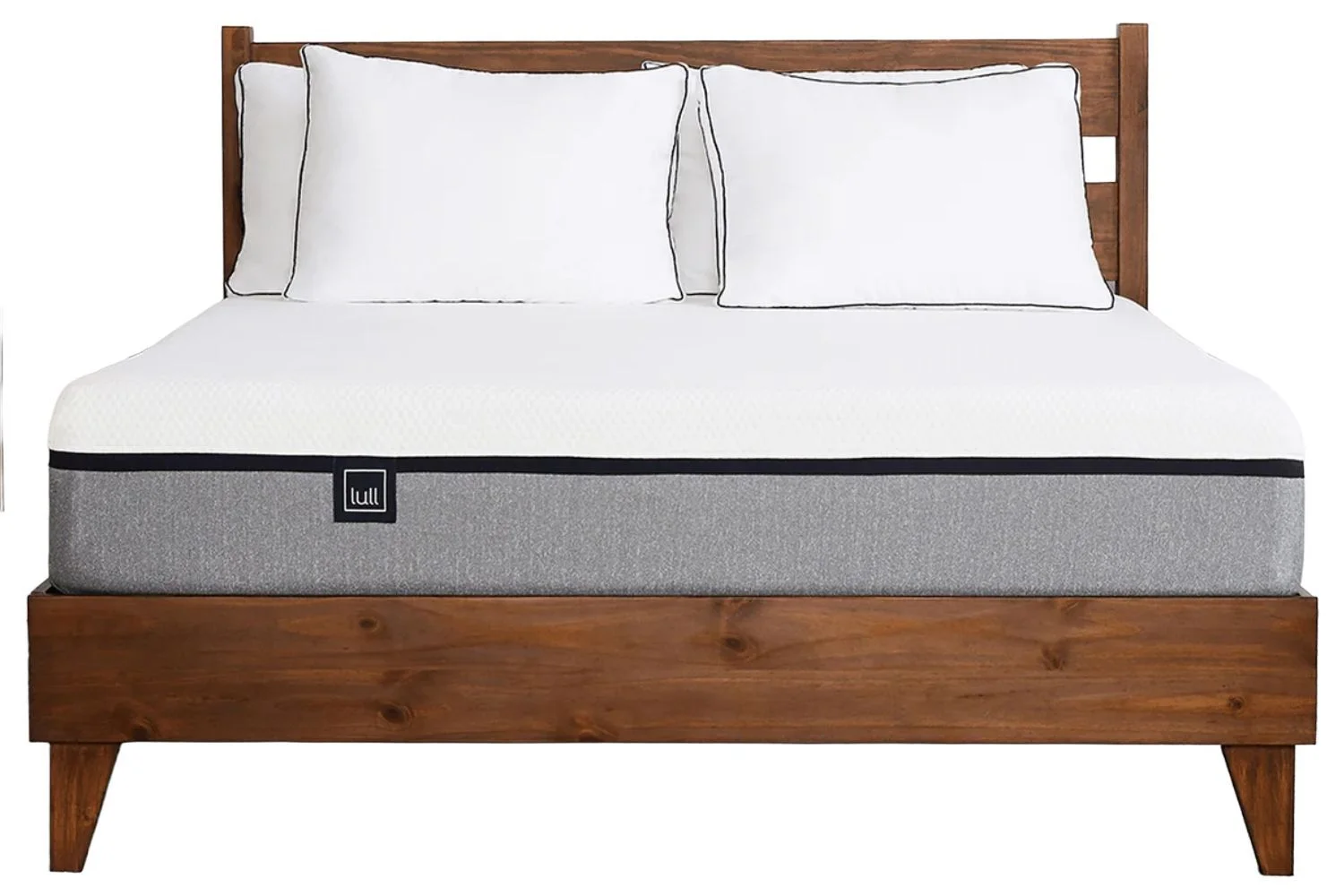
Short answer: Lull mattresses sold in 2026 do not contain fiberglass. The brand quietly switched its fire-barrier layer to a polyester-and-rayon blend roughly between 2022 and 2023. Older units bought before that window - particularly the original 3-layer memory foam models - almost certainly do contain glass fibers, and the safety advice for those is very different from what applies to a new Lull off the truck today.
Below is what's actually inside a current Lull, what to do if you own an older one, and how to verify the build before you buy a used or open-box Lull mattress.
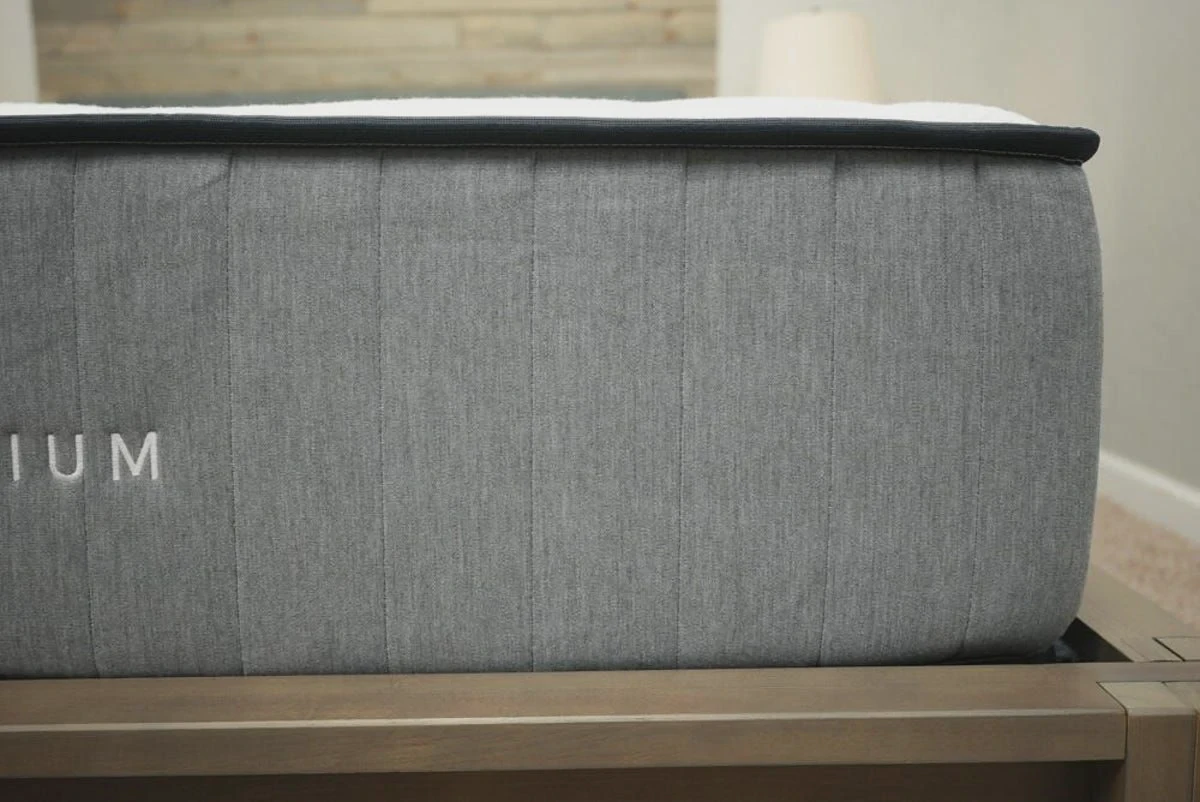
Why mattresses use fiberglass in the first place
U.S. federal flammability standard 16 CFR Part 1633 requires every mattress sold in the country to resist open-flame ignition for 30 minutes. Manufacturers can meet that rule with chemical flame retardants, naturally fire-resistant fibers (wool, rayon, silica-treated cotton), or - most cheaply - a knit sock of woven fiberglass placed just under the cover. When the cover catches, the glass fibers melt into a char layer that smothers the flame.
Fiberglass works. The problem is what happens when the cover comes off. The glass fibers are short, brittle, and become airborne the moment the sock is disturbed, embedding in skin, lungs, carpet, HVAC ducts, and clothing. Households that have stripped a fiberglass mattress cover routinely report rashes, respiratory irritation, and four- and five-figure cleanup bills.
What current Lull mattresses are actually made of
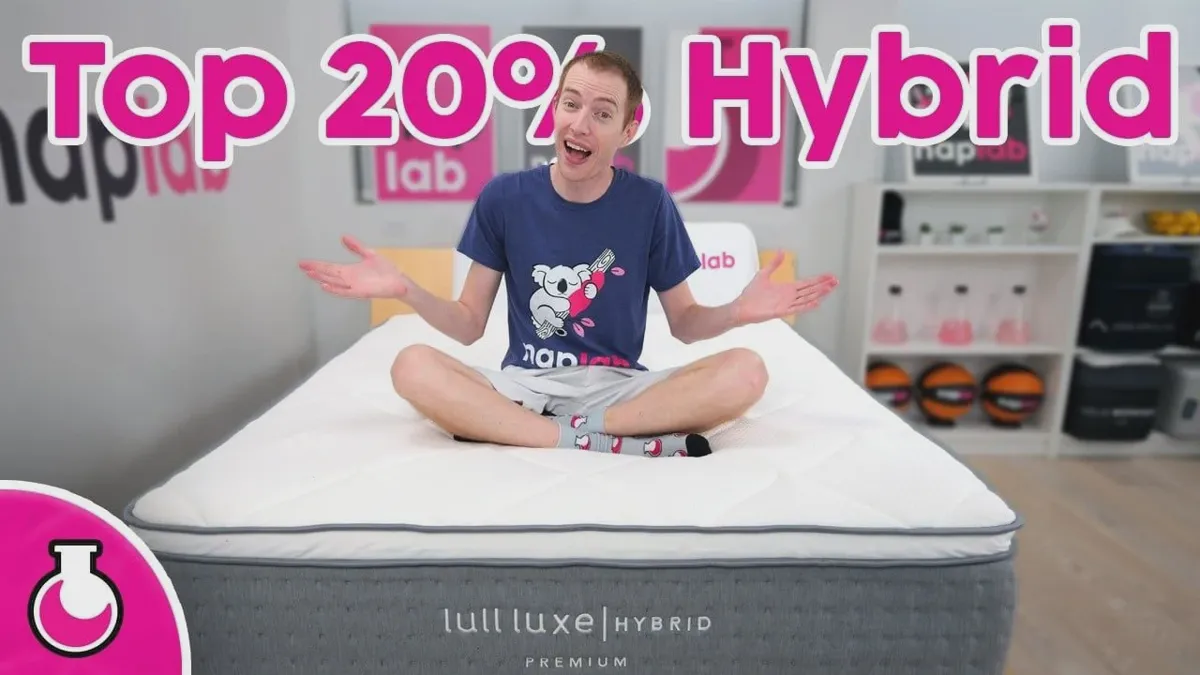
Lull's current lineup ships with an inherently fire-resistant cover blend - roughly 90% polyester and 10% rayon, with a laminated fire-retardant backing. Independent teardowns (NapLab, EachNight) and Lull's own customer-service responses since 2024 confirm no glass fibers in the construction of any model produced today:
- Lull Original - 10" all-foam, three layers of CertiPUR-US foam, fiberglass-free.
- Lull Original Premium - 12" all-foam with an added gel-infused comfort layer, fiberglass-free.
- Lull Luxe Hybrid - coils plus foam, fiberglass-free.
- Lull Luxe Premium Hybrid - top-tier hybrid, fiberglass-free.
All foams are CertiPUR-US certified (no PBDEs, formaldehyde, mercury, lead, or heavy metals), and the trial period and warranty have been extended to 365 nights and 10 years respectively.
Older Lull mattresses: yes, they contained fiberglass
Until roughly 2022, Lull openly disclosed that its fire barrier contained glass fibers - the layer sat directly under the knit cover, above the top foam layer. Reddit threads from 2023 and 2024 are full of owners who removed their cover to wash it and ended up replacing carpet, clothing, and in a few cases, the mattress itself.
If your Lull was purchased before 2023, assume it contains fiberglass and follow these rules:
- Do not unzip or remove the cover. The label is explicit on this and so is every safety advisory.
- Do not machine-wash the cover - even if the zipper makes it look removable.
- Use a zippered, waterproof mattress protector over the entire mattress to contain any fibers that may have already worked their way to the surface.
- Spot-clean stains with a damp cloth and mild detergent rather than removing fabric.
- Within the trial window? Lull's 365-night return applies retroactively to that purchase - request a refund rather than risk exposure.
How to verify a Lull (or any mattress) is fiberglass-free before you buy
- Read the law tag. Federal regulation requires every mattress sold in the U.S. to disclose all materials by percentage on the white tag. "Glass fiber," "fiberglass," or sometimes "silica" listed in the cover or fire sock means yes - fiberglass.
- Check for a non-removable cover. Most fiberglass-free brands now sew the cover shut or print explicit "do not remove" warnings; Lull's current models do both.
- Ask the manufacturer in writing. A simple email to Lull customer support asking "Does this specific model and lot contain glass fibers?" creates a paper trail you can use if the answer turns out to be wrong.
- Avoid "silica" as a synonym. Some retailers swapped the word "fiberglass" for "silica" without changing the material. Powdered silica is not fiberglass; woven silica fabric typically is.
Lull vs. other budget bed-in-a-box brands on fiberglass
Lull's transition lines up with where the rest of the budget category is headed:
- Nectar - current models are advertised fiberglass-free, but several pre-2023 units used a glass-fiber sock; the same buy-old-at-your-own-risk rule applies.
- Zinus - has been the subject of multiple class-action suits over fiberglass migration; current production has reportedly switched, but the brand's safety reputation is the worst of the bunch.
- Leesa, Casper, Tuft & Needle, Purple, Saatva - long-standing fiberglass-free fire barriers (typically wool or rayon).
Bottom line
If you're shopping for a Lull mattress new today, fiberglass is no longer the deciding question - the firmness, foam density, and trial-period economics are. If you own a Lull from 2022 or earlier, leave the cover on, use a protector, and make a return-window decision based on age rather than feel. And whichever brand you end up with: read the law tag, and never unzip a fire-barrier cover, even one that opens.