Olee Sleep is a budget mattress-in-a-box brand whose 10-13 inch foam and hybrid models routinely sell on Amazon and Walmart for under $400. The lineup leans on gel-infused memory foam, CertiPUR-US certified comfort layers, and (on the Galaxy/Support Cloud) pocketed coils for extra lift and airflow. The short answer: Olee is a reasonable pick for guest rooms, kids' beds, and budget-conscious shoppers who want medium-firm foam under $400 - but it is not a long-haul "forever" mattress, and edge support and durability are real trade-offs.
This review covers the four models most readers ask about - the Aquarius 10" gel memory foam, the Galaxy 13" hybrid, the Support Cloud 10" hybrid, and the Pegasus 12" Euro Box Top - plus how Olee compares to other budget-box rivals, who it actually fits, and the durability complaints surfacing in Reddit owner threads.
What Olee Sleep mattresses actually are
All Olee Sleep mattresses ship compressed in a box and arrive within 1-2 days from Amazon or Walmart. Foams are CertiPUR-US certified, which limits formaldehyde, ozone-depleters, and heavy metals in the comfort layer. The brand is owned by Olee Sleep Inc. and the products are made in China, which is consistent with the price band - most $200-$500 boxed mattresses on Amazon are imported from the same OEM cluster.
Construction across the lineup follows the same template:
- Cover: Stretch-knit jacquard, lightly cooling
- Comfort layer: Gel-infused memory foam (1-3") for contouring and surface heat dissipation
- Transition foam: High-density polyfoam to blunt the "stuck" feel of pure memory foam
- Support core: Either high-density polyfoam (Aquarius, Pegasus) or pocketed coils (Galaxy, Support Cloud) for spinal alignment and edge response
Total height ranges from 10" (Aquarius, Support Cloud) to 13" (Galaxy). Firmness across the line sits in the medium to medium-firm zone (about 5.5-7 on a 10-point scale).
Olee Sleep model lineup at a glance
The most common reader confusion is treating "Olee mattress" as one bed. There are four current models, and they feel meaningfully different.
1. Olee Sleep Aquarius 10" Gel Memory Foam - best for budget guest rooms
The Aquarius is the model the original Banner review covered, and it is the cheapest entry in the lineup. The build is three foam layers: a 1" gel-infused memory foam comfort layer, a 2" airflow foam transition, and a 7" high-density polyfoam base. It feels medium (around 5.5/10), with a pronounced contouring sink that pure-foam fans will recognize.
Where the Aquarius wins: motion isolation. Memory-foam mattresses typically score very well here because the slow pressure response absorbs partner movement, and the Aquarius is no exception - readers who share the bed with a restless sleeper or a pet usually rate this lens 9/10 or higher.
Where it loses: edge support, off-gassing window, and long-term durability. A pure-foam build at this price almost always shows visible body impressions inside 2-3 years of nightly use, which lines up with sagging complaints in Reddit owner threads. Plan on a sturdy slatted or solid platform under the bed (gaps over 3" will accelerate sagging).
Sizes and prices (current Amazon list, subject to change):
- Twin - 39" × 75" - about $185
- Full - 54" × 75" - about $222
- Queen - 60" × 80" - about $279
- King - 76" × 80" - about $379
Pricing puts the Aquarius below most direct-to-consumer foam beds (Nectar, Zinus 12" Green Tea, Bear Original) and roughly even with Linenspa and Lucid foam beds.
Aquarius 10" pros
- Excellent motion isolation - partner-friendly
- Very contouring pressure relief for 130-230 lb sleepers
- Cheapest queen in the Olee lineup (~$280)
- CertiPUR-US certified foams limit off-gassing chemistry
Aquarius 10" cons
- Weak edge support - sitting collapses the perimeter
- Body impressions and sagging within 1-3 years of nightly use
- Cooling tops out at average - not for genuinely hot sleepers
- Too soft for sleepers over 230 lbs
2. Olee Sleep Galaxy 13" Hybrid - best for back sleepers who want lift
The Galaxy is the firmest, tallest, and most-supported model in the lineup. Consumer Reports tested the queen at $560 and clocked it at 13" total height with 82.6 lb shipping weight - high enough to indicate a real coil unit rather than a thin token spring. The build pairs gel memory foam over individually-pocketed coils with a foam-encased perimeter for edge support.
Per Consumer Reports, the Galaxy "resists bounciness" and "eases movement" - a polite way of saying it is firmer and less buoyant than its hybrid price point suggests. Side sleepers under 130 lbs often find it too firm; back and stomach sleepers in the average-weight band (130-230 lbs) are the better fit.
Compared to the Aquarius, the Galaxy is the model to choose if you want sharper edge support, more "on top" feel, and more longevity from a coil base. The trade-off is a higher price (about $400-$600 in queen) and a firmer surface than the foam models.
Galaxy 13" Hybrid pros
- Pocketed coils give real lift and edge support
- Tested by Consumer Reports - public testing data available
- Better cooling than the all-foam models thanks to coil airflow
- 13" total height suits taller frames and adjustable bases
Galaxy 13" Hybrid cons
- Firmer than its hybrid price point implies - too firm for petite side sleepers
- Higher list price (~$400-$600 queen) than the foam models
- CR notes "resists bounciness" - limited responsiveness for combo sleepers
3. Olee Sleep Support Cloud 10" Hybrid - best balance for couples on a budget
The Support Cloud is Olee's quieter middle entry: a 10" hybrid with gel memory foam over pocketed coils. It hits the medium-firm zone (about 6.5/10) with better edge support than the Aquarius and a cooler surface than the all-foam models, thanks to airflow through the coil layer.
For couples who don't want to pay $1,000+ for a Helix Midnight or DreamCloud Hybrid, the Support Cloud is the most defensible Olee pick: it gets the motion isolation of memory foam on top, the lift and airflow of coils underneath, and avoids the deep contouring sink that drives some sleepers (especially heavier partners) crazy.
4. Olee Sleep Pegasus 12" Euro Box Top - best for plush feel under $500
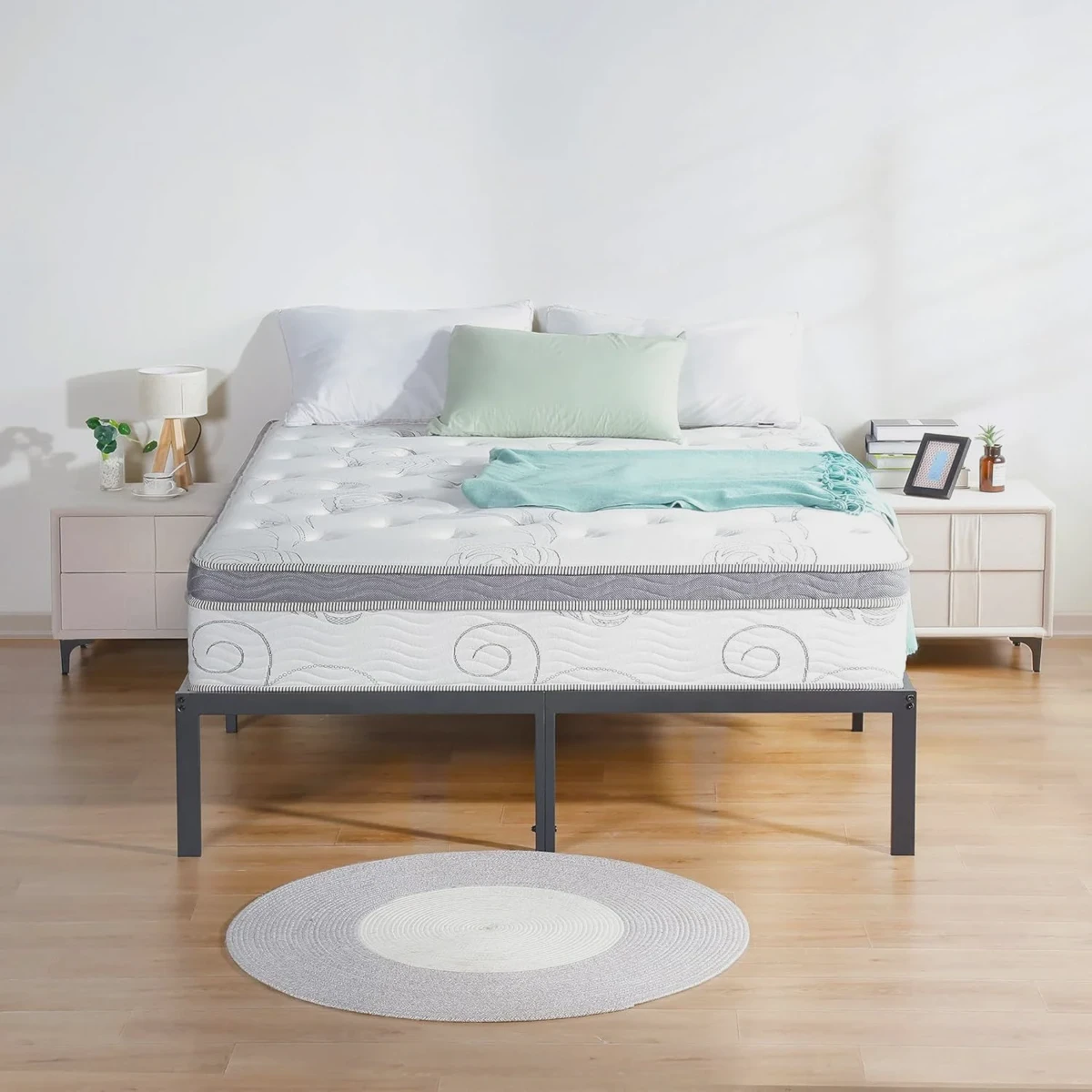
The Pegasus is the cushiest model in the lineup, with a Euro-style pillow top that adds visible loft on top of the comfort foams. It feels closer to a hotel-style plush mattress than the rest of the line, and side sleepers who want the foam-conforming feel without the deep "quicksand" sink of a pure memory-foam bed tend to land here.
Notably, the Pegasus is NOT a hybrid in most listings - the support core is high-density polyfoam, not coils. That keeps the price under $500 in queen, but the same edge-support and long-term-durability caveats from the Aquarius apply. Pair it with a slatted platform (gaps under 3") to extend its life.
Who Olee Sleep is - and isn't - for
Olee Sleep is a defensible buy when you need a second-bedroom or guest mattress that will be slept on a few nights a year, you're outfitting a kid's room, dorm, or college rental and need a 5-7 year lifespan (not 15), you want a foam mattress under $300 in queen and you're realistic about the trade-offs, or you want medium-firm support without the marketing premium of a Tuft & Needle or Casper.
Olee Sleep is the wrong call when you weigh over 230 pounds and want a long-haul main bed (the Aquarius and Pegasus will sag faster; a Saatva HD, WinkBed Plus, or Helix Plus will hold up much longer); when you sleep hot every night (gel infusion only goes so far, and the open-cell foams here can't match coil-heavy hybrids like Helix Midnight Luxe or the Casper Snow); when you're a couple where one partner needs strong edge support (only the Galaxy and Support Cloud have a meaningful perimeter); or when you're a stomach sleeper over 200 lbs (the firmest Olee, the Galaxy, is firmer than its peers but the comfort layer still hammocks under heavier hips).
Comfort, cooling, and edge support - by lens
Pressure relief (8-9/10). All four models contour well in the shoulder/hip zone for sleepers in the 130-230 lb band. This is where memory foam earns its keep, and Olee's gel-infused top layer matches the feel of beds at twice the price.
Motion isolation (9/10 for foam, 7/10 for hybrids). Pure foam beds (Aquarius, Pegasus) are excellent here. The hybrid models trade some isolation for the lift and bounce of coils.
Cooling (5-6/10). Adequate for average sleepers, weak for genuinely hot sleepers. Gel infusion is a surface treatment, not a heat exhaust system. If overheating wakes you up at night, look at coil-heavy hybrids or breathable latex instead.
Edge support (4/10 foam, 6/10 hybrid). The Aquarius and Pegasus collapse noticeably when you sit on the edge, which compresses usable surface area on a queen. The Galaxy and Support Cloud add a foam-encased perimeter that fixes most of this.
Durability (5-6/10). Real owner reports of sagging within 12-24 months are credible - Olee uses lower-density foams than premium boxed mattresses. The 10-year warranty exists but excludes "normal wear" body impressions under 1.5", which is the failure mode most sleepers actually see.
Trial period, warranty, and shipping
- Trial: 100-night sleep trial via the brand's direct channel; Amazon's standard 30-day return window applies on Amazon-fulfilled orders
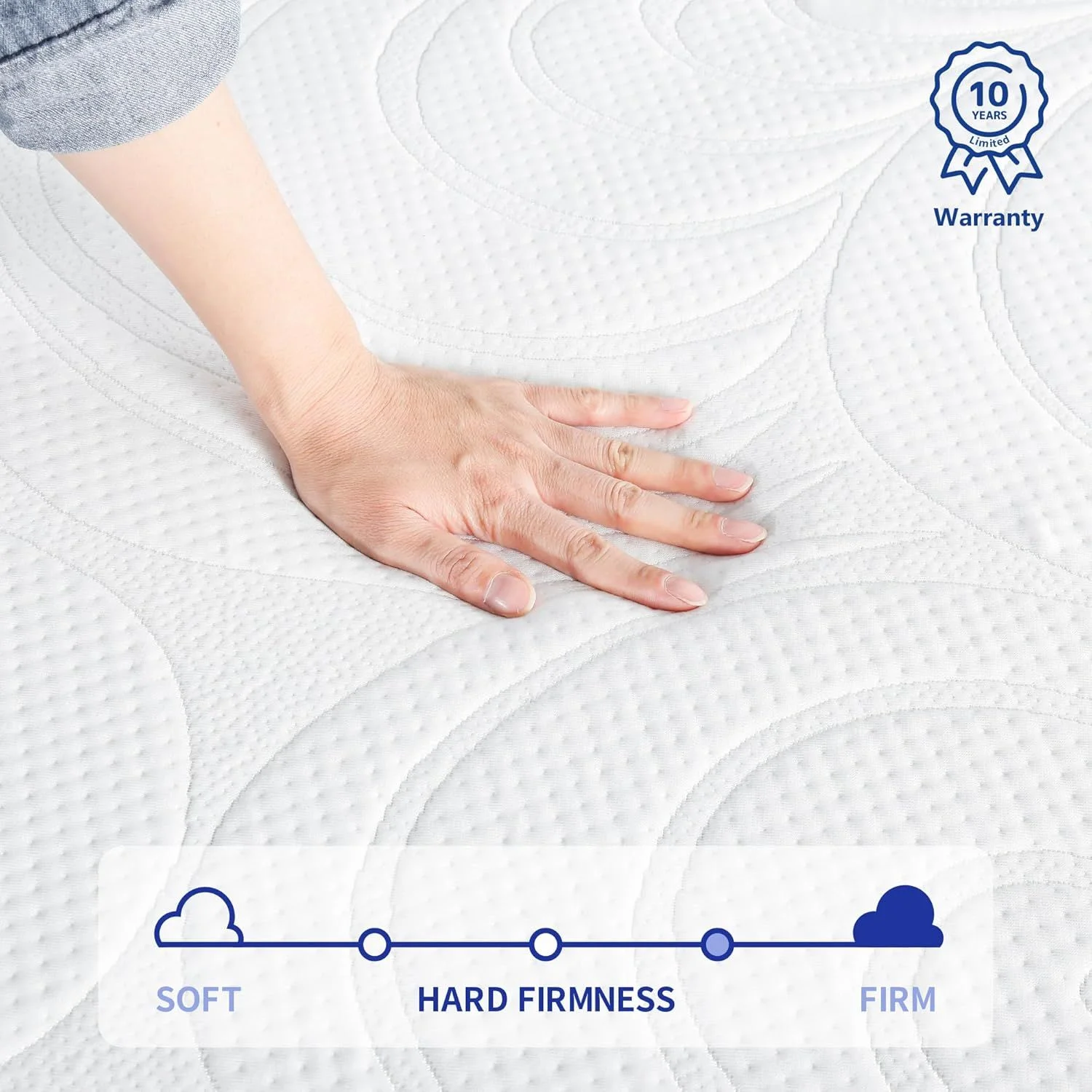
- Warranty: 10-year limited warranty against manufacturing defects (not normal wear)
- Shipping: Free, compressed in a box; allow 48-72 hours to fully decompress before sleeping on it
The 100-night trial is industry-standard for boxed mattresses but worth noting the practical friction: Amazon-channel returns can require coordinating freight pickup and the box itself is single-use. Confirm the return path with the seller before checkout.
How Olee compares to other budget mattress-in-a-box brands
Quick comparison across the budget boxed-mattress tier (queen prices, current Amazon list, subject to change):
- Olee Sleep Aquarius 10" - ~$280 - all foam - guest room, light use
- Zinus 12" Green Tea - ~$280 - all foam - same niche, slightly thicker
- Linenspa 8" Hybrid - ~$200 - memory foam over coils - bunks, RVs, kids
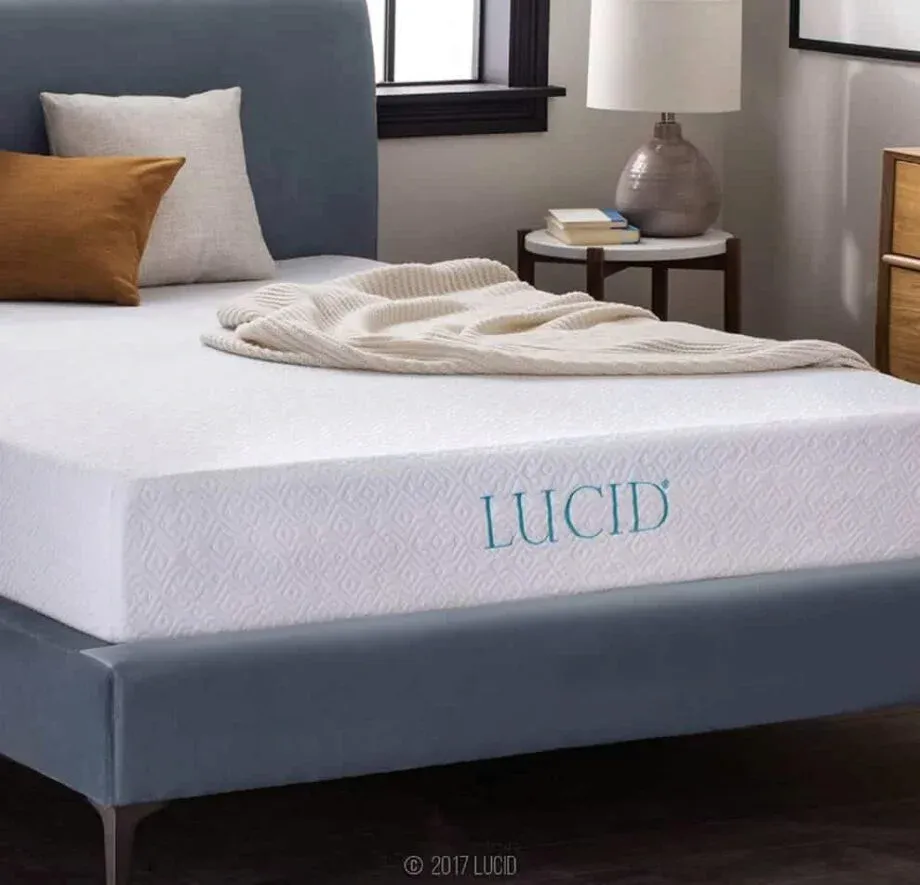
- Lucid 10" Hybrid - ~$330 - memory foam over coils - light couples
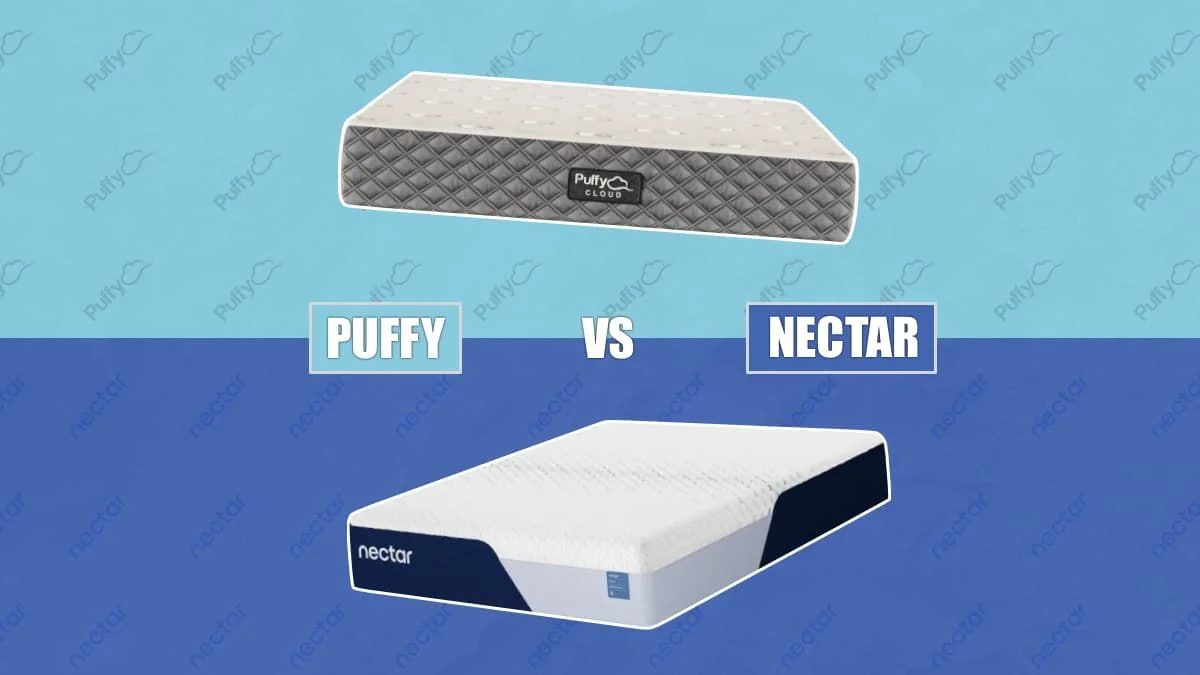
- Nectar Memory Foam - ~$700 - all foam, denser - long-haul foam fans
- Bear Original - ~$700 - all foam, denser - athletes, recovery focus
Where Olee splits from Zinus and Linenspa: it sits a notch up on cover quality and gel infusion, and a notch down on ratings consistency. Where it splits from Nectar and Bear: those use higher-density foams and longer trials (365 nights vs 100), which is what you're paying the extra $400 for.
How to choose the right Olee Sleep model
Quick decision tree:
- Going to a kid's room or guest bed? Aquarius 10" - it's the cheapest and the use case forgives the durability ceiling.
- Back or stomach sleeper, under 230 lbs, want lift? Galaxy 13" Hybrid.
- Couple sharing on a budget? Support Cloud 10" Hybrid - best edge and motion balance.
- Side sleeper who wants plush, not sink? Pegasus 12" Euro Box Top.
- Over 230 lbs and shopping main bed? Skip Olee; look at Saatva HD, WinkBed Plus, or Helix Plus.
If you can stretch the budget by $200-$400, a Nectar, Bear Original, or Brooklyn Bedding Signature will outlast any Olee model by years. If you can't, the Olee lineup is a fair pick at its price tier - just be honest about the lifespan you're buying.
Olee mattress FAQ
Where are Olee mattresses made?
Olee Sleep mattresses are made in China and imported by Olee Sleep Inc. for the US market. Foams used in the US-sold lineup are CertiPUR-US certified, which limits formaldehyde, ozone-depleters, and heavy metals in the comfort layers.
Is there an Olee mattress lawsuit?
There is no public class-action lawsuit against Olee Sleep at the time of writing. The recurring complaints in Reddit and Amazon owner reviews are about premature sagging, edge collapse, and warranty claims being denied as "normal wear." Those are common patterns for budget boxed mattresses, not Olee-specific safety or fraud actions.
How long does an Olee mattress last?
Plan for 5-7 years of nightly use on the foam models (Aquarius, Pegasus) and 6-8 years on the hybrids (Galaxy, Support Cloud), with light use (guest rooms, kids) extending those numbers. Premium boxed mattresses (Saatva, Bear, Nectar) typically last 8-12 years for the same body weight, which is what the price gap is buying.
Does Olee Sleep have a sleep trial?
Yes - 100 nights when ordered through the brand's direct channel. Amazon-fulfilled orders default to Amazon's standard 30-day return window, so confirm the trial path with the seller before checkout. Returns require the original packaging or a freight pickup, which is common across boxed-mattress brands.
What is the best Olee Sleep mattress?
For most readers, the Galaxy 13" Hybrid is the best Olee Sleep model - it has the best edge support, the best cooling, and the only public Consumer Reports test data in the lineup. The Aquarius 10" wins on price for guest beds; the Support Cloud 10" Hybrid is the best couples pick.
Is Olee mattress good for back pain?
The Galaxy 13" Hybrid is the best Olee model for back pain because the pocketed coils maintain spinal alignment under the lower back without letting the hips sink. The Aquarius and Pegasus contour more aggressively and can pull the lumbar spine out of neutral for back sleepers over 200 lbs.
Browse more mattress reviews
See how Olee Sleep stacks up against Saatva, Helix, Nectar, and other top boxed-mattress brands.