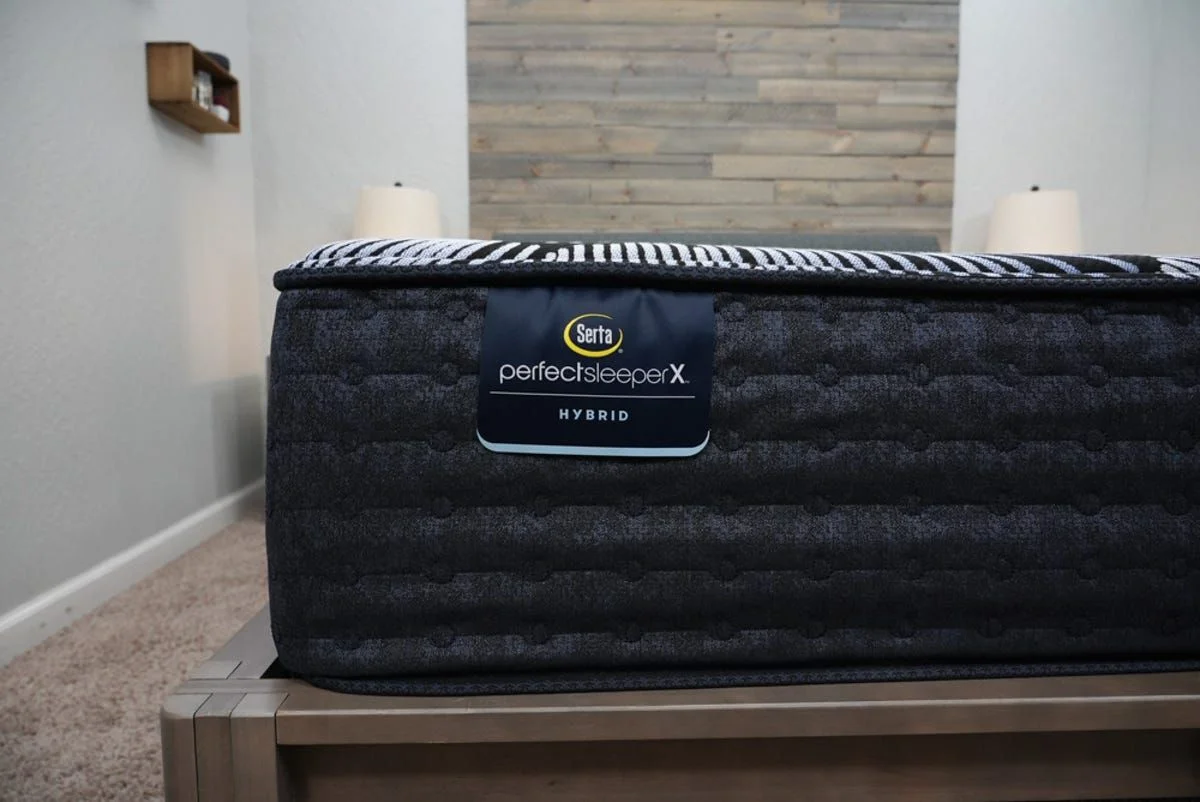
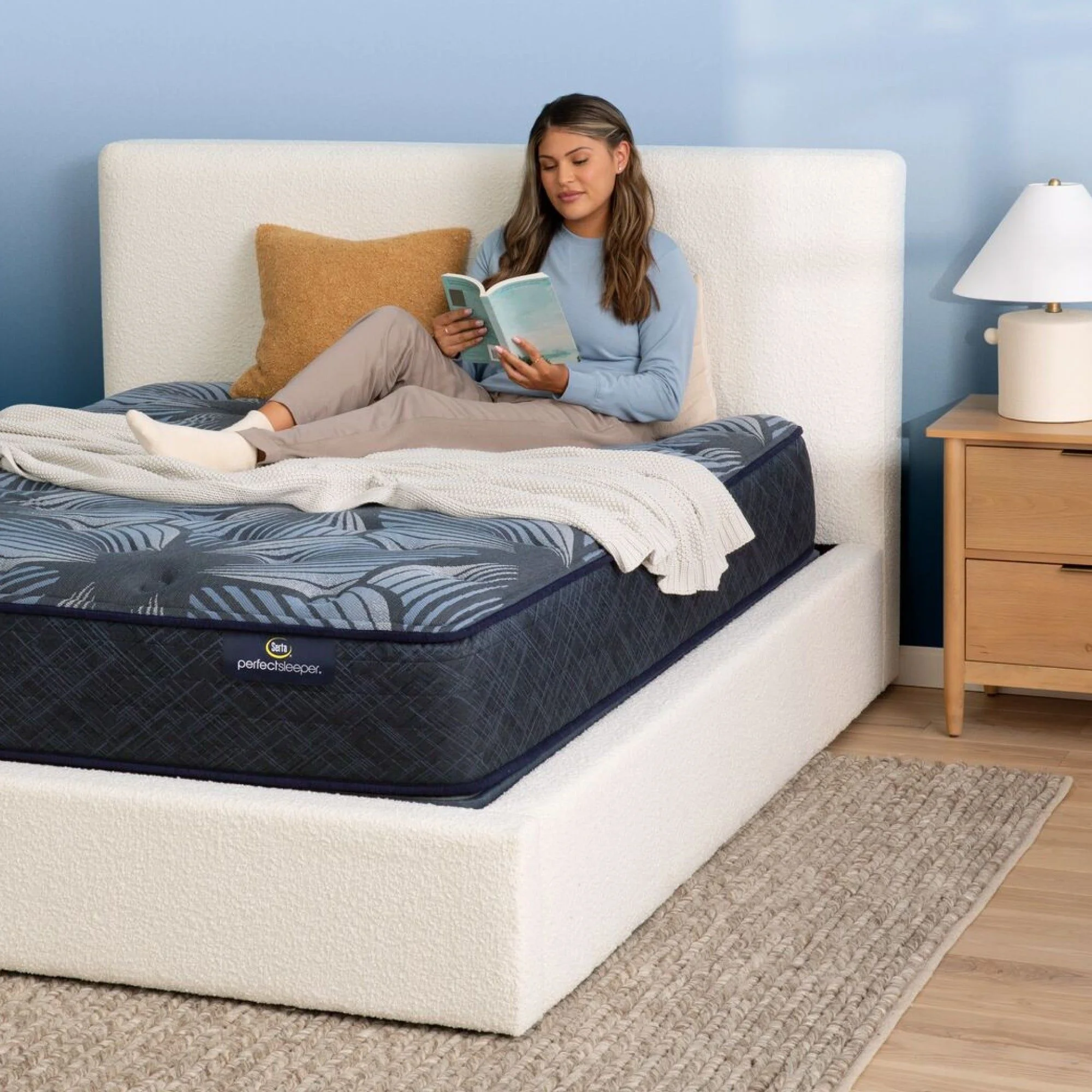
Serta is one of the largest mattress brands in the United States, and any household-name brand attracts the same recurring question: are the materials inside actually safe to sleep on? The short answer is that Serta's foams carry CertiPUR-US certification for low VOC emissions and prohibited chemicals, and the company complies with federal mattress flammability standards. The longer answer involves a documented 2021 Perfect Sleeper recall, normal new-mattress off-gassing, and the fact that "non-toxic" is a marketing word, not a regulated one.
Affiliate disclosure: Banner Mattress may earn a commission on links to retailers. We only recommend products we'd buy ourselves, and certifications below are sourced from manufacturer and regulator pages - not vendor talking points.
What "toxic" actually means in a mattress
When shoppers ask whether a mattress is toxic, they're usually asking about three different things: volatile organic compounds (VOCs) released as the mattress airs out, flame retardants used to meet federal fire standards, and fiberglass used as a low-cost fire barrier in some cheaper brands. Each has a different answer for Serta.
Are Serta foams CertiPUR-US certified?
Yes. Serta states that all of its polyurethane and memory foams are CertiPUR-US certified, which means they're independently tested to be made without ozone depleters, PBDE flame retardants, mercury, lead and other heavy metals, formaldehyde, and prohibited phthalates. They're also tested to release low levels of VOCs (under 0.5 parts per million).
Independent retailers carrying Serta echo the same point: Big Mattress Outlet notes that Serta uses fire barriers that don't rely on harmful chemical sprays, and National Mattress confirms low-VOC release once the bed has aired.
What about off-gassing?
Off-gassing is the chemical smell most polyurethane foam beds give off in the first few days. It's the most common complaint with Serta and every other foam brand. According to mattress-testing data cited by Consumer Reports, VOCs from a new mattress can cause short-term eye, nose, and throat irritation, headaches, or nausea in higher concentrations - almost always in poorly ventilated rooms.
Independent off-gassing tests on the Serta Perfect Sleeper found a noticeable smell on day one that dissipated in roughly two days - about 4 days less than the average tested mattress. To minimize exposure, unbox the bed in a well-ventilated room, leave it uncovered for 24-48 hours, and run a fan or open a window for the first night.

The 2021 Serta Perfect Sleeper recall
The most concrete safety issue tied to Serta is documented, and it's worth knowing about even if your bed isn't affected. In January 2022 the U.S. Consumer Product Safety Commission announced a recall of Serta Perfect Sleeper mattresses manufactured between July 15 and August 6, 2021, because they failed to meet the mandatory federal mattress flammability standard. The recall covered roughly 7,500 units sold at major retailers including Mattress Firm, Big Lots, and Macy's.
If you bought a Perfect Sleeper around that window, check the law-tag sewn to the side of the mattress. The recall page lists exact model names and law-tag numbers and offers a free in-home replacement of the fire-barrier sock. The recall did not cover other Serta lines or other manufacturing dates, and Serta has not had a similar recall since.
Does Serta use fiberglass?
Fiberglass is the cheapest way for a manufacturer to meet federal flammability standards, and a few low-cost brands use it inside an inner sock under the cover. Serta does not advertise fiberglass in any current Perfect Sleeper, iComfort, or iSeries line; their mattresses use a proprietary blend of natural and synthetic fibers as the fire barrier instead. As a rule, never unzip and remove a mattress cover - on any brand - because that's how fiberglass-containing covers contaminate a room. If you're worried, the law tag will list the fire-barrier materials.
Are organic Serta mattresses available?
Serta's lineup is dominated by hybrid and memory-foam beds rather than organic latex or organic cotton builds. If GOTS- or GOLS-certified organic materials are a hard requirement for you (e.g. for chemical sensitivities, or for a child's room), brands like Avocado, Birch, and Naturepedic are a better structural fit than Serta. Serta does carry hypoallergenic covers and CertiPUR-US foams across its current lineup, which is enough for most allergy-prone sleepers.
Trial period and returns
Serta offers a 120-night trial on mattresses purchased through Serta.com, with a recommended 30-night break-in before returns. Returns from the trial are processed at no cost. Trials don't apply to Serta beds bought through third-party retailers - those follow the retailer's own return policy. Always confirm the trial terms at checkout, because they vary by reseller.
Serta safety FAQ
Are Serta mattresses safe to sleep on?
Yes. Current Serta mattresses use CertiPUR-US certified foams and meet federal flammability standards. They release some VOCs in the first 24-48 hours (off-gassing), which dissipates in a ventilated room. Outside of the recalled 2021 Perfect Sleeper batch, there are no documented safety issues.
Do Serta mattresses contain fiberglass?
Serta does not advertise fiberglass in any current line and uses a proprietary blend of natural and synthetic fibers as its fire barrier. To verify on a specific bed, read the law tag sewn to the mattress side - it lists fire-barrier materials. Never unzip or remove a mattress cover regardless of brand.
How long does Serta off-gassing last?
Independent tests of the Serta Perfect Sleeper found the chemical smell faded in about two days - roughly 4 days faster than the average mattress tested. Unbox in a ventilated room and leave the bed uncovered for 24-48 hours before sleeping on it.
Was there a Serta recall?
Yes. In January 2022 the CPSC recalled around 7,500 Serta Perfect Sleeper mattresses manufactured between July 15 and August 6, 2021 for failing the federal mattress flammability standard. The recall offered a free in-home fire-barrier replacement. No other Serta lines or production dates were affected.
Are Serta foams CertiPUR-US certified?
Yes. All Serta polyurethane and memory foam is CertiPUR-US certified - meaning independently tested for low VOC emissions and made without PBDE flame retardants, heavy metals, formaldehyde, or prohibited phthalates.
Bottom line
Serta mattresses are safe for the vast majority of sleepers. The foams are CertiPUR-US tested, the fire barrier doesn't rely on chemical sprays, and the brand has a single documented recall - narrow in scope and resolved with a free fix. Off-gassing is real but short-lived. If you have a specific health sensitivity, want certified-organic materials, or you're shopping for a child's room, a dedicated organic brand will fit better than Serta. For everyone else, the safety story is no worse than any other mainstream mattress and arguably better than the cheapest fiberglass-fire-barrier brands on Amazon.