If you are shopping Amazon for a budget mattress, Sweetnight is one of the brand names you will hit fastest. The fiberglass question follows the brand because Sweetnight, like other low-cost foam manufacturers, used a fiberglass fire sock under the cover for years. Here is the current 2026 picture, separated from the marketing copy.
Quick answer: do current Sweetnight mattresses contain fiberglass?
No. Sweetnight officially states their entire current lineup of mattresses and toppers is fiberglass-free, and the brand markets a "fiberglass-free" claim across its product pages and FAQ. CertiPUR-US certifies the foams used for chemical emissions and content, but CertiPUR-US does not test fire barriers, so the fiberglass-free claim rests on Sweetnight's own disclosures rather than third-party fire-barrier testing.
That said, two caveats are worth knowing before you buy:
- Older units still in circulation can contain fiberglass. Sweetnight's own support article confirms earlier models used fiberglass in the inner cover and the company "does not use it anymore." If you are shopping a used or open-box Sweetnight on Facebook Marketplace or eBay, the model year matters more than the brand name.
- A 2026 CPSC consumer report alleges fiberglass shedding from a Sweetnight unit. A consumer filed report number 20260204-6443C with the U.S. Consumer Product Safety Commission in February 2026, claiming a Sweetnight SN-M004-K king mattress emitted glass shards from the side mesh after the cover was unzipped, with a $40,000 home remediation estimate. No class action has been filed and Sweetnight has not publicly responded; the report is one consumer's account, but it is on the public CPSC record.
Why the fiberglass question even applies to Sweetnight
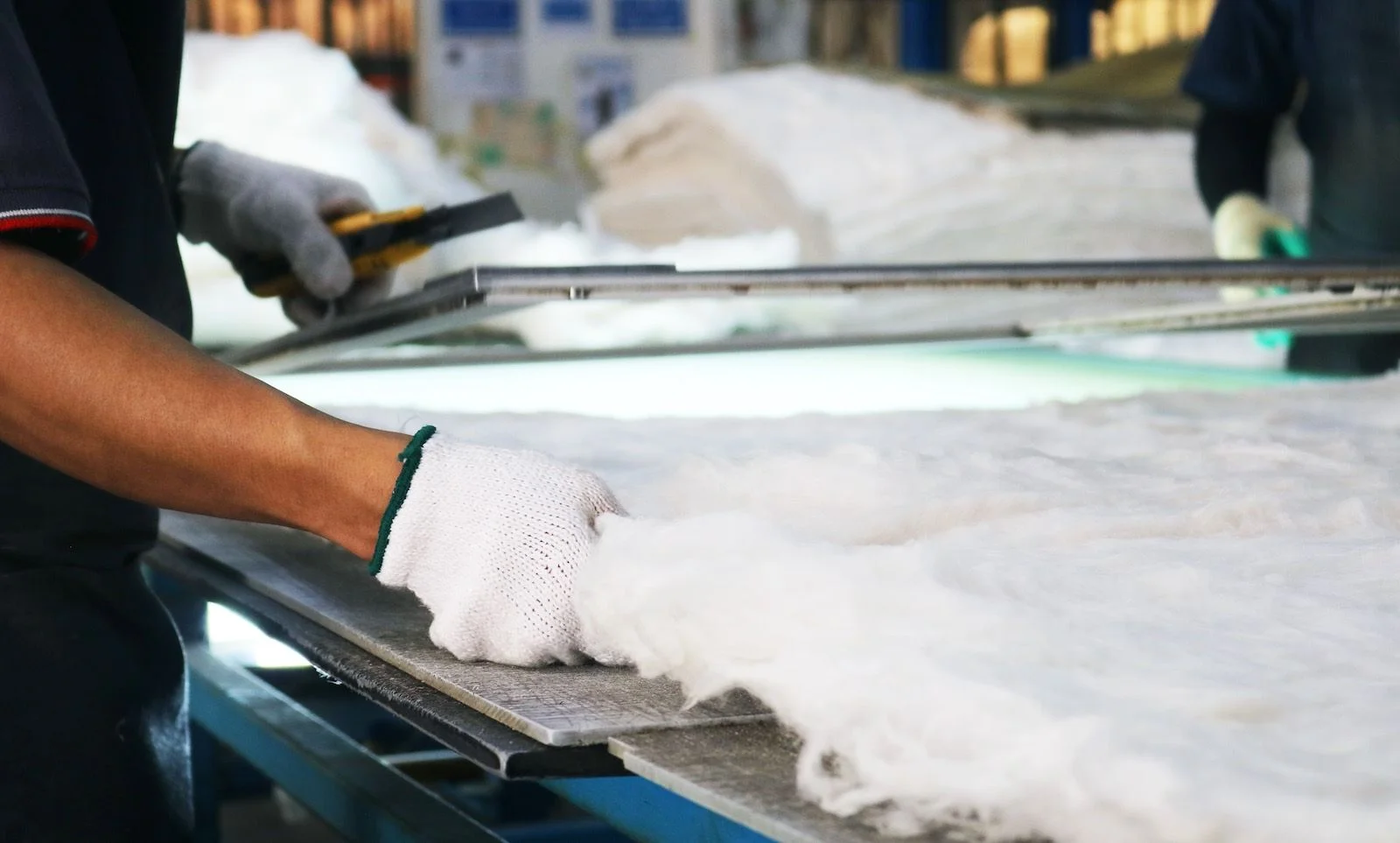
Federal flammability standard 16 CFR Part 1633 requires every mattress sold in the United States to resist open-flame ignition for 30 minutes. Manufacturers can comply with chemical flame retardants, an inherently flame-resistant fiber like rayon or wool, or a fiberglass fire sock - a thin woven barrier wrapped around the foam core under the outer cover.
Fiberglass is the cheapest of those options, which is why imported budget brands sold through Amazon (Zinus, Linenspa, Lucid, Vibe, Olee Sleep, and earlier-era Sweetnight) defaulted to it. The risk is well-documented: when an owner unzips the outer cover to wash it - something many of these covers explicitly invite - the fiberglass barrier ruptures and microscopic glass fibers contaminate the bedroom, HVAC, and adjacent rooms, sometimes triggering remediation costs in the five figures.
What Sweetnight uses now instead of fiberglass
Sweetnight has not published a detailed fire-barrier composition for the current lineup. Brand and retailer copy across the CoolNest, Twilight, Sunkiss, and Whisper models references a "knit fabric" cover with the foam or hybrid coil core beneath, and Sweetnight's blog post on fiberglass-free construction points to "alternative fire-resistant materials" without naming the specific fiber.
In the absence of disclosure, two reasonable inferences:
- The most common non-fiberglass barrier in this price tier is a rayon-silica blend or a treated cellulose fiber, both of which pass 16 CFR 1633 without shedding glass.
- The Amazon and Sweetnight.com listings for current models include the line "Do not remove the inner cover" - boilerplate the brand applies even to fiberglass-free units, but which originated to keep owners from disturbing the fire barrier. Treat the inner cover as something not to open regardless of whether you trust the fiberglass-free claim.
The current Sweetnight model lineup (May 2026)
These are the active models you will see on Amazon and sweetnight.com today:
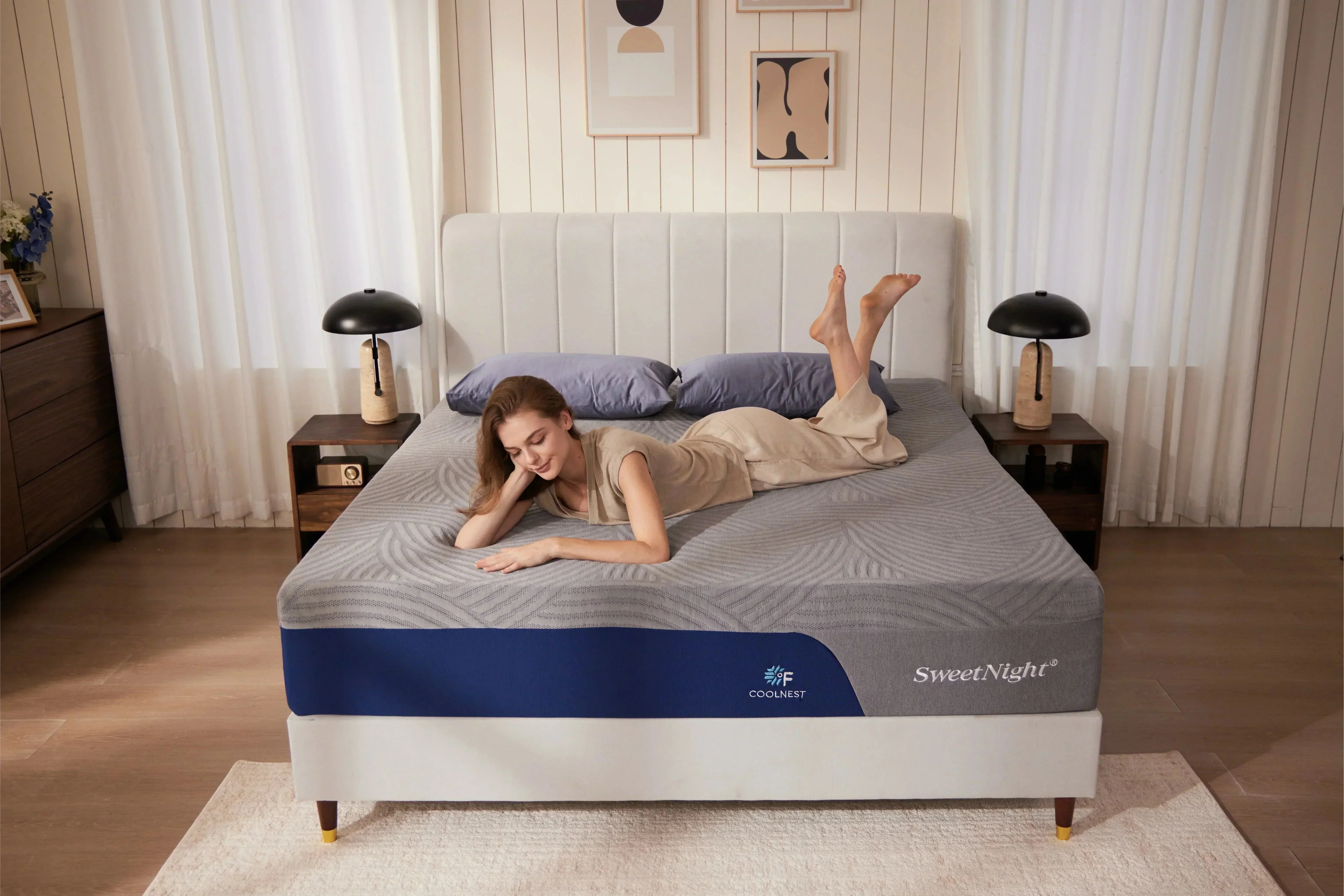
- Sweetnight CoolNest - $500 hybrid, gel-infused memory foam over coils, marketed as the brand's flagship cooling model. Sleepopolis confirms the CoolNest is fiberglass-free per Sweetnight.
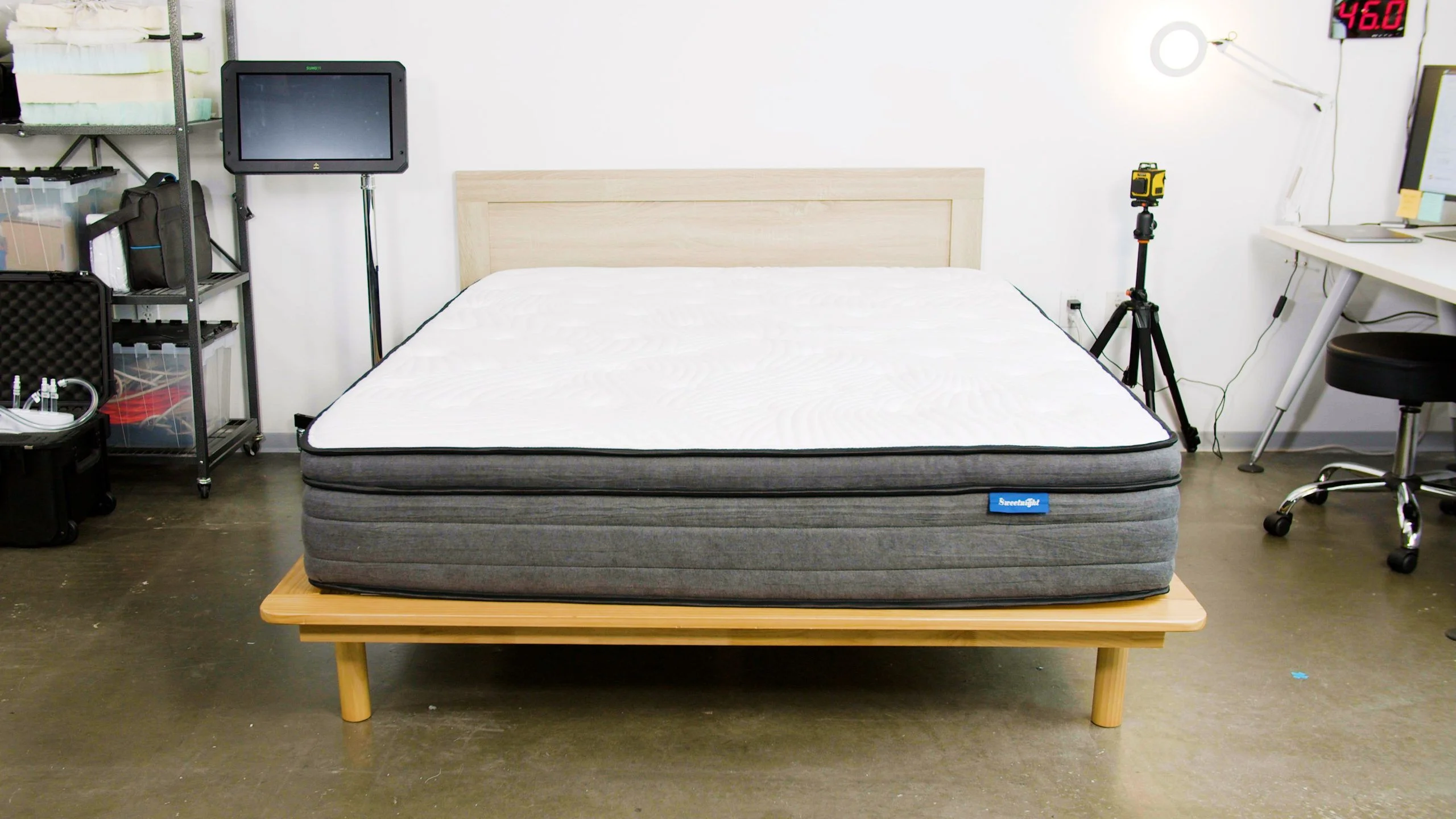
- Sweetnight Twilight (Twilighty) - $470 hybrid in 10", 12", 14", and 16" profiles, the brand's longest-running active SKU. NapLab lists the Twilight as fiberglass-free.
- Sweetnight Sunkiss - flippable foam mattress with two firmness sides, fiberglass-free per brand listing.
- Sweetnight Whisper / Prana - Amazon-only foam variants; specs vary by listing date.
NapLab's 395-mattress fiberglass database marks the following older Sweetnight models as discontinued with fiberglass status unmarked: Dreamy, Dreamy Hybrid, Prime, and Starry Night. If you own one of these, treat it as potentially containing fiberglass and do not unzip the cover.
How to check if a specific Sweetnight mattress has fiberglass
Order matters. Do these in sequence and stop as soon as you have an answer:
- Read the law tag sewn into the side seam. Look for "Glass Fiber," "Fiberglass," or "Glass Wool" in the fiber content list. The tag is the legally required disclosure under 16 CFR 1632/1633 and is the single most reliable source.
- Check the model number against NapLab's fiberglass database or Sweetnight's own support article. Model numbers like SN-M### are printed on the law tag and on the original packaging.
- Email Sweetnight support with the model number and ask for a written confirmation of the fire-barrier material. Keep the response - written brand confirmation is what you would need if a consumer-protection claim ever became necessary.
- Do not unzip the inner cover to inspect. If the mattress does contain fiberglass, opening the inner cover is precisely the action that releases it.
Should you buy a Sweetnight mattress in 2026?
For a budget Amazon-tier mattress, current-production Sweetnight is a reasonable pick if you want fiberglass-free construction at the $400-$500 queen price point. Trade-offs to know:
- The brand-direct fiberglass-free claim is not backed by independent fire-barrier testing - it rests on Sweetnight's word.
- The 2026 CPSC report, while a single incident, is on the public record and has not received a brand response.
- Budget hybrids in this tier typically last 5-7 years, not 10. Compare against Saatva, Helix, or Nectar if you want a longer-term mattress with a documented warranty workflow.
If you want truly transparent fire-barrier disclosure, the brands with public statements naming the specific non-fiberglass material are Saatva (rayon-silica plus wool), Avocado (wool), and Brooklyn Bedding's Spartan and Aurora lines. Those start around $1,000 queen, which is the price gap budget brands like Sweetnight are filling.
Sweetnight fiberglass FAQ
Does Sweetnight have fiberglass in 2026?
Sweetnight states all current mattresses and toppers are fiberglass-free. The brand uses an unspecified alternative fire-resistant material. Older Sweetnight models (Dreamy, Prime, Starry Night) sold before the policy change may contain fiberglass.
Has Sweetnight been sued over fiberglass?
No class action has been filed against Sweetnight as of May 2026. A single consumer report (CPSC #20260204-6443C) filed in February 2026 alleges fiberglass shedding from a Sweetnight SN-M004-K king mattress, but it remains an individual report, not litigation.
How do I tell if my Sweetnight has fiberglass?
Read the law tag on the side seam - fiberglass content must be listed there as 'Glass Fiber' or 'Fiberglass.' Then check your model number against Sweetnight's official support article and NapLab's fiberglass database. Do not unzip the inner cover to inspect; that is what releases fiberglass when present.
Is CertiPUR-US the same as fiberglass-free?
No. CertiPUR-US certifies foam content and emissions only. It does not test fire barriers. A CertiPUR-US certified mattress can still contain a fiberglass fire sock under the cover. Fiberglass-free is a separate claim that depends on the brand's fire-barrier disclosure.
Can I unzip the cover on a Sweetnight to wash it?
Sweetnight's listings include a 'do not remove inner cover' instruction even on current fiberglass-free units. Unzip only the outer washable cover if one is provided. Do not open the inner cover - that is the layer the fire barrier sits beneath.
Shopping a fiberglass-free mattress?
Compare current-production options with documented fire-barrier disclosure before committing to a budget Amazon brand.