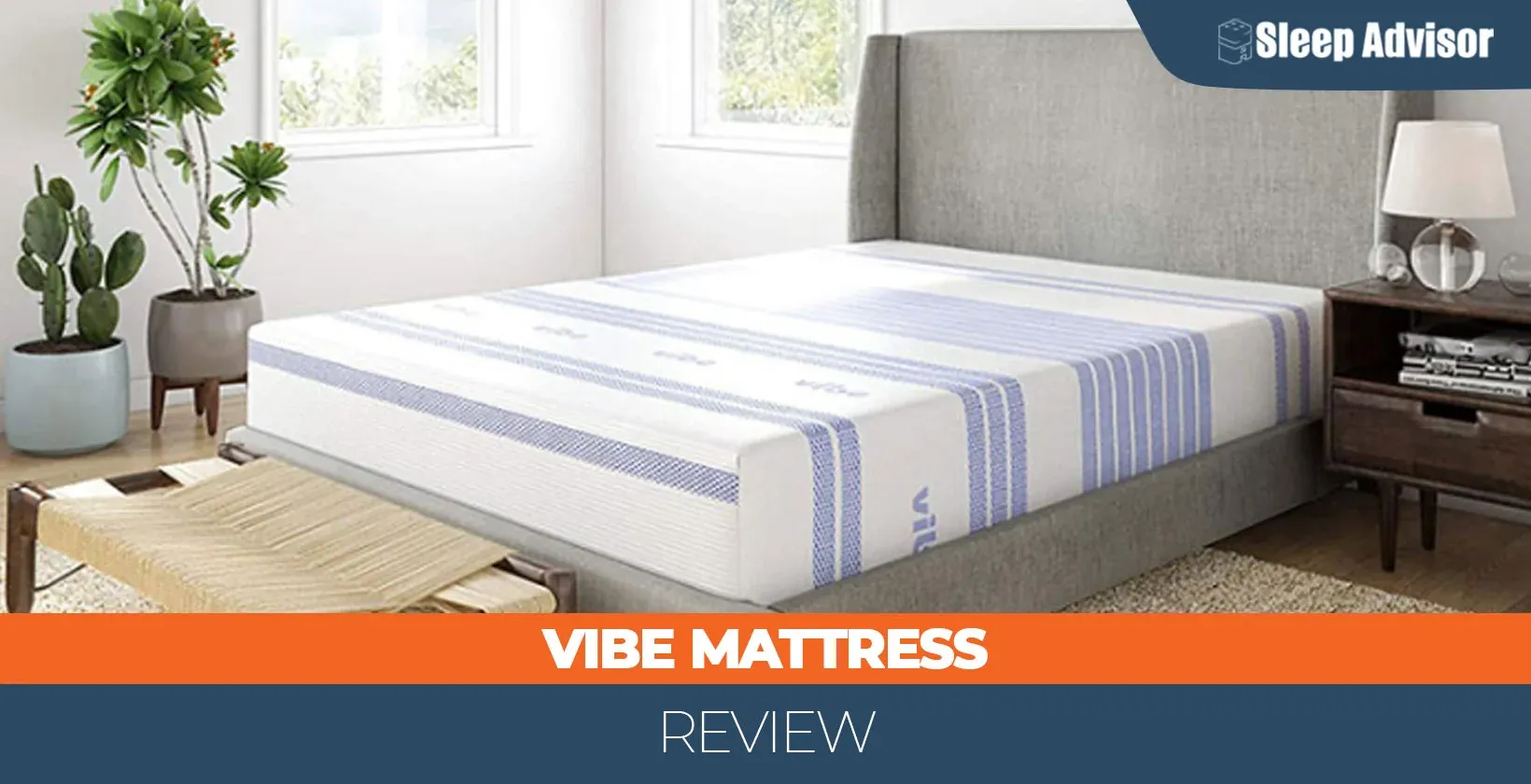
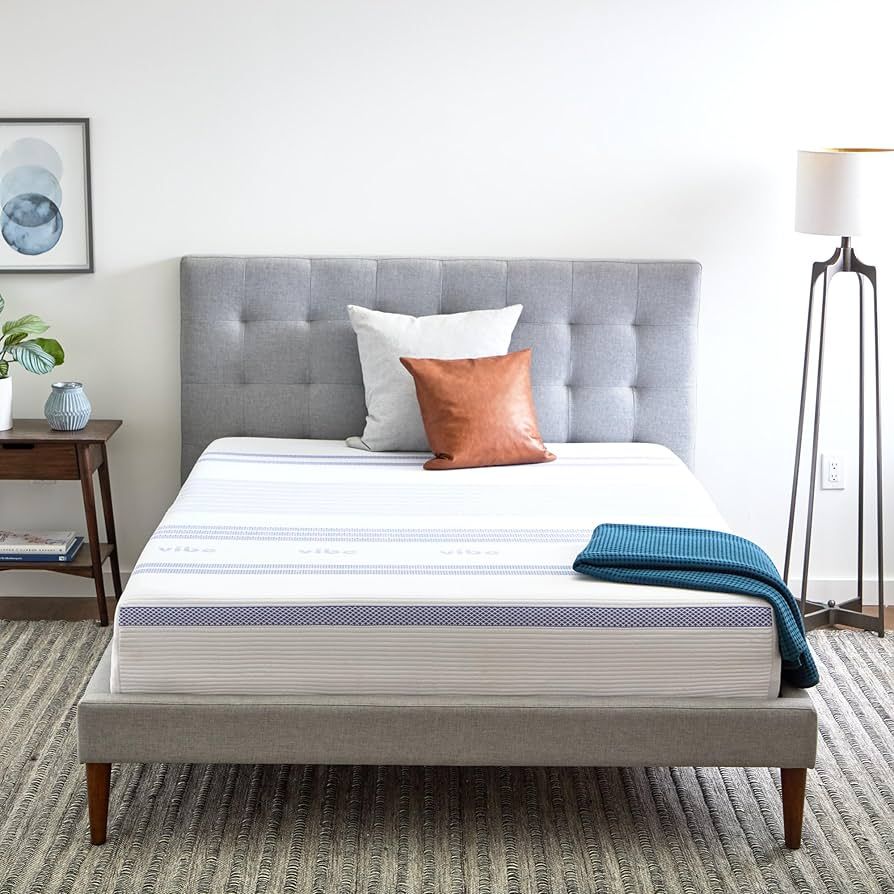
If you're shopping for a budget memory foam mattress and have come across the Vibe brand on Amazon or Walmart, the fiberglass question is the right one to ask first. The short answer has changed: older Vibe mattresses (pre-2023) used a fiberglass fire-barrier sock under the cover, but Vibe mattresses manufactured after the 2023 ownership change to Sinomax USA are marketed and sold as fiberglass-free, using bio-friendly silica fire socks instead.
That distinction matters. If you bought a Vibe mattress in 2020, 2021, or 2022, you likely have fiberglass inside it. If you're buying new today, you almost certainly do not. This guide walks you through how to confirm which version you have, how the fire barrier is constructed, what the "do not remove cover" warning is really protecting you from, and what to do if a cover has already torn.
Quick answer: which Vibe mattresses contain fiberglass?
2020 - early 2023 (Classic Brands / Kimberly LLC): glass-fiber sock under the cover - yes, contains fiberglass.
April 2023 - present (Sinomax USA): silica-based fire sock - no fiberglass, per manufacturer.
Vibe's original parent, Classic Brands, was liquidated in 2023. Sinomax USA picked up the brand and began producing the new mattresses in factories in La Vergne, Tennessee and Arizona. The new Vibe product pages on Amazon, Walmart, and sleeponvibe.com all explicitly state "fiberglass free," and a Vibe representative confirmed on Reddit that "the new mattresses we make under the Vibe name do not contain fiberglass in the fire sock."
The catch: there is no visible difference between an older fiberglass Vibe and a newer silica Vibe from the outside. The cover, the trademark, and the box look identical. The only reliable way to tell them apart is the law tag.
How to identify whether your Vibe has fiberglass
Every mattress sold in the United States is required by federal law to carry a permanent label (the "law tag") listing every material in the mattress and the date of manufacture. On a Vibe, you'll find it sewn into the side seam near the foot of the bed.
Check three things on the tag:
- Date of Manufacture. Anything dated April 2023 or earlier should be assumed to contain fiberglass. May 2023 onward is silica-based.
- Materials list. A fiberglass Vibe will list "glass fiber" or "glass wool" - typically as a small percentage of total filling. The new spec lists 83% polyurethane foam, 17% viscoelastic polyurethane foam, 100% polyester cover, with no glass fiber line item.
- Manufactured by. "Sinomax USA East INC. 1740 J.P. Hennessey Dr. Lavergne, TN 37086" indicates the post-2023 silica build. Older tags show Classic Brands or a different production address.
The care instructions also tell you something. If your mattress tag or product listing says "do not remove the cover," that is a strong fiberglass tell - the warning exists because removing the cover exposes (or tears) the glass-fiber sock underneath. The new Sinomax-built Vibe mattresses still ship with non-removable covers, but for design rather than safety reasons.
How the fire-barrier sock is actually built
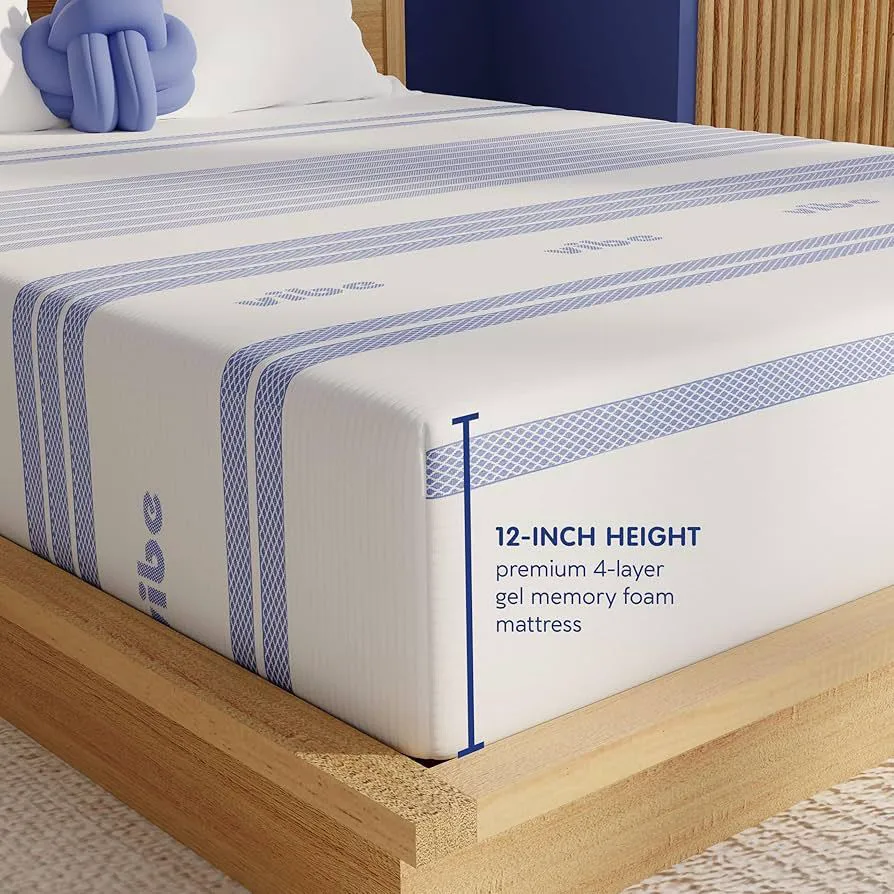
In a fiberglass-style Vibe, the construction looks like this, top to bottom:
- Quilted polyester cover (decorative, non-removable)
- Glass-fiber sock - a thin woven sleeve wrapping the entire foam core
- 2 inches of gel memory foam
- 2.75 inches of transition poly foam
- 6.25 inches of convoluted support foam (two layers)
The sock isn't a separate liner you can pull out. It's a sewn sleeve, slightly oversized, that sits between the polyester cover and the top foam layer. When the mattress is rolled and compressed for shipping, the foam core pushes the sock tight against the inside of the cover. As long as the cover stays sealed, the glass fibers stay contained.
This is why "do not remove cover" is printed in bold on every fiberglass mattress. It isn't legalese - physically unzipping the cover lifts the sock with it, and the fibers shed instantly into the air on contact.
The new silica fire socks work the same way structurally (a sewn sleeve under the cover) but use mineral-based silica yarn, which doesn't shatter into respirable shards if it tears.
What happens if the cover ruptures
This is the worst-case scenario for owners of older Vibe mattresses, and it's why the brand attracted lawsuits in the first place. There are three common rupture pathways:
- Unzipping the cover to wash it. The most common and most preventable. The zipper is functional, even on covers labeled "do not remove."
- Cover wear at the seams. As foam expands and contracts under nightly use, the seams stretch and thin. After several years, microscopic fibers can work through the weave on their own.
- Manufacturing damage in transit. Roll-pack compression occasionally tears the sock inside an intact cover. You won't see it until particles start surfacing through the polyester.
When a sock ruptures, fiberglass particles spread aggressively. They cling to fabric (sheets, clothing, drapes), get sucked into HVAC systems, and embed in carpet fibers. Affected households frequently report needing to replace bedding, soft furniture, and in severe cases drywall sections. Health symptoms include skin rashes, eye irritation, persistent cough, and respiratory inflammation - particularly for asthmatics and small children.
What to do if your Vibe cover has torn
If you have a pre-2023 Vibe and you find fiberglass on your bedding, in your laundry, or shimmering on hard surfaces under angled light:
- Stop sleeping on it immediately. Move to another bed in the house and seal the bedroom door.
- Don't vacuum with a standard vacuum. Bagless and HEPA-less vacuums recirculate fibers and contaminate filters. You need a HEPA-filtered shop vac, or hire a professional remediation service.
- Bag the mattress before moving it. Wrap it in heavy plastic and tape every seam before carrying it through the house, or fibers will dust every surface on the way out.
- Wash all soft goods on the hottest cycle separately. Sheets, blankets, pillowcases, and any clothing that was in the room get one cycle, alone, with no other laundry.
- Document everything. Photos, the law tag, the receipt, and the tear itself. If you intend to file a claim, evidence collected at the time of discovery carries more weight than reconstructed records.
If your Vibe mattress was bought before April 2023 and you've experienced fiberglass exposure, you may be eligible to participate in legal action against the prior manufacturer. We cover the timeline, settlement amounts, and claim instructions in our companion guide on the Vibe mattress lawsuit.
Should you buy a new Vibe mattress today?
The fiberglass question alone no longer disqualifies a 2024-or-newer Vibe. The silica fire sock is a meaningful safety upgrade, and the brand's price point - under $400 for a queen - is hard to match.
That said, fiberglass isn't the only consideration. Independent testing places overall performance below average: cooling is fair, motion transfer is 20% above average, the comfort layer is just 2 inches (versus a 4-inch typical), and pressure relief scored 6.0 out of 10. The 100-night trial and 10-year warranty are both shorter than the category average.
For a Vibe shopper who wants the price but is uneasy about fiberglass history or pressure-relief shortcomings, a fiberglass-free alternative in the same price range - Zinus, Novilla, Tuft and Needle, or Saatva's lower tiers - gets you a comparable sleep experience without the legacy risk. For a deeper take on safer budget picks, see our Banner Mattress reviews for recommendations across price tiers.
Cross-shopping similar budget brands? Read our breakdown of Novilla mattress fiberglass reddit.
Bottom line
Vibe mattresses sold before April 2023 contain a fiberglass fire-barrier sock under the cover and should be treated as a contamination risk if the cover is ever opened or worn through. Vibe mattresses manufactured after April 2023 by Sinomax USA are marketed as fiberglass-free, using a silica-based sock instead. Verify your specific mattress with the law tag - date of manufacture, materials list, and the manufacturer name will tell you which build you have.
Frequently asked questions
Do new Vibe mattresses still have fiberglass?
No. Vibe mattresses manufactured after April 2023 by Sinomax USA use a silica-based fire-barrier sock instead of fiberglass. Verify by checking the date of manufacture and materials list on the law tag - anything dated May 2023 or later, with no "glass fiber" line item, is the silica build.
How can I tell if my Vibe mattress has fiberglass?
Check the law tag sewn into the side seam near the foot of the mattress. If the materials list includes "glass fiber" or "glass wool," or if the date of manufacture is April 2023 or earlier, you have a fiberglass model. If the manufacturer line reads Sinomax USA East and there is no glass fiber line item, you have the newer silica build.
Is it safe to remove the cover on a Vibe mattress?
On older fiberglass Vibe mattresses, no - unzipping the cover lifts the glass-fiber sock with it and releases fibers into the room. Even on newer silica-based Vibes, manufacturers advise leaving covers in place to preserve the fire barrier and warranty. Spot clean with a damp cloth or use a removable mattress protector instead.
What does fiberglass exposure feel like?
Common symptoms include itchy red rashes on skin that contacted bedding, eye irritation, persistent dry cough, and respiratory tightness. Fibers can also cause tiny visible cuts on hands or arms. Asthmatics, small children, and pets are more sensitive. Symptoms usually fade within a few days of removing the source, but ongoing exposure can cause chronic irritation.
Should I throw out a Vibe mattress that contains fiberglass?
If the cover is intact and you have not unzipped it, the mattress can usually stay in service with an impermeable mattress protector zipped over it. If the cover has torn, the sock has ruptured, or you have already found fibers on bedding, replace the mattress and remediate the room. Pre-2023 Vibe owners with documented exposure may also have a legal claim - see our companion lawsuit guide.