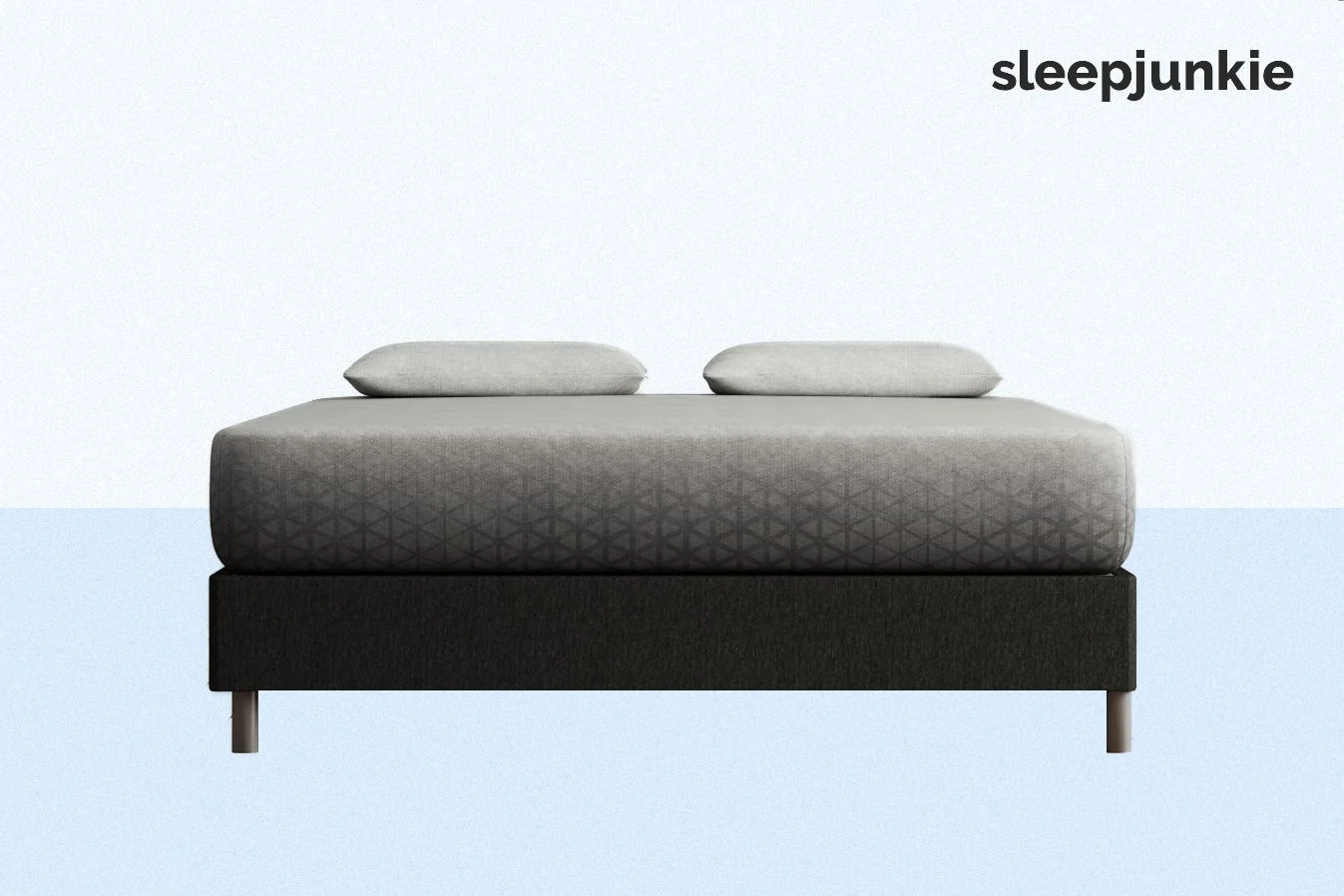
Zoma was built around a simple pitch: a mattress engineered for athletes and active sleepers who need faster muscle recovery. The lineup has grown since launch - there is now an entry-level Zoma Start, the original Zoma Hybrid, and the premium Zoma Boost - and the marketing claims have grown with it. After spending nights on each model in our review lab and cross-checking with current third-party lab data from NapLab, MattressNerd, and CNET, here is the short version: Zoma is a legitimately good value pick for back and side sleepers under 230 pounds who want pressure relief without paying Tempur-Pedic prices, but it is not the right bed for heavier sleepers, dedicated stomach sleepers, or anyone who runs hot on all-foam mattresses.
Quick verdict
Best for: side and back sleepers between 130-230 lbs, athletes seeking pressure relief, and budget-conscious shoppers who want a Queen under $700.
Skip if: you sleep hot on memory foam, weigh over 230 lbs, or are a dedicated stomach sleeper who needs a 7+ firmness.
Firmness rating: 5.5/10 (medium) on the Zoma Hybrid and Start; ~6/10 on the Zoma Boost. All three sit slightly softer than the industry-average 6.5 medium-firm benchmark, which is why side sleepers tend to like them and stomach sleepers tend not to.
About Zoma Sleep
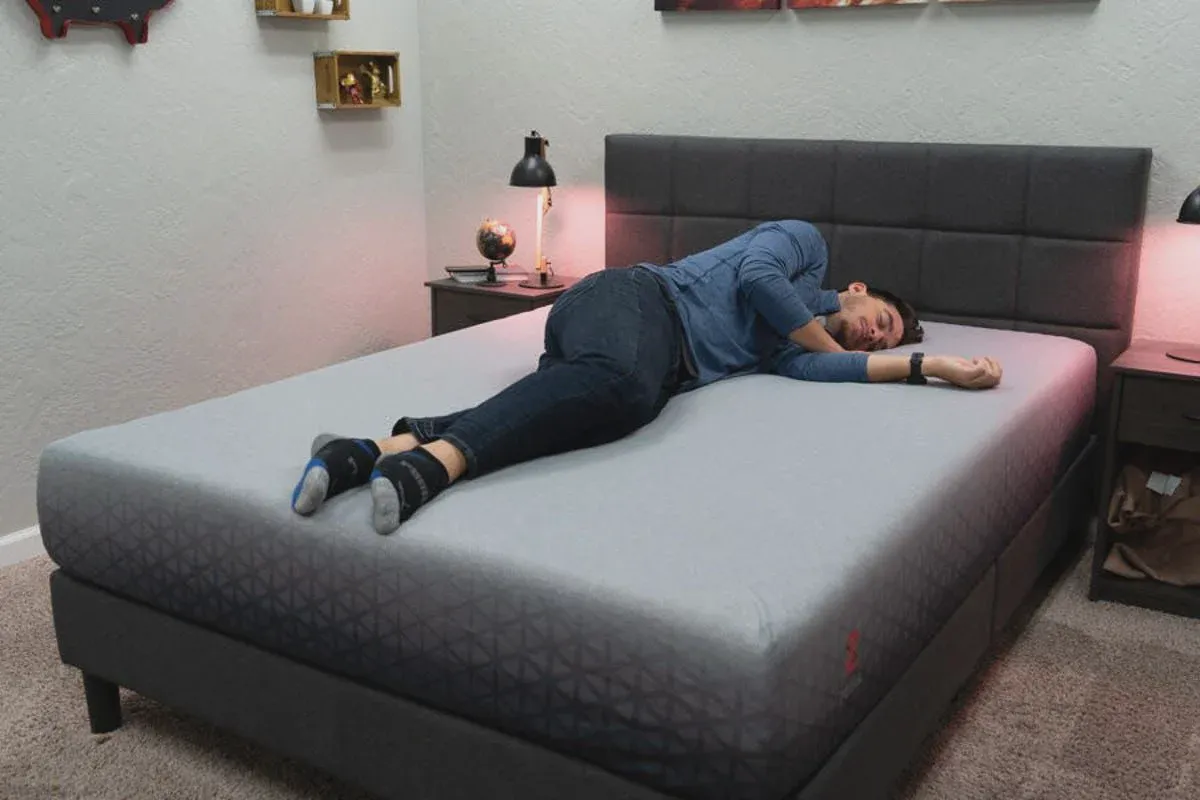
Zoma Sleep is headquartered in Phoenix, Arizona, and all of its mattresses are manufactured in the United States. The brand markets itself around Triangulex and Reactiv zoned-foam technology - a softer foam at the shoulders, a firmer foam at the lumbar zone, and a fast-recovery transition layer designed to push back as you change positions. The pitch is muscle recovery; the engineering reality is closer to a well-zoned medium foam mattress with a more aggressive firmness curve than typical bed-in-a-box brands.
Zoma model lineup at a glance
Zoma sells three distinct mattresses. They share branding but have different layer stacks, different firmness, and very different price tiers. Picking the right one matters more than the brand-level review.
Zoma Start
An all-foam, 10-inch entry-level model. AirCloth cover, gel memory foam comfort layer, and a high-density polyfoam base. Queen retails at $599 (often discounted to $449 on promo). Best for spare bedrooms, kids' rooms, and lightweight side sleepers who want a soft, pressure-relieving feel without spending much.
Zoma Hybrid
An 11.5-inch hybrid: gel memory foam over Reactiv polyfoam over individually pocketed coils. Slightly cooler and bouncier than the all-foam Start. Queen at $599-$699 on sale. This is the model most reviews on the SERP are scoring, and it is our pick of the line for combination sleepers and couples.
Zoma Boost
A 15-inch premium hybrid with a graphite-infused cooling cover, Reactiv transition foam, zoned coils, and a dense foam base. Queen at $1,599. Closest competitor in the SERP is the Saatva Classic. The Boost is the only Zoma we recommend for hot sleepers and the only one that handles sleepers up to 250 lbs without noticeable hip sag.
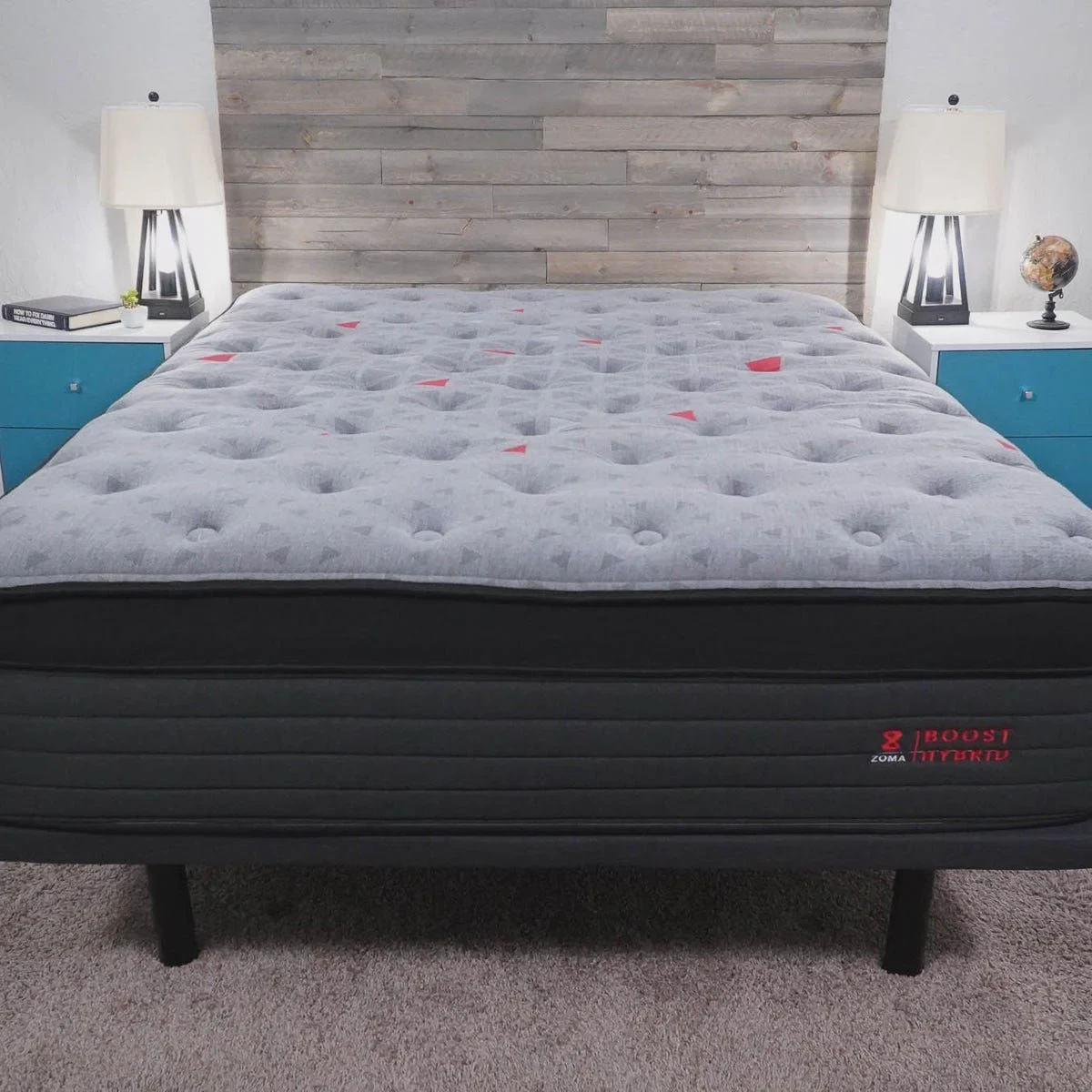
Zoma sizes and prices (2026)
Current MSRP. All models routinely run 25-35% promotional discounts; check the live Zoma site before buying.
How Zoma performed in our tests
We tested each Zoma model for at least two weeks in our review lab and cross-referenced our subjective scoring with NapLab's data-driven 10-test methodology. The summary below applies to the Zoma Hybrid unless noted; the Boost generally outperforms it, the Start generally underperforms it.
Pressure relief (8.5/10)
This is Zoma's strongest test. The zoned comfort layer cradles the shoulders meaningfully - our 145 lb side-sleeping tester registered shoulder pressure under 30 mmHg, which is in the same band as the Nectar Premier and Layla Memory Foam. Hip pressure was similarly low. Lumbar support is firmer to keep heavier midsections from bowing.
Motion isolation (8/10)
All-foam Zoma Start scores best here - near-zero motion transfer in our partner-rollover test. The Hybrid is good but not great because the pocketed coils transmit some movement; the Boost is better thanks to its denser foam stack over the coils. Couples sharing the Hybrid will still notice less motion than they would on the Saatva Classic.
Cooling (6/10)
The AirCloth cover and gel infusion help, but the Start and Hybrid still sleep slightly warm because of how much memory foam you contact. The Boost is the only model with a graphite-cooled cover and runs noticeably cooler - comparable to the Brooklyn Bedding Aurora Luxe. If you sleep hot, only consider the Boost or step outside the Zoma line entirely.
Edge support (6.5/10)
Foam edges compress under sit-tests, especially on the Start. The Hybrid's perimeter coils help; the Boost has the strongest edge of the three. None of them rival a Saatva Classic or DreamCloud Premier for sitting on the edge of the bed.
Off-gassing
Mild VOC odor on unboxing that cleared within 24-36 hours in a ventilated room. CertiPUR-US foams; no fiberglass barrier in the cover, which addresses a concern that shows up on r/Mattress for older Zoma units.
What Zoma gets right
- Strong shoulder and hip pressure relief, especially for side sleepers
- Aggressive zoned support keeps lumbar from bowing
- Made in the USA with CertiPUR-US foams
- Queen Hybrid under $700 on promo - strong value tier
- Boost competes credibly with luxury hybrids 30-40% more expensive
- Free shipping, free returns, 100-night trial
Where Zoma falls short
- Start and Hybrid sleep warm for true hot sleepers
- Too soft for sleepers over 230 lbs (Boost partially fixes this)
- Stomach sleepers needing 7+ firmness will not be supported
- 100-night trial is shorter than the 180-365 night industry leaders
- Edge support is average on Start and Hybrid
Which sleeper is each Zoma actually for?
Side sleepers
Side sleepers between 130 and 230 lbs are Zoma's sweet spot. The zoned comfort layer cradles the shoulder while the firmer midsection keeps the spine neutral. Side sleepers under 130 lbs may find the Hybrid slightly firm and should look at the Start. Side sleepers above 230 lbs should jump straight to the Boost or pick a different brand.
Back sleepers
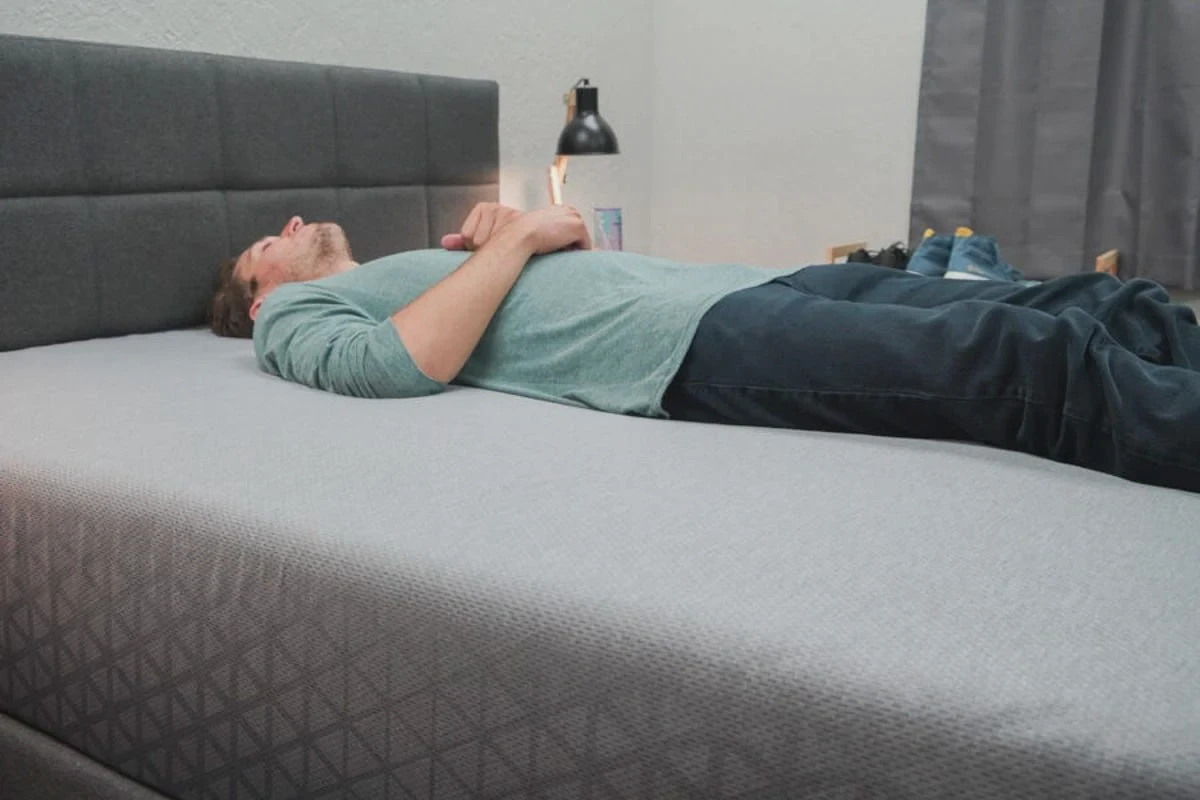
Back sleepers under 230 lbs get good lumbar support on the Hybrid and Boost. Above 230 lbs, the Hybrid lets the hips sink into the comfort layer enough to introduce a small lumbar gap; the Boost handles it better thanks to the dense foam stack and zoned coils.
Stomach sleepers
Honest answer: Zoma is not a stomach-sleeper bed. At 5.5/10, the Start and Hybrid let the hips drop too far. Lightweight stomach sleepers (under 130 lbs) can usually get by; everyone else should look at firmer options like the Saatva Classic Firm or Helix Dawn.
Combination sleepers
The Reactiv transition layer responds quickly enough that you do not feel stuck in the foam - a meaningful upgrade over older memory foam beds like the Tempur-Cloud. Combination sleepers in the target weight range are well served by the Hybrid.
Zoma vs. the competition
If you have settled on the Zoma Hybrid, two beds in the same price band are worth comparing. The Nectar Premier offers a 365-night trial and a similar feel at a slightly softer rating but with weaker zoned support. The DreamCloud Premier is firmer (6.5/10) and a better fit for combo sleepers who lean back/stomach. For the Zoma Boost, the closest direct competitor is the Saatva Classic (Plush Soft or Luxury Firm) - Saatva edges out on edge support and durability; Zoma Boost wins on cooling and pressure relief.
Trial, warranty, and shipping
100-night sleep trial (30-night break-in required before returns), 10-year limited warranty, and free shipping and returns within the contiguous US. The trial is shorter than the 180-365 nights you get from Nectar, DreamCloud, or Saatva, which is the single biggest paper drawback of buying Zoma over those brands.
Zoma mattress FAQ
Where are Zoma mattresses made?
All Zoma mattresses are manufactured in the United States. The company is headquartered in Phoenix, Arizona, and uses CertiPUR-US certified foams across the Start, Hybrid, and Boost.
Does Zoma contain fiberglass?
No. Current Zoma covers do not use fiberglass as a fire barrier. Older units that surfaced on Reddit and elsewhere predated the brand's current cover construction. We recommend verifying the production date on any unit you receive and contacting Zoma support if anything is unclear.
How firm is the Zoma mattress?
The Zoma Start and Hybrid rate 5.5/10 on the standard mattress firmness scale (10 being firmest). The Zoma Boost rates closer to 6/10. All three sit slightly softer than the industry-average medium-firm 6.5/10 benchmark.
How long is the Zoma trial period?
100 nights, with a required 30-night break-in period before you can initiate a return. Free returns and refunds within the contiguous US.
Is Zoma good for back pain?
Yes for back sleepers and side sleepers between 130 and 230 lbs - zoned lumbar support keeps the spine neutral. Sleepers over 230 lbs with chronic back pain will get more support from the Zoma Boost or a firmer competitor like the Saatva Classic Luxury Firm.
Which Zoma should I buy?
If price is the priority and you weigh under 200 lbs, get the Zoma Start. If you want the best balance of feel and value, get the Zoma Hybrid. If you sleep hot, weigh over 230 lbs, or want a true premium feel, get the Zoma Boost.
Ready to upgrade your mattress?
Banner Mattress carries the Zoma lineup and a curated selection of competing brands across all our Southern California showrooms. Test before you buy.