Short answer: yes - a trundle bed is worth it if you need an occasional second sleep surface in a small room, a kids' bedroom, or a guest space, and you're realistic about who will sleep on it. For nightly use by an adult, or in a tight, humid room, you're usually better off with a daybed plus a separate platform bed, or a pull-out sofa.
This guide is the honest version: when a trundle pays for itself, when it quietly disappoints, and exactly what to check before you buy. If you already know you want one and just need a mattress for it, jump straight to our best trundle bed mattress picks.
What is a trundle bed?
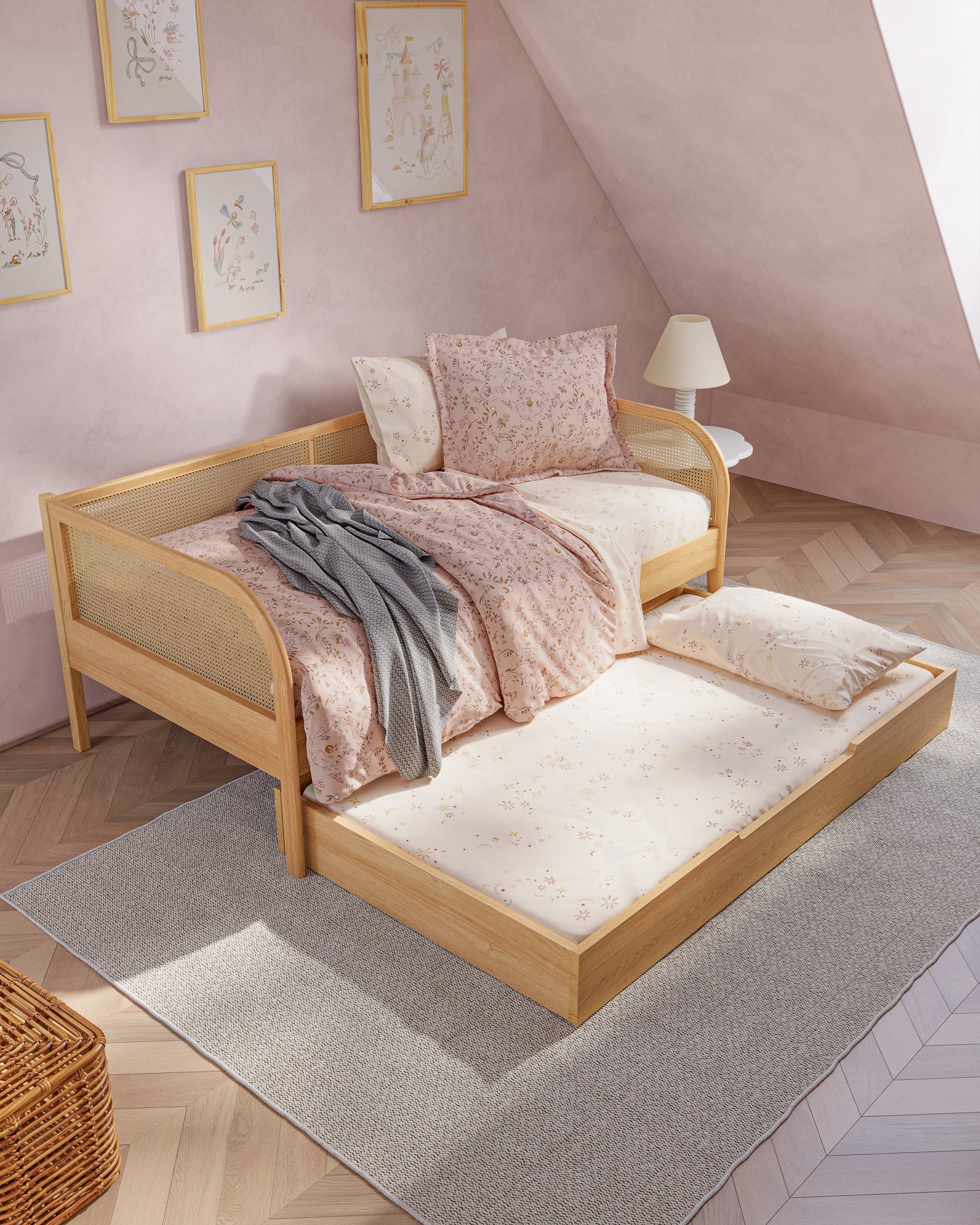
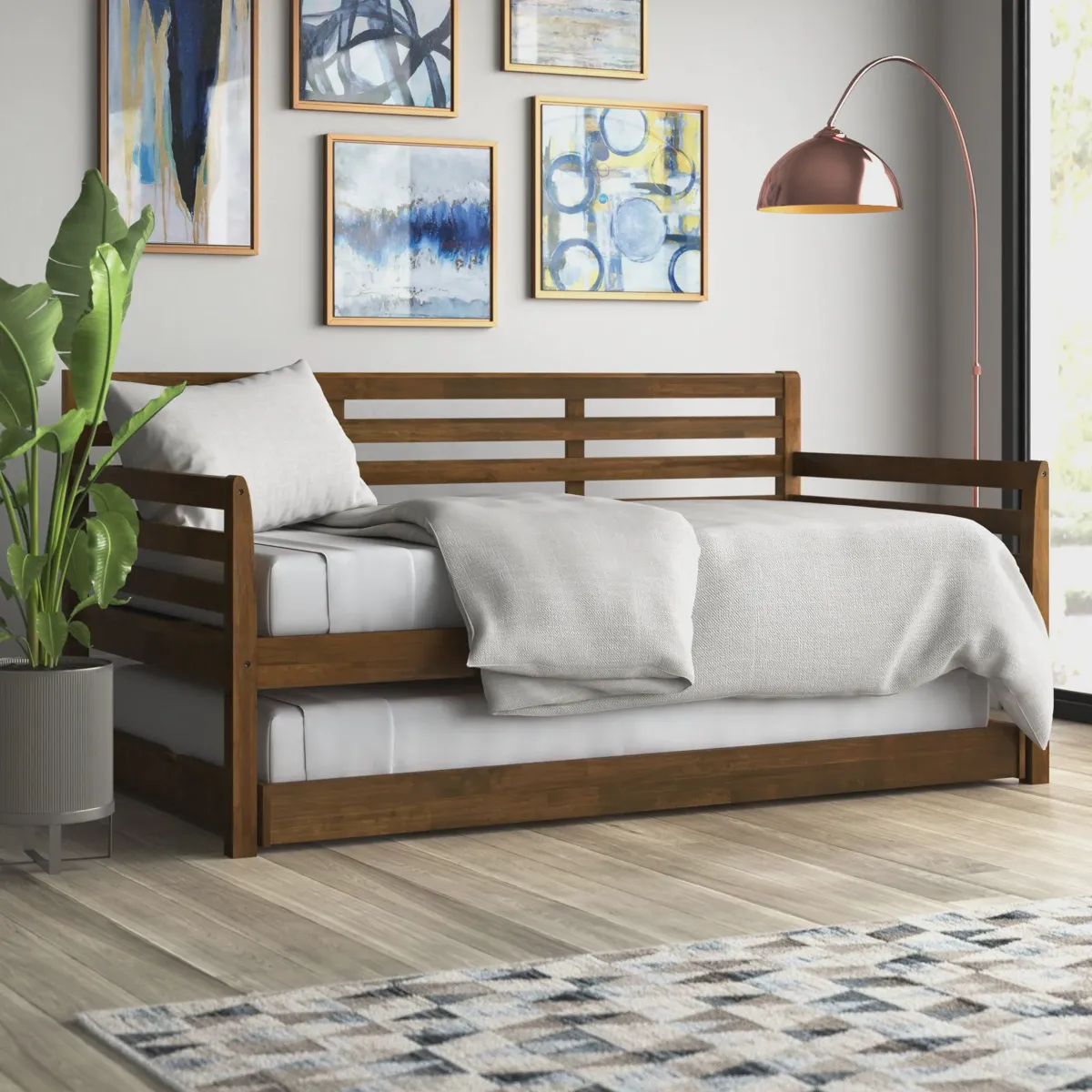
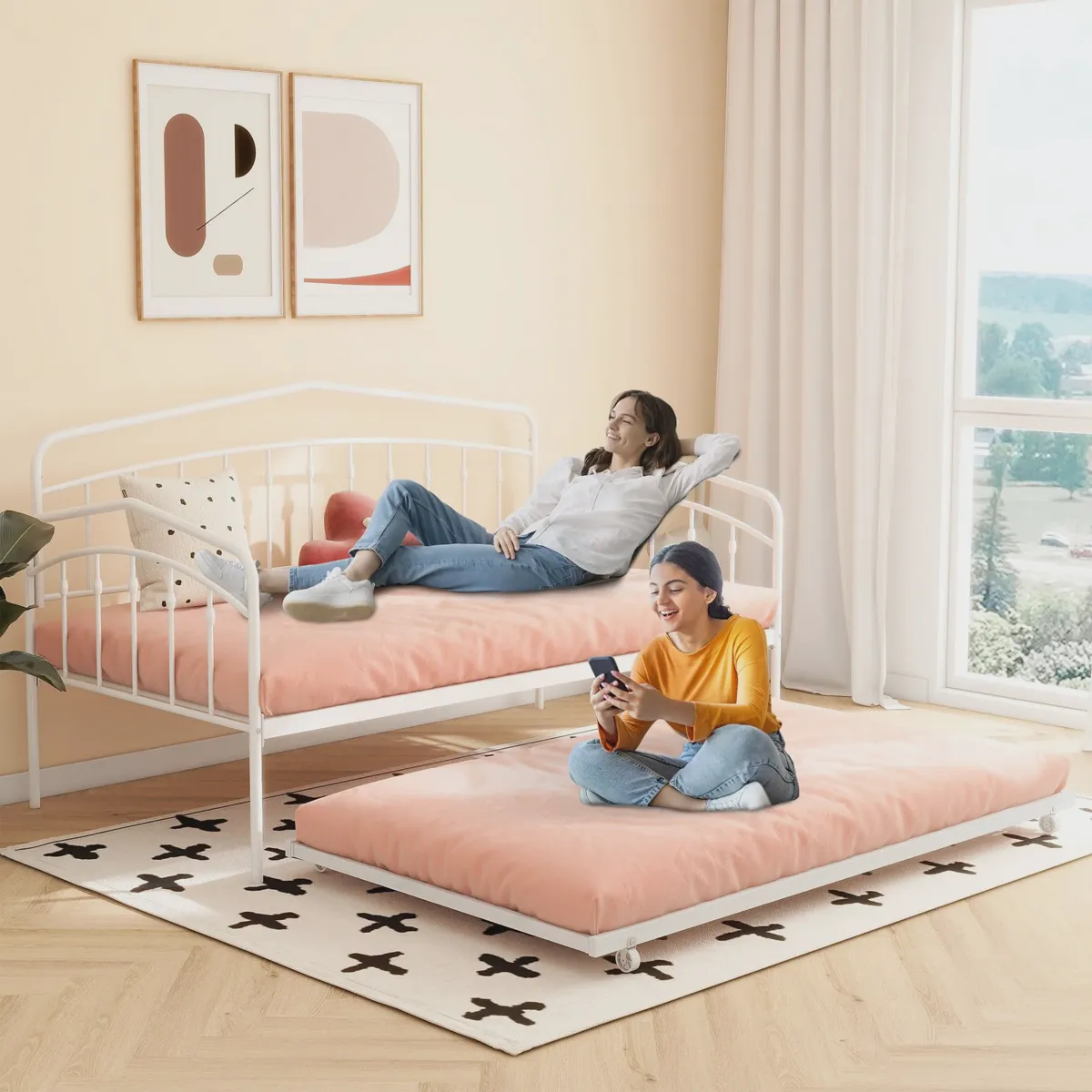
A trundle bed is a low, wheeled second bed that slides under a primary bed or daybed when not in use. Most modern trundles come in two flavors:
- Standard (low-rise) trundle: stays at floor level when pulled out - fine for kids and short-stay guests, but the height gap below the main bed can feel awkward for adults.
- Pop-up trundle: lifts on a hinged or scissor mechanism so the second mattress sits at the same height as the main bed, creating a king-sized sleep surface. Better for adults but limits mattress thickness.
Most trundle frames take a twin (38" × 75") mattress. Twin XL and full-size trundles exist but are rarer; queen and king trundles are essentially nonexistent off the shelf.
When a trundle bed is worth it
Trundles earn their keep in a few specific situations. If two or three of these describe you, you're a strong candidate:
- Kids who share a room. A trundle gives each child their own mattress while keeping daytime floor space clear.
- Occasional guests in a small home or apartment. Pull it out a few nights a year, slide it back the rest of the time.
- Sleepovers and short-term cousins/grandkids. A daybed with a trundle replaces a guest room entirely.
- Studio apartments where a sofa bed isn't ideal. A daybed plus pop-up trundle doubles as seating during the day and a queen-equivalent sleep area at night.
- Vacation homes and short-term rentals. Cheaper, lower-maintenance, and better-looking than a fold-out cot.
When to skip the trundle
Trundles look great in a brochure, but they fail in predictable ways. Skip the trundle if any of these apply:
- You need a nightly bed for an adult. Standard trundle mattresses are limited to roughly 6-8 inches thick, and most frames are rated for around 250 lbs - usable, but not luxurious for everyday sleep.
- Carpeted or thick-rug floors. Wheels bind, and the trundle becomes a two-person job to pull out.
- Damp or humid rooms (basements, garage conversions). The mattress sits on the floor under another bed - exactly the worst spot for ventilation and a fast track to mildew.
- Adults with knee, hip, or back issues. The lower mattress sits 6-10 inches off the ground; getting in and out is rough.
- You want full-size, queen, or king. Once you go beyond a twin or full, a Murphy bed, sofa bed, or proper guest room is a better answer.
- Heavy bed-jumping kids. Lower trundle frames take more abuse than they look - splits and broken slats are common warranty claims.
Pros
- Adds a real second mattress without taking floor space
- Pop-up versions create a king-equivalent sleep surface
- Cheaper than a sofa bed and far more comfortable than an air mattress
- Works as both seating (daybed) and sleeping
- Easier to make up than a fold-out couch
Cons
- Limited to twin/full sizes in practice
- Trundle mattresses must be thin (6-8 inches), which limits comfort options
- Frames are usually rated to ~250 lbs - light-duty by mattress standards
- Hard to roll on carpet or rugs
- Lower bed sits near the floor - bad for humid rooms and tough on adult knees
How to buy: what actually matters
1. Standard vs. pop-up
If the trundle is for kids or a child's friend, a standard low-rise trundle is fine and saves money. If you ever expect adults to sleep on it more than a couple of nights a year, pay the upgrade for a pop-up frame - the height match makes the difference between "a bed" and "a glorified cot."
2. Mattress thickness and type
Most trundle frames cap mattress thickness at 6-8 inches so the lower bed clears the upper frame. That rules out most premium hybrids. Look for a thin memory foam, hybrid, or innerspring built for low-profile frames. We cover specific picks in our trundle bed mattress guide and our best 6-inch mattress roundup.
3. Frame material
- Solid wood: best for longevity and looks; heaviest. Pine and rubberwood are common at mid-price.
- Metal: lightest and cheapest, but listen for squeaks at the trundle joint after a year of use.
- Upholstered: looks the most like a regular bed; harder to clean, so skip it for kids who eat in bed.
4. Wheels and ease of use
Test the slide before you commit. Locking casters, low-friction glides, and a built-in pull handle separate the good frames from the ones that get used twice and then never again. If the room has carpet, prefer a frame with full-width casters (not corner pegs).
Trundle vs. the alternatives
- Bunk bed: better when both sleepers are nightly users and you have ceiling height. Worse for guests, harder to make up.
- Sofa bed/sleeper sofa: better in living rooms and for back-pain guests (proper foam mattress). Worse value and notably worse comfort once you compare a trundle with a real twin mattress.
- Murphy bed: better for adults who'd actually sleep there nightly. Much higher cost and install effort.
- Air mattress: cheapest, but a trundle wins for any guest staying more than two nights.
The bottom line
A trundle bed is worth it when it solves a real problem: kids in a shared room, occasional guests in a small home, or a studio that needs to switch between living and sleeping space. Buy a pop-up version if adults will use it. Pair it with a thin, breathable mattress, keep it out of damp rooms, and it'll quietly earn its keep for years.
Once you've picked a frame, the next decision is the mattress that goes on top - and that one matters more for sleep quality than the frame itself. Start with our best trundle bed mattress and best daybed mattress guides.
Trundle bed FAQ
Can adults sleep on a trundle bed every night?
It's possible but not ideal. Most trundle frames are rated to about 250 lbs and only fit 6-8 inch mattresses, which limits how supportive the bed can be. For nightly use by an adult, a pop-up trundle with a quality 8-inch hybrid is the minimum bar - and even then, a regular platform bed is more comfortable long-term.
What size mattress does a trundle bed take?
Almost all trundles take a standard twin (38" x 75"). Twin XL trundles exist but are uncommon; full-size trundles require a larger primary bed or daybed. Queen and king trundles aren't really a category - at that point you're shopping for a Murphy bed or sofa bed.
How thick can a trundle mattress be?
Most frames cap out around 6-8 inches so the lower bed clears the upper frame when stowed. Always check the spec sheet for max trundle mattress height before buying a mattress.
Are pop-up trundles worth the upgrade?
Yes, if adults will ever sleep on it. Pop-up mechanisms raise the second mattress to match the main bed's height, turning two twins into a king-equivalent sleep surface. The hardware adds $100-$300 to the price but is the difference between a real guest bed and a kid's spare.
Are trundle beds bad for your back?
Not inherently - back issues come from the mattress, not the frame. But trundle mattresses are limited in thickness, and the low height makes getting up harder if you already have hip or knee pain. If you have chronic back pain, prefer a pop-up frame and the firmest 8-inch mattress that fits.
Do trundle beds need a box spring?
No. Trundles are designed to use the frame's own slats or platform - adding a box spring usually exceeds the height clearance. If you want extra support, swap to a thin bunkie board (1-2 inches) instead.
Need a mattress for your trundle?
Banner Mattress carries low-profile twin and full mattresses sized for trundle and daybed frames, with options for kids, guests, and adult nightly use.