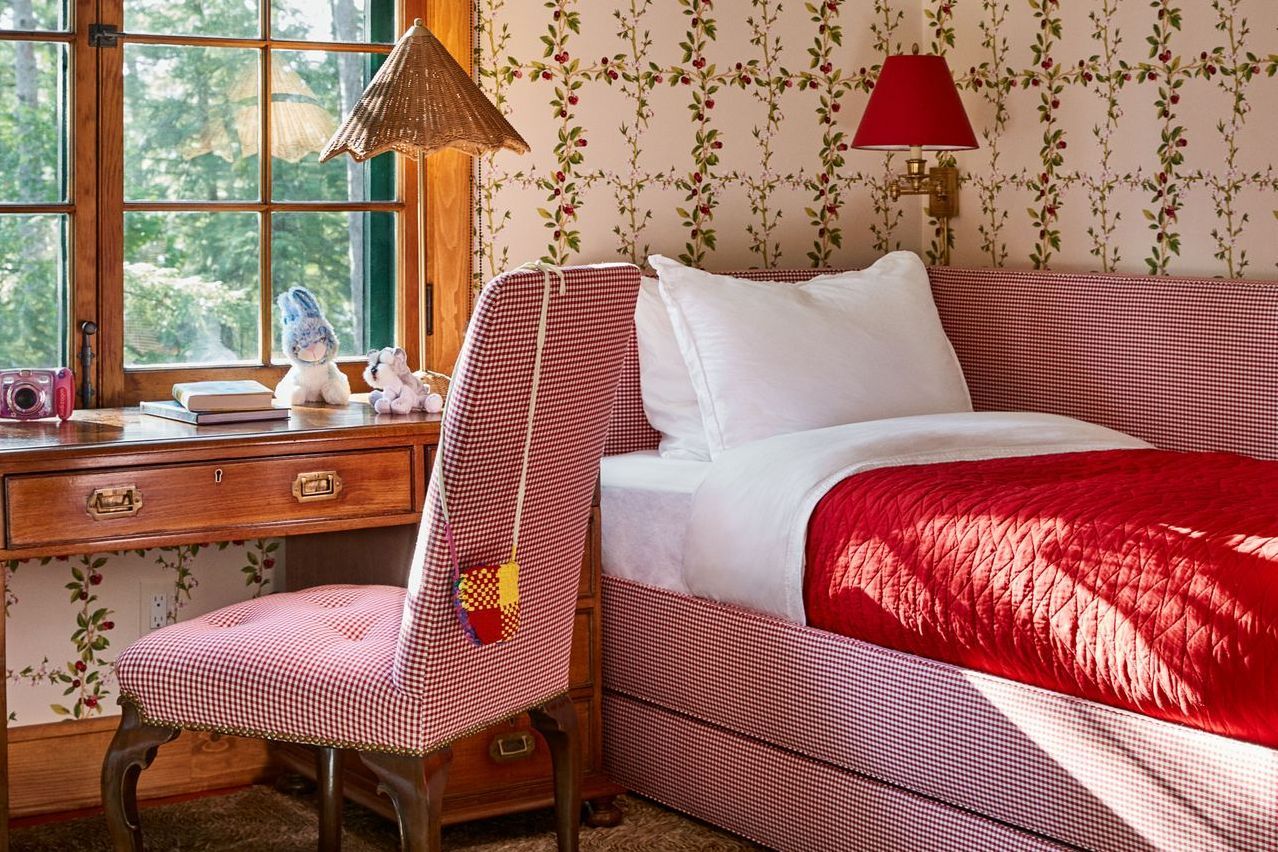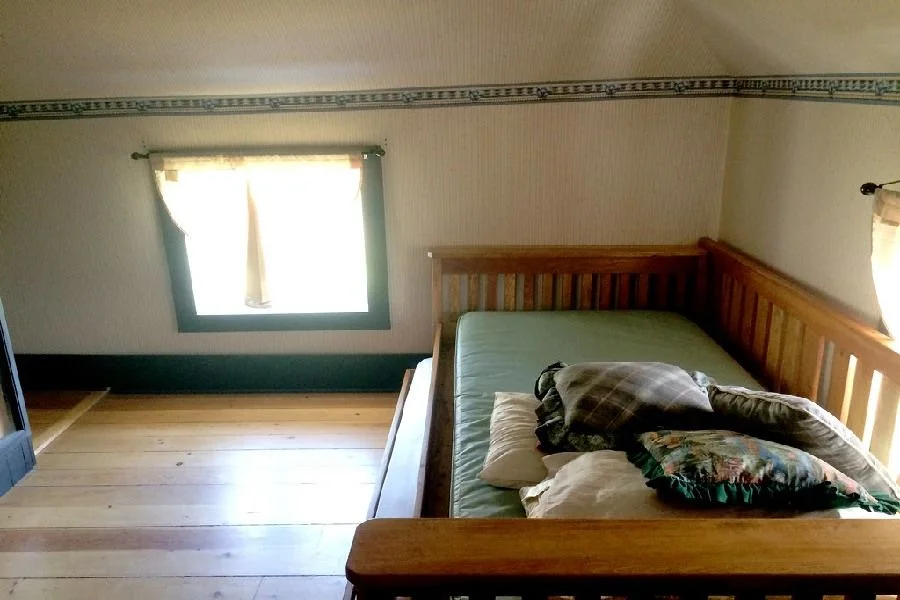
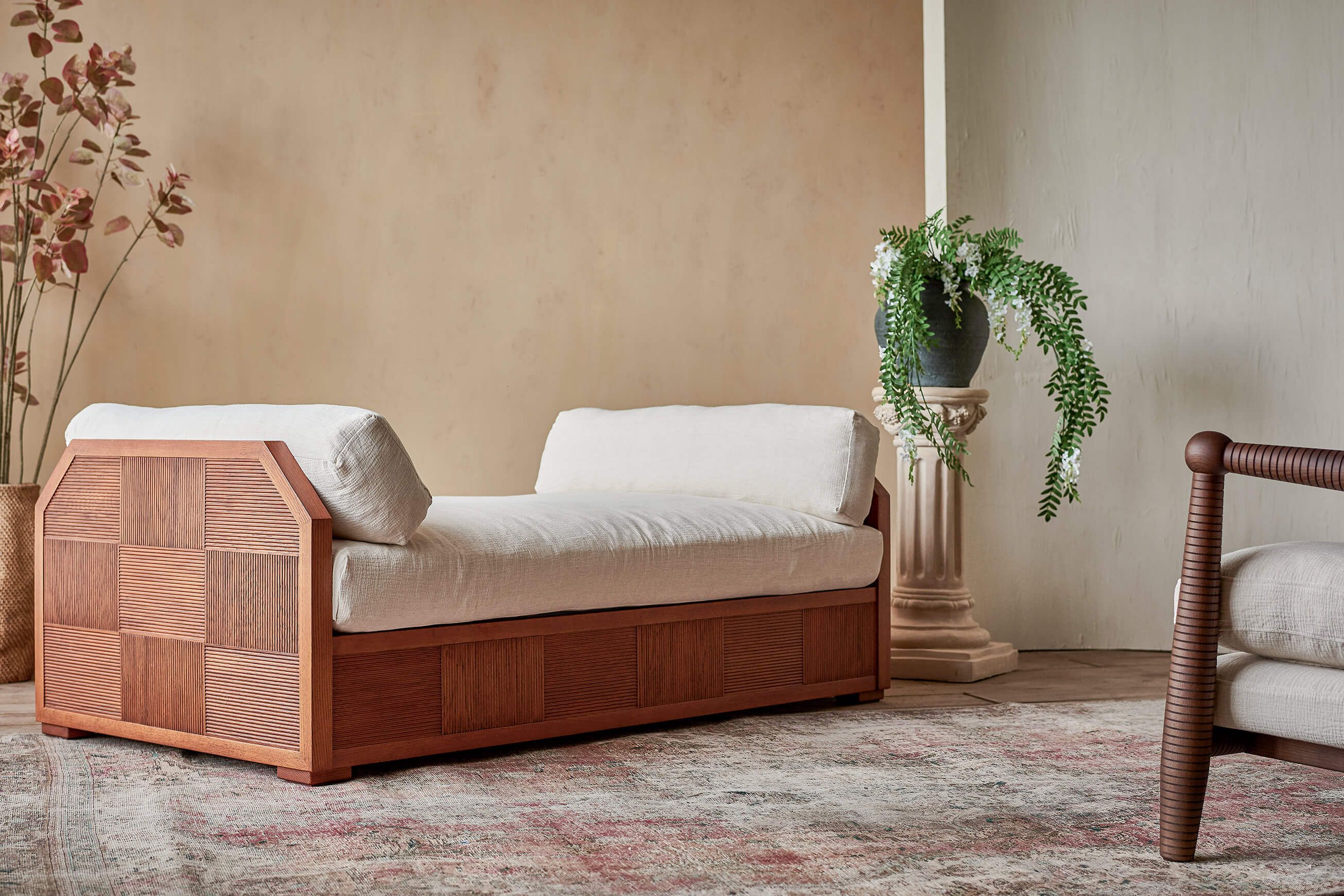
A daybed lives a double life: it has to feel like a couch when guests are over and like a real bed at the end of the night. The mattress is what decides whether it pulls that off. Pick something too plush and the seat sags; pick something too tall and the backrest disappears. Get it right and a daybed is one of the most flexible pieces of furniture in the house.
Across mainstream daybed mattress guides - Mattress Firm, Puffy, Mattress Insider, and Sleep Foundation - the consensus is the same: a 6-to-8-inch, medium-firm twin built from foam, latex, or low-profile hybrid is the safest bet. Anything thicker than ten inches starts to swallow the back rail; anything softer than medium feels like a sagging couch by week two.
What makes a good daybed mattress
Before the picks, three quick rules that the top SERP results all repeat:
- Thickness: 6-8 inches if the daybed is mostly a sofa; 8-10 inches if it's a primary sleep surface. Avoid 12-inch profiles.
- Firmness: medium-firm. Soft mattresses feel great horizontally but lousy as a backrest.
- Size: standard twin (38" × 75") for the vast majority of daybeds. A few full-size daybeds exist; measure before you buy.
- Material: foam, latex, or hybrid. Pure innerspring sits high and bounces too much for sofa duty.
- Trundle: if the daybed has a pop-up trundle, the bottom mattress must clear the frame - usually 6 inches or less.
Best daybed mattresses for 2026
Six editor-rated daybed picks, ranked by use case. Firmness shown on a 0-100 scale (50 = medium, 65 = medium-firm, 80 = firm).
We may earn a commission on purchases made through retailer links - it never changes which beds we recommend.
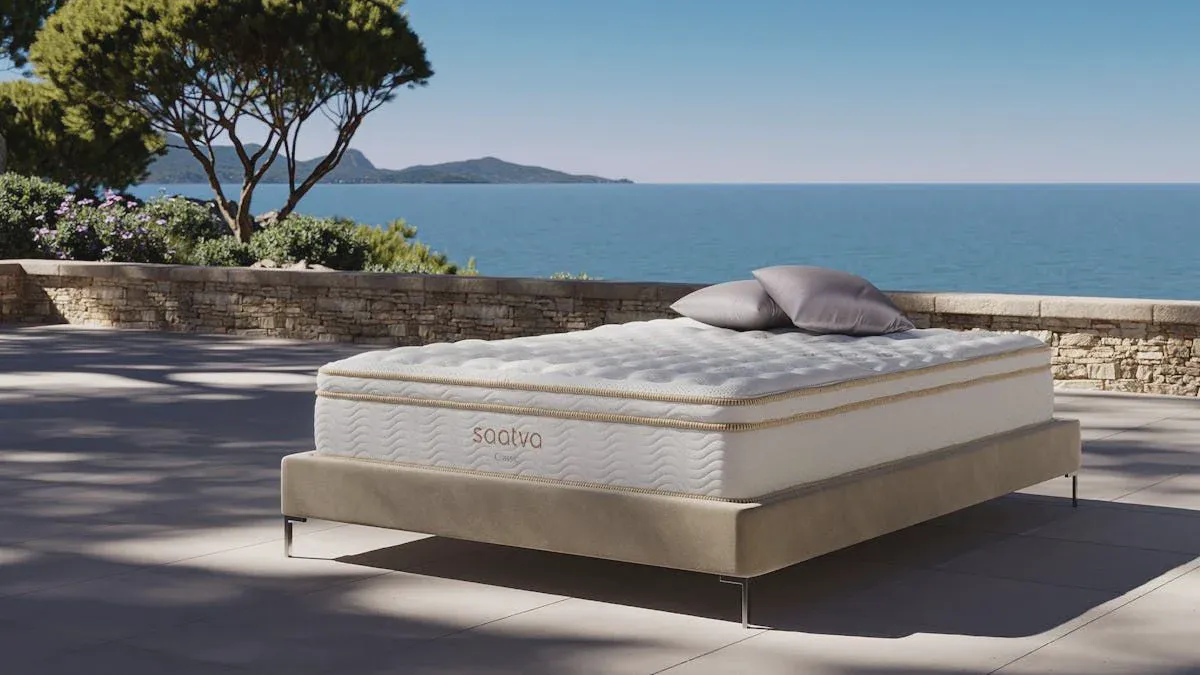
1. Saatva Classic - Best overall
Saatva's Classic is the mattress most editorial daybed guides - Sleep Foundation, Tom's Guide, Forbes - keep coming back to. It's an innerspring hybrid sold in three firmness levels (Plush Soft, Luxury Firm, Firm) and an 11.5" or 14.5" profile. For a daybed, the 11.5" Luxury Firm is the call: the firm Euro-pillow top sits comfortably for daytime lounging, and the dual-coil construction keeps the surface from feeling like a deep mattress trying to be a couch. A 365-night home trial means you can return it if the height is wrong for your specific frame.
Pros: white-glove delivery and old-mattress removal included; three firmness levels (pick Luxury Firm); 365-night trial.
Cons: 11.5" is on the tall side for some sofa-style daybeds; premium price compared to bed-in-a-box twins.
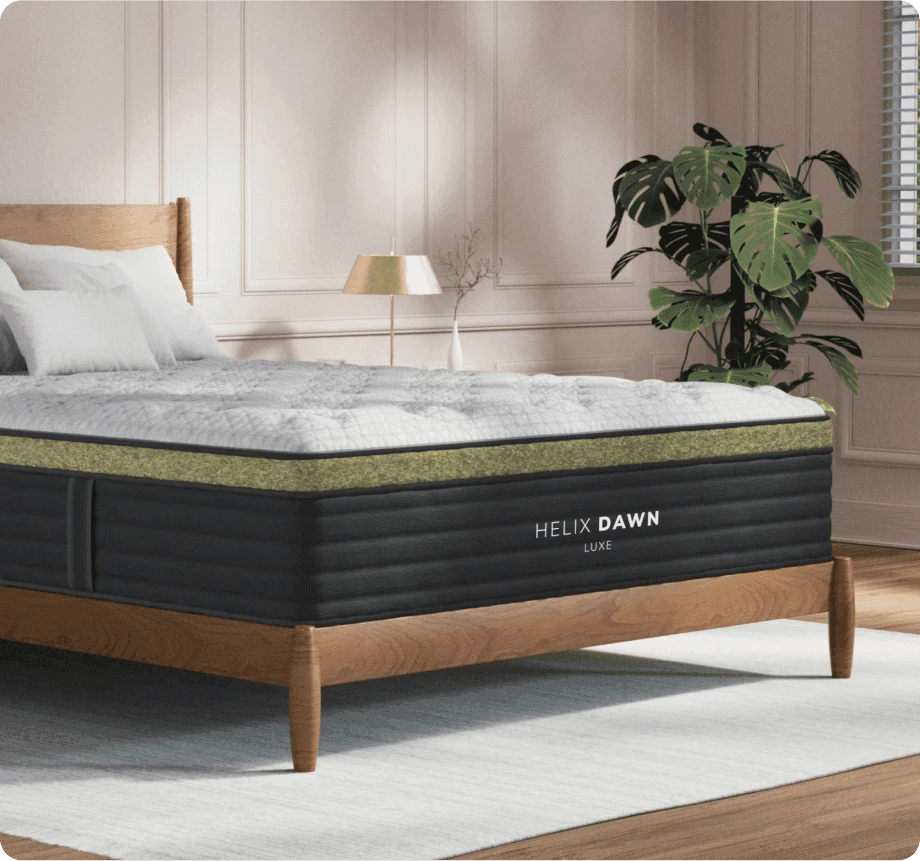
2. Helix Dawn - Best hybrid
The Dawn is Helix's firm hybrid - pocketed coils under a thin foam comfort layer, designed for back and stomach sleepers. On a daybed it's almost ideal: the firm surface holds shape when used as a couch, and the coil unit gives the bounce you want for an actual sleep. It runs around 11 inches, so it suits daybeds with a deeper rail rather than ultra-low sofa-style frames.
3. Amerisleep AS3 - Best for couples and guests
The AS3 is Amerisleep's medium model and the brand's best-seller for a reason: it accommodates back, side, and combination sleepers without picking a single position to optimize for. That makes it the right call for guest-room daybeds where you don't know who's sleeping there next. The Bio-Pur® open-cell foam runs cooler than traditional memory foam, which matters because daybeds tend to live in sun-facing rooms.
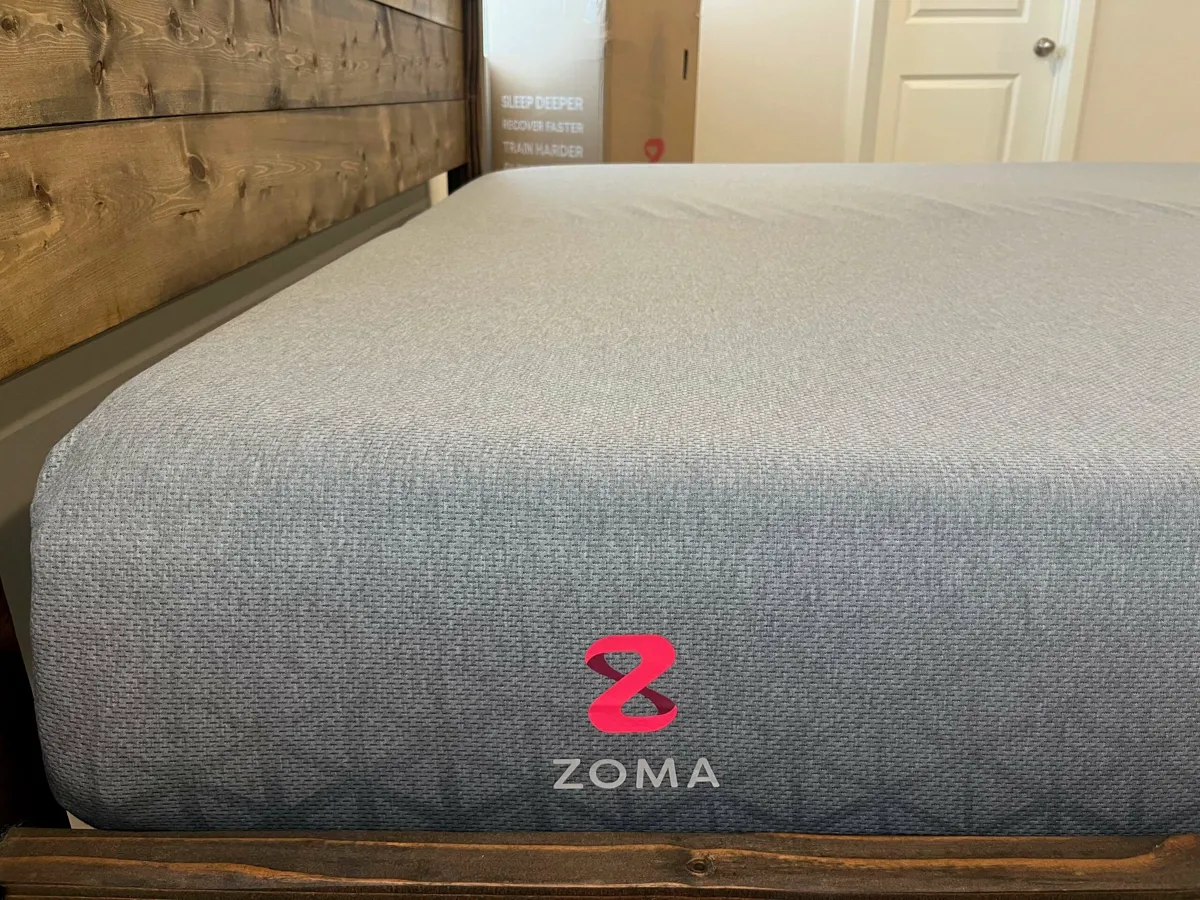
4. Zoma Start - Best memory foam
Zoma is Amerisleep's value sister-brand, and the Start is the entry-level model - a 10-inch, gel-infused medium foam at well under half the price of the AS3. SERP guides repeatedly flag it as the best memory-foam pick under $700 in twin. It's not the most luxurious mattress on this list, but for an occasional-use daybed in a home office or den, it punches above its weight.
5. Plank by Brooklyn Bedding - Best firm
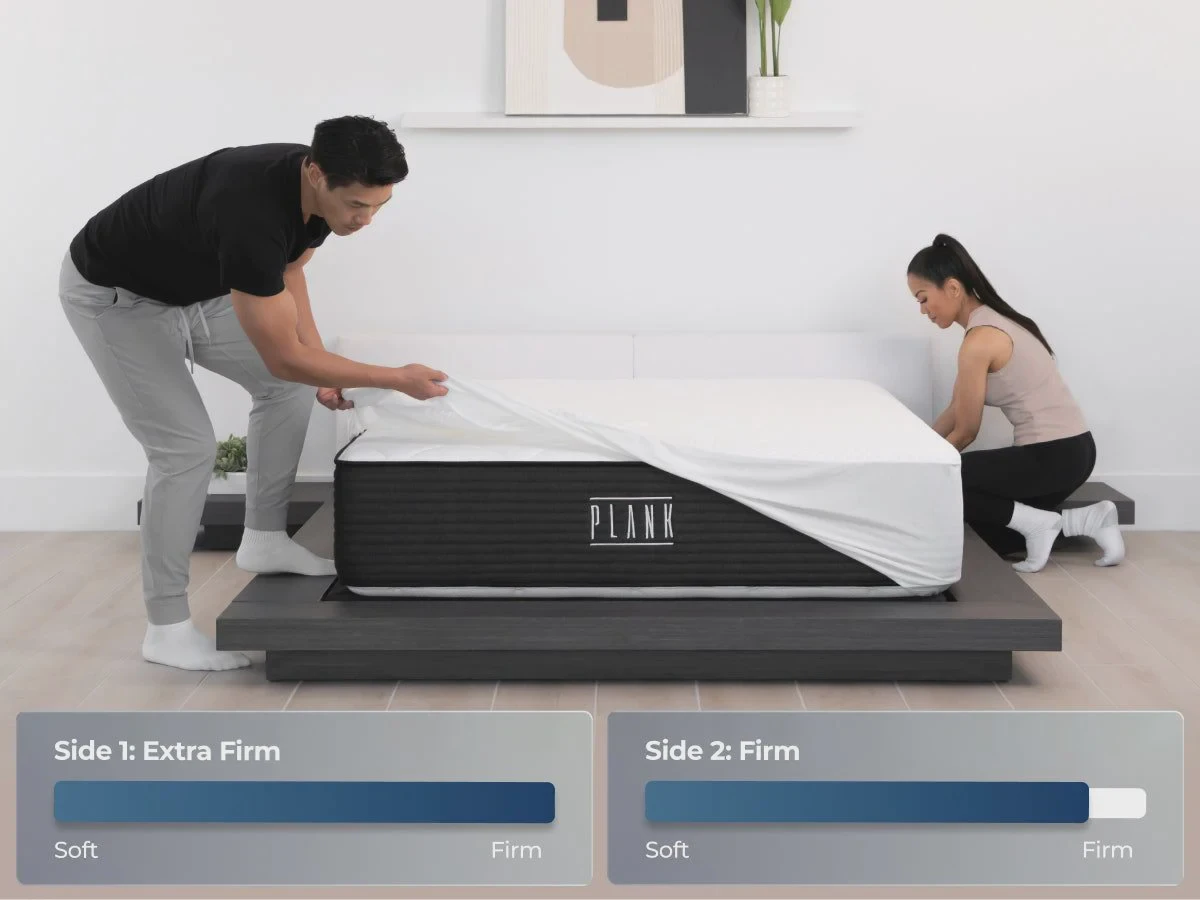
Plank is the rare flippable mattress: one side firm, one side extra-firm. If your daybed is mostly used as a sofa with overnight guests once a quarter, this is the most sofa-like mattress on the list. The trade-off is that side-sleepers will find both sides too firm; this is a back- and stomach-sleeper pick.
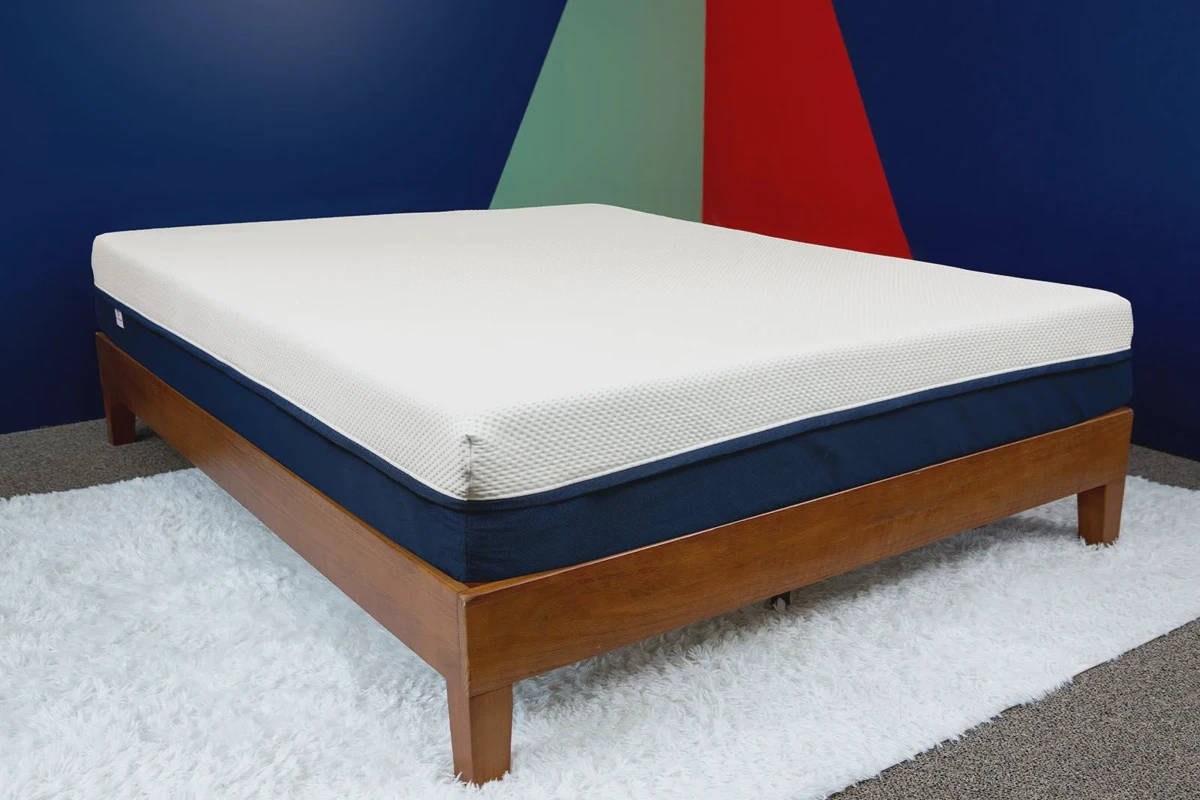
6. Vaya Mattress - Best budget
The Vaya is a single-firmness, mid-density foam mattress - no fancy materials, no zoned construction, just a comfortable medium feel at a low price. For a kid's-room daybed or a vacation-rental setup where the mattress will see seasonal use, it's hard to beat. 100-night trial is shorter than the Saatva or Helix windows but still long enough to test.
How thick should a daybed mattress be?
This is the question the SERP gets asked most, and the answer depends on how you'll use the daybed:
- Mostly a sofa: 6-8 inches. Keeps the seated height comfortable and lets the back cushions do their job.
- Mostly a bed: 8-10 inches. Better support for nightly sleep, with the back rail still visible.
- Trundle bottom: 6 inches or less. Has to physically clear the upper frame.
- Avoid: 12+ inch profiles. They push the seated height too high and make the daybed feel like a tall bed shoved against the wall.
Foam, hybrid, or innerspring?
Editorial guides line up consistently here:
- Foam (memory or poly): the most popular pick. Holds shape under daily sitting, comes in low profiles, ships in a box.
- Latex: more responsive than memory foam, longer-lived, naturally cooler. Costs more.
- Hybrid (low profile): good for nightly sleep duty; pick a model under 11 inches for daybed frames.
- Pure innerspring: generally avoided. Sits too high, bounces too much, doesn't hold shape under sofa-style use.
Daybed sizing: is it the same as a twin?
For 95% of daybeds: yes. A standard daybed takes a 38" × 75" twin. A small number of full-size daybeds exist (54" × 75") and require a full mattress instead. Twin XL (38" × 80") will not fit a standard daybed - the extra 5" of length hangs over the foot rail. Always measure the inside dimensions of the frame before ordering.
Daybed mattress FAQ
Do daybeds need a special mattress?
No. Standard twin mattresses fit standard daybeds - there's no "daybed-specific" category that matters. What matters is thickness (6-8 inches if you'll mostly use it as a sofa, 8-10 inches if it's a primary bed) and firmness (medium-firm holds up better as a backrest than a plush mattress).
How thick should a daybed mattress be?
6-8 inches for daybeds used mainly as a sofa, 8-10 inches for nightly sleep. Avoid 12+ inch mattresses on a daybed - they push the seated height up and make the back cushions feel awkward. If your daybed has a pop-up trundle, the bottom mattress needs to be 6 inches or less to clear the frame.
Can you use a memory foam mattress on a daybed?
Yes, and it's the most common pick. Foam mattresses come in low profiles, hold their shape under daily sitting, and don't sag at the front edge the way a plush mattress can. Look for medium-firm rather than plush, and check that the profile is 6-10 inches.
Will a twin XL fit a standard daybed?
No. Twin XL is 80 inches long; standard daybeds are built for a 75-inch twin. The extra 5 inches will overhang the foot rail. Measure the inside frame dimensions before you buy if you're unsure.
What firmness is best for a daybed?
Medium-firm. A daybed mattress has to work as a backrest during the day and a sleep surface at night, and medium-firm is the only setting that handles both. Plush mattresses sag visibly under sofa-style use; extra-firm mattresses are uncomfortable to sleep on for most people.