The short answer
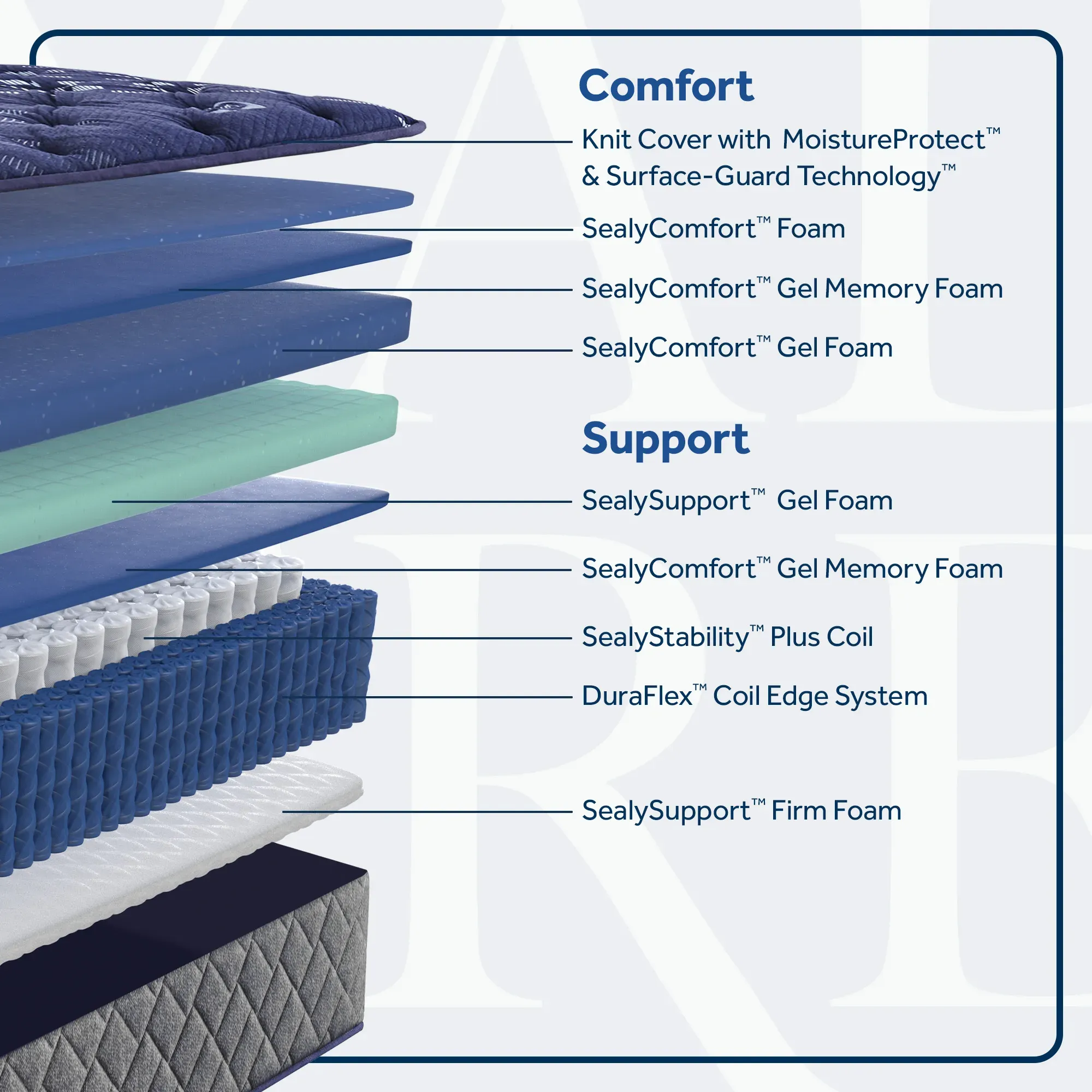
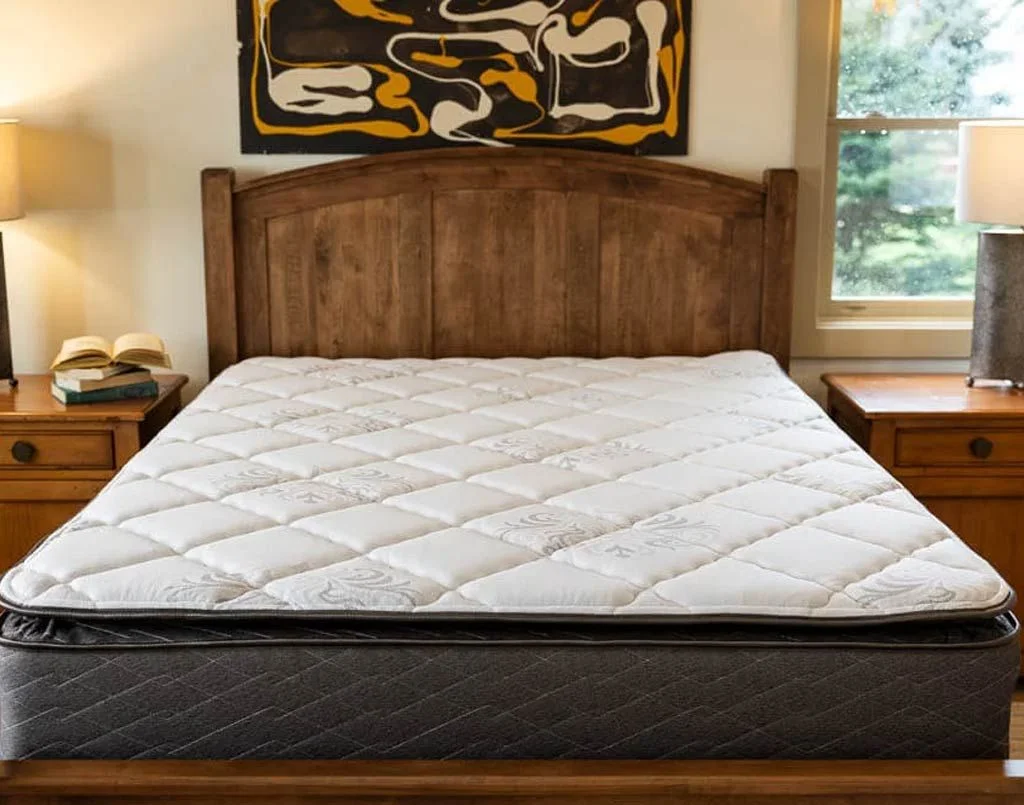
No - you should not flip a standard pillow top mattress. Roughly 95% of pillow tops sold today are one-sided: the plush top layer is stitched onto a firm, unfinished support core. Flip it and you sleep on a rough, uneven base that was never engineered as a sleep surface, and the comfort layer compresses against the box spring instead of your body.
There is one exception. A small number of double-sided (sometimes called "two-sided" or "flippable") pillow tops have padding on both faces and are specifically designed to be flipped every few months. If yours is one of them, the law tag and the manufacturer's care guide will say so explicitly. Assume one-sided unless the documentation proves otherwise.
When flipping helps (double-sided only)
- Distributes wear evenly across both comfort layers
- Doubles the usable life of a true two-sided mattress
- Reduces body impressions and edge sag
- Keeps firmness more consistent over years of use
Why flipping hurts a one-sided model
- Exposes the rough, unquilted support base as a sleep surface
- Crushes pillow top fibers between body weight and box spring
- Voids most manufacturer warranties on one-sided models
- Can damage internal foam channels or coil pocket fabric
- Often makes sagging worse, not better
How to tell if your pillow top can be flipped
Run through these four checks in order. If any single check points to one-sided, stop - do not flip.
1. Read the law tag
The federally required "do not remove" tag (usually sewn near a corner) lists the construction. Look for the words "two-sided," "double-sided," or "flippable." Anything else - including the common phrase "no-flip design" - means one-sided.
2. Look at both faces side by side
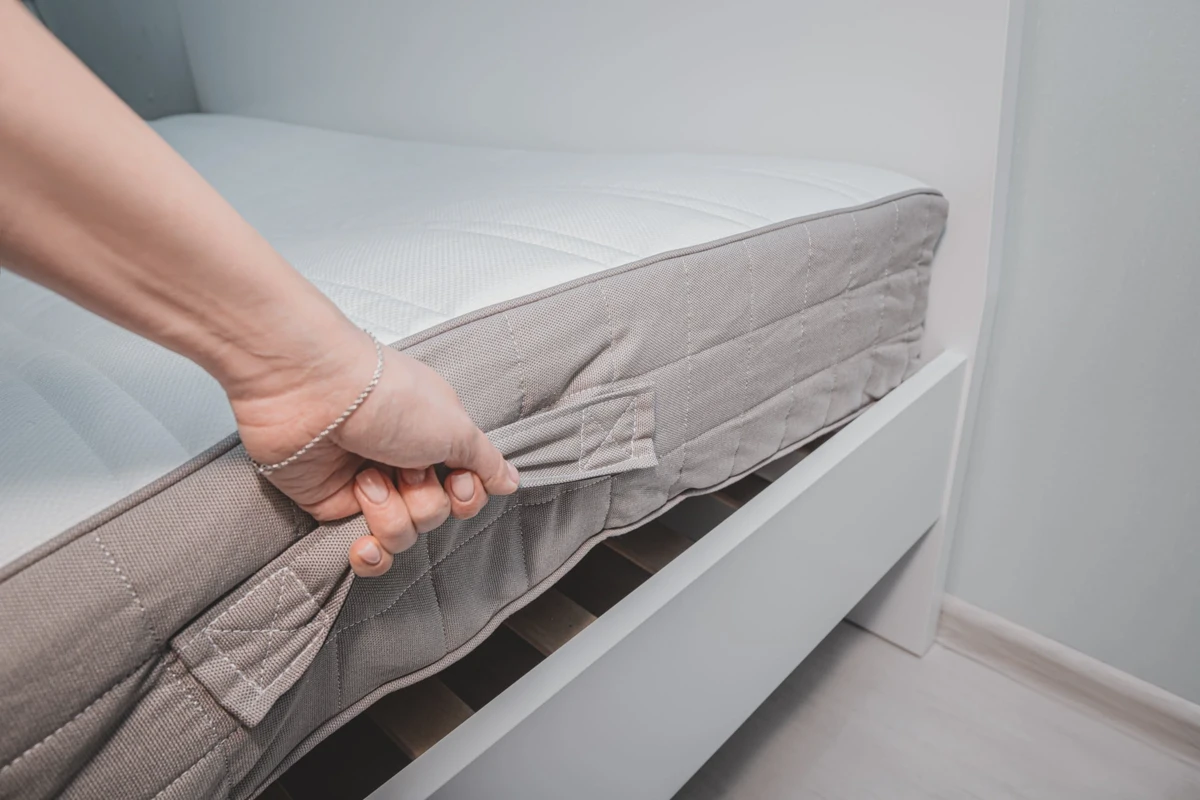
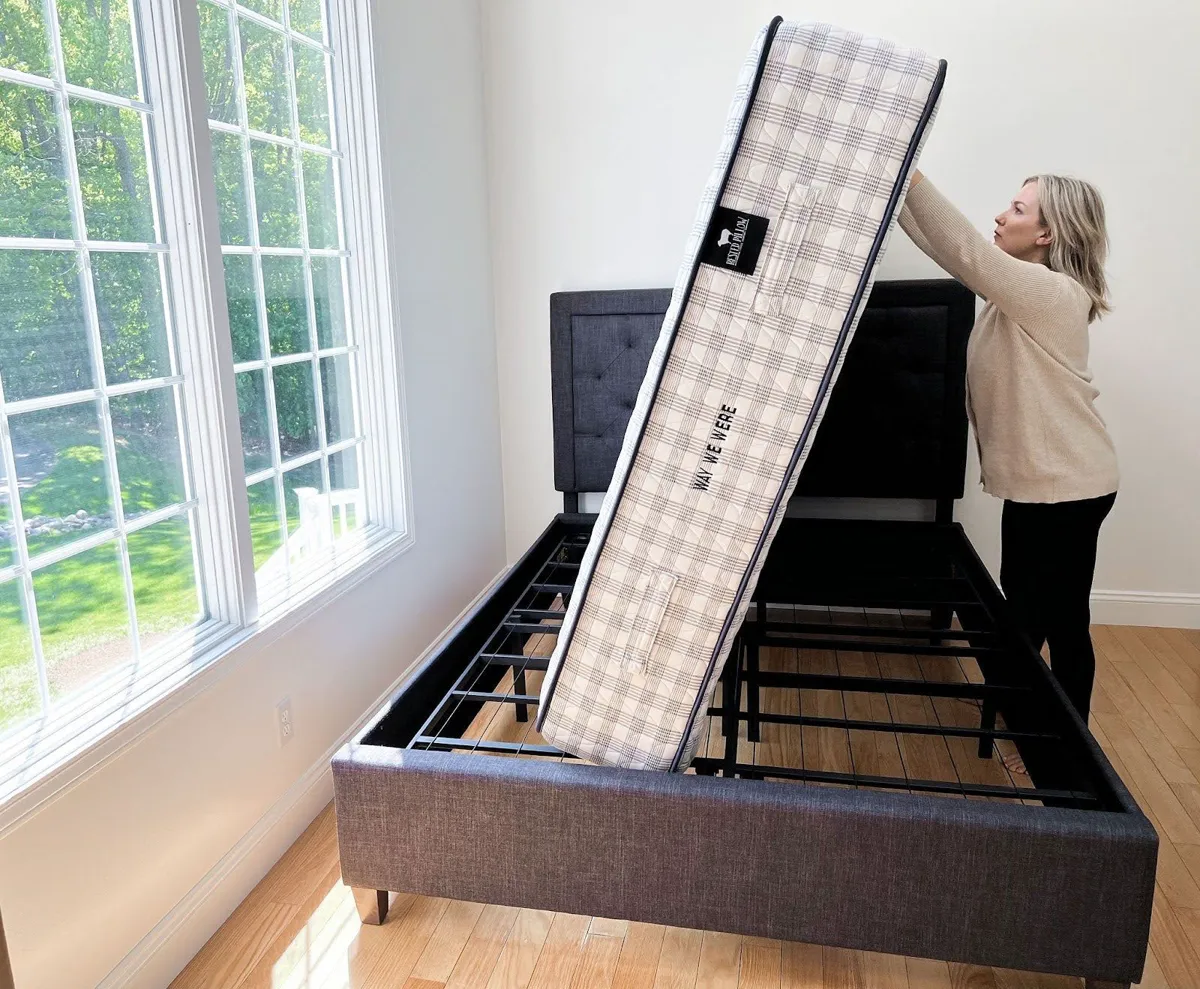
Stand the mattress on its edge. A flippable model has matching quilted pillow top panels on both faces. A one-sided model has a plush, padded face and a flat, woven, often gray fabric base with visible seams or strapping.
3. Check the manufacturer's care page
Search the brand's website for the model name plus "care" or "warranty." Most brands (Sealy, Serta, Beautyrest, Saatva, Nectar, Tempur-Pedic, Helix, Purple) state "do not flip" in their care instructions. If the page tells you to flip, you have a true two-sided mattress.
4. Look for handles and turning markers
Genuine flippable mattresses usually have reinforced handles on both long sides and sometimes printed arrows or season labels ("summer side" / "winter side"). Decorative handles on one side only are a styling cue, not a flip indicator.
Rotate instead - here is the schedule that works
Every modern pillow top should be rotated 180 degrees (head to foot) on a regular cadence. Rotation moves your body weight off the same coil zones and slows the development of dips and impressions.
Use this calendar based on age and use:
- Year 1 (break-in): rotate every 2 months. The comfort layer settles fastest in the first year.
- Years 2-5: rotate every 3-4 months. Tie it to a recurring date - daylight saving switches work well.
- Years 6+: rotate every 6 months. Beyond this point, rotation slows wear but cannot reverse it.
- Heavier sleepers (combined weight over 300 lb) or shared beds: increase frequency by one tier.
Five care habits that actually extend a pillow top's life
1. Use a breathable mattress protector from day one
A waterproof, breathable protector blocks sweat, skin oils, and spills from soaking into the comfort layer - that is what most often kills a pillow top before its tenth year. Breathable matters: vinyl-only protectors trap heat and moisture against the foam.
2. Pair it with a properly sized, slatted foundation
Most warranties require a rigid foundation with center support and slat gaps no wider than 3 inches. Old box springs with broken coils or sagging slats let the pillow top dip into voids and form permanent body impressions.
3. Keep weight off the edges
Edge support is the weakest part of any pillow top. Sitting on the same spot daily to put on shoes will create a dip that no amount of rotation can fix. If you sit on the edge often, rotate sides, or move the routine to a bench.
4. Vacuum, then spot clean - do not soak
Once a season, vacuum the surface with an upholstery brush. For stains, blot (do not rub) with a damp cloth and a small amount of mild detergent. Memory foam and pillow top fibers do not dry well - saturating the surface can lead to mildew inside the comfort layer.
5. Air the bed before making it
Pull the sheets back for 15-20 minutes after you wake up. Body moisture that would otherwise stay trapped against the pillow top evaporates instead of working into the foam - a small habit that adds years over the lifespan of the bed.
Pillow top sagging past the point of rotation?
Body impressions deeper than 1.5 inches, springs you can feel through the comfort layer, or persistent back pain are signs rotation cannot fix. Browse our reviews for pillow top alternatives that pair plush comfort with longer-lasting support.
When to stop caring for it and replace
Even with perfect care, a quality pillow top usually lasts 7-10 years. Replace yours if:
- Body impressions are deeper than 1.5 inches when the bed is unmade.
- You feel coils or hard spots through the comfort layer.
- You wake stiffer than you go to bed for two weeks straight.
- Allergy symptoms flare on the bed but clear elsewhere - a sign of dust mite or mildew buildup that can no longer be cleaned out.
- Edges have collapsed enough that you roll toward them when lying near the perimeter.
Frequently asked questions
Can I flip a pillow top mattress to get more use out of it?
Almost never. If your law tag or manufacturer care page does not explicitly say "two-sided" or "flippable," flipping will damage the comfort layer and likely void the warranty. Rotate it head-to-foot instead.
Can you flip a pillow top mattress and add a topper?
No. Flipping a one-sided pillow top exposes the unfinished support base, and adding a topper on top of that does not restore the engineered comfort layer underneath. If the original side is worn out, a topper on the correct (pillow) side is the better stopgap.
How often should I rotate a pillow top?
Every 2 months in year one, every 3-4 months in years 2-5, and every 6 months after that. Heavier sleepers and shared beds should rotate one tier more frequently.
Can I cut the pillow top off a sagging mattress?
Technically yes, but the result is rarely comfortable - the layer underneath is unfinished and not designed as a sleep surface. Cutting also voids any remaining warranty. Rotate, add a topper, or replace.
How long does a pillow top mattress last?
Most quality pillow tops last 7-10 years with proper rotation, a breathable protector, and a supportive foundation. Cheaper models may show body impressions within 3-4 years, especially without rotation.
Does flipping void the warranty?
On one-sided pillow tops, yes - manufacturers consider it physical damage. Two-sided models typically require flipping as part of warranty compliance.