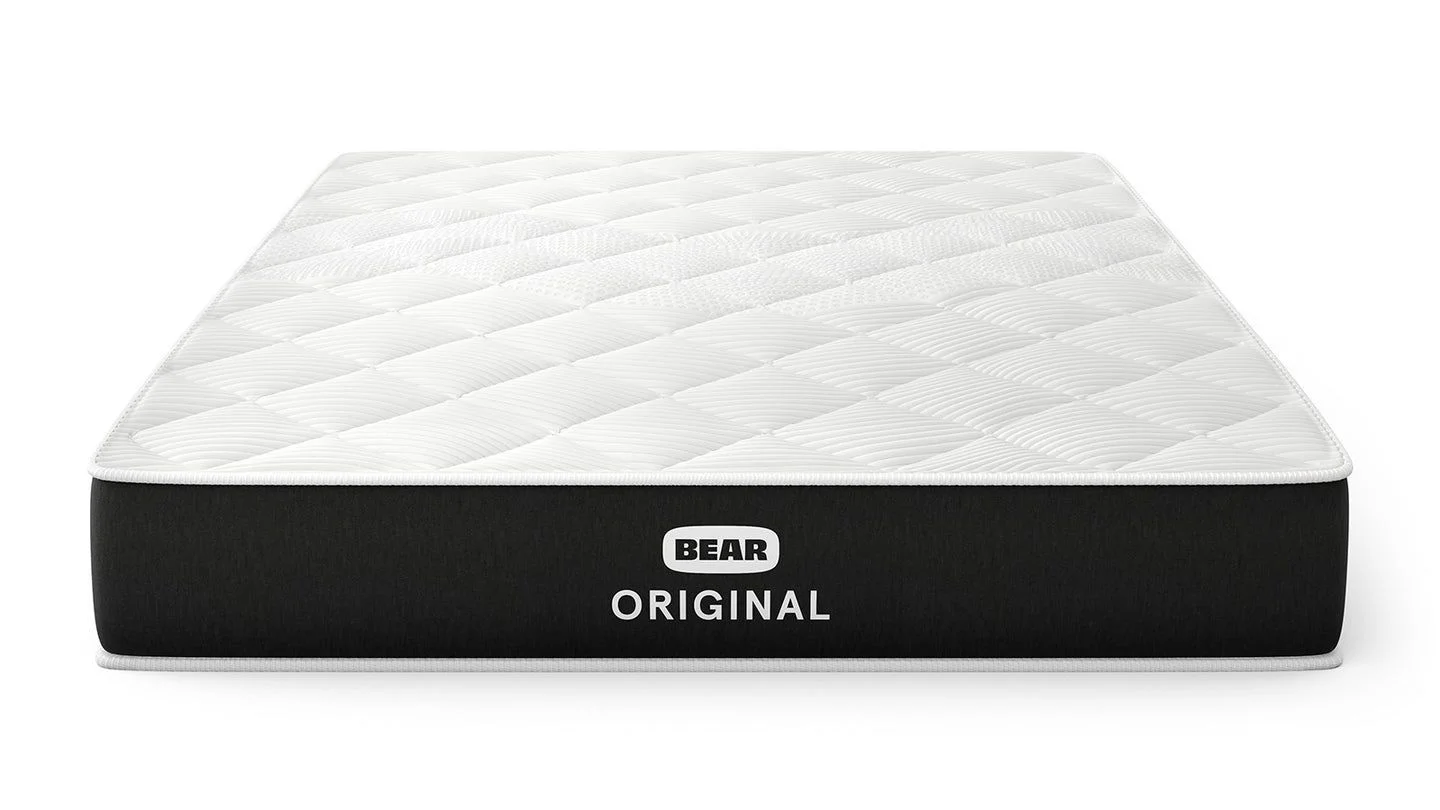
Editorial disclosure: Banner Mattress Editorial does not lab-test mattresses. This guide consolidates manufacturer disclosures and current third-party reporting from the sources cited inline.
The short answer
No - Bear mattresses do not contain fiberglass. Every model in the lineup (Original, Original Hybrid, Pro, Elite, Star Hybrid, Natural, and the Bear Cub kids' line) is built without glass fiber in the fire barrier. Bear's own fiberglass-free statement confirms it, the brand's support article confirms it, and independent reviewers including NapLab, NCOA, and The Good Trade all verify the same thing. If your only question is the headline, that's the answer.
Read on for how Bear actually meets the federal flame-retardancy standard, what certifications back it up, and how to confirm it on the law tag of any unit you receive.
Why fiberglass shows up in mattresses at all
All mattresses sold in the U.S. must pass an open-flame test under 16 CFR 1633. Manufacturers can clear that bar three ways: chemical flame retardants (out of fashion), naturally fire-resistant fibers like wool or rayon-treated viscose, or a woven glass-fiber sock wrapped around the foam core. Glass fiber is the cheapest of those options, which is why budget brands often pick it.
The well-known risk - covered by Sleep Foundation and replicated in dozens of consumer-protection bulletins - only appears when the outer cover is unzipped or torn. Once that inner sock is exposed, glass fibers can spread through HVAC, clothing, and laundry, and remediation is expensive. That's the entire fiberglass conversation in one sentence.
Bear sidesteps that risk by not using the material in the first place.
How Bear meets the open-flame standard without fiberglass
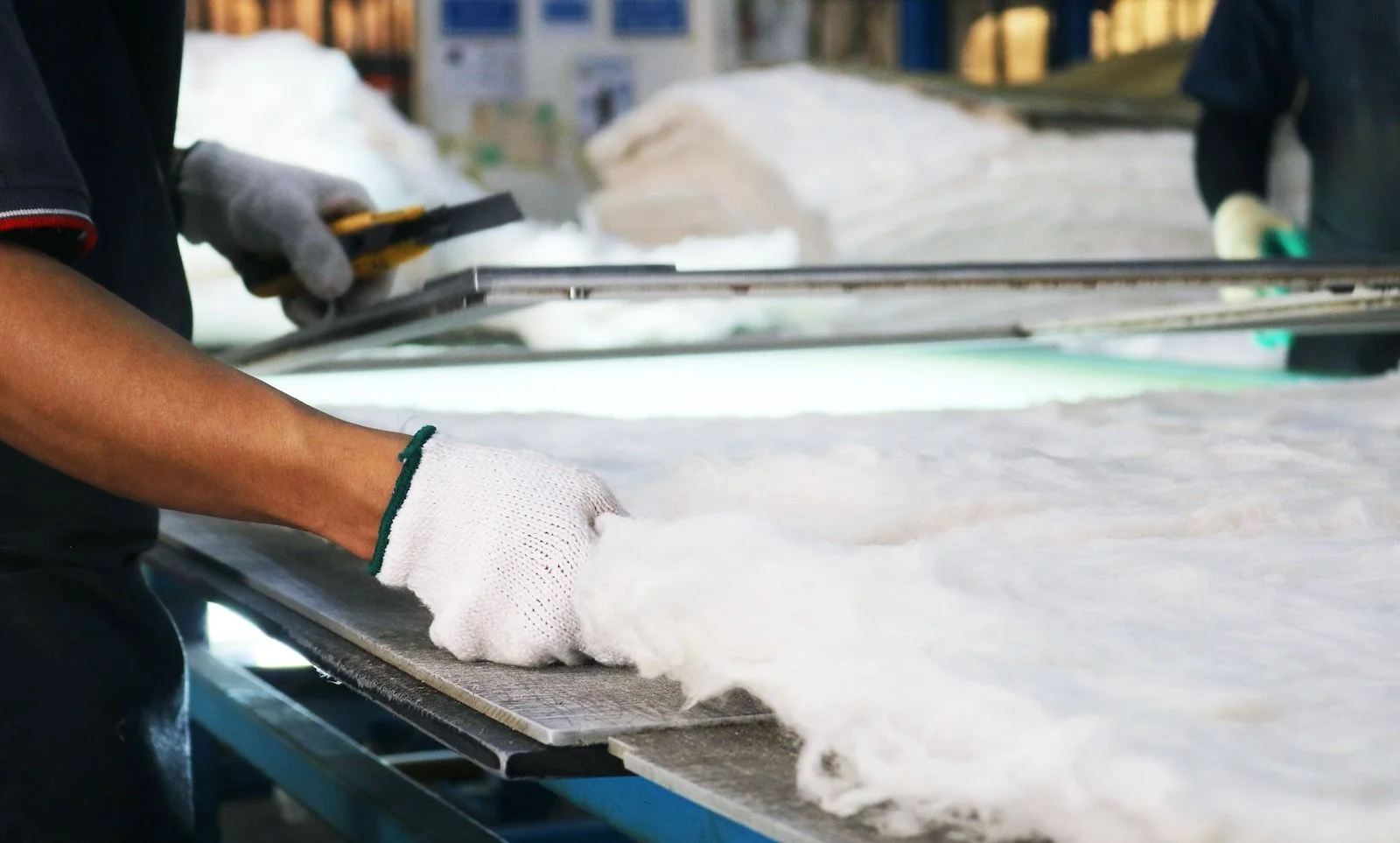
Bear's fire barrier is a fire-retardant rayon-based fabric that the brand markets as WhisperShield. Per Bear's own WhisperShield disclosure, it sits inside the cover the same way fiberglass would in a budget mattress, but uses naturally flame-resistant fibers instead. NapLab confirms the construction is OEKO-TEX Standard 100 certified - meaning the textile is tested free of harmful chemicals.
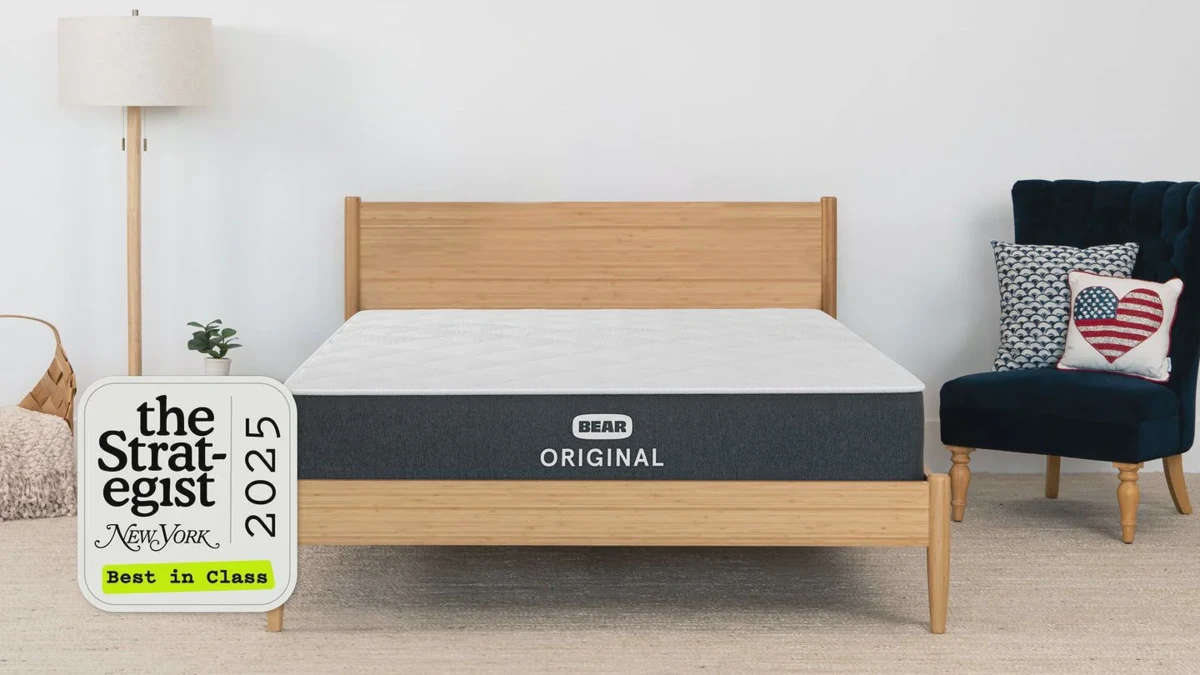
On product pages, Bear states this directly. The Bear Original product page specifically calls out: "Meets strict fire safety standards (Federal Mattress Regulations 16 CFR 1633 and 1632) without the use of fiberglass fabric."
Certifications that back the fiberglass-free claim
A "fiberglass-free" sticker on its own is just marketing. What makes Bear's claim verifiable is the certification stack:
- CertiPUR-US - every Bear foam layer is certified for low VOC emissions and free of formaldehyde, mercury, lead, and ozone-depleters.
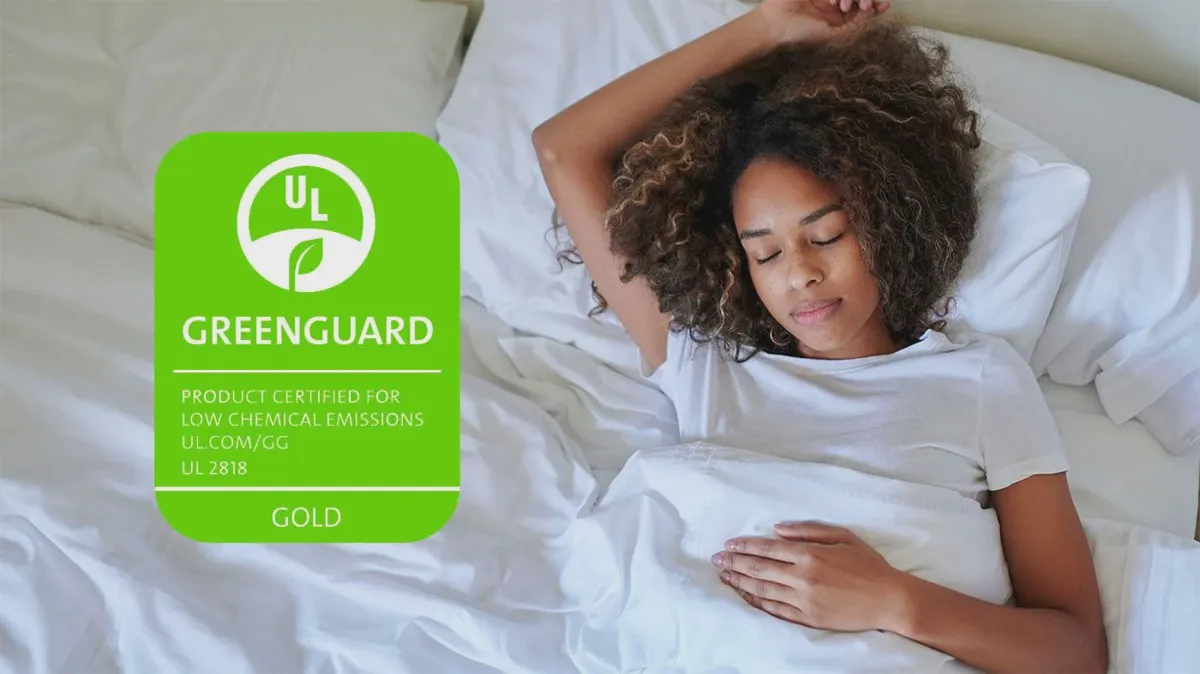
- GREENGUARD Gold - confirmed for the Bear Original by The Good Trade; tests for over 10,000 chemical emissions including phthalates and formaldehyde.
- OEKO-TEX Standard 100 - the cover and fire barrier textile are tested for harmful substances.
- Made in the U.S. - Bear states all mattresses are produced and sourced domestically in factories that don't process fiberglass at all, eliminating cross-contamination risk.
Model-by-model: every Bear line is fiberglass-free
Unlike some budget brands that disclose inconsistently across lines, Bear's fiberglass-free policy applies uniformly. As of 2026:
- Bear Original - all-foam, fiberglass-free, GREENGUARD Gold + CertiPUR-US.
- Bear Original Hybrid - coil + foam, fiberglass-free, same certifications.
- Bear Pro / Pro Hybrid - copper-infused foam build, fiberglass-free.
- Bear Elite Hybrid - premium hybrid, fiberglass-free; current 2026 model recently re-tested by Mattress Clarity.
- Bear Star Hybrid - pressure-relief hybrid for back/side sleepers, fiberglass-free.
- Bear Natural - latex/wool build, fiberglass-free with additional GOLS organic latex certification.
- Bear Cub (kids) - fiberglass-free, designed to the same fire-safety standard.
If a model is on Bear's site, it's fiberglass-free. There is no quiet exception line.
Why fiberglass-free matters
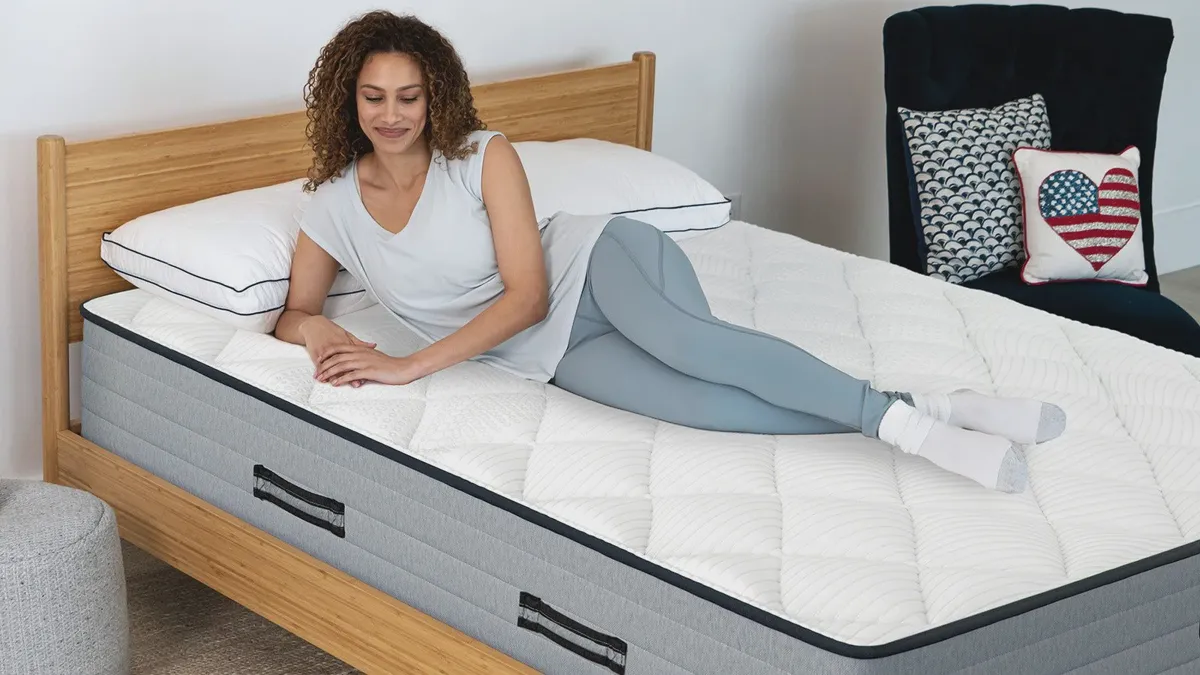
- No risk of glass-fiber contamination if the cover is ever opened or damaged
- Cover is removable and washable per Bear's care instructions - without the standard fiberglass-mattress warning to never unzip
- Cleaner manufacturing footprint; Bear's plant doesn't process fiberglass at all
- Backed by GREENGUARD Gold + CertiPUR-US emissions testing, not just a brand claim
What it doesn't fix
- Fiberglass-free doesn't automatically mean cooler, firmer, or better for your body type - match the model to your sleeping position separately
- Premium fire-barrier materials add cost; Bear is priced higher than typical Walmart-tier hybrids
- Always read the law tag of the actual unit you receive - production runs can change suppliers
How to verify on your own unit
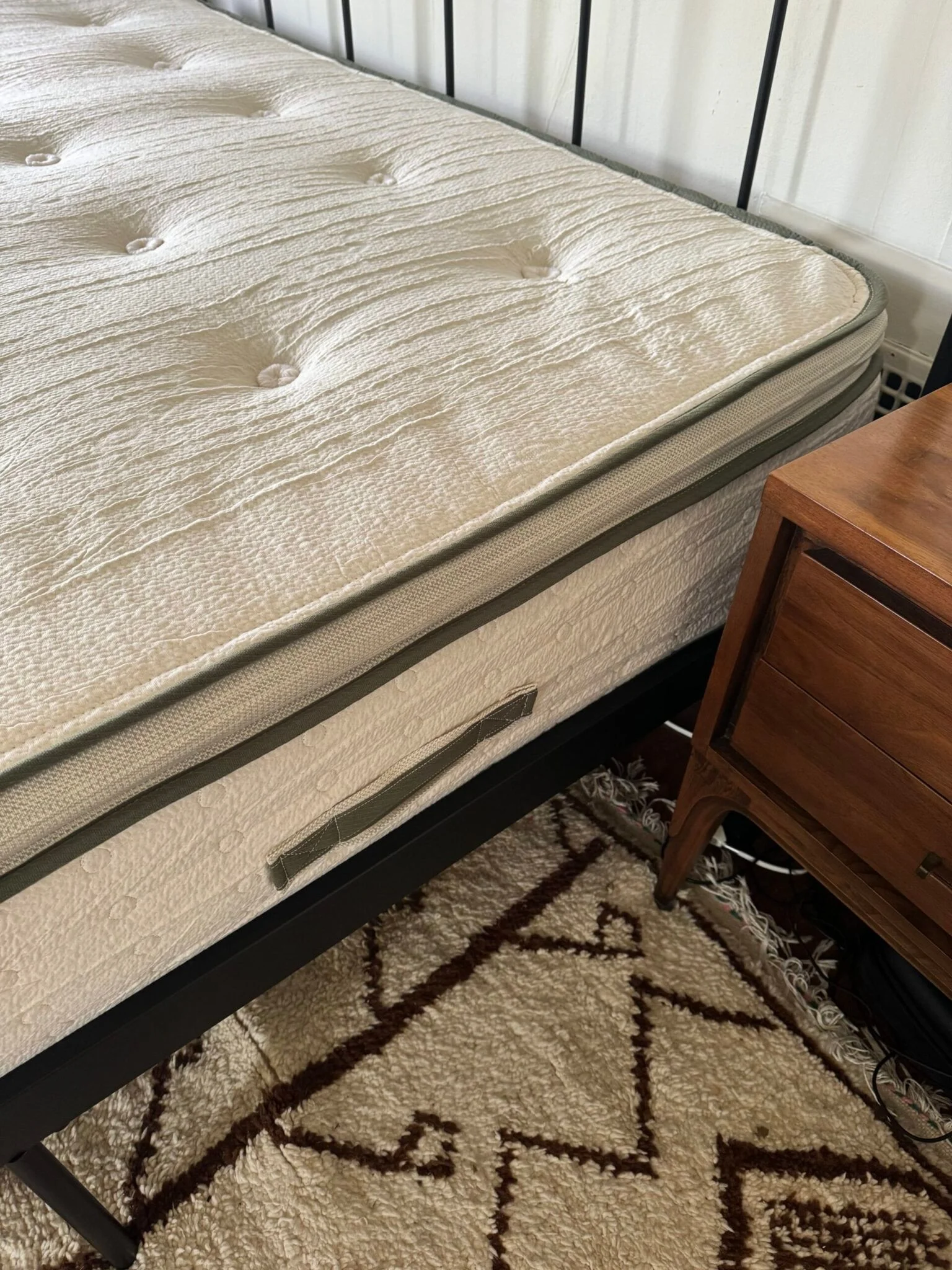
- Read the law tag. The white care/content tag sewn to the side of every U.S. mattress lists fiber content by percentage. On a Bear unit, you should see rayon, polyester, viscose, or cotton blends - not "glass fiber," "fiberglass," or "rayon + glass."
- Check the certification badges. GREENGUARD Gold and CertiPUR-US logos are printed on Bear product pages and packaging. If a reseller can't show those, you may not be looking at a current Bear SKU.
- Don't unzip the cover to check. This advice applies to every mattress, not just suspected-fiberglass models. The law tag is sufficient.
- Buy from Bear or an authorized retailer. Counterfeit and gray-market mattresses sold under similar names on third-party marketplaces don't necessarily share Bear's construction standards.
Bear vs. fiberglass mattresses: what you actually buy with the price difference
Bear sits in the mid-tier price band - more expensive than Allswell, Linenspa, or Zinus, less expensive than Saatva or Tempur-Pedic. The premium over the bottom tier is partly the fiberglass-free fire barrier, but it also includes Celliant-infused covers, copper-gel foams in the Pro line, and CertiPUR-US foams throughout. Reviewers at Mattress Clarity and CNET place the Bear Original as a strong value pick in the $700-$1,200 (queen) range.
If your priority is specifically fiberglass-free at the lowest possible price, Bear is one of the best options at this price tier. If your budget caps below $500 queen, the practical alternatives are Brooklyn Bedding, Tuft & Needle, and select Avocado promo runs - all of which we cover in separate guides.
What to do if you currently own a fiberglass mattress (not Bear)
- Keep the outer cover zipped and intact. Don't wash it; don't dry it.
- Layer a separate, washable mattress protector on top - that's the layer you launder.
- If the cover is already damaged, do not vacuum with a household vacuum (the exhaust spreads fibers). Contact the seller about return or replacement first.
- For severe contamination cases, consumer-protection guidance points to specialist remediation, not DIY cleanup.
- When you replace it, consider a brand like Bear that publishes an unambiguous fiberglass-free policy across every model.
Shop fiberglass-free with Bear
Frequently asked questions
Does any Bear mattress contain fiberglass?
No. Every model in Bear's current lineup - Original, Original Hybrid, Pro, Pro Hybrid, Elite Hybrid, Star Hybrid, Natural, and Bear Cub - is fiberglass-free. Bear's manufacturing facilities don't process fiberglass at all, which also eliminates cross-contamination risk between lines.
What does Bear use instead of fiberglass to pass the federal flame test?
Bear uses a fire-retardant rayon-based fabric branded as WhisperShield. It sits inside the cover the same way a fiberglass sock would in a budget mattress, but uses naturally flame-resistant fibers - and is OEKO-TEX Standard 100 tested for harmful chemicals.
Is the Bear cover machine-washable?
Bear's removable covers are designed to be washable per the brand's care instructions, which is itself a tell - fiberglass mattress covers come with explicit "do not unzip" warnings because removing them is the contamination event. Always follow Bear's specific wash instructions for your model.
How can I confirm my Bear unit is fiberglass-free without unzipping the cover?
Read the white law tag sewn to the side of the mattress. Bear units list rayon, polyester, viscose, and cotton blends - not glass fiber, fiberglass, or any rayon-glass blend. The certification badges (GREENGUARD Gold, CertiPUR-US) on Bear's product pages also serve as third-party confirmation.
Is GREENGUARD Gold the same as fiberglass-free?
No, but they're related. GREENGUARD Gold tests finished products for chemical emissions (VOCs, formaldehyde, phthalates), not specifically for fiberglass content. However, mattresses that pass GREENGUARD Gold typically can't include shedding fiberglass, because the test would catch the resulting particulate emissions. Combined with Bear's explicit fiberglass-free statement, the certification adds independent verification.
Has Bear been involved in any fiberglass lawsuits?
No. Class-action filings on fiberglass shedding have targeted budget brands (Zinus and several Amazon-only labels). Bear has not been named in any of those filings. As of publication, Bear has no current recall or fiberglass-related consumer-safety bulletin from the CPSC.