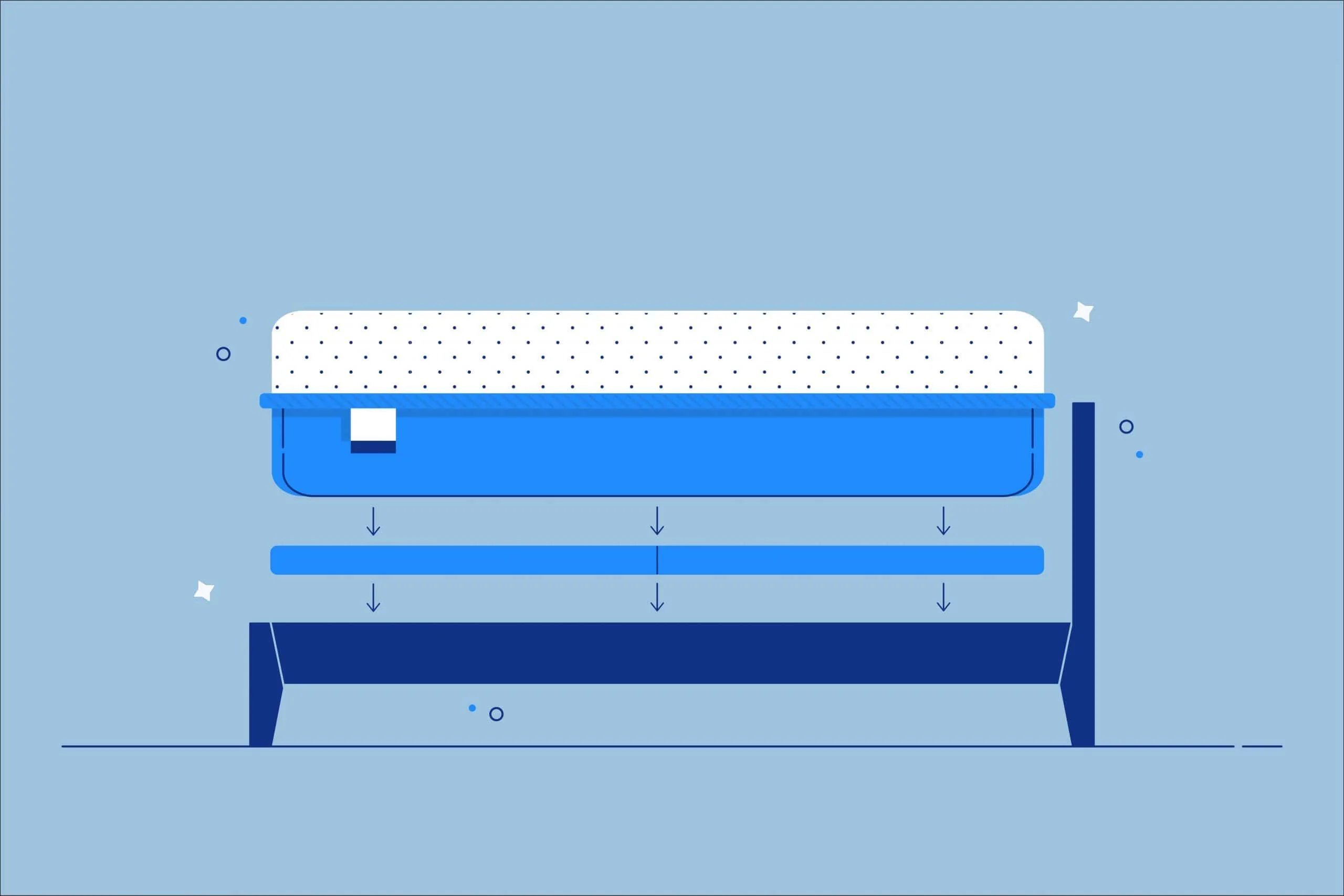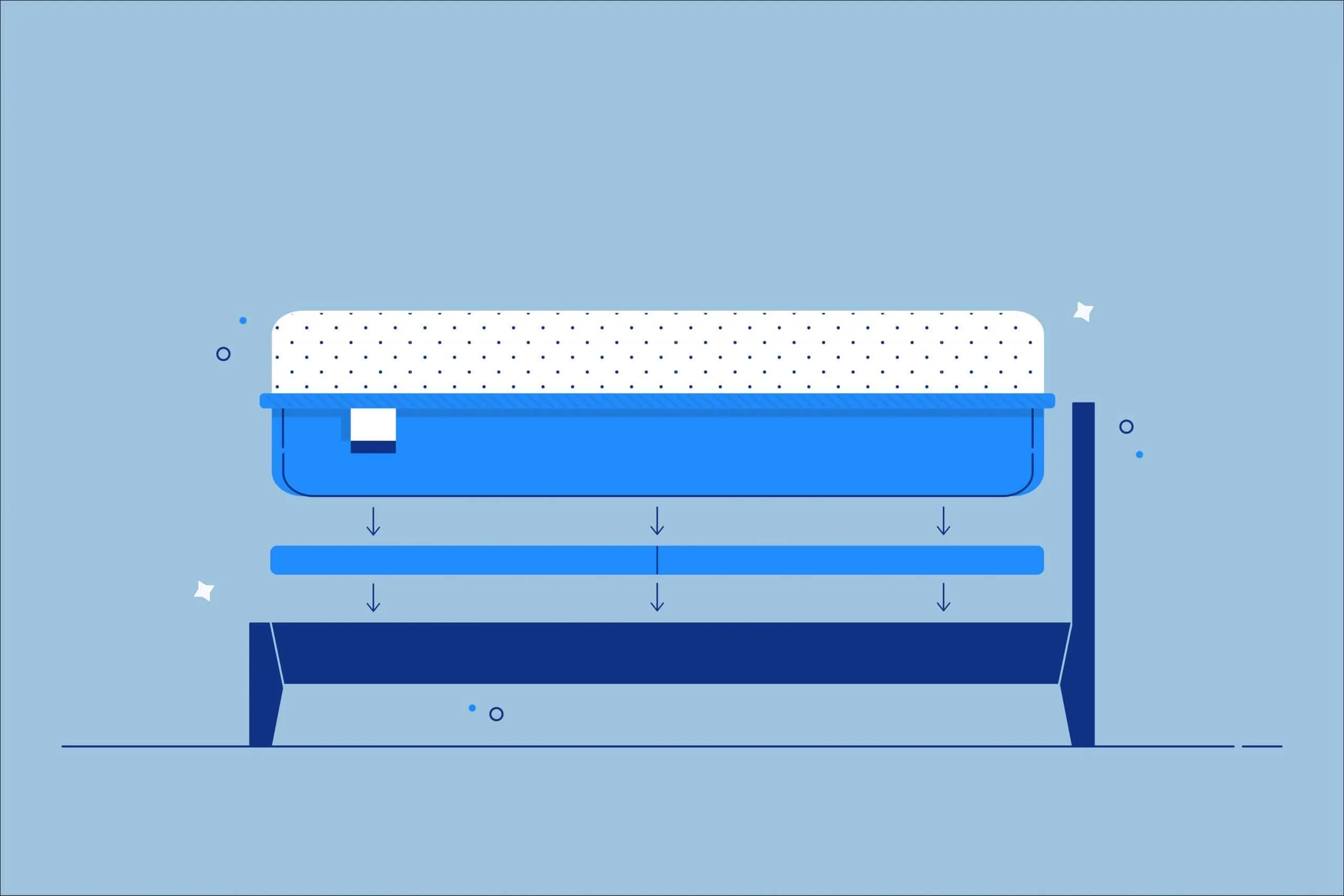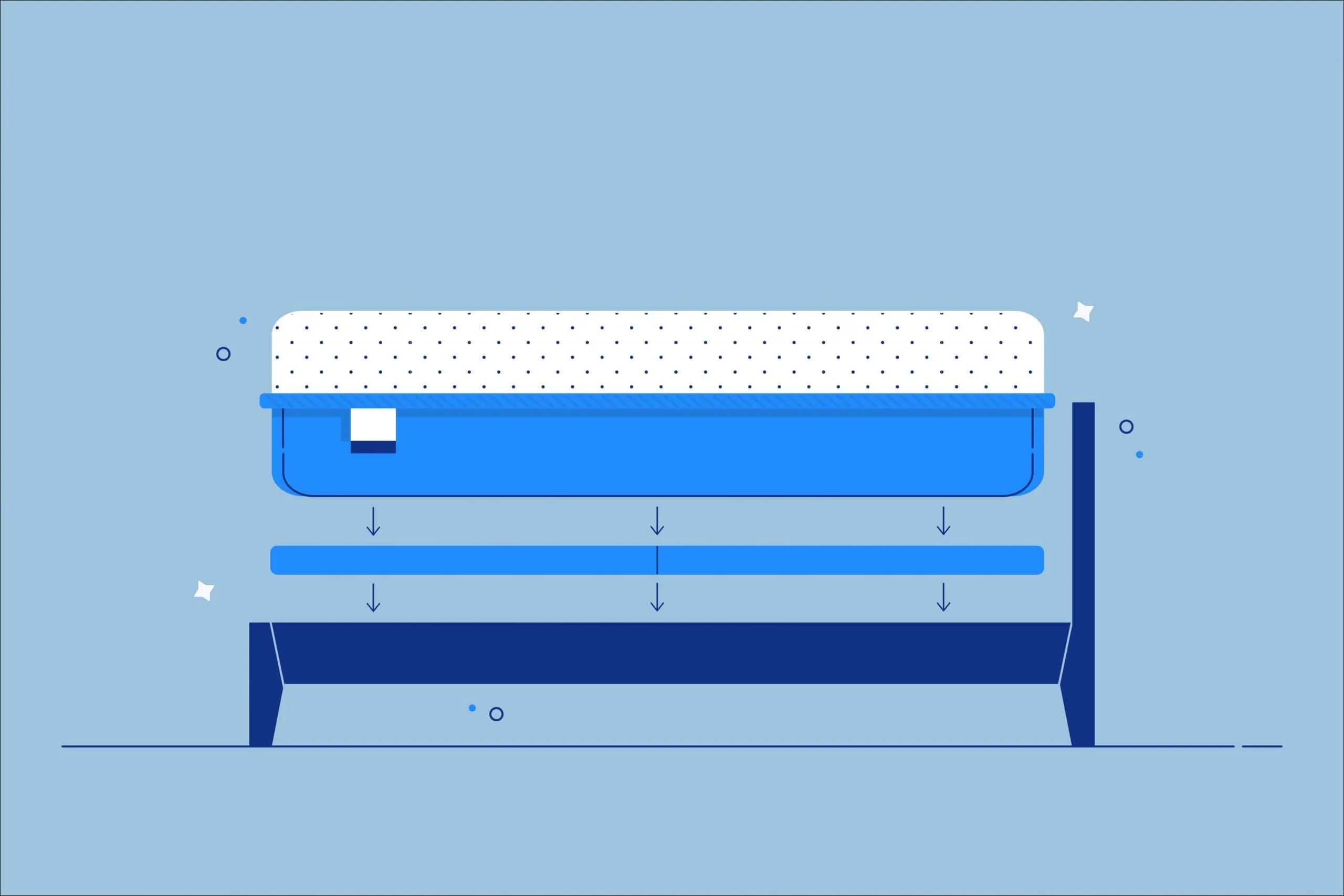
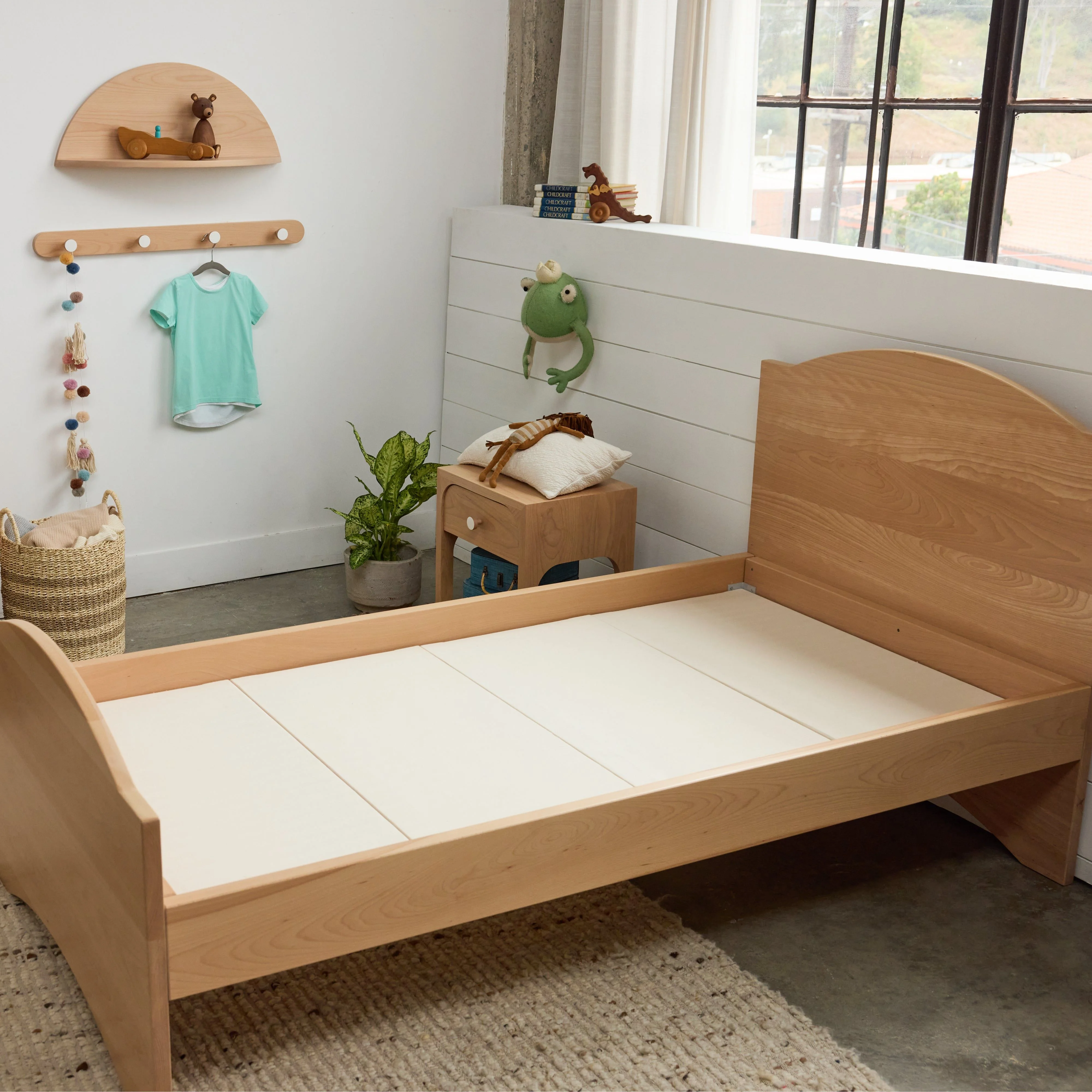
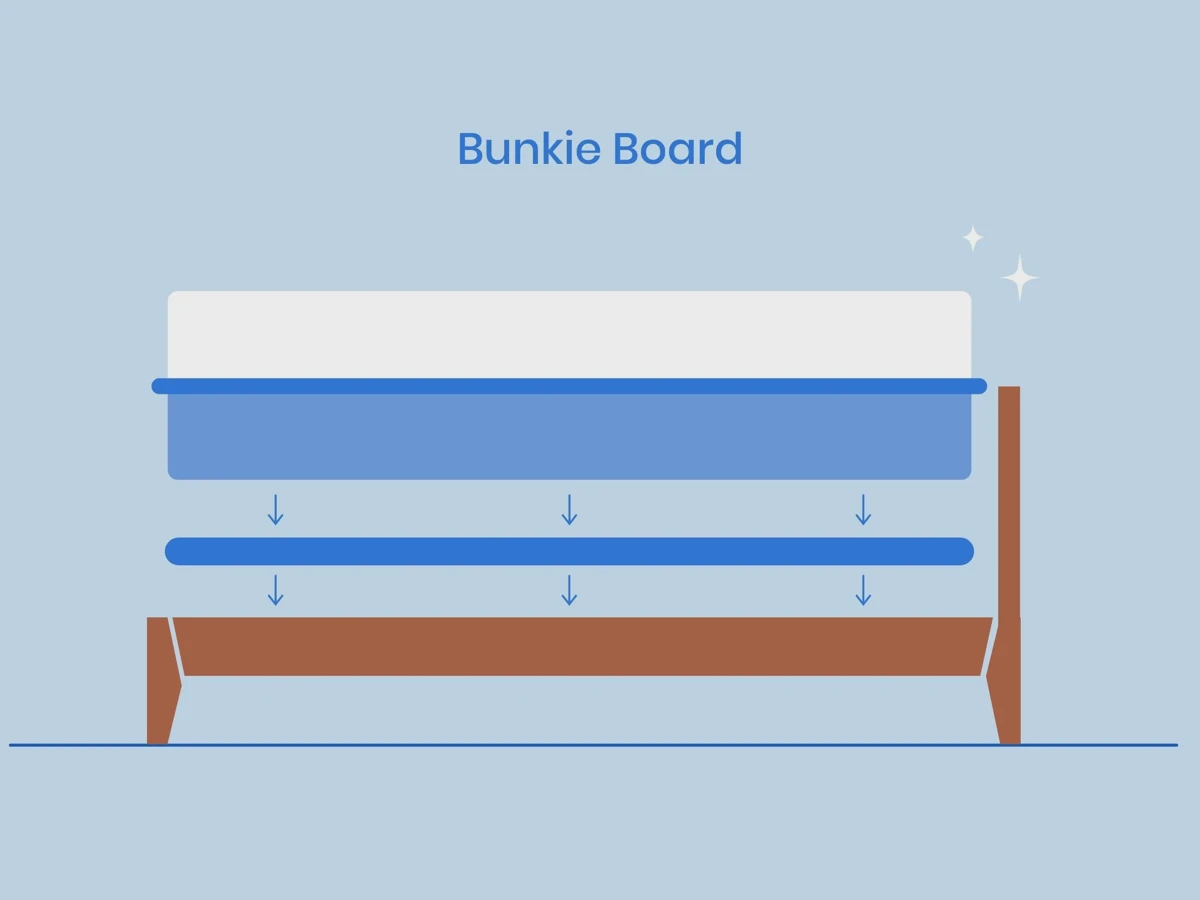
A bunkie board is a thin, flat panel - usually 1 to 3 inches thick - that sits between your mattress and a platform, bunk, or slatted bed frame to give the mattress an even, supportive base. It is the simplest fix when slats are too far apart, when a foam or hybrid mattress is sagging into the gaps, or when you want to lower a tall bed without losing support. Below, we cover when you actually need one, the materials worth paying for, and our 2026 picks.
Affiliate disclosure: Banner Mattress is an independent editorial site. Some links in this guide are affiliate links - if you buy through them we may earn a small commission at no extra cost to you. Picks are chosen on merit.
What is a bunkie board?
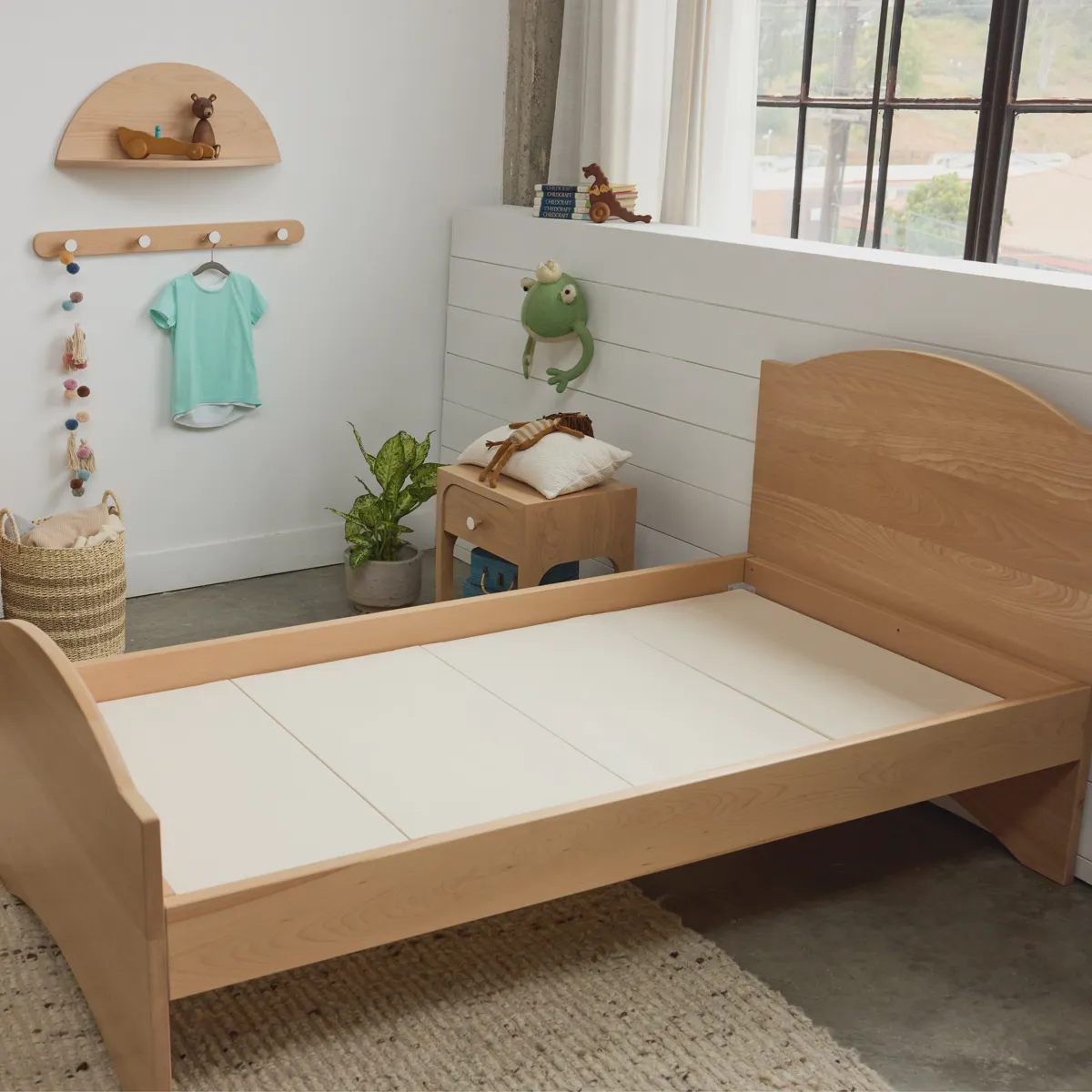
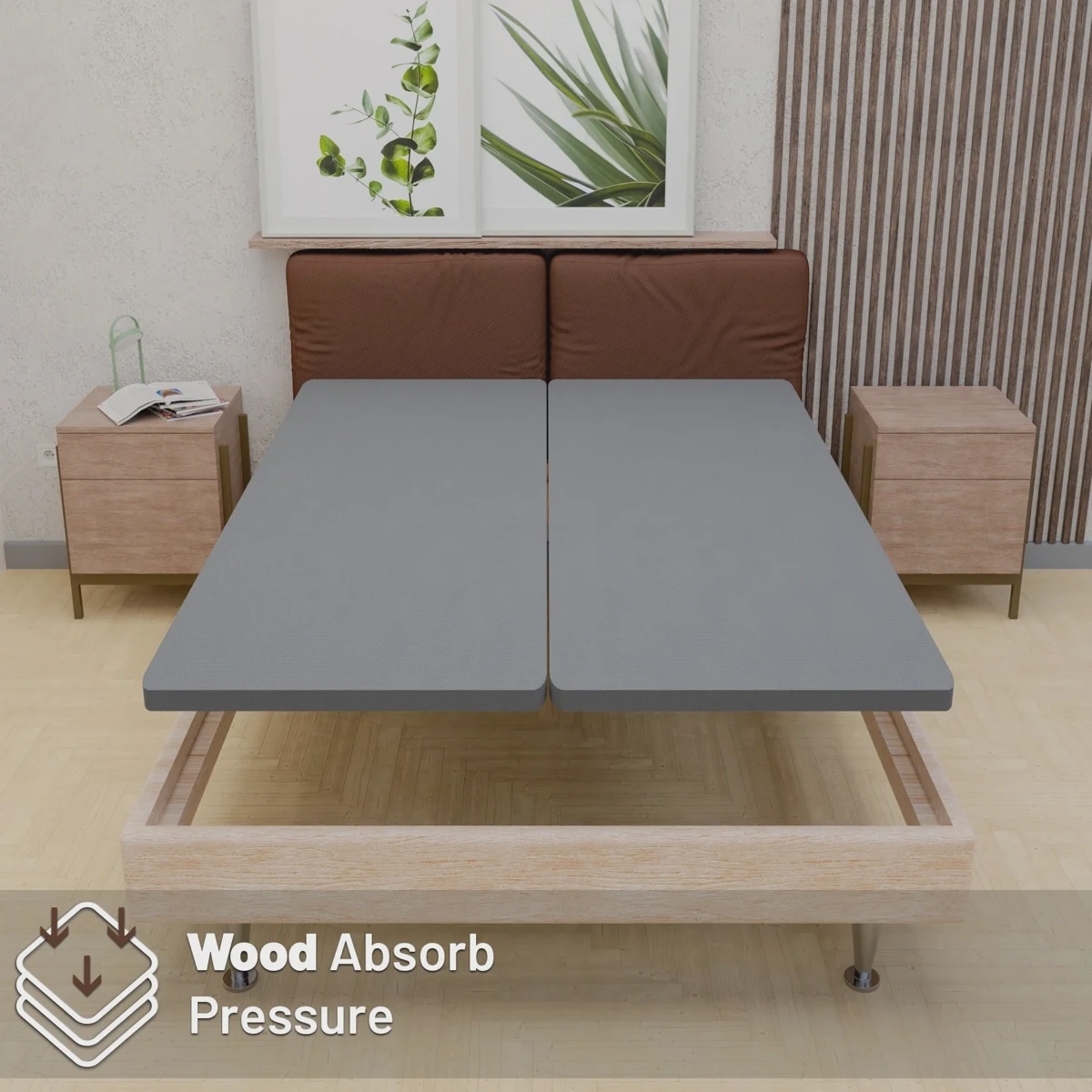
A bunkie board is a low-profile mattress foundation - typically a single rigid panel of plywood, particleboard, or fabric-wrapped wooden slats - that adds firm, gap-free support without the height of a box spring. Originally designed for bunk beds (hence the name), they are now used on platform beds, daybeds, trundles, and any frame whose slats are spaced more than the 3 inches most modern foam-mattress warranties require.
When do you need one?
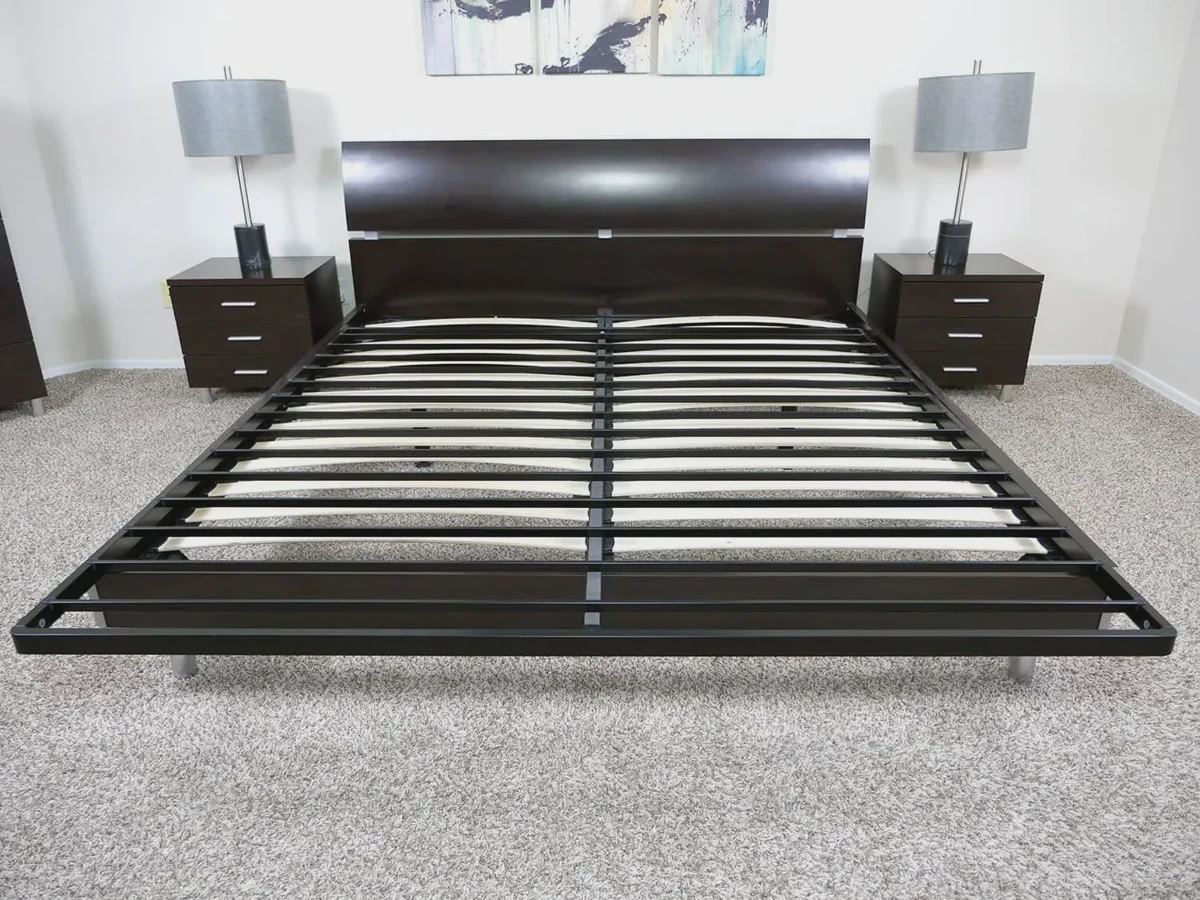
- Your platform bed has slats more than 3 inches apart and you have a foam or hybrid mattress.
- You feel ridges through your mattress, or the mattress sags between slats.
- You are converting an old box-spring bed to a platform-style setup but want to keep the firm, all-foundation feel.
- Your bunk bed or daybed needs a flat base and a box spring is too tall.
- Your mattress warranty requires a solid or closely-slatted base (most foam-mattress warranties do).
Top bunkie boards at a glance
Five picks across plywood, fabric-wrapped slat, and folding designs. All work with foam, hybrid, and innerspring mattresses unless noted.
Pricing and availability vary by retailer. We update this list as products change.
1. Avocado Bunkie Board - Best Overall
Avocado's bunkie board pairs solid kiln-dried wood slats with an organic cotton canvas cover, and it is one of the few options designed and certified for foam-mattress warranties out of the box. It is low-profile (about 2 inches), arrives in a single piece in twin/full sizes, and is the cleanest aesthetic match for a Scandinavian or natural-bedroom platform bed.
Pros
- Solid wood, GOTS-certified organic cotton cover
- Designed to satisfy foam-mattress warranty requirements
- Low-profile, ships in one piece on most sizes
- Sustainably sourced materials
Cons
- Premium price compared with engineered-wood options
- Limited size availability vs mass-market brands
2. Zinus Slat Bunkie Board - Best Value
Zinus dominates the Amazon bunkie board category for a reason: the company sells closely-spaced wood slats, sewn into a fabric sleeve with foam padding and anti-slip tape, at a fraction of the price of bedding-store equivalents. Editorial reviewers (Sleepopolis, Mattress Miracle) consistently call it the right buy for renters and guest rooms - sturdy enough for foam and hybrid mattresses without paying for materials you won't see.
Pros
- Strong price-to-support ratio
- Anti-slip tape and foam padding reduce noise
- Wide size range, easy to find in stock
- Compresses into a small box for shipping
Cons
- Engineered-wood feel, not solid lumber
- Heavier than folding alternatives
3. Meliusly Heavy Duty Bunkie Board - Firm Support
Meliusly's heavy-duty bunkie board is the current Amazon best-seller for bunk and platform beds and the only fabric-wrapped option on this list rated for very high mattress weight. The breathable cover, snug-fit construction, and full-perimeter reinforcement make it a sensible pick for hybrid and latex mattresses, where edge sag is the most common complaint.
Pros
- Reinforced perimeter handles heavier mattresses
- Breathable, non-slip cover
- Available across all standard mattress sizes
Cons
- King ships as two split halves on some retailers
- Slightly thicker than ultra-low-profile boards
4. ONETAN 1.5" Wood Bunkie Board - For Heavy Mattresses
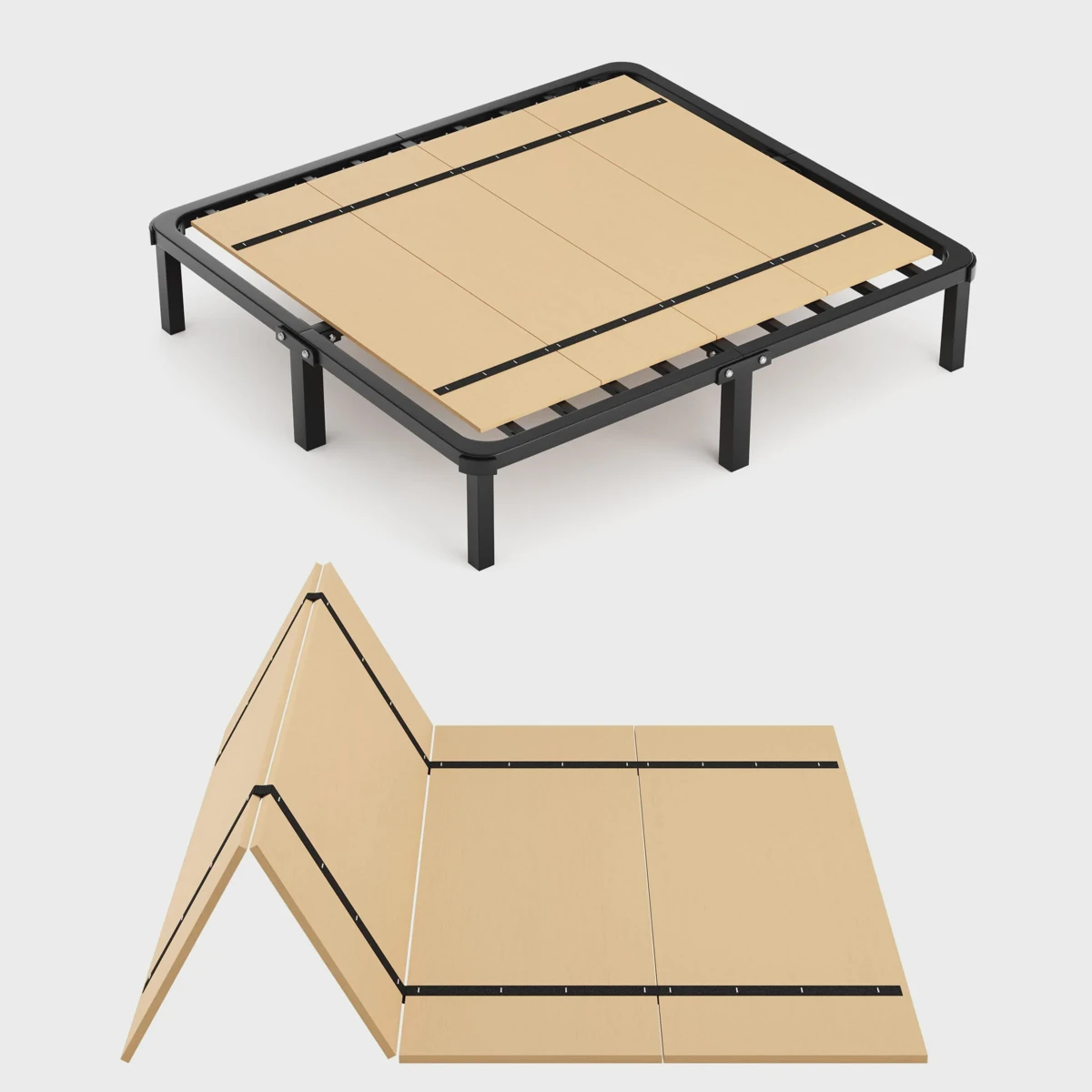
ONETAN's 1.5-inch wood slat bunkie board ships fully assembled and unfolds in seconds - a real convenience when you are setting up a bedroom alone. The closely-spaced solid wood slats handle dense memory foam and 12-inch+ hybrids without telegraphing slats through the mattress.
Pros
- Pre-assembled, no tools required
- Closely-spaced slats prevent telegraphing
- Splits compactly for storage and moves
Cons
- Two-piece split on larger sizes
- Plain look - fabric cover is purely functional
5. Classic Brands Heavy-Duty Solid - For Bunk Beds
If your top bunk needs a flat surface that will not bow under a kid plus a 6 to 8-inch foam mattress, Classic Brands' pine board is the conservative choice: solid construction, closely-spaced cross rods, and easy fit for almost any bunk frame. Less glamorous than Avocado, but it is the kind of accessory you install once and forget.
Bunkie board vs. box spring vs. plywood
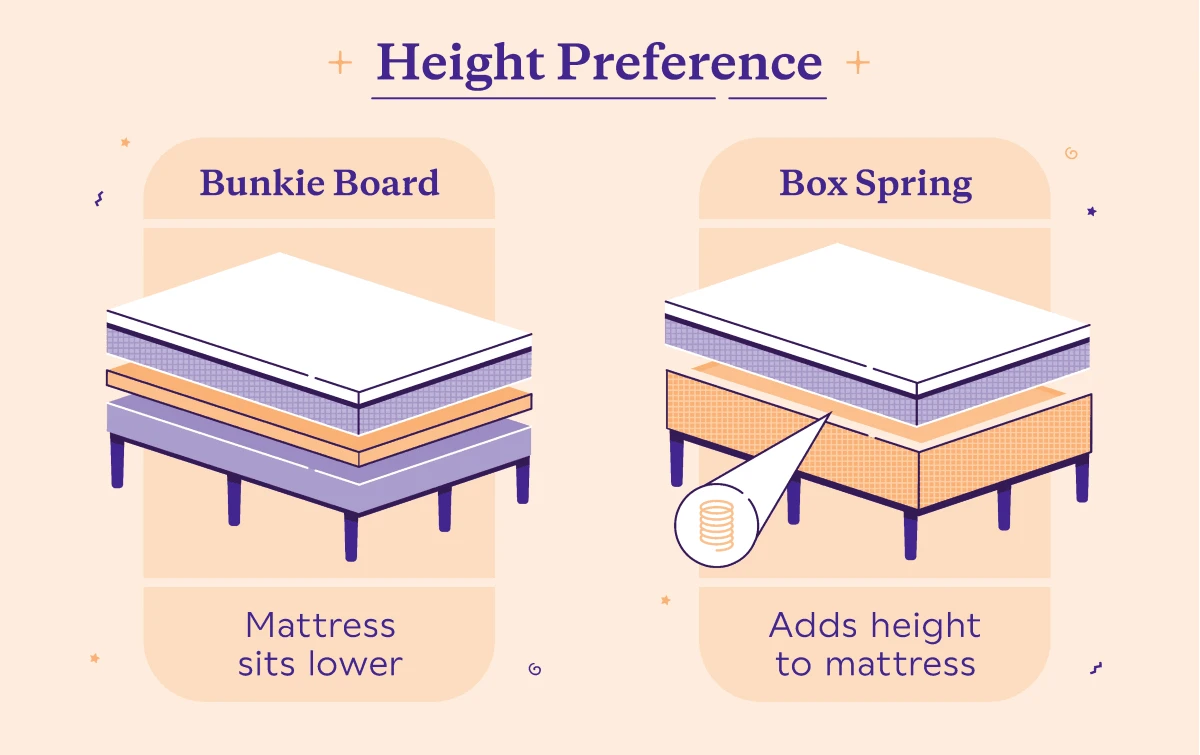
Bunkie board: 1 to 3 inches thick, rigid, sits flat on a platform or slatted frame. Adds support, not height. Ideal for foam and hybrid mattresses.
Box spring: 5 to 9 inches thick, with internal coils or a wood grid. Designed for innerspring mattresses on metal bed frames. Adds significant height.
Plywood: A cheap workaround. It supports the mattress but is untreated, can warp from moisture, traps heat, and isn't sized to mattress dimensions. Use for a short-term fix only.
How to choose: thickness, material, and size
Thickness. 1.5 to 2 inches is the sweet spot for most modern platform beds. Go thicker (2.5 to 3 inches) only if your slats are 4+ inches apart or you are using a heavy hybrid or latex mattress.
Material. Solid wood lasts longest and feels firmest. Engineered wood (particleboard, MDF) is fine for guest rooms and lighter mattresses but can warp under sustained heavy weight. Fabric-wrapped slat boards offer the best mix of price, weight, and noise control.
Size. Match your mattress, not your frame. Twin XL boards, for example, exist for a reason - a regular twin will leave a 5-inch gap. King is usually two TwinXL halves; that is normal, not a defect.
Warranty. Most foam-mattress warranties (Tempur-Pedic, Casper, Saatva foam, Nectar, Helix) require a base with slats no more than 3 inches apart. A bunkie board satisfies that on almost any frame.
Need help picking a foundation?
Our editors stress-test foundations, frames, and bunkie boards across mattress types - browse the rest of our bedding guides for what we recommend.
Frequently asked questions
Do I need a bunkie board for my foam mattress?
Probably yes if your platform-bed slats are spaced more than 3 inches apart. Most foam and hybrid mattress warranties require a flat or closely-slatted base; a bunkie board is the simplest way to meet that requirement without buying a new frame.
What is the difference between a bunkie board and a box spring?
A box spring is 5 to 9 inches tall with internal coils or a wood grid, designed for innerspring mattresses on metal bed frames. A bunkie board is 1 to 3 inches thick and rigid, designed to add support to foam and hybrid mattresses on platform frames without adding height.
How thick should a bunkie board be?
For most platform beds, 1.5 to 2 inches is plenty. Choose 2.5 to 3 inches only if your slats are 4+ inches apart, or if you have a heavy latex or hybrid mattress that needs extra reinforcement.
Can I use plywood as a bunkie board?
It works as a short-term fix, but plywood is untreated, can warp with humidity, traps heat against the mattress, and rarely matches mattress dimensions. A purpose-built bunkie board lasts longer, breathes better, and protects your mattress warranty.
Is a bunkie board better than slats?
If your slats are spaced 3 inches or less and the mattress is innerspring or thick hybrid, slats alone are usually fine. If slats are spaced wider, or you have a memory-foam or thinner hybrid mattress, a bunkie board on top of the slats prevents sag and meets warranty requirements.
How long does a bunkie board last?
Solid wood bunkie boards typically last 10+ years and easily outlive several mattresses. Engineered-wood and fabric-wrapped versions last 5 to 8 years under normal use. Replace any board if you see warping, cracked slats, or fabric tears that expose the wood.
Does a bunkie board make a difference?
Yes, when your slats are spaced more than 3 inches apart or your platform bed feels uneven. A bunkie board adds a continuous, level surface that extends the life of the mattress by spreading weight evenly and preventing the slow sag you get when foam or hybrid layers settle into slat gaps.
What is the thickest bunkie board you can buy?
Most purpose-built bunkie boards top out at 3 inches; anything taller is sold as a low-profile foundation or box spring. The bunkie format is meant to be the thinnest foundation in the category, so 2.5 to 3 inches is the practical maximum if you want the bunkie's low-height advantage.
Can you put a mattress directly on a bunkie board?
Yes. A bunkie board is designed to sit directly on a platform, bunk, or slatted bed frame and have the mattress rest right on top of it. That is the whole point: it replaces a box spring with a thin, solid panel that the mattress can lie flat against without needing a second layer in between.