
The short answer
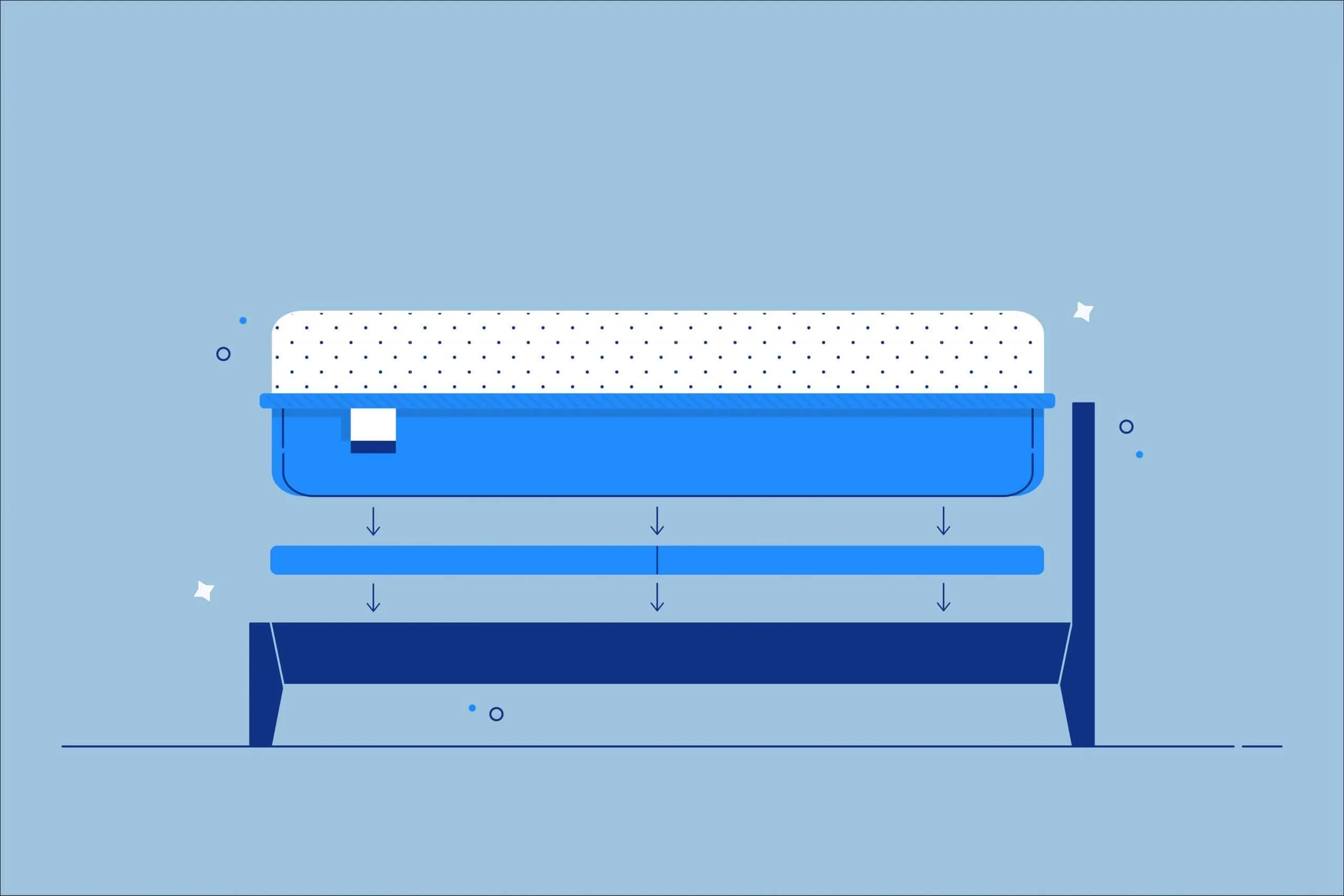
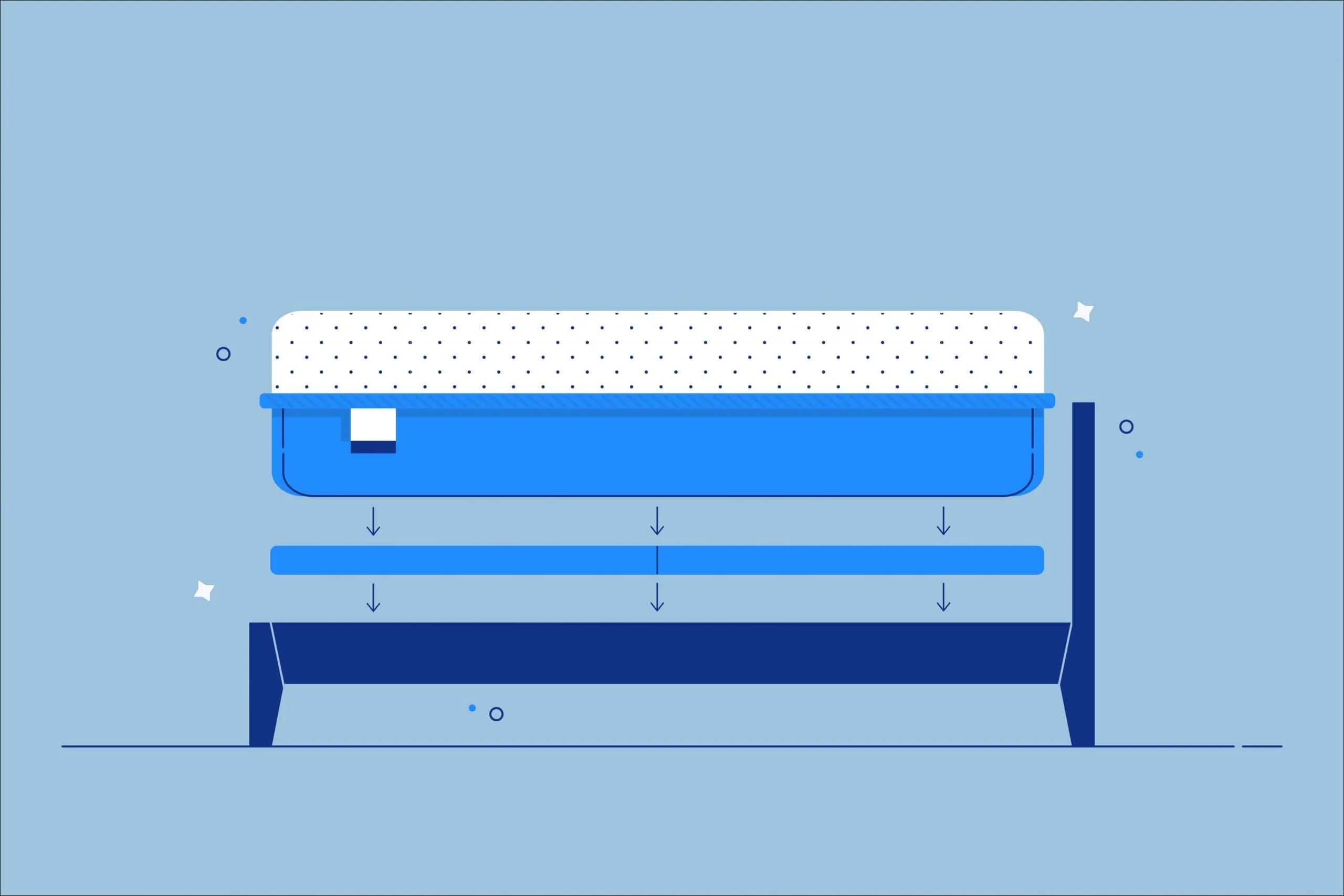
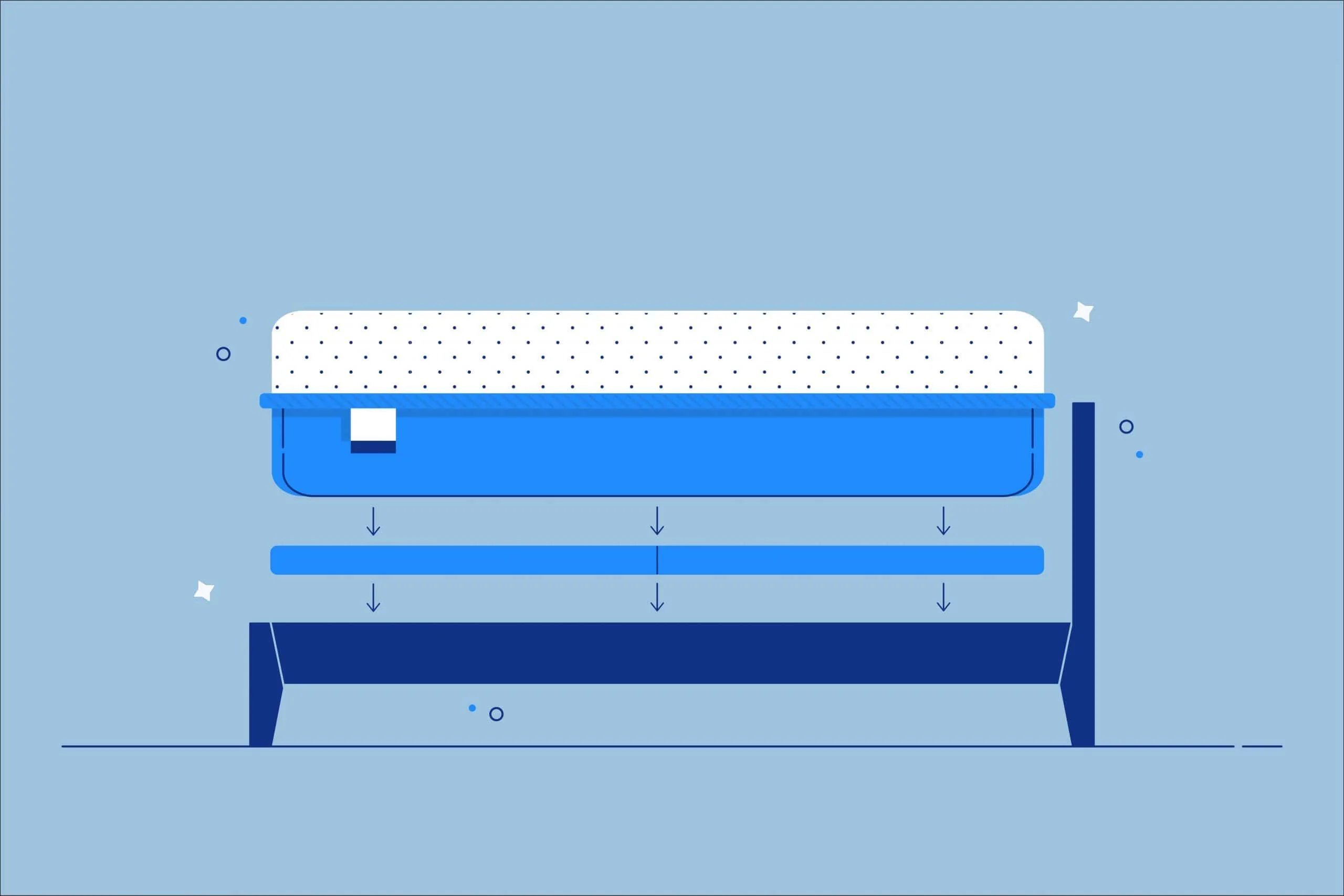
No - a bunkie board is not the same as a box spring. A bunkie board is a thin (1-3 inch) solid panel of plywood, particleboard, or composite that gives a mattress a flat, rigid surface. A box spring is a 5-9 inch coil-and-wood-frame foundation that adds height and absorbs shock for a traditional innerspring mattress. They look similar from the outside, but they do different jobs and are not interchangeable for every bed.
Use a bunkie board if your mattress is foam, latex, or hybrid and you have a platform bed, slatted frame, or bunk bed. Use a box spring if you own a traditional innerspring mattress and a metal bed frame that's designed to sit on one.

What is a bunkie board?
A bunkie board is a thin, rigid panel - usually 1 to 3 inches thick - placed directly under a mattress to create a continuous, flat support surface. It's typically built from plywood, particleboard, or MDF and wrapped in a breathable fabric so it doesn't damage the mattress cover.
Common reasons people add one:
- Bunk beds and platform beds that are not designed for a tall foundation.
- Slatted bed frames where the slats are spaced wider than 3 inches and a foam mattress would sag between them.
- Replacing a sagging or noisy box spring without raising the bed height.
- Honoring a foam, latex, or hybrid mattress warranty that requires a solid, non-flexing surface.
Most queen-size bunkie boards weigh 25-50 lb and cost $50-$150 in 2026. They're easy for one adult to carry up a flight of stairs and slide under a mattress unassisted.
What is a box spring?
A box spring is a foundation built like a shallow wood frame with steel coils or steel grids inside, covered in fabric. It's traditionally 5-9 inches tall and is paired with an innerspring mattress to absorb shock, isolate motion, and add height so the bed sits at a comfortable get-in/get-out level.
Box springs are designed to flex slightly under load. That flexion is helpful with two-sided innerspring mattresses, but it actively voids the warranty on most modern foam and hybrid mattresses, which require a solid, non-flexing base.
A queen box spring usually weighs 50-80 lb, costs $100-$300 new, and is awkward enough that most people need a second person to carry it up stairs or around tight corners.
Moving day? Soft goods take the most space - our pillow-pack guide covers vacuum bags vs cardboard boxes.
Bunkie board vs box spring: side-by-side
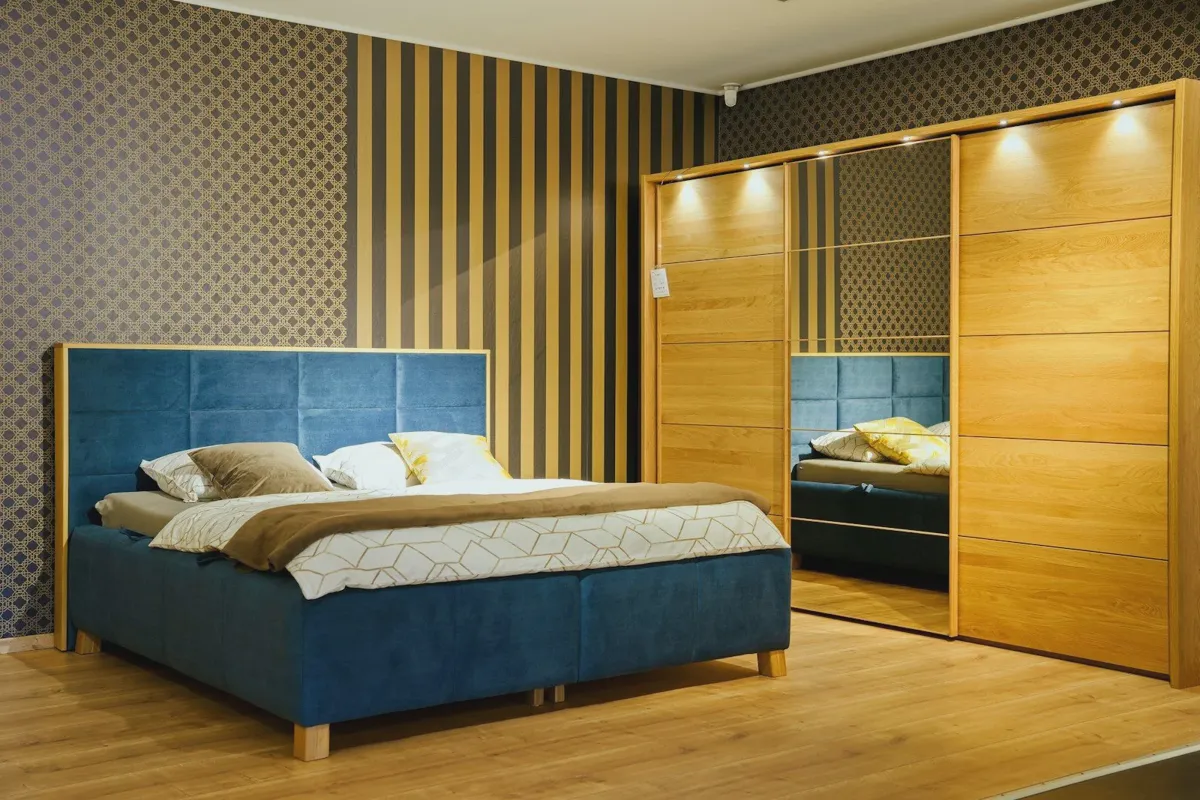
Thickness: Bunkie board 1-3 in. Box spring 5-9 in.
Surface: Bunkie board is rigid and solid. Box spring flexes slightly under load.
Best for: Bunkie board pairs with foam, latex, hybrid, and modern innerspring on platform/slatted/bunk frames. Box spring pairs with traditional innerspring on a standard metal frame.
Bed height: Bunkie board adds almost no height. Box spring raises the mattress 5-9 in.
Weight (queen): Bunkie board 25-50 lb. Box spring 50-80 lb.
Price (2026): Bunkie board $50-$150. Box spring $100-$300.
Noise: Bunkie board is silent. Box springs can squeak as the coils age.
Lifespan: Bunkie board 10+ years. Box spring 8-10 years before sagging.
Bunkie board pros
- Keeps the bed low-profile - almost zero height added.
- Compatible with foam, latex, and hybrid mattresses (won't void the warranty).
- Light enough to install solo and easy to move.
- Silent - no coils to squeak as it ages.
- Cheaper than a box spring in most sizes.
Bunkie board cons
- Adds no shock absorption - you'll feel a firmer surface under the mattress.
- Won't add the bed height some people prefer for getting in and out.
- Cheap particleboard versions can warp if exposed to humidity.
Box spring pros
- Adds 5-9 inches of bed height for easier sit-and-stand.
- Absorbs shock and isolates motion under traditional innerspring mattresses.
- Pairs correctly with most legacy metal bed frames.
Box spring cons
- Voids the warranty on most modern foam and hybrid mattresses.
- Heavier and harder to maneuver up stairs alone.
- Coils can develop squeaks and sag within 8-10 years.
- Costs more than a comparable bunkie board.
Which one do you actually need?
Match the foundation to the mattress and frame, not to habit. The right choice is almost always determined by two things: what's inside your mattress, and what your bed frame is engineered to hold.
Pick a bunkie board if…
- You own a memory foam, latex, or hybrid mattress.
- You have a platform bed, slatted frame, or bunk bed.
- Your slats are spaced more than 3 inches apart and your mattress dips between them.
- You want to keep the mattress low to the floor.
- You're replacing a tired box spring without changing the bed frame.
Pick a box spring if…
- You own a traditional two-sided innerspring mattress.
- Your bed frame is a standard metal Hollywood-style frame designed to support one.
- You want the higher bed height that a box spring adds.
- Your mattress warranty specifically calls for a matching box spring.
If you have a foam or hybrid mattress and a metal frame designed for a box spring, the right answer is to swap to a solid foundation or a slat platform - not to use either piece in a way it wasn't designed for. A bunkie board on top of an old box spring is a temporary fix, not a permanent foundation.
Need help choosing the right foundation?
Bunkie board vs box spring FAQ
Can I use a bunkie board instead of a box spring?
Yes, in most cases. If your mattress is foam, latex, or hybrid, a bunkie board is the better choice - it gives you the rigid, non-flexing surface those mattresses need. The only time you should not swap is when your mattress is a traditional innerspring that explicitly calls for a matching box spring in the warranty, or when your bed frame's design relies on the height of a box spring to sit at the right level.
Can you put a bunkie board on top of a box spring?
You can, and it's a common short-term fix when an old box spring starts to sag and you don't want to replace it yet. The bunkie board redistributes weight across the soft spots. It's not a permanent solution though - if the box spring is failing, replace the whole foundation.
Does a bunkie board replace a box spring?
It can. For modern foam, latex, and hybrid mattresses, a bunkie board on a slatted or platform frame replaces the role of a box spring entirely. It will not, however, replace the height a box spring adds - your bed will sit several inches lower.
Can you sleep directly on a bunkie board?
Yes, but only with a mattress on top. A bunkie board is a foundation, not a sleeping surface. Sleeping on the board itself with no mattress will be uncomfortable and won't give you the pressure relief any modern mattress is designed to provide.
How much weight can a bunkie board hold?
Most quality plywood bunkie boards support 600-1,000 lb of evenly distributed weight, which covers a king-size mattress plus two adults. Cheaper particleboard versions can hold less and are more likely to warp under sustained load.
Do you need a bunkie board if your bed has slats?
Only if the slats are spaced more than 3 inches apart, or if your mattress warranty requires a solid surface. Tightly-spaced (≤2.75 in) hardwood slats already provide the support a foam mattress needs.