A box spring is the platform that sits under your mattress. It absorbs shock, lifts the bed off the floor, and keeps an innerspring mattress from sagging on a slatted frame. The two height classes you will see at retail are low profile (about 4-6 inches) and standard, also called high profile (about 9 inches). They support a mattress equally well; the choice is really about total bed height, mattress thickness, and how easy you want it to be to climb in and out.
This guide walks through the seven differences that actually matter when you compare the two, then gives you a short decision checklist at the end.
What Is a Low Profile Box Spring?
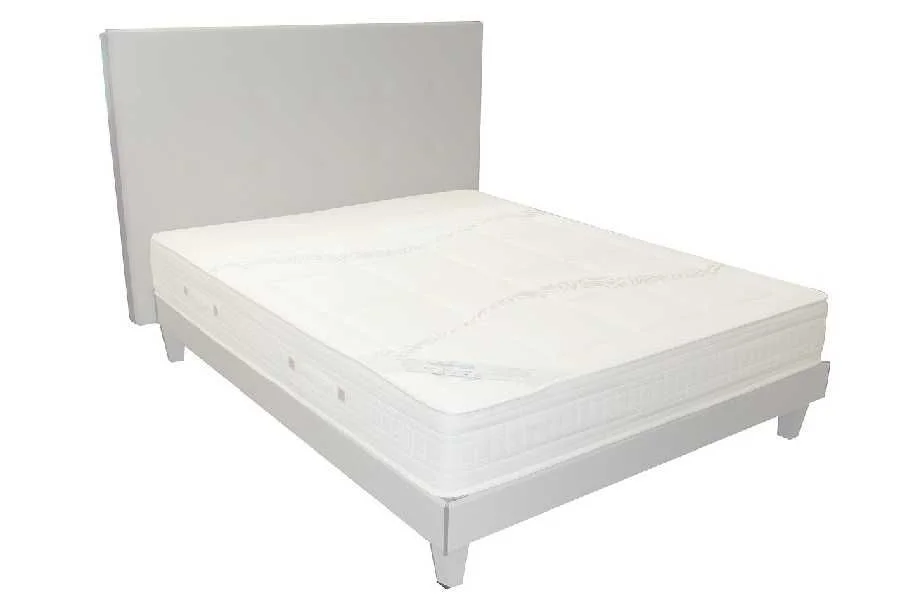
A low profile box spring is a shorter version of a traditional foundation, typically 4 to 6 inches tall. Some ultra-low models drop to 2 inches and are sometimes called bunkie boards. They use the same wood frame and protective fabric as a standard box spring but with a thinner internal structure, which keeps them light and easy to move.
Low profile foundations became popular as mattresses themselves grew thicker. A 12 to 14 inch hybrid mattress on a standard 9 inch box spring stacks to a bed surface that can be over 30 inches off the floor once you add a frame, which is genuinely hard to climb into.
What Is a High Profile (Standard) Box Spring?
A standard or high profile box spring is the classic 9 inch foundation that has paired with innerspring mattresses for decades. It is the right match for a thinner mattress (8 to 10 inches), a low platform frame where you want the bed to feel substantial, or a bedroom where you like extra clearance for storage bins underneath.
Seven Differences Between Low and High Profile Box Springs
1. Total Bed Height
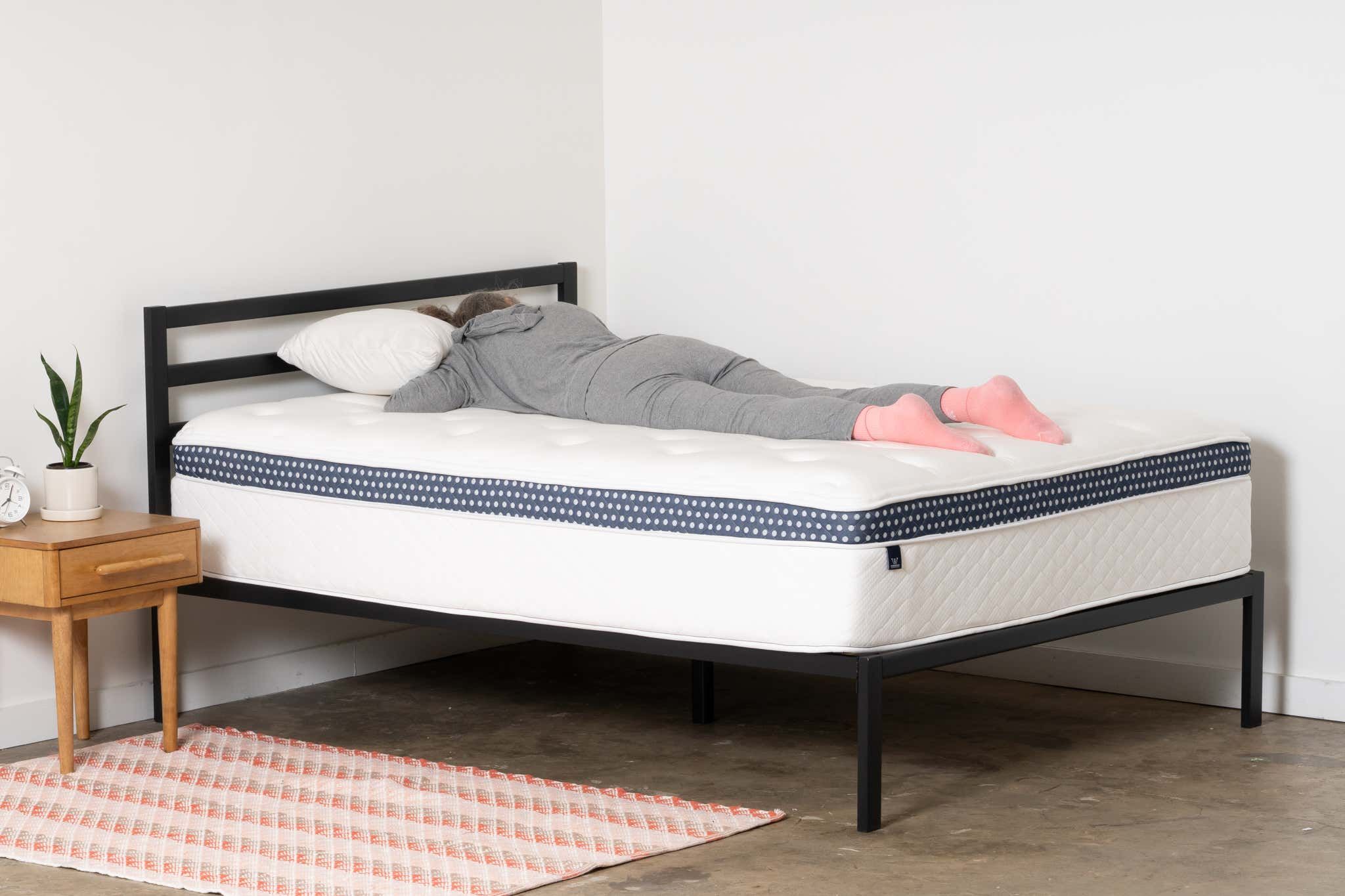
This is the headline difference. Subtract roughly 3 to 5 inches from your finished bed height when you swap a standard box spring for a low profile one. The sweet spot for most adults is a sleep surface 24 to 27 inches off the floor, which lets your feet rest flat when you sit on the edge.
2. Mattress Compatibility
Pair thicker mattresses (12 inches and up) with a low profile foundation; pair thinner mattresses (under 11 inches) with a standard box spring. Both Purple and Mattress Firm flag this as the single most common reason customers downsize to a low profile model.
3. Support and Durability
Support is essentially identical between the two heights when both are in good condition. Google's AI Overview is explicit on this point: there is no difference in support or durability between low profile and standard box springs. Choose by height, not by load capacity.
4. Weight and Ease of Setup
A low profile box spring has less internal material, so it is meaningfully lighter. Expect a queen low profile to weigh around 40 to 50 pounds versus 60 to 75 pounds for a standard model. That matters for upstairs bedrooms, narrow staircases, and apartment moves.
5. Bed Frame and Headboard Aesthetics
If you have a decorative headboard you want to show off, a low profile box spring keeps the mattress from swallowing the design. Conversely, a tall four-poster bed often looks unfinished without the visual mass of a 9 inch foundation.
6. Under-Bed Storage
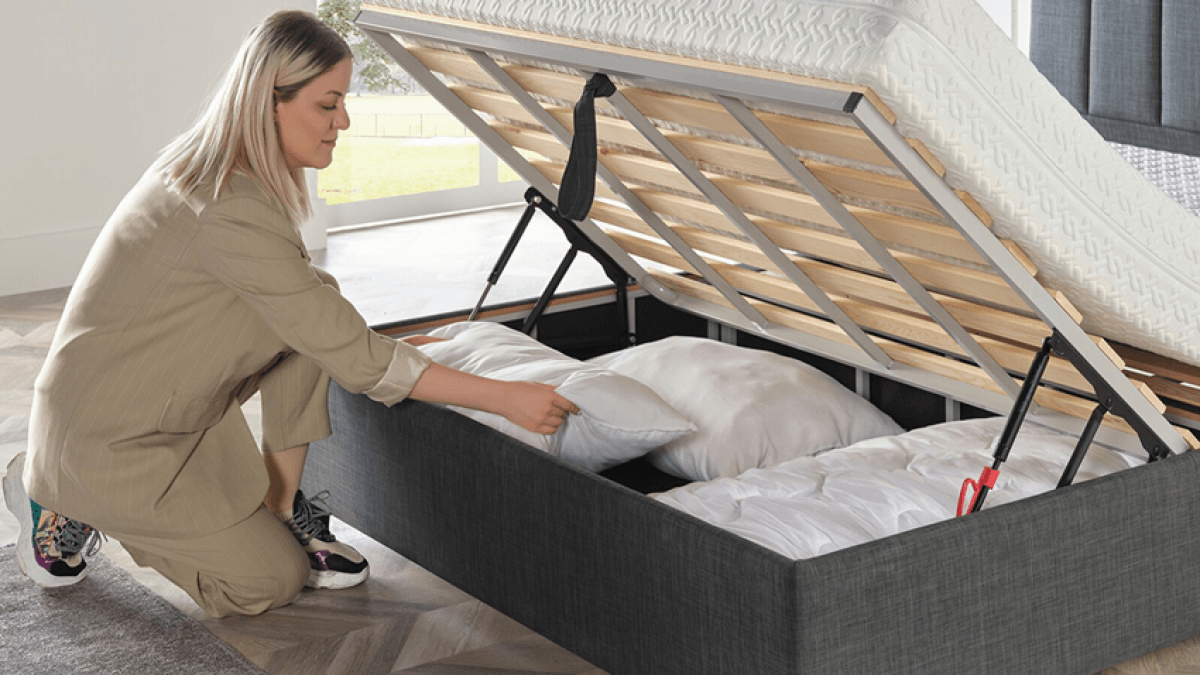
If you store bins, suitcases, or seasonal bedding under the bed, the standard height usually wins. Most flat under-bed storage boxes are 6 inches tall and need a bit of extra clearance, which a low profile setup may not give you once you add a frame and casters.
7. Accessibility
For shorter sleepers, older adults, anyone recovering from surgery, and pregnant sleepers in their third trimester, a low profile box spring is usually the safer choice. The lower transfer height reduces the strain of sitting down and standing up dozens of times a week.
How to Choose: A 4-Step Decision Checklist
- Measure your mattress thickness. Under 11 inches points to standard; 12 inches and up points to low profile.
- Sit on the bed. Feet flat on the floor with knees roughly level with hips is the comfort target. If your knees are above your hips, drop to a low profile.
- Check the frame. Slatted platform frames need a foundation only if your mattress warranty requires one. Traditional bed frames with a metal grid expect a box spring.
- Factor in mobility. If anyone in the household has trouble getting into a high bed, choose low profile and add a non-slip rug.

FAQ
Is a high or low profile box spring better?
Neither is universally better. Choose low profile if you want a modern look, your mattress is 12 inches or thicker, or accessibility matters. Choose standard if your mattress is thin, you like a traditional taller bed, or you need under-bed storage clearance.
How much shorter is a low profile box spring?
A low profile box spring is typically 4 to 6 inches tall versus around 9 inches for a standard model. That is a 3 to 5 inch reduction in total bed height once you account for the mattress and frame on top.
Can you use a box spring on a low platform bed?
You can, but it usually defeats the design intent. Most platform beds are built with slats that already provide foundation-style support, so a box spring on top will leave the bed sitting unusually high. If you must add height, use a low profile model rather than a standard one.
Does a thicker mattress need a low profile box spring?
Often yes. Modern hybrid and pillow-top mattresses are 12 to 15 inches thick, so pairing them with a 9 inch standard box spring puts the sleep surface very high. A low profile foundation keeps the total height in a comfortable range.
Do low profile box springs offer the same support?
Yes. Support comes from the internal frame and slats, not from height. A well-built low profile box spring matches a standard one for load capacity and mattress longevity.
Bottom Line
There is no universal winner between low and high profile box springs. Match the foundation height to your mattress thickness, your bed frame, and how easy you want the bed to be to climb into. Get those three right and either height will support your mattress for its full lifespan.