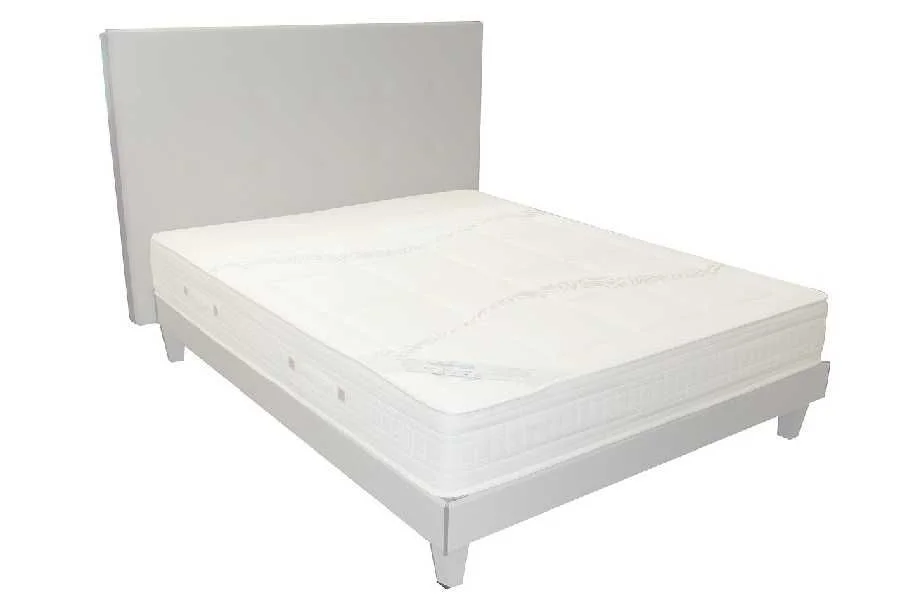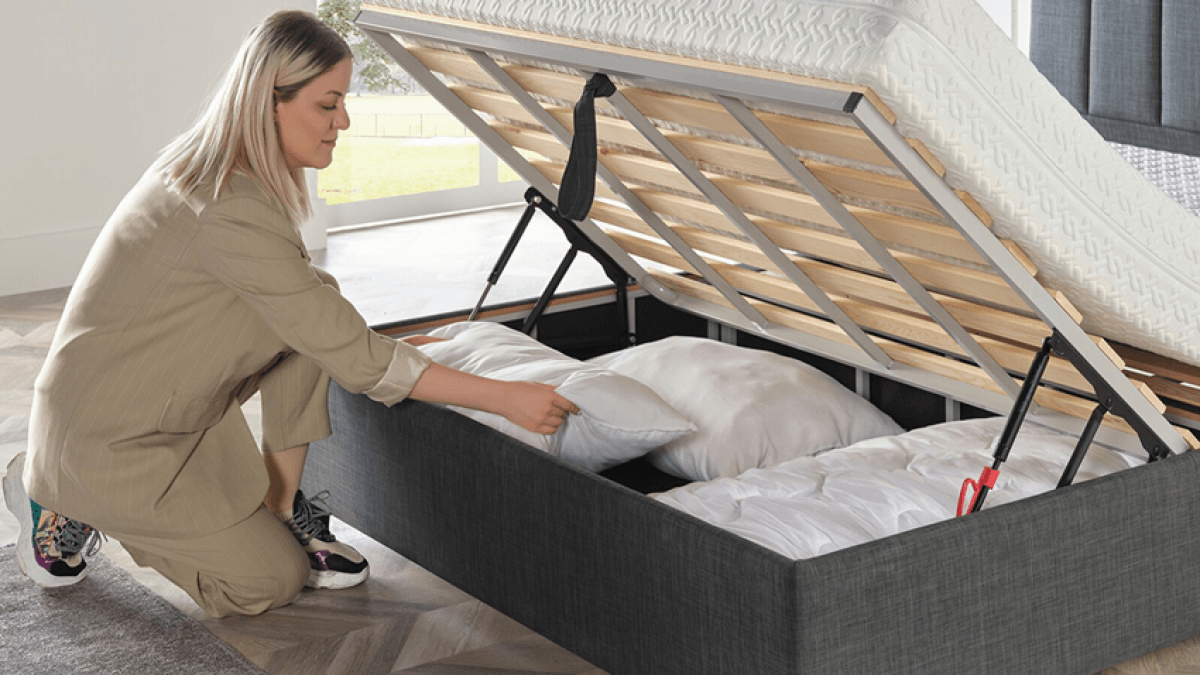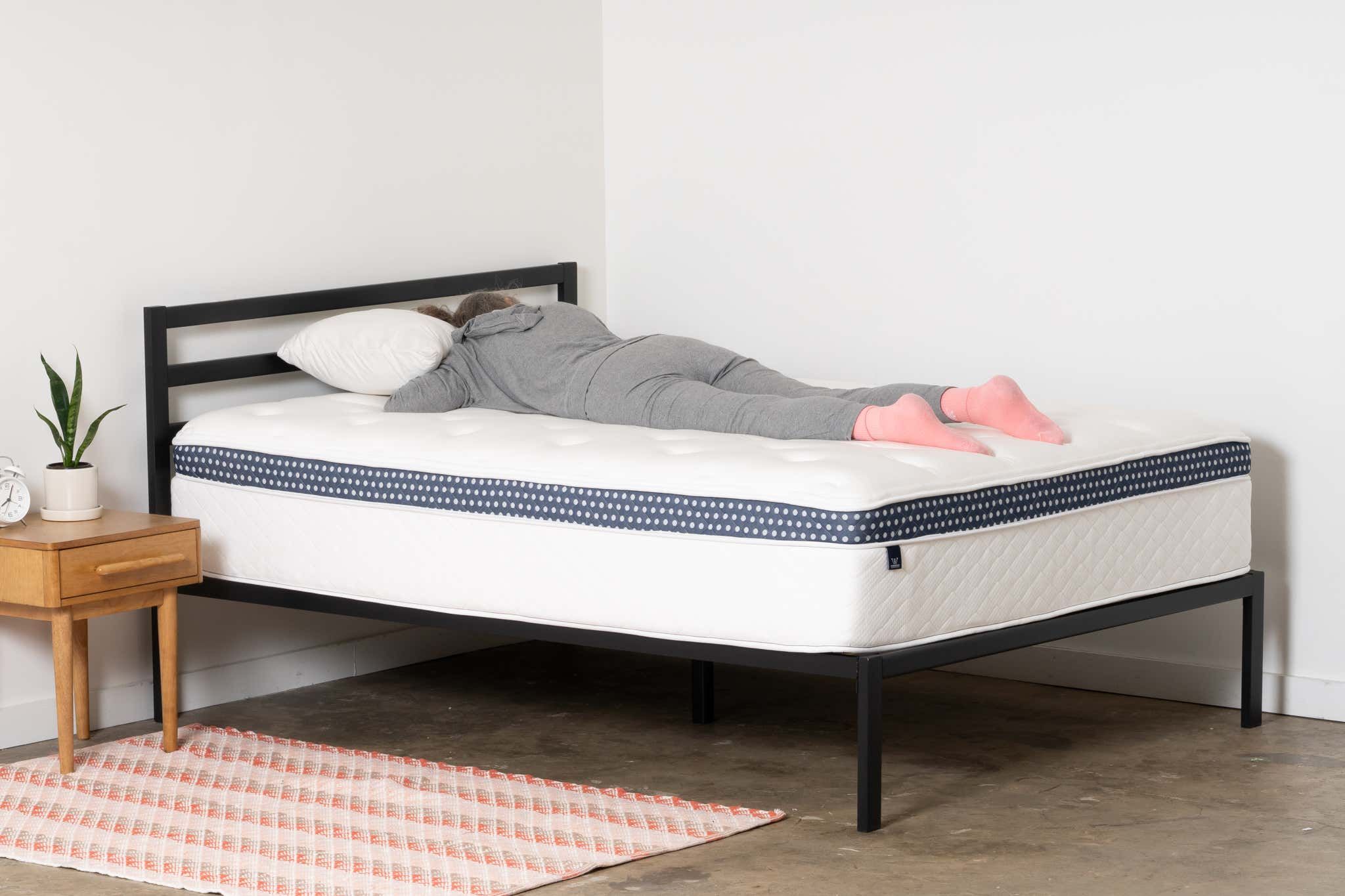
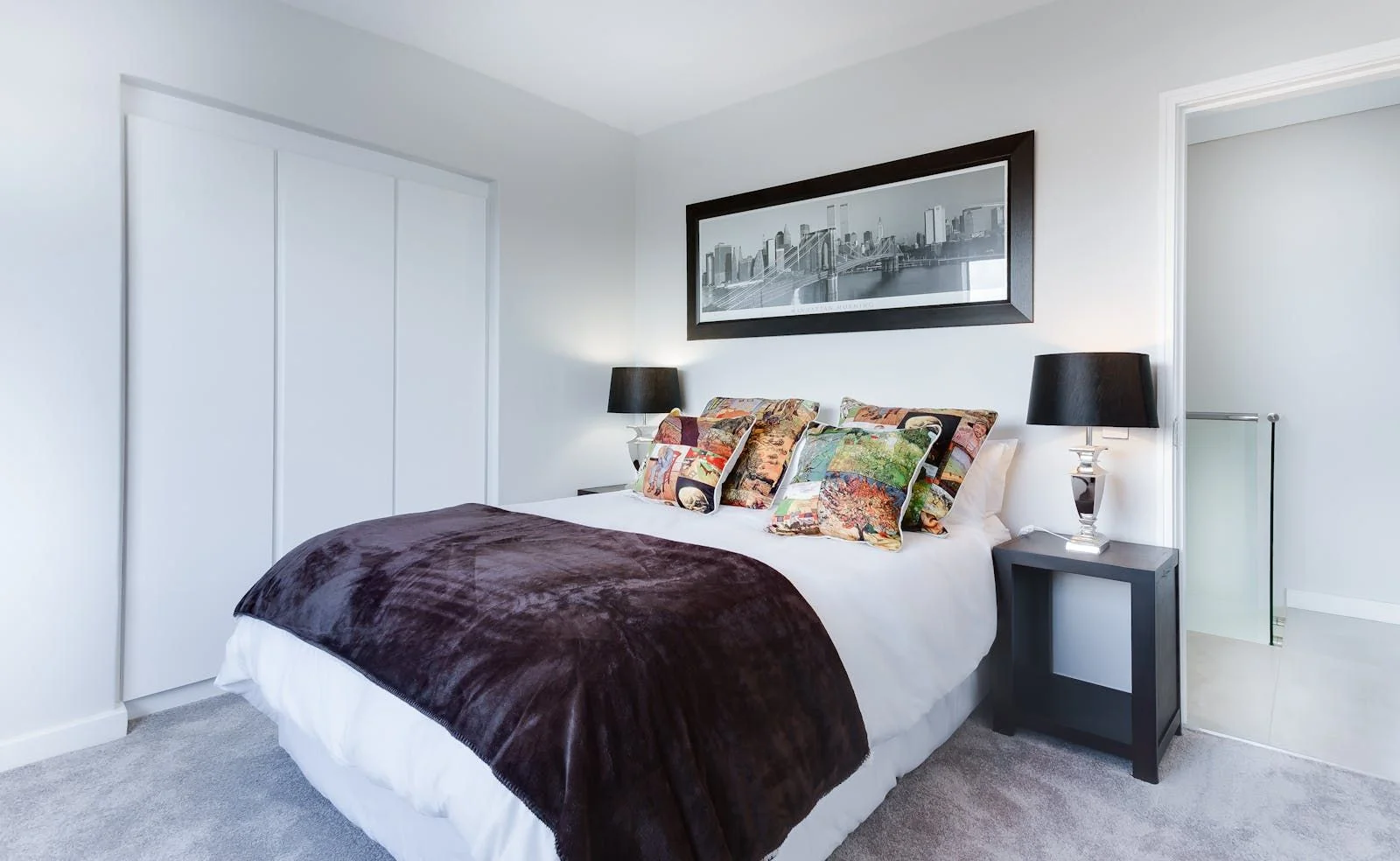
A low-profile box spring is a mattress foundation that sits 4 to 6 inches tall - roughly half the height of a standard 9-inch box spring - while delivering the same structural support. It's the foundation of choice when you're pairing a tall modern mattress (memory foam, hybrid, or pillow-top, often 12 to 14 inches thick) with a bed frame, and you don't want the finished bed to tower above the floor.
If your current setup feels like climbing onto a stage every night, or you've upgraded to a thicker mattress and your headboard is now hidden behind it, a low-profile foundation is usually the fix.
Low Profile vs. Standard Box Spring
The only meaningful difference is height - the support and durability are equivalent.
- Standard box spring: 8 to 9 inches tall. Pairs well with thin mattresses (8-10 inches) where extra height is welcome.
- Low-profile box spring: 4 to 6 inches tall (5 inches is most common). Pairs well with thick mattresses (12+ inches) so total bed height stays in the 22-25 inch sweet spot.
- Ultra-low profile: 2 to 4 inches. Designed for adjustable bases, bunk beds, and platform frames with limited clearance.
Internally, modern "box springs" are usually a wooden or steel frame with rigid slats rather than actual coiled springs. Both heights use the same construction; the low-profile version simply uses a shorter side rail.
When a Low-Profile Box Spring Is the Right Call
Choose a low-profile foundation if any of these apply:
- Your mattress is 12 inches or thicker and a standard box spring pushes your bed above 28 inches.
- You want a modern, platform-style aesthetic without giving up the air circulation a foundation provides.
- A child, older adult, or anyone with mobility limits needs easier access.
- Your headboard would be partially hidden by a taller foundation.
- You're moving frequently and want a foundation that's lighter and easier to carry up stairs.
Stick with a standard 9-inch box spring if your mattress is on the thinner side (under 11 inches), or if you genuinely prefer a higher bed for getting in and out.
Does Your Mattress Actually Need a Box Spring?
Not always. A box spring (low-profile or standard) is required when:
- Your bed frame has wide-spaced slats or just two side rails and a center support.
- The mattress warranty explicitly requires a box spring or matching foundation.
- You have a traditional innerspring mattress that depends on the foundation's give.
A box spring is not required when you have a platform bed with closely spaced slats (under 3 inches apart), a slatted foundation, or a solid platform base. Memory foam and hybrid mattresses generally need flat, rigid support - not the bounce of a true coil box spring.
What to Check Before You Buy
Total bed height. Measure floor-to-mattress-top: frame height + foundation height + mattress thickness. Aim for 22 to 25 inches if you want the back of your knees roughly level with the mattress edge when sitting.
Frame compatibility. Most metal bed frames are designed for 9-inch box springs. Switching to a 5-inch foundation drops your total height by 4 inches - check that your headboard still looks right and that the frame's center support reaches the floor.
Weight rating. Confirm the foundation supports the combined weight of mattress + sleepers. Reputable low-profile foundations rate 600-1,000 lbs.
Construction. Wood-slat foundations are quietest; steel frames are most durable. Avoid stapled, fabric-only "box spring" replacements that flex over time.
Quick Sizing Reference
Low-profile foundations are available in every standard size:
- Twin / Twin XL: ideal for kids' rooms and guest beds where lower height matters.
- Full / Queen: the most common combo with 12-14 inch hybrid mattresses.
- King / California King: keeps oversized beds from dominating the room visually.
Bottom Line
A low-profile box spring is the modern default for anyone pairing a thick mattress with a standard bed frame. You get the structural support and warranty compliance of a traditional foundation without an awkwardly tall bed. If your mattress is under 11 inches or you simply prefer a higher bed, stick with a standard 9-inch box spring - otherwise, the low-profile version is almost always the better choice.
Low-Profile Box Spring FAQs
What is the difference between a low-profile and standard box spring?
Height. A standard box spring is 8-9 inches tall; a low-profile box spring is 4-6 inches (typically 5 inches). Both provide the same structural support - the low-profile version uses a shorter side rail so your overall bed height stays manageable with a thick mattress.
Does a low-profile bed need a box spring?
Only if your bed frame has wide-spaced slats or just two side rails, your mattress warranty requires one, or you have a traditional innerspring mattress. Platform beds with closely spaced slats (under 3 inches apart) generally do not need a separate box spring.
How tall is a low-profile box spring?
Most low-profile box springs are 5 inches tall, with the broader category covering 4 to 6 inches. Ultra-low-profile foundations go down to 2 inches for adjustable bases and bunk beds.
Can I use a low-profile box spring with a memory foam mattress?
Yes, as long as the foundation has a rigid, flat surface (wood slats or steel frame) - memory foam and hybrid mattresses need solid support, not the give of a true coil box spring. Most modern low-profile foundations meet this requirement.
Will my regular bed frame work with a low-profile box spring?
In almost every case, yes - standard metal and wood frames accept both heights. Expect total bed height to drop by about 4 inches versus a 9-inch box spring, which may affect how your headboard looks.
Need help choosing the right foundation?
Banner Mattress carries low-profile and standard box springs across every size. Visit a showroom or browse online to find the right height for your mattress.