The short answer
No - most full-size cribs do not come with a mattress. Standard cribs ship as the frame only, and you buy a crib mattress separately. The few exceptions are crib-and-mattress bundles (often sold as a set on Amazon, Target, Walmart, or directly from brands like Graco) and most mini or portable cribs, which usually include a thin (1"-3") mattress pad. Major nursery brands such as DaVinci and Babyletto state outright that their full-size cribs do not include a mattress.
There's a good reason for this: a safe infant mattress has very specific requirements (firmness, fit, breathability) that a crib manufacturer can't assume on your behalf. Letting parents choose the mattress separately is what makes those choices possible.
Standard crib mattress size - and why fit matters more than anything
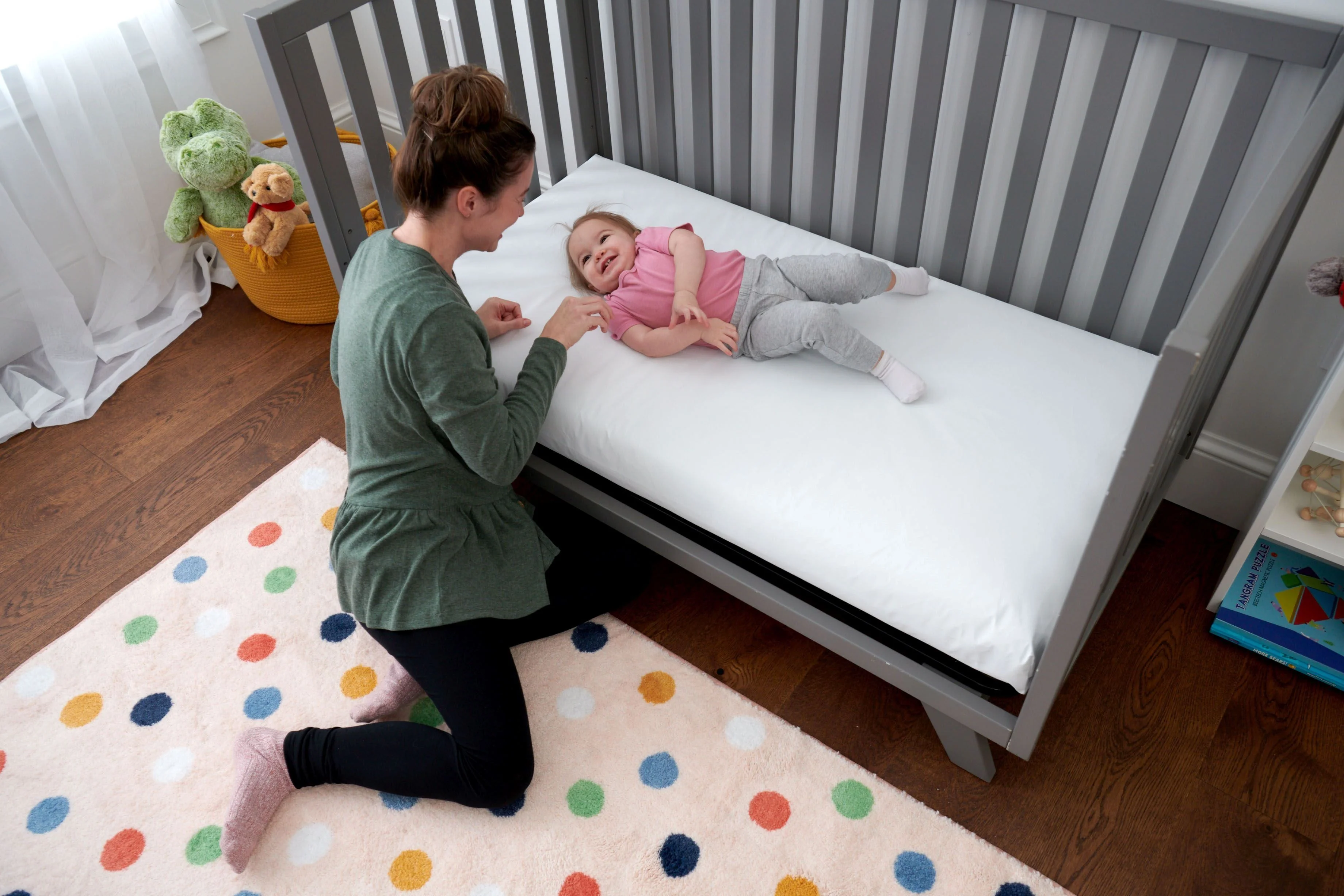
Federal safety rules require a full-size crib mattress to be at least 27¼" wide and 51⅝" long, and no more than 6" thick. In practice, most are sold around 27¼"-28⅝" wide by 51⅝"-52⅝" long. This range is standardized so any compliant mattress fits any compliant crib.
The U.S. Consumer Product Safety Commission's rule of thumb: if you can fit more than two fingers between the mattress and the side of the crib, the mattress is too small. Gaps of that size are an entrapment and suffocation hazard. This is the single most important spec to verify before you put your baby down to sleep - more important than brand, material, or price.
What makes a crib mattress safe for an infant
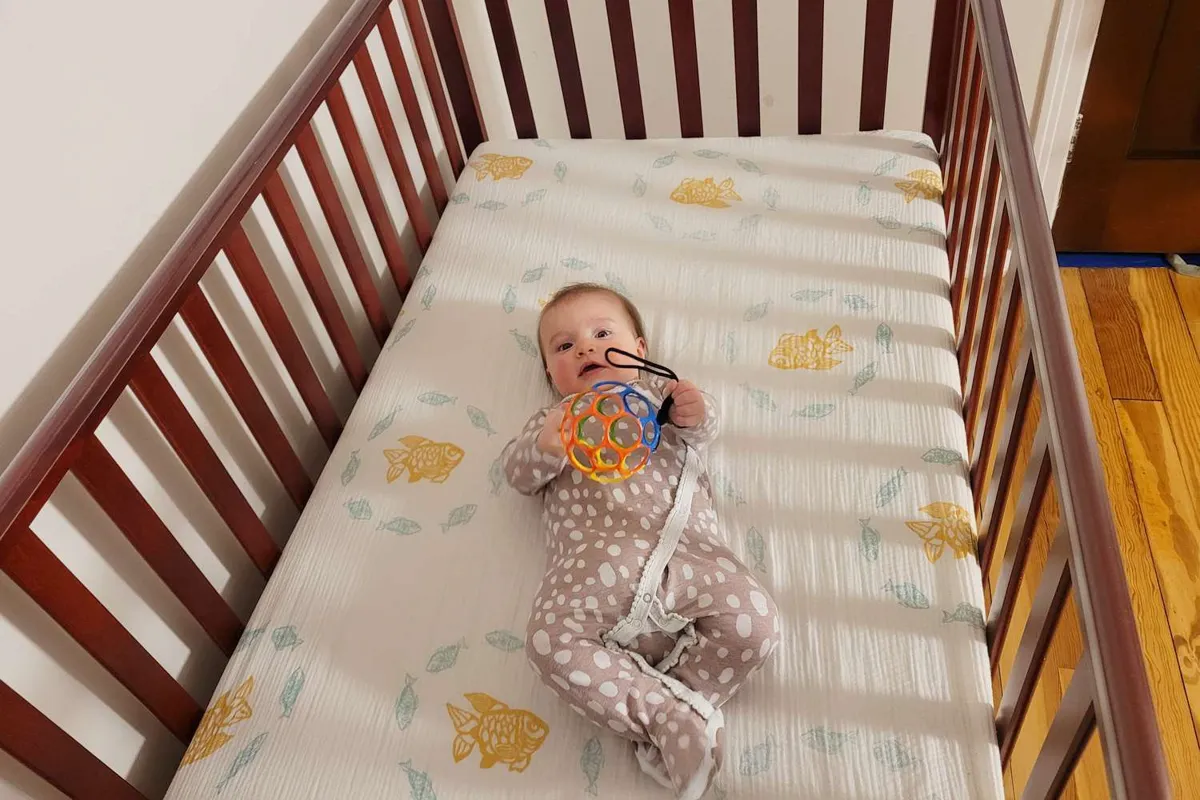
The American Academy of Pediatrics (AAP) safe-sleep guidance is unambiguous: infants should sleep on a firm, flat surface with a tight-fitting sheet, no pillows, no blankets, no bumpers, no soft toys. "Firm" specifically means the mattress should not indent when the baby's head presses into it.
Practically, that translates into four non-negotiables when shopping:
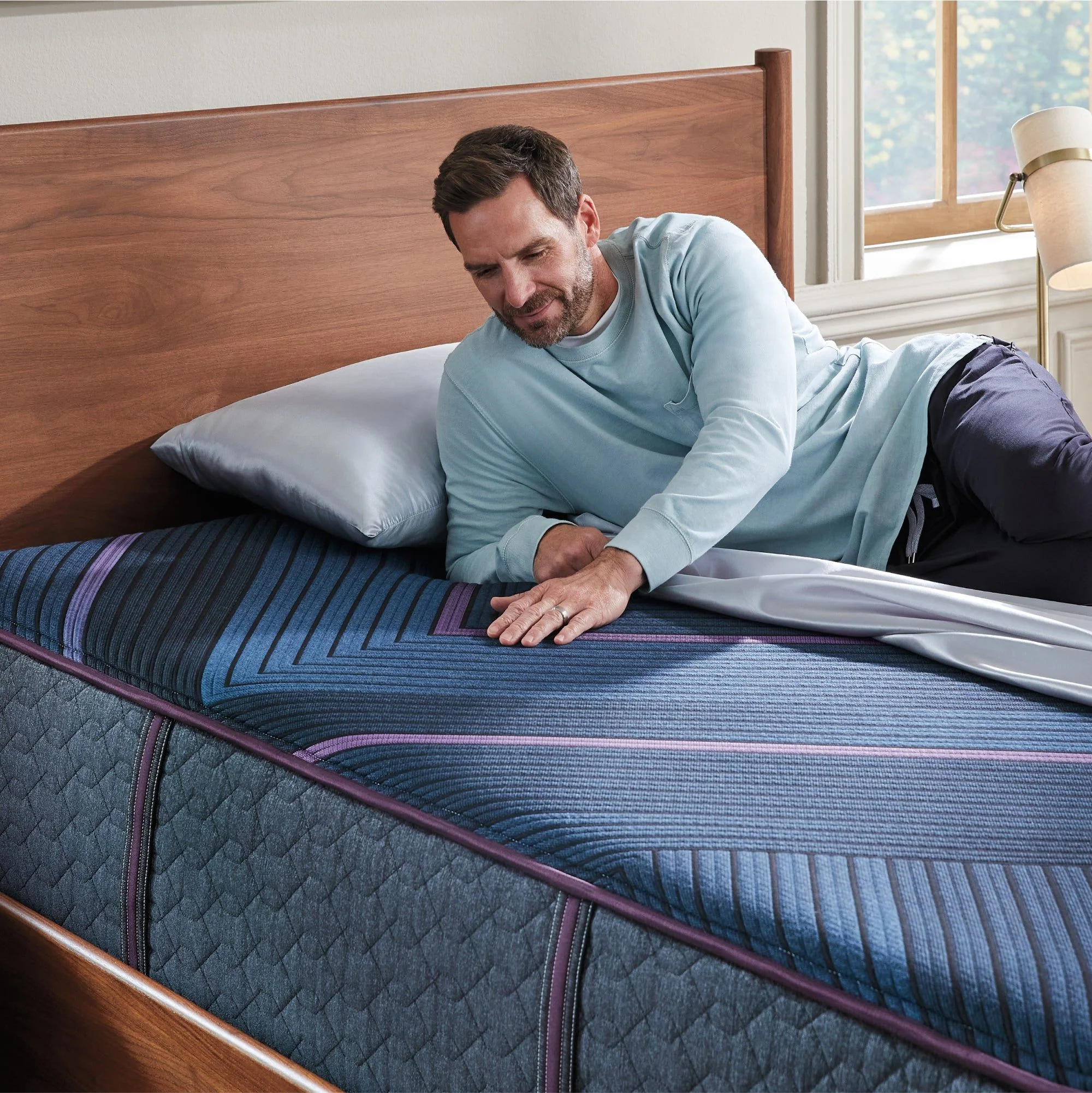
- Firm by design. A foam mattress should resist your hand when you press the center; an innerspring should feel taut, not springy.
- Snug fit. Two-finger rule, every time - even on a 'standard' size.
- Waterproof or wipeable cover. Diaper leaks and spit-up are constant; you need to clean without rotting the core.
- Low-emission materials. Look for GREENGUARD Gold, CertiPUR-US, or GOTS organic certifications, especially on foam cores.
Buying crib + mattress separately
- You pick the firmness and material that's right for your baby
- You can upgrade to organic or breathable models without paying for a frame you don't want
- Easier to replace just the mattress when transitioning to toddler bed
- Wider safety-certification options (GREENGUARD, GOTS, CertiPUR-US)
Buying a crib-and-mattress bundle
- Cheaper as a single purchase, especially at Walmart or Target
- Guaranteed fit - bundle is sized for the included frame
- One-stop convenience for first-time parents
- Bundle mattresses are usually thin and minimum-spec, not premium
Crib mattress materials, compared
Once safety basics are covered, material is the next decision. Each has trade-offs:
Innerspring
Coil cores wrapped in foam or fiber padding. Generally the firmest option and the easiest to verify as 'baby-firm.' Heavier than foam, with strong edges that hold up through years of crib-side leaning. The traditional pediatric pick.
Foam (polyurethane or memory)
Lighter, easier to lift for sheet changes, and usually cheaper. Important: choose a high-density infant foam - most baby foam mattresses are deliberately denser and firmer than adult memory foam. Verify CertiPUR-US certification to rule out the chemicals of concern (formaldehyde, heavy metals, ozone depleters).
Organic cotton & natural latex
Brands like Naturepedic and Avocado build cores from food-grade organic cotton or natural Dunlop latex with non-toxic waterproofing. Most expensive of the three, but the lowest off-gassing profile and the strongest third-party certifications (GOTS, GOLS, MADE SAFE).
Breathable / dual-stage
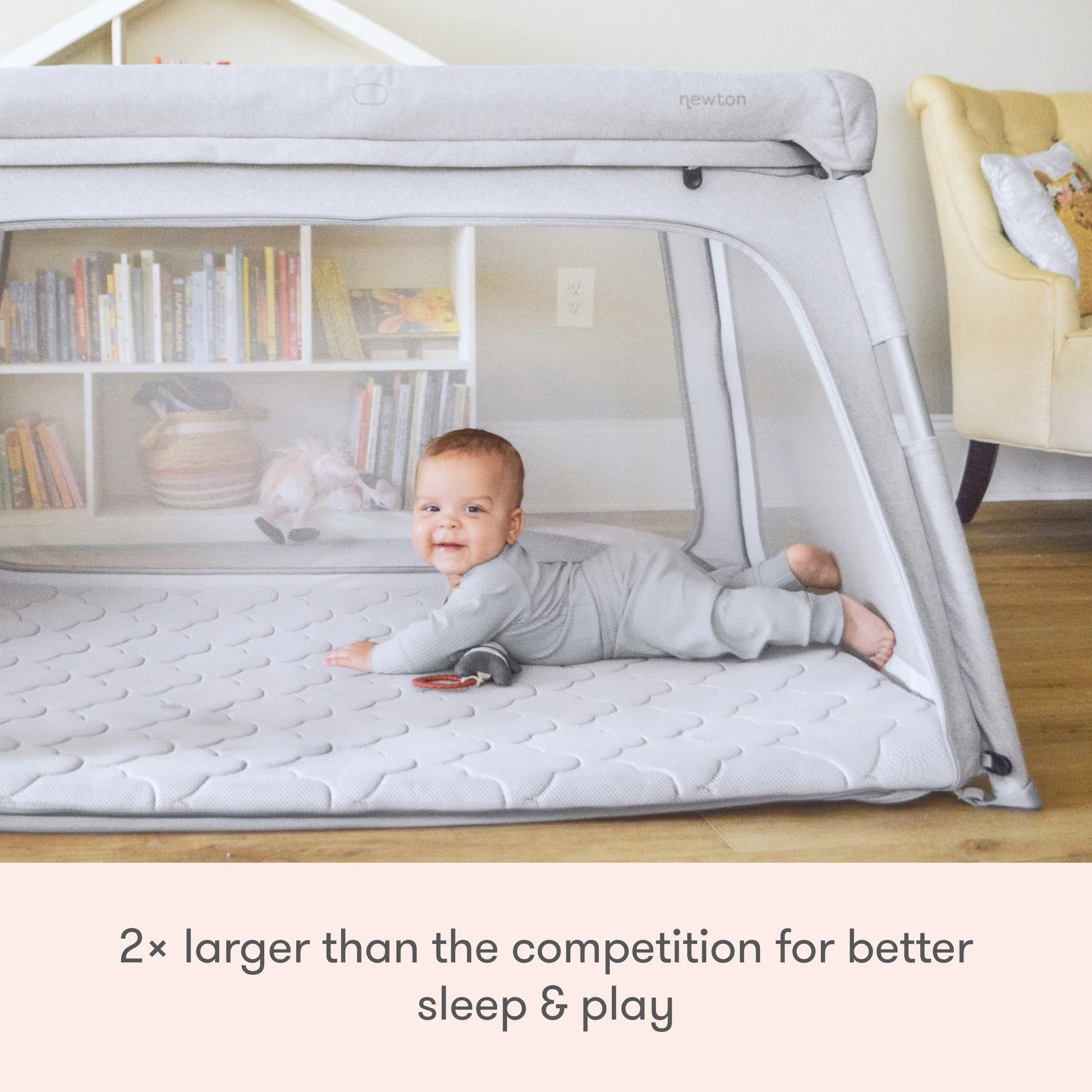
A growing category - Newton Baby, Naturepedic Breathable, Lullaby Earth - that uses a perforated or 3D-mesh top so air moves through the surface. Many also flip to a softer toddler side after age 1. Useful for parents focused on overheating, though no breathable design is a substitute for AAP safe-sleep practice.
Mini cribs, portable cribs, and travel cribs
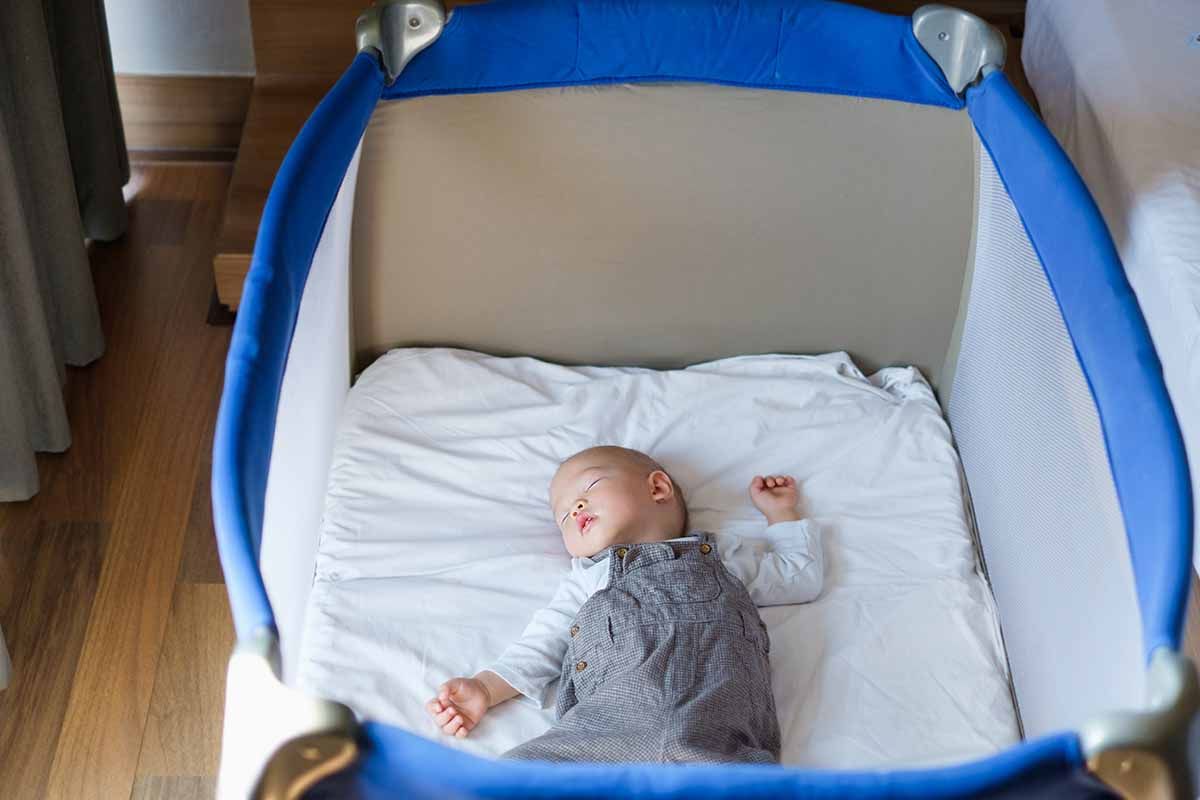
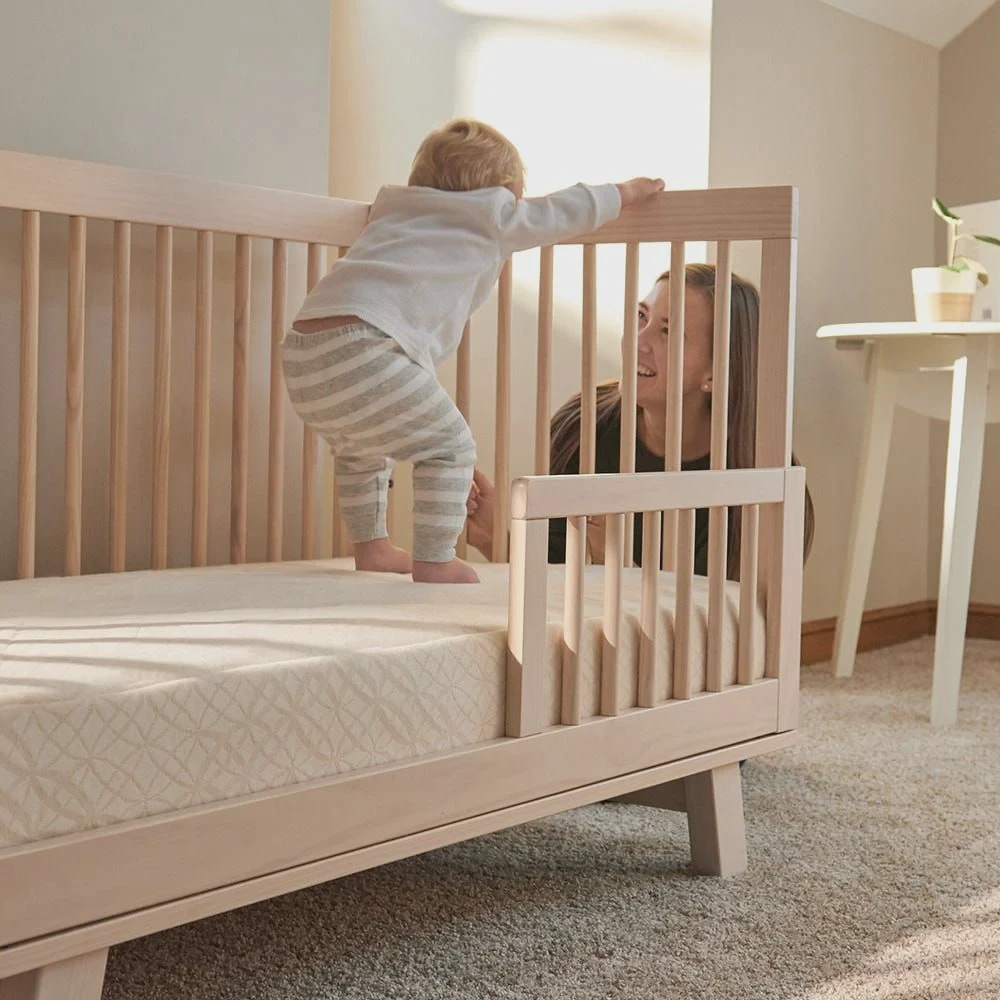
Unlike full-size cribs, mini and portable cribs almost always ship with a mattress pad - but it's typically thin (1"-3") and intended only for short-term use. If your baby will sleep in a mini crib for more than the first few months, plan to upgrade to a dedicated mini-crib mattress (sized roughly 24" × 38").
Travel cribs and play yards (Pack 'n Play-style) include their own mattress pad and should not be used with an aftermarket mattress added on top. Stacking pads creates a sinking, unstable surface - exactly what AAP guidance warns against.
Convertible cribs: one mattress, multiple stages
Convertible cribs (often marketed as 3-in-1, 4-in-1, or 5-in-1) convert from crib → toddler bed → daybed → full-size bed using conversion kits. The crib mattress fits the first two stages; you'll need a full or twin mattress when converting later. Plan accordingly: a $400 convertible crib that needs two more mattresses over five years can cost more than a $200 standard crib used to age 2 and sold on.
Crib mattress FAQ
Does a baby crib actually need a mattress?
Yes. A crib without a properly fitted, firm, flat mattress is unsafe for infant sleep. Pediatric safe-sleep guidance (AAP, NHS, AAFP) all require a firm mattress with a tight-fitting sheet and nothing else in the crib.
Can I use an old or hand-me-down crib mattress?
Use one only if you know its history - it must be firm with no soft spots, the cover must be intact (no tears, no mold), and it must fit the crib snugly. Pediatric researchers have associated some used mattresses with elevated SIDS risk, though the evidence is debated. When in doubt, buy new.
How long does a crib mattress last?
Most last 3-5 years of regular use, which covers from newborn through toddler conversion. Replace sooner if the cover tears, the core sags, or you can compress more than ¼" by hand pressure in the center.
Are crib mattresses with two firmness sides worth it?
Yes if you'll use it past age 1. The infant side is firm (required for safe sleep); the toddler side is softer for kids who can roll independently. It saves buying a second mattress when you transition to a toddler bed.
Do I need a waterproof cover or mattress protector?
Strongly recommended. Even mattresses sold as 'waterproof' benefit from a thin breathable protector underneath the fitted sheet - it's far easier to wash a protector than to deep-clean a mattress core after a leak.
Looking for a safe, firm crib mattress?
Our editors round up GREENGUARD-certified, CertiPUR-US, and organic options that meet AAP firmness guidance - across every budget.