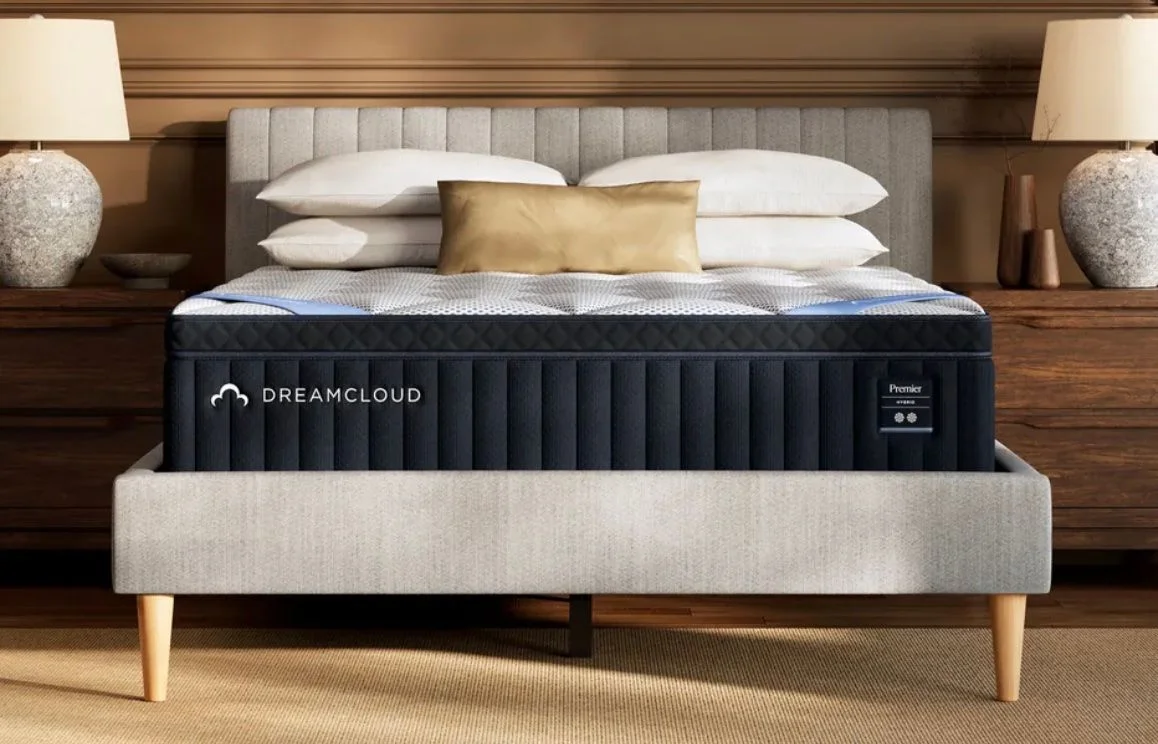
Short answer: DreamCloud mattresses sold today are fiberglass-free (and, for the record, designed in the USA but assembled mostly in China). The brand confirms it on the product page, and independent labs that previously listed DreamCloud as "unclear" have updated their classification after reviewing the company's current materials. The wrinkle is the back catalog: in May 2026, Resident Home (the parent of DreamCloud, Nectar, and Siena) and Ashley Furniture agreed to a $9 million class action settlement covering more than 70 mattresses sold between October 1, 2017 and June 20, 2024. The brands say they discontinued fiberglass by the end of 2023, but if you bought a DreamCloud in that window, you're likely eligible for a voucher or cash payout. Claims close July 17, 2026.
What changed in 2026
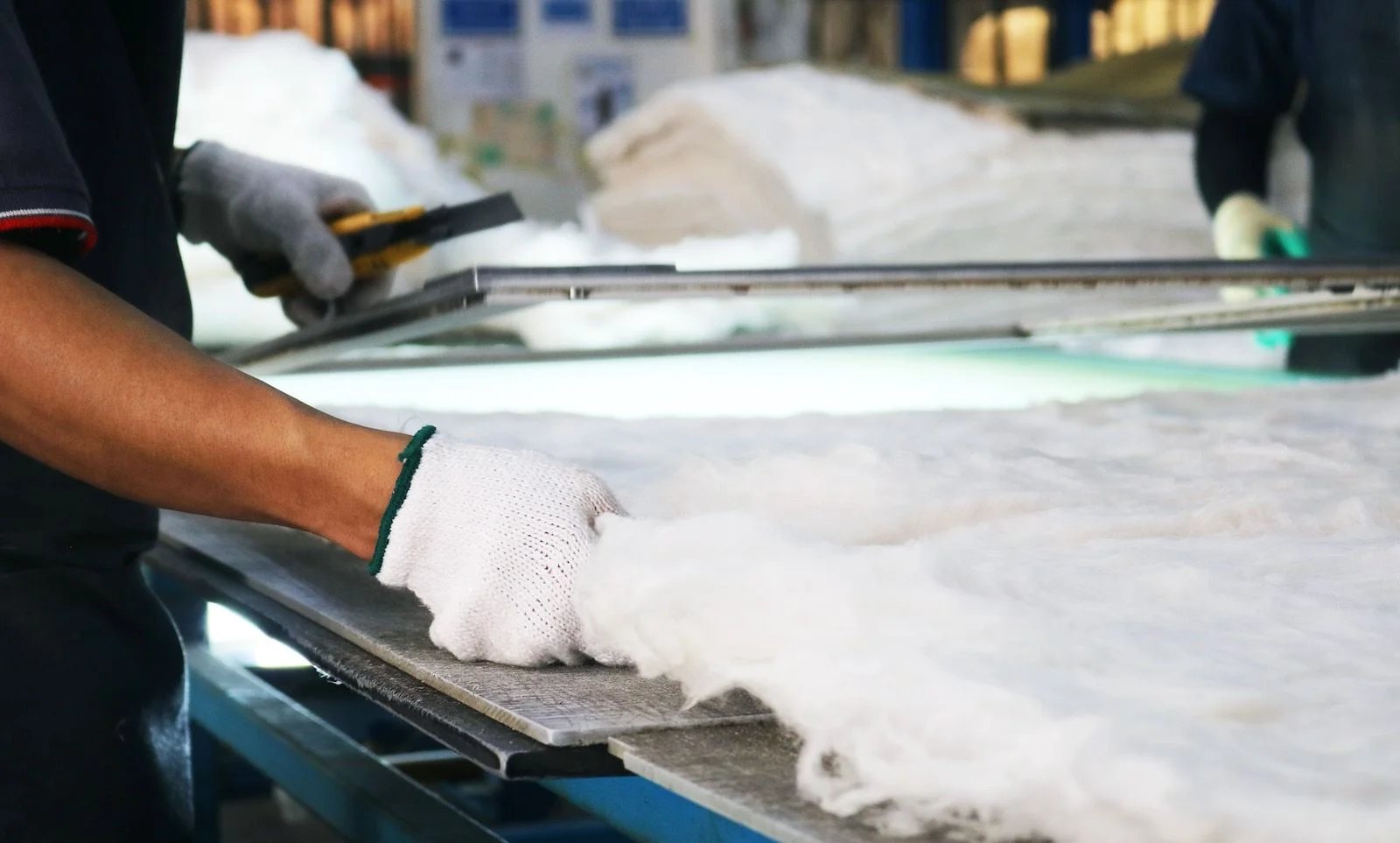
On May 7, 2026, Forbes reported that Ashley Furniture Industries, Ashley Global Retail, and Resident Home formally agreed to settle a long-running class action over fiberglass in their mattresses. Plaintiffs alleged that fiberglass strands could escape the inner cover - particularly when owners unzipped and washed the outer cover - and that some buyers suffered property damage and respiratory irritation as a result. The defendants deny wrongdoing, and the court has not made a finding of liability. They settled, the filing says, to avoid the cost of further litigation.
Two practical takeaways from the agreement. First, the brands stopped using fiberglass at the end of 2023, so any DreamCloud purchased new in 2024 or later should already use the rayon/wood-pulp fire barrier the company markets today. Second, eligibility for the payout extends through June 20, 2024 - the cutoff lines up with sell-through of older inventory, not the 2023 manufacturing change.
How to tell if your DreamCloud has fiberglass
There are three reliable checks. None require unzipping the cover - and you should not unzip it, because that's the move plaintiffs alleged released the fibers in the first place.
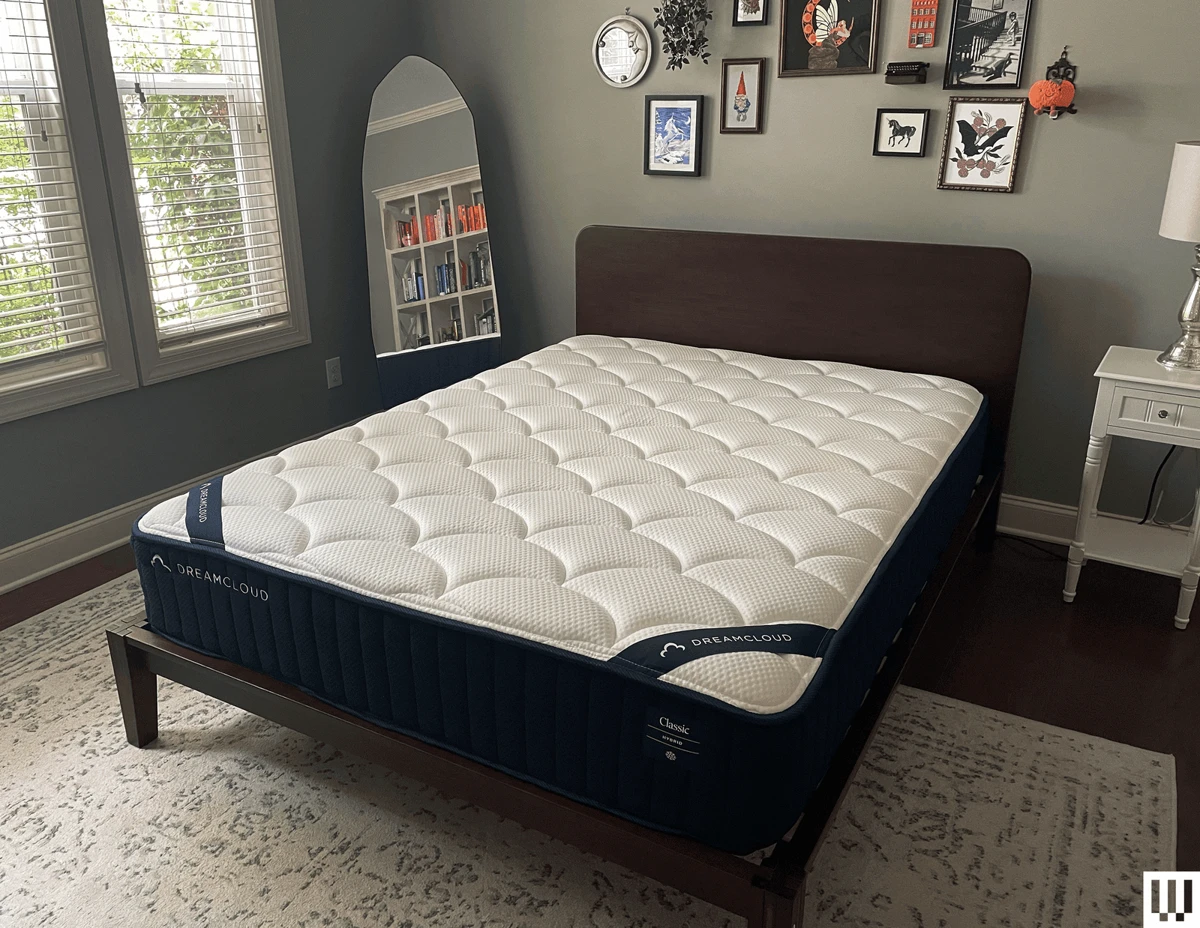
- Find the law label. Every U.S. mattress carries a white tag (usually at the head or foot seam) listing the fill materials. If you see "glass fiber," "fiberglass," or "silica" on that label, the bed contains it. Modern DreamClouds list rayon and polyester instead.
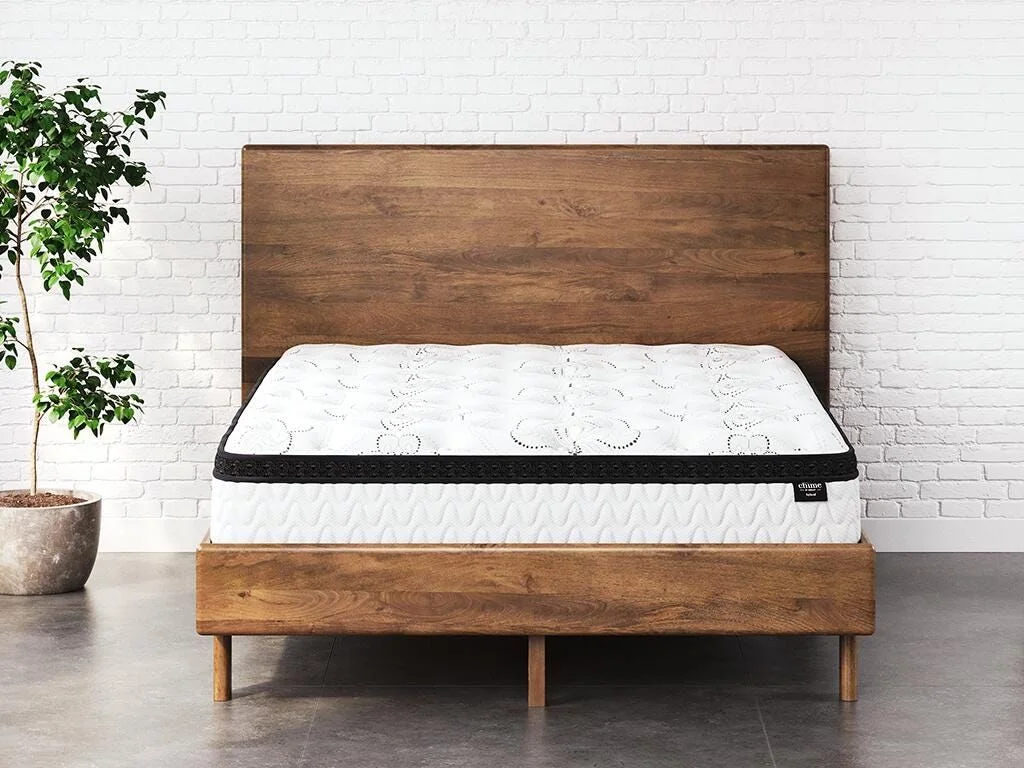
- Cross-reference the SKU. The settlement website lets you enter your SKU or model number to confirm whether your specific bed is named in the affected list. The covered DreamCloud models include the Classic Hybrid, Classic Memory Foam, Premier, Premier Hybrid, Premier Rest, Luxe Hybrid, and Luxe Memory Foam.
- Check your purchase date. Beds bought new on or after July 2024 fall outside the class window and use the current fiberglass-free build.
Frequently asked questions
Does DreamCloud use fiberglass today?
No. DreamCloud's current mattresses are advertised as fiberglass-free, and independent reviewers (NapLab, NCOA, Mattress Reviews) confirm the law label lists no glass fiber or silica. The brand uses a rayon and polyester fire barrier instead.
Which DreamCloud models are part of the settlement?
Fifteen models: DreamCloud Classic Hybrid, Classic Memory Foam, Hybrid, Luxe Hybrid, Luxe Memory Foam, Memory Foam, Premier, Premier Hybrid, Premier Hybrid 3.1, Premier Mattress, Premier Memory Foam, Premier Rest, Premier Rest Hybrid, Premier Rest Memory Foam, and the original DreamCloud Mattress - if purchased between October 1, 2017 and June 20, 2024.
What can I claim?
A store voucher to Ashley, Nectar, DreamCloud, or Siena. The voucher amount depends on how many valid claims are filed against the $9 million fund. Cash payments are possible if leftover money remains after legal fees.
How do I file a claim?
Submit online at mattressclassactionsettlement.com or by mail before July 17, 2026. Class members who already received an email with a Unique ID and PIN can use those to fill out the short form. Without an email notice, you'll need proof of purchase - a receipt, store record, or a clear photo of the law label and SKU.
Is fiberglass dangerous if it stays inside the cover?
When fiberglass is sealed inside an inner fire-barrier sock, it sits behind the outer cover and isn't exposed to skin or air. The risk shows up when owners unzip and wash the outer cover - or when the cover tears - releasing tiny strands. The CPSC has not banned fiberglass in mattresses, but most major brands have moved away from it because of the cleanup cost when it does escape.
Should I keep using my mattress while I claim?
If the cover is intact and unwashed, most testers and the settlement's own materials suggest the immediate exposure risk is low. If you've already unzipped or washed the cover and see fibers, stop using it, seal it in plastic, and contact a remediation service - and document everything for your claim.
Why DreamCloud still works in 2026
- Current builds (2024 onward) use a rayon/wood-pulp fire barrier - no fiberglass
- CertiPUR-US certified foams: no formaldehyde, mercury, lead, or phthalates
- 365-night home trial and lifetime warranty on most models
- Hybrid construction with pocketed coils gives better edge support than older all-foam DreamCloud models
Reasons to be cautious
- Older inventory (2017-2024) is named in the class action settlement
- Outer cover is removable and washable - manufacturer warns against it for a reason; do not unzip
- Off-gassing odor for the first 24-72 hours after unboxing
- Heavy (around 80 lbs in queen) - hard to move alone
Need a fiberglass-free mattress today?
Bottom line
If you're shopping a new DreamCloud in 2026, the fiberglass question is largely settled - the current build doesn't use it. If you already own one bought before mid-2024, check the law label, look up your SKU on the settlement site, and file a claim before July 17, 2026. And in either case, leave the outer cover zipped up; the fire barrier - whatever material it's made of - is designed to stay sealed inside the bed.