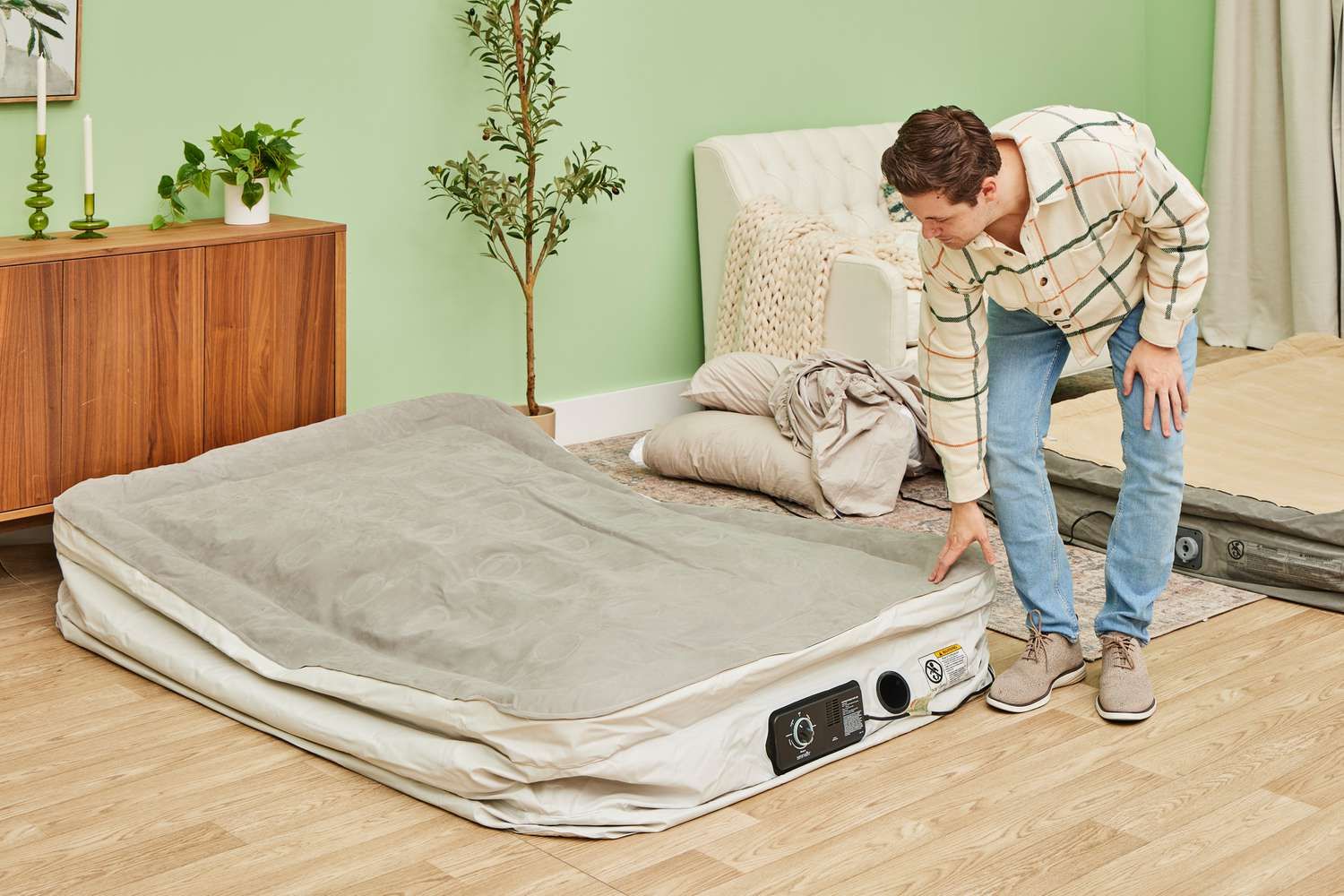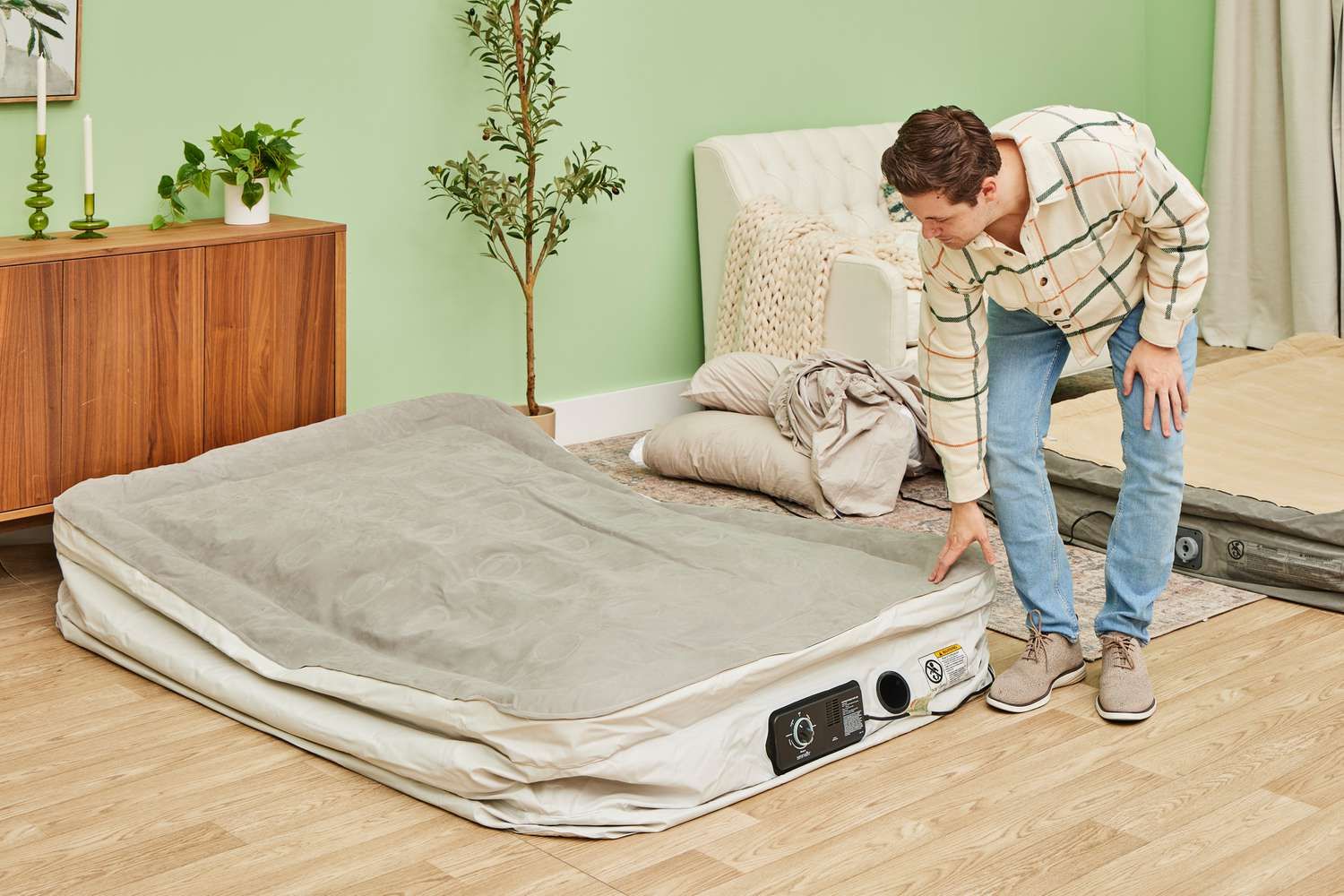
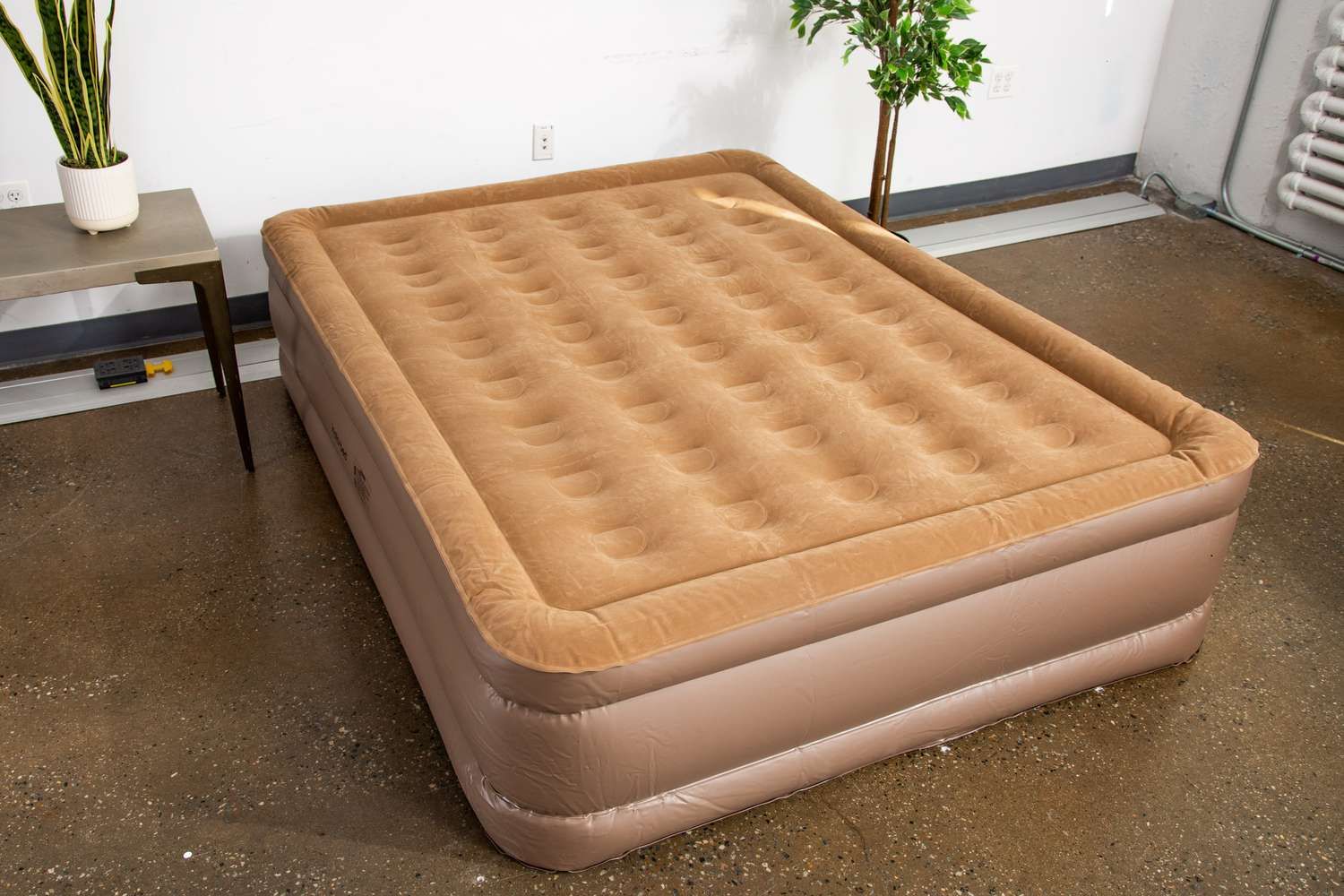
Short answer: a quality air mattress lasts about 8 years with occasional guest or camping use, but only 1 to 2 years if you sleep on it every night. Adjustable air beds with mechanical pumps (the Sleep Number / Saatva style) are different - those are built to last 8 to 15 years as a primary bed, but their motors and remotes can fail before the air chambers do.
The huge spread comes down to three things: material quality, how often you inflate it, and how you store it. Below is what to expect by use case, the warning signs it's time to replace, and the care habits that actually move the needle.
Air mattress lifespan by use case
There is no single number - manufacturers and reviewers give wildly different figures because they're describing different mattresses and different use patterns. Here's how the ranges break down:
- Occasional guest use (a few nights a month): 8-10 years for a quality PVC or TPU model. Helix Sleep and Saatva both cite 8+ years for occasional use.
- Camping and travel: 5-8 years if you protect it from rough ground with a tarp. Punctures, not material fatigue, are usually what kill camping mattresses.
- Daily use as a primary bed: 1-2 years for a standard inflatable, per Mattress Firm and Avacare Medical. Constant body weight stresses the seams and stretches the vinyl, leading to slow leaks and sagging within months.
- Adjustable air beds (Sleep Number, Saatva Solaire): 8-15 years. These are engineered as primary mattresses with replaceable air chambers and pumps - but the electronics are often the first thing to fail.
Quick answers
How often should you replace an air mattress?
Replace an inflatable air mattress every 1-2 years if you use it daily, every 5-8 years for regular guest or camping use, and every 8-10 years for occasional weekend use. Adjustable air beds (Sleep Number, Saatva Solaire) typically last 8-15 years. Replace sooner if you have a leak you can't patch, a stretched-out top surface that won't hold its shape, or recurring sagging in the middle.
What is the lifespan of an airbed?
Airbeds - the Sleep Number / Saatva Solaire category with mechanical pumps and replaceable air chambers - typically last 8 or more years with normal daily use, and often longer than traditional innerspring or memory foam mattresses. The mechanical components (pump, remote, chamber valves) may need repair or replacement before the mattress itself wears out.
Can you sleep on an air mattress every night?
You can, but a standard inflatable air mattress will only hold up for 1-2 years of nightly use before the seams stretch and slow leaks develop. If you need an air bed as a primary sleeping surface, an adjustable airbed (Sleep Number, Saatva Solaire) is built for the job and will last 8+ years. Standard models also lack the lumbar support most people need for nightly sleep.
Do air mattresses lose air overnight?
A small overnight drop in firmness is normal and doesn't mean your mattress is leaking. Cooler night-time air contracts inside the chambers, and PVC stretches slightly under body weight during the first few uses. If you're losing more than 10-20% of firmness overnight or the mattress is visibly soft by morning, you have a real leak - check the seams and valve first.
What actually affects how long it lasts
Material and seam construction
The material on the spec sheet is the single biggest predictor. Heavy-duty PVC (the thicker, ribbed kind), reinforced vinyl, and TPU all hold up dramatically longer than the thin PVC used in budget models. Look for heat-welded seams instead of glued ones - glued seams are the first thing to fail under repeated inflation cycles. Internal coil or beam construction also matters: airbeds with vertical air coils distribute weight better than chambers built from horizontal tubes.
Frequency and pattern of use
Every full inflation/deflation cycle adds wear. A mattress you inflate once a quarter for guests will outlast the same model used as a daily bed by 5x or more. The real killer isn't being inflated - it's being deflated, folded, transported, then re-inflated. If you can leave it inflated between uses (in a guest room, for example), you'll significantly extend its life.
Maintenance and storage
The fastest way to wreck an air mattress is to roll it up while it's still slightly damp or while debris is stuck to the surface. Mold attacks the inside of vinyl chambers and is nearly impossible to remove. Wipe it down dry, deflate fully, and store flat or loosely rolled in its original bag - never crammed into a box that creases the seams in the same spot every time.
Signs it still has life left
- Holds firmness within 10-20% overnight without re-inflation
- No visible bulges, stretched panels, or thin spots on the top surface
- Seams feel flat and uniform, with no separation at the corners
- Patch-repaired punctures are still holding pressure after a week
- Pump or valve still seals tightly without hissing
Signs it's time to replace
- Visible sagging in the middle even when fully inflated
- Slow leak you can't trace or patch (often means seam failure)
- Top surface feels stretched, soft, or wavy in spots
- Mattress requires re-inflation more than once a night
- Persistent musty smell - usually internal mold that can't be cleaned
- Pump motor whines, overheats, or fails to seal the valve
How to make your air mattress last longer
Most premature failures come from a handful of avoidable mistakes. Here's what actually moves the needle:
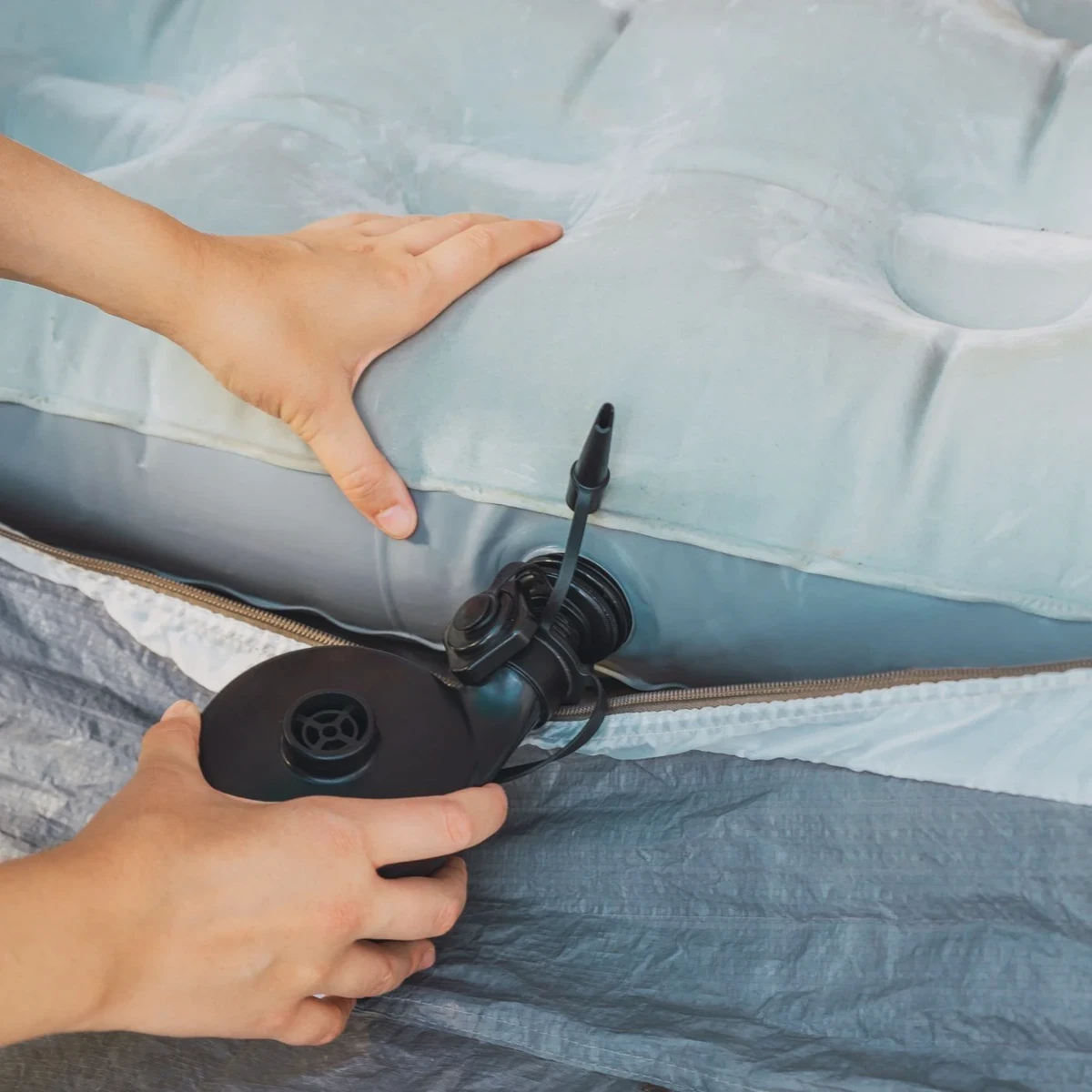
- Don't over-inflate. Never pump to maximum firmness - fill to about 90% on the first use and let it stretch to its final shape over the next two or three uses. Maxing out a brand-new mattress is the fastest way to blow a seam.
- Use a mattress topper or fitted sheet. A simple fabric layer protects the top surface from skin oils, sweat, and zipper snags from sleeping bags.
- Always inflate on a clean, flat surface. Sweep first. A single grain of sand under the bed will work itself into a puncture overnight.
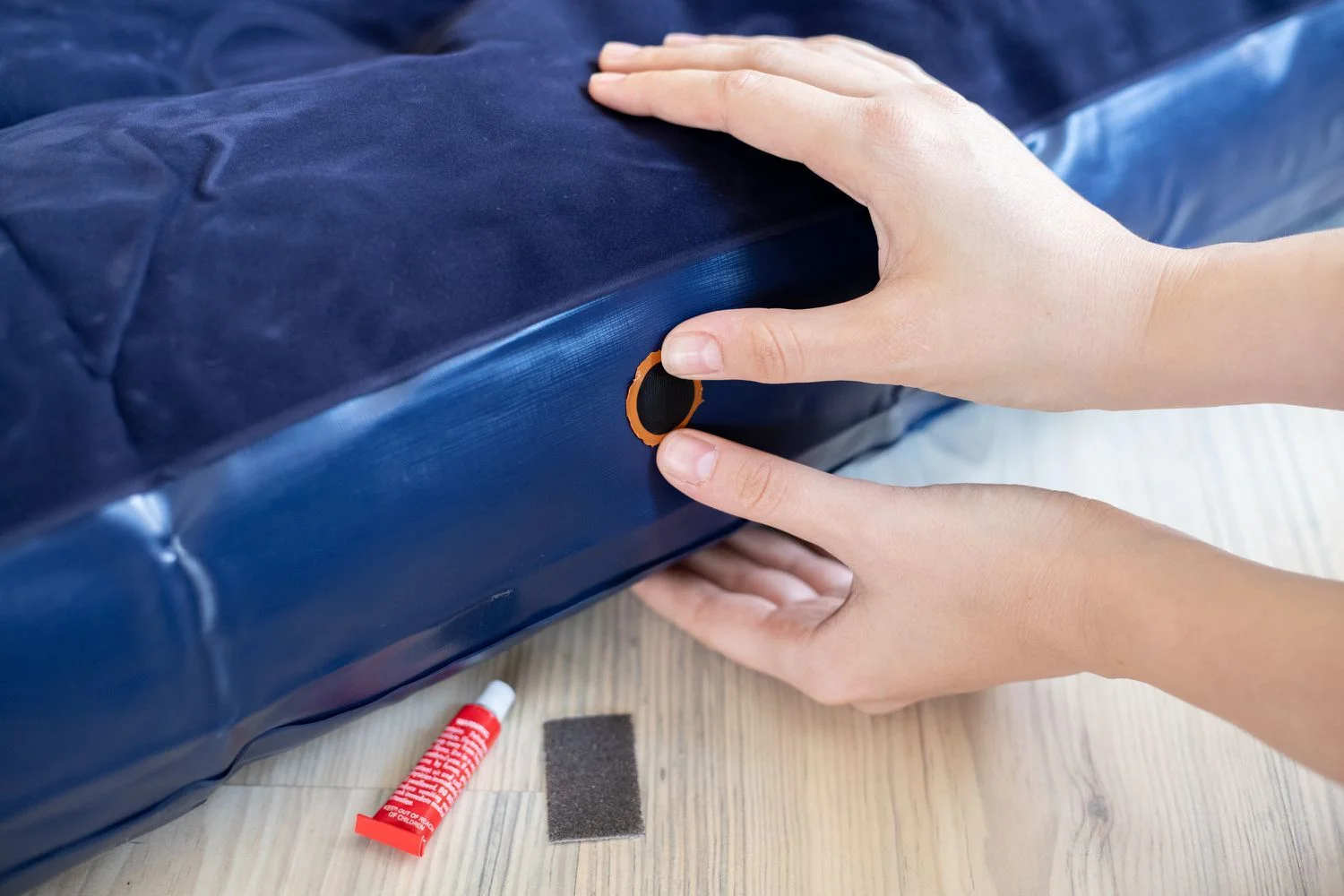
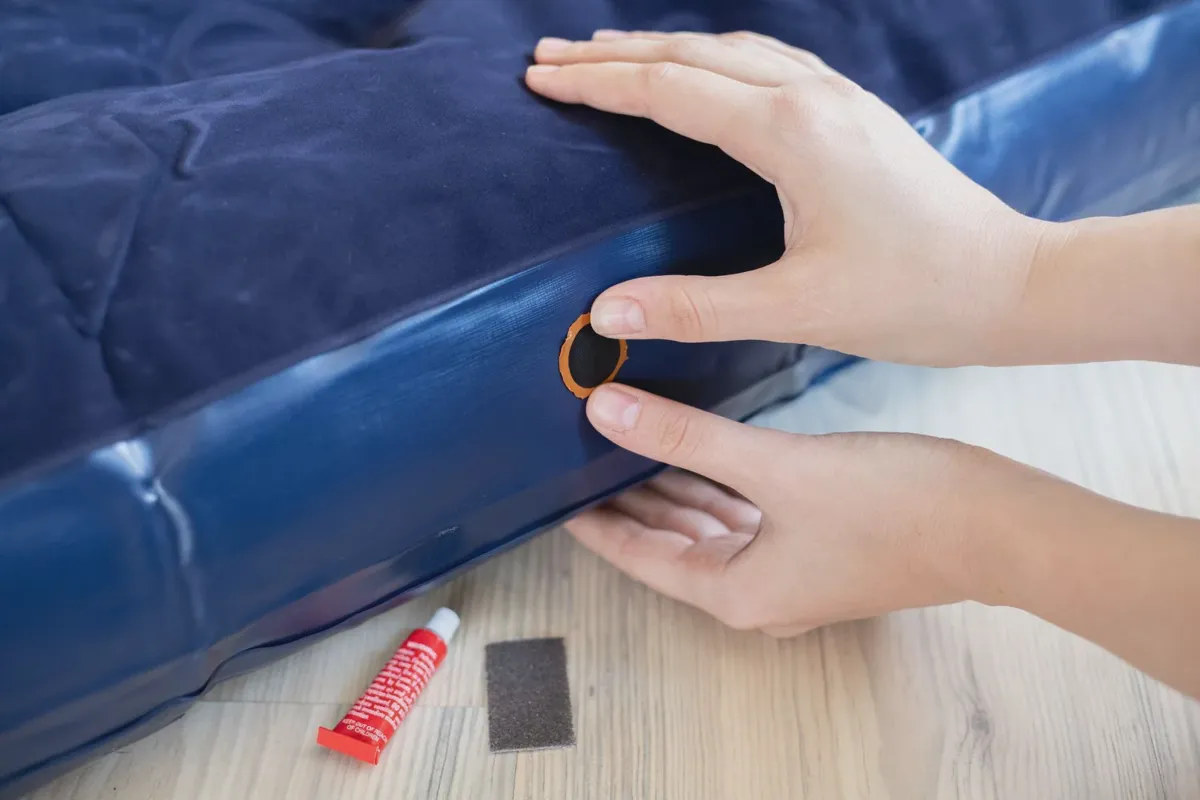
- Patch leaks early. Submerge the inflated mattress in a kiddie pool or wipe with soapy water to find the leak - bubbles will mark it. Use the included repair patch, not duct tape, which fails within weeks.
- Skip the bouncing. Kids jumping on an air mattress is the #1 cause of premature seam failure we see in returns.
- Store completely dry and flat. Wipe the surface with a dry microfiber cloth, deflate fully, and store in a cool, dry place - not a hot attic or damp basement.

Need a real bed instead?
If your air mattress is your everyday sleep surface, you're already past its design life. Browse our buying guides to find a traditional mattress built for the long haul.
The bottom line
An air mattress will give you 8 or more years of reliable guest service if you take basic care of it - or as little as 12 months if you put it through nightly duty. The mattress doesn't really care about its calendar age; it cares about cycles, pressure, and whether you give it a clean, dry surface to live on. Match the mattress to the workload, replace it when the warning signs show up, and you'll get every month it has to give.