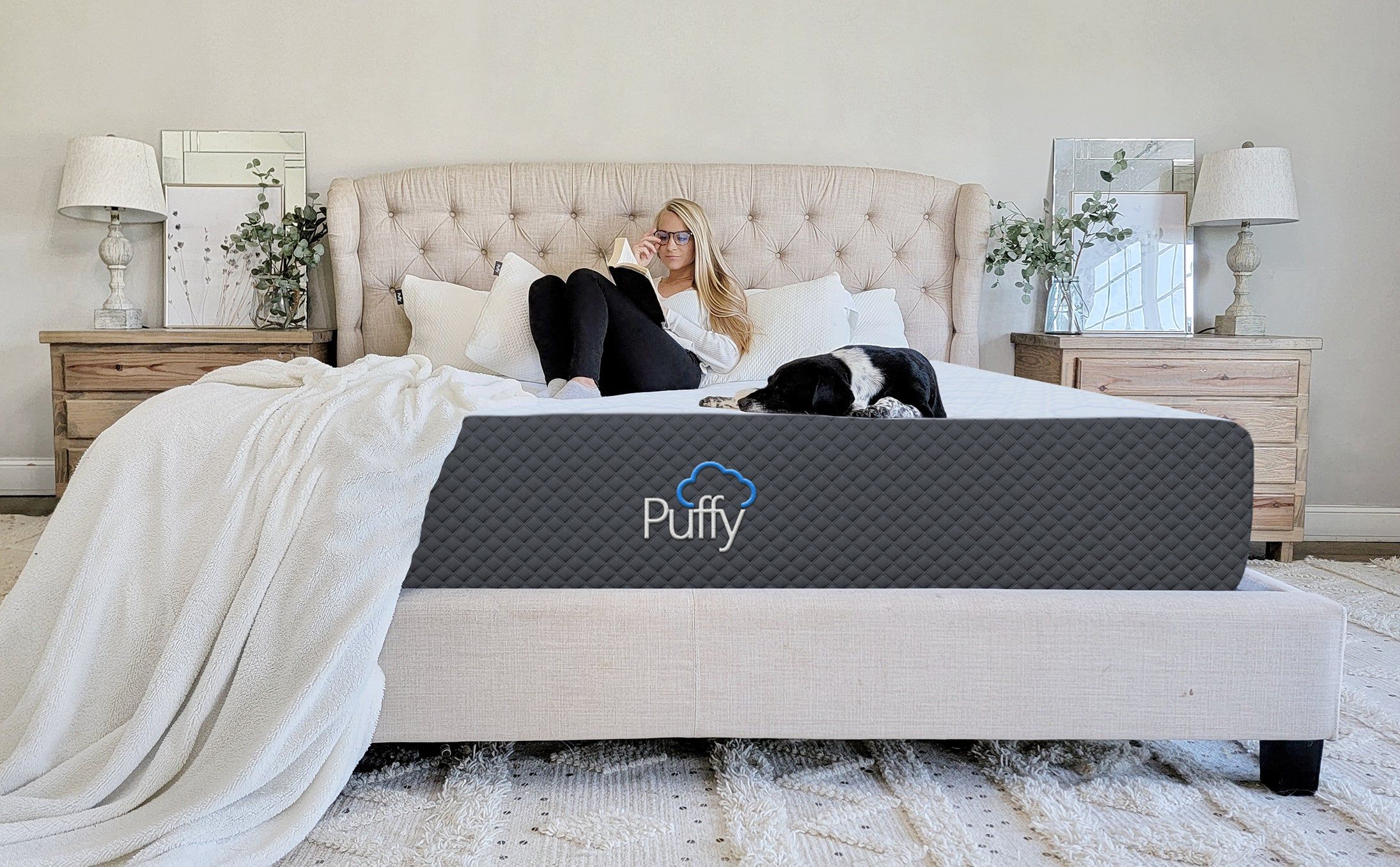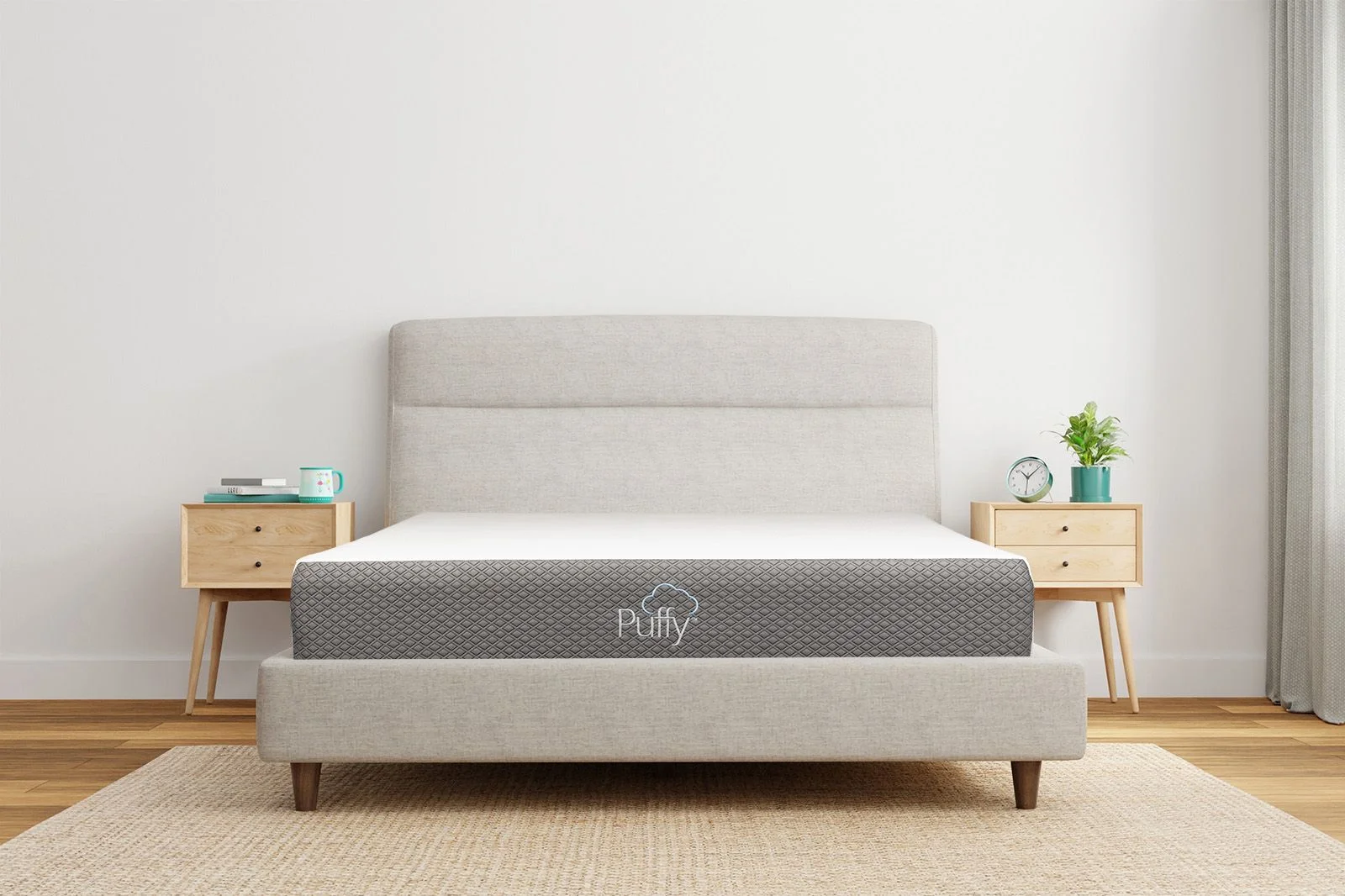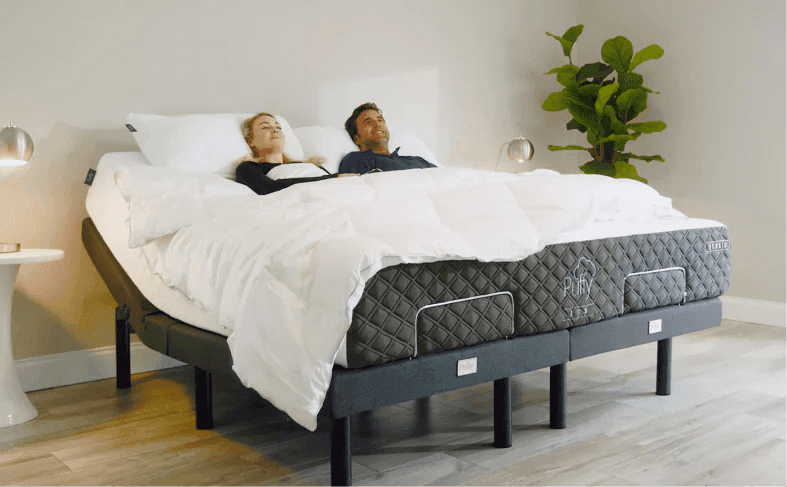
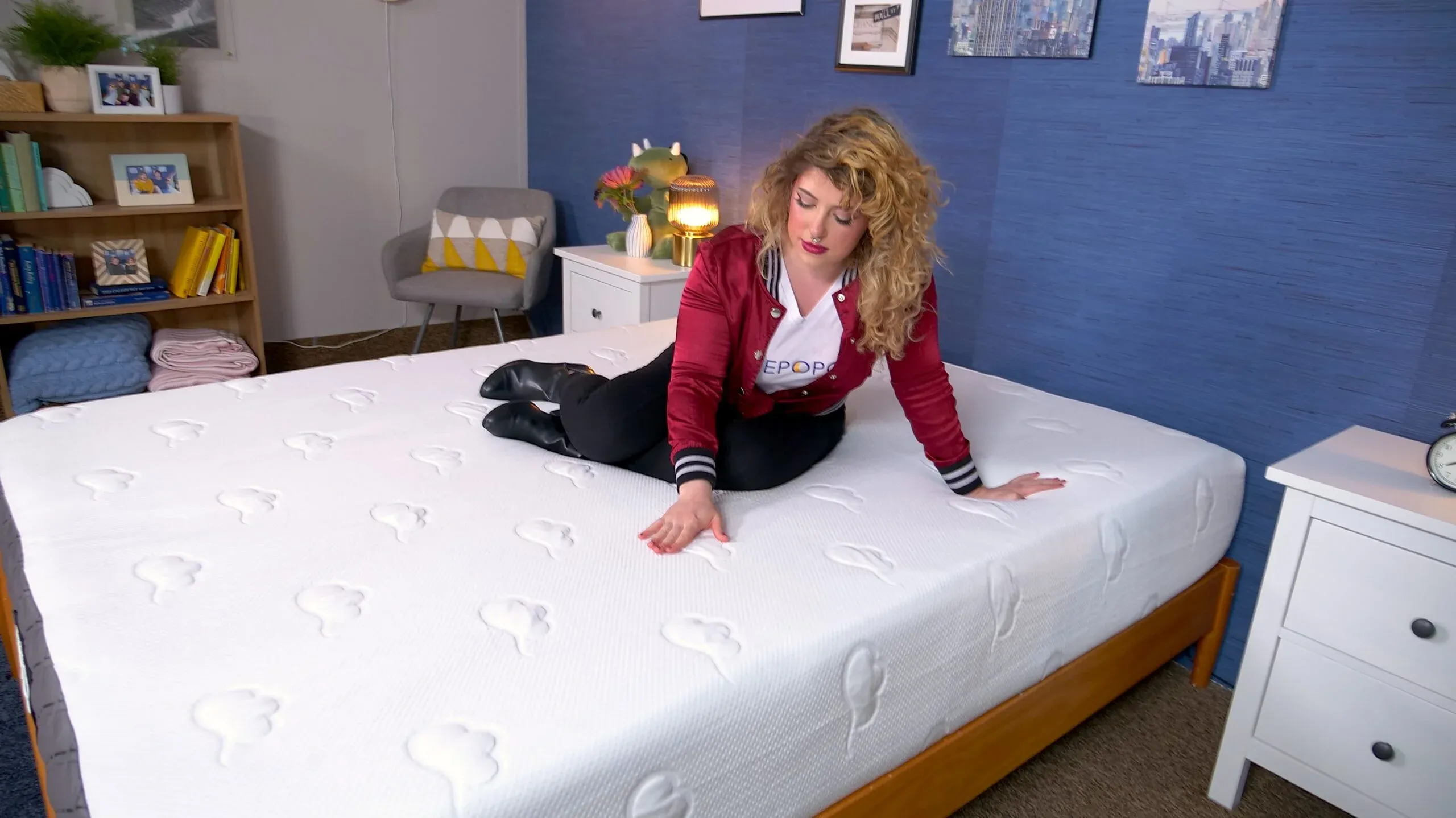
Short answer: a Puffy mattress typically lasts 8 to 10+ years with normal use, and Puffy's hybrid models - the Lux Hybrid, Royal Hybrid, and Monarch - can reach 10 to 12 years thanks to high-density foams paired with zoned coils. Every Puffy mattress is also backed by a lifetime warranty, which covers premature sagging deeper than 1.5 inches and other manufacturing defects.
Older guides peg Puffy at 7-8 years, but that figure pre-dates the current Cloud, Lux, Royal, and Monarch lineup and ignores the lifetime warranty. Below is a model-by-model lifespan breakdown, the factors that make a Puffy mattress wear faster, the signs it's time to replace, and how to extend its life.
Puffy mattress lifespan by model
Puffy sells four mattresses today. They all share CertiPUR-US certified foams and a stain-resistant cover, but the heavier hybrid builds last meaningfully longer than the all-foam Cloud.
Expected lifespan by Puffy model
All four mattresses ship with a lifetime warranty. Lifespan ranges below assume nightly use on a supportive base.
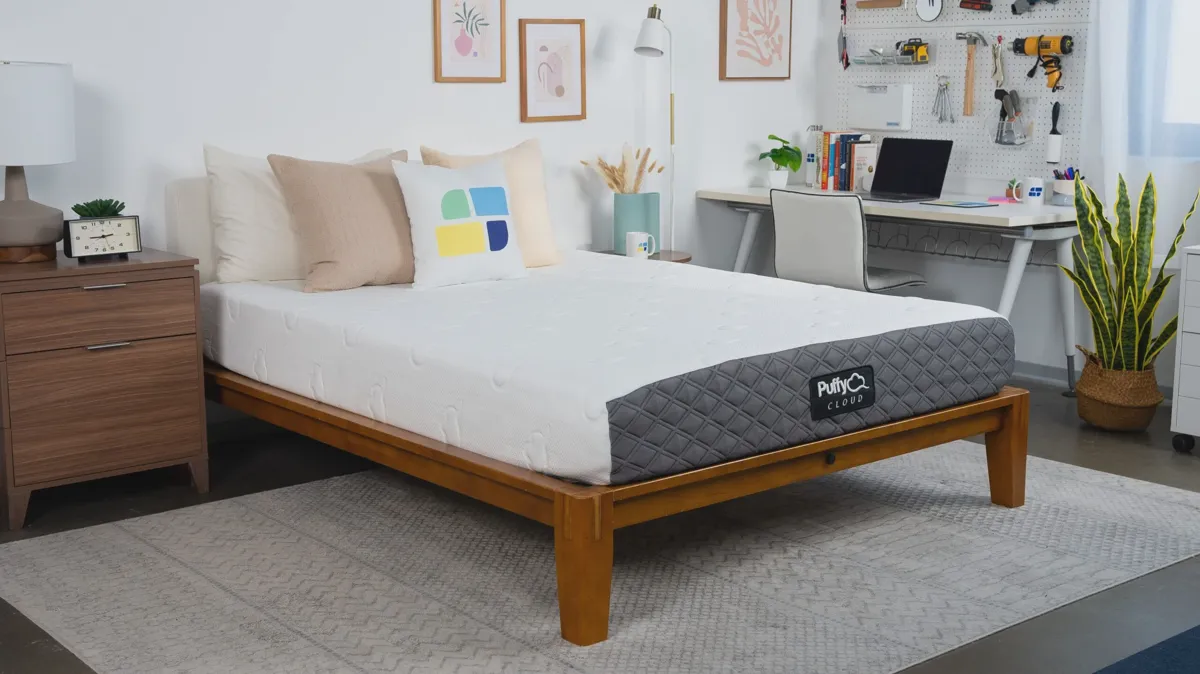
Cloud lifespan: 7-9 years. Lux/Royal Hybrid: 9-11 years. Monarch: 10-12 years.
What shortens a Puffy mattress's lifespan
Five things determine whether your Puffy makes it past the decade mark or starts sagging at year five.
1. The base you put it on
An unsupportive base is the single biggest reason warranty claims get denied. Puffy requires a solid platform, slats no more than 4 inches apart, or a box spring rated for memory foam. Queens, kings, and Cal kings need a center support leg - without it, the foam compresses unevenly and warranty coverage is voided.
2. Body weight and sleeper count
All-foam Cloud holds up best for sleepers under 230 lbs. Heavier sleepers and couples should size up to a hybrid (Lux, Royal, or Monarch); the steel coil layer carries weight that pure foam can't, and the lifespan gap widens after year five.
3. Skipping a mattress protector
Body oils, sweat, and spills break down foam from the top down. A waterproof, breathable protector is the cheapest lifespan extension you can buy - and any liquid stain voids Puffy's warranty, so this matters twice.
4. Heat and humidity
Memory foam softens above 80°F. Bedrooms that run hot in summer or sit over a non-climate-controlled garage age foam faster. A bedroom dehumidifier or a cooling protector helps.
5. Not rotating
Puffy mattresses are one-sided - never flip them. But you should rotate head-to-foot every 3 to 6 months for the first two years to even out body impressions.
6 signs it's time to replace your Puffy mattress
Replace it now if…
- Visible sag deeper than 1.5 inches when no one is on the bed (this also triggers warranty).
- You wake with new lower-back, hip, or shoulder pain that fades within an hour of getting up.
- You feel every movement from your partner - foam has lost its motion isolation.
- You sleep noticeably hotter than you used to; the gel layer has compressed.
- Visible body impressions remain after the bed sits empty for several hours.
- Allergies or congestion improve when you sleep elsewhere - likely dust mites in degraded foam.
It's probably fine if…
- It's under 7 years old and still feels supportive when you press down with your hand.
- Any soreness clears with a few stretches and doesn't return the next morning.
- The cover looks tired but the foam underneath springs back fully.
How Puffy's lifetime warranty actually works
Puffy's lifetime warranty covers the original purchaser as long as you keep proof of purchase and use a compliant base. It's repair-or-replace at Puffy's discretion. The big triggers:
- Indentations greater than 1.5 inches not caused by an unsupportive base
- Physical flaws causing the foam to split or crack despite normal use
- Manufacturing defects in the cover (zipper, stitching) for the first 2 years
Stains, burns, and damage from an unsupportive frame are not covered. After year 10, Puffy may charge a transportation fee on replacements. Owners worried about cover handling and fire-barrier safety should read our update on whether Puffy mattresses contain fiberglass before unzipping anything for cleaning.
How to make your Puffy last longer
- Use a slatted or solid platform with center support - no exceptions for queen and larger.
- Add a waterproof mattress protector before the first night.
- Rotate head-to-foot every 3-6 months. Never flip - Puffy is one-sided.
- Vacuum the surface monthly and spot-clean stains with cold water and mild detergent.
- Keep the bedroom between 60-75°F when possible to slow foam aging.
- Save your order email - warranty claims need proof of purchase.
Puffy mattress lifespan FAQ
How long does a Puffy mattress last on average?
Eight to ten or more years for the Cloud and Lux Hybrid, and ten to twelve years for the Royal Hybrid and Monarch. The lifetime warranty covers manufacturing defects and excessive sagging beyond 1.5 inches for the original purchaser.
Do Puffy mattresses sag?
All foam mattresses develop some surface impressions over time. A Puffy is considered defective and warranty-eligible only if the indentation is deeper than 1.5 inches with no weight on the bed and you've used a compliant base.
Can you flip a Puffy mattress?
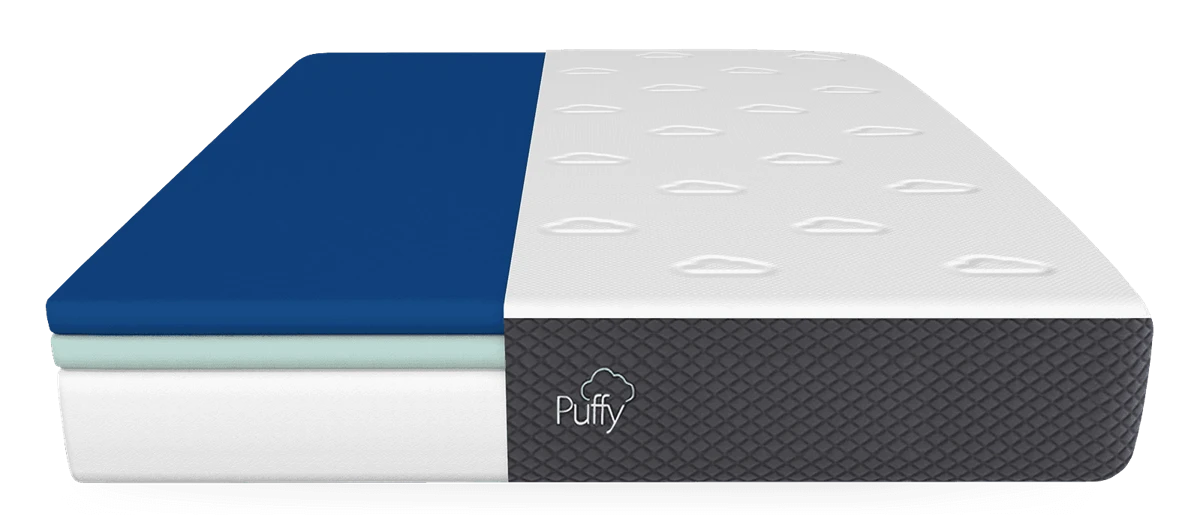
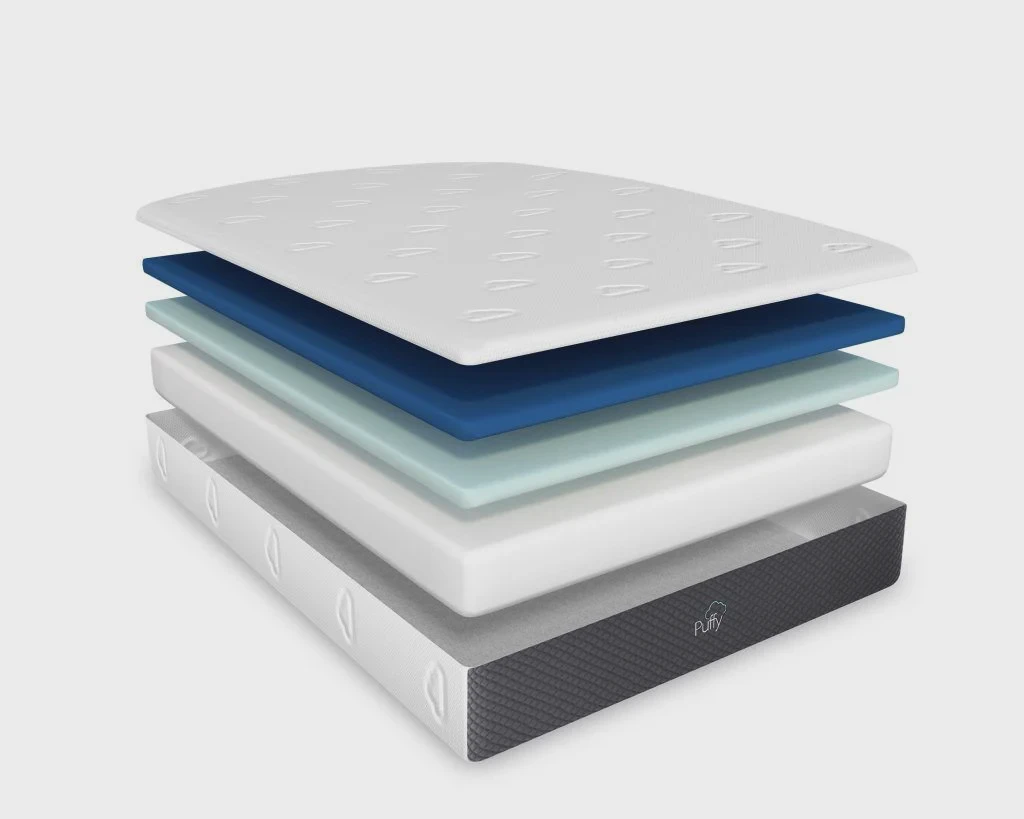
No. Every Puffy is one-sided - the comfort and cooling layers are stacked above an HD polyfoam base. Rotating head-to-foot every three to six months evens out wear without flipping.
What kind of base do I need for a Puffy?
A solid platform, an adjustable base, or a slatted frame with slats no more than 4 inches apart. Queens and larger require a center support leg - using a non-compliant base voids the warranty.
How does Puffy's lifespan compare to other memory foam mattresses?
Puffy lasts roughly as long as Tempur-Pedic and Saatva (10+ years for hybrids) and meaningfully longer than budget all-foam beds like Zinus, which average 5-7 years before noticeable sagging.
When should I replace my Puffy even if it's not sagging?
If you wake with new pain that fades after you get up, sleep noticeably hotter, or feel every movement from your partner, the foam has lost its support - usually around year 8-10 for the Cloud and year 10-12 for hybrids.