
Memory foam mattresses are prized for pressure relief, motion isolation, and a quiet, supportive sleep surface - but they don't last forever. The honest answer to "how long do memory foam mattresses last?" is 7 to 10 years for a quality, well-maintained bed, with budget low-density foam wearing out closer to 5 years and premium high-density beds stretching to 10+. This guide breaks down exactly what drives that range, the warning signs your bed is past its prime, and the care habits that consistently buy you extra years.
How Long Do Memory Foam Mattresses Last?
Quick answer by foam type
- Standard memory foam (3.5-4 lb/ft³ density): 7 to 10 years
- High-density memory foam (5+ lb/ft³): 10 to 12 years
- Gel-infused memory foam: 5 to 8 years (the cooling additives shorten foam resilience slightly)
- Low-density bed-in-a-box foam (under 3 lb/ft³): 4 to 6 years
These numbers assume nightly use by an average-weight sleeper on a properly supportive base. Guest-room beds easily push past the upper bound; couples over 230 lb combined often see 1-2 years shaved off.
Lifespan vs warranty - they are not the same
Most memory foam warranties run 10 years and cover defects like permanent indentations greater than 1 to 1.5 inches. A warranty does not guarantee comfort for that full period - it only protects against manufacturing failure. Plenty of mattresses become uncomfortable years before they qualify for a warranty claim.
What Affects Memory Foam Mattress Lifespan
Foam density (the single biggest factor)
Density measures how much foam material is packed into a cubic foot. Higher density = more polymer per inch = slower compression set. A 5 lb/ft³ Tempur-Pedic comfort layer behaves differently from a 2.5 lb/ft³ Amazon roll-pack even if both feel similar on day one.
Sleeper weight and sleep position
Heavier sleepers compress the comfort layer more deeply each night, which accelerates the slow loss of cell-wall integrity. Side sleepers concentrate weight on the shoulder and hip zones, so wear shows up there first. Couples who always sleep on the same sides see uneven sagging without rotation.
Temperature and humidity
Memory foam softens with heat. A bedroom that runs warm year-round, an electric blanket left on, or a south-facing window hitting the bed all speed up breakdown. Humidity plus body moisture can also encourage mold inside the foam - a separate, faster failure mode.
Foundation quality
A sagging box spring or slats spaced more than 3 inches apart will telegraph that gap right through the mattress within months. Memory foam needs a flat, rigid surface - platform bed, bunkie board, or slats spaced ≤ 2.75 inches.
Care routine
Mattresses with a waterproof protector from day one outlast unprotected ones by 1-3 years on average. Every spill, sweat night, and pet incident that soaks into raw foam degrades it permanently.
Signs It's Time to Replace Your Memory Foam Mattress
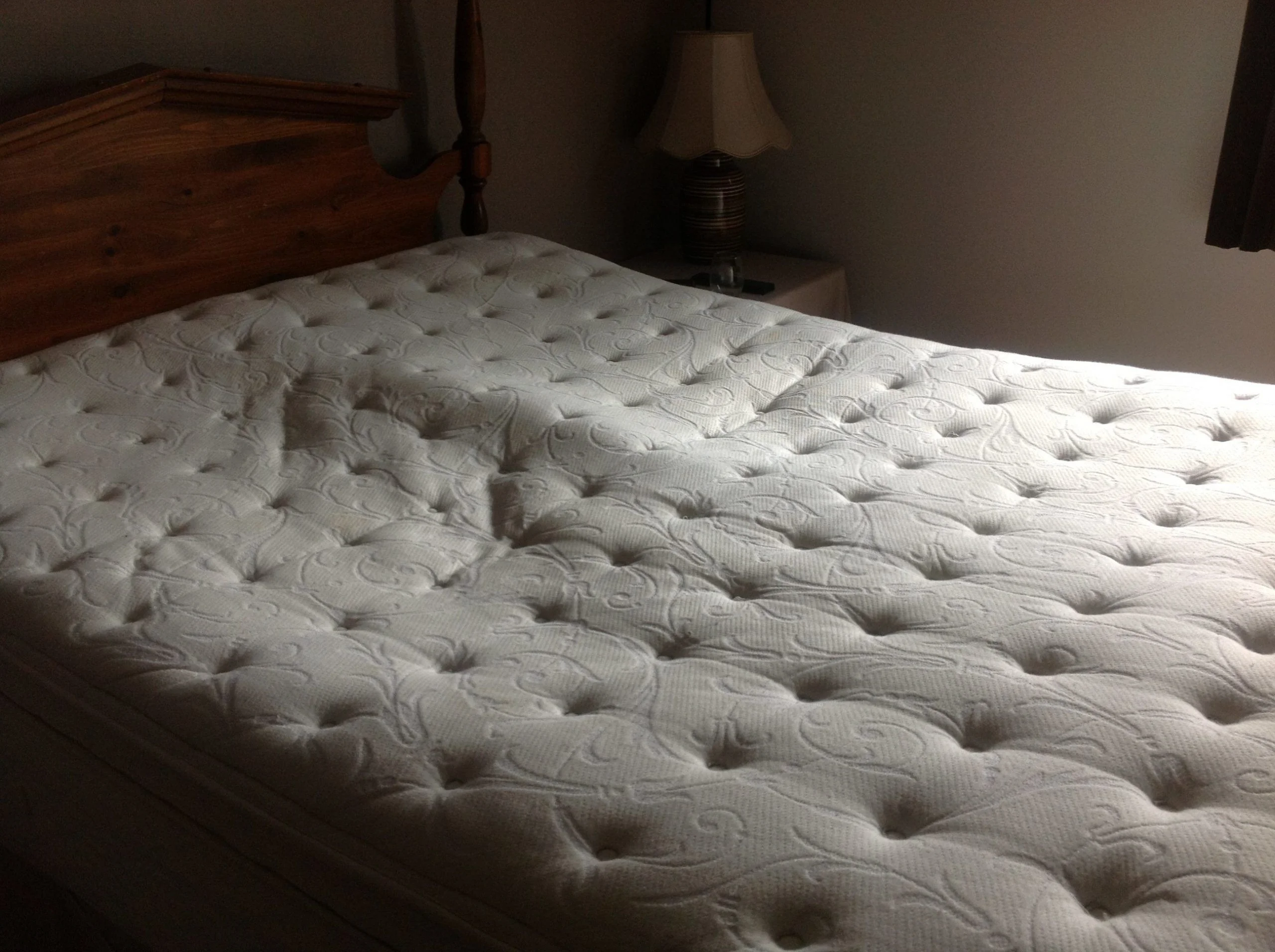
1. Visible sagging or body impressions deeper than 1 inch
Press a yardstick across the bed when it's stripped. If you can fit a finger under the ruler in the sleep zone, the foam has lost its rebound. Most warranty thresholds sit at 1 to 1.5 inches - by that point, comfort is long gone.
2. New aches when you wake up
If you're suddenly waking with shoulder, hip, or low-back pain you didn't have a year ago - and you've ruled out a new pillow, workout, or work setup - the foam has likely lost its supportive structure. Pressure points are no longer being distributed evenly.
3. The mattress is over 8 years old
Even without obvious sagging, foam degrades chemically over time. Past 8 years, expect noticeable softening, slower rebound, and reduced motion isolation regardless of how it looks.
4. Allergy or asthma symptoms when you sleep
Memory foam absorbs sweat, skin cells, and dander. By year 7+, a mattress without a protector can carry several pounds of accumulated debris - a buffet for dust mites. Morning congestion, itching, or a wet cough that improves when you sleep elsewhere is a clear signal.
5. Persistent odor that doesn't air out
Once moisture has reached the core, foam can't be deep-cleaned. A musty smell that returns within a day of airing the bed means mold or bacteria are established inside the layers.
6. The mattress is noisy or feels lumpy
Memory foam should be silent. Crunching, crinkling, or hard spots usually mean the foam cells have collapsed unevenly - common after years of use without rotation.
How to Extend Memory Foam Mattress Lifespan
Use a waterproof mattress protector from night one
The single highest-ROI habit. A $30 protector blocks sweat, skin oils, and accidents from reaching the foam. Wash it monthly. This alone can add 1-3 years.
Rotate every 3-6 months
Spin the mattress 180 degrees so the head end becomes the foot end. Memory foam is one-sided (don't flip), but rotation evens out wear in the heaviest-loaded zones. Set a phone reminder for the first of every season.
Use a rigid, properly spaced foundation
- Platform bed with slats ≤ 2.75 in apart
- Bunkie board on top of an old box spring (cheapest fix)
- Solid plywood as a last resort
Avoid traditional spring box springs - they flex too much for memory foam and void most warranties.
Vacuum the surface monthly
A handheld vacuum or upholstery attachment removes surface dust mites and dander before they work into the foam. Sprinkle baking soda for 15 minutes before vacuuming once a quarter to absorb odors.
Air it out on dry days
Once a season, strip the bed completely, open the windows, and let the mattress breathe for 4-6 hours. This dries trapped moisture before it can establish mold colonies inside the comfort layer.
Keep it cool
Set the bedroom to 65-68°F at night, avoid running electric blankets directly on the mattress, and use a breathable sheet set (cotton, linen, bamboo). Consistent heat is the enemy of foam structure.
Don't sit on the edges
Edge support in memory foam is weaker than in innersprings or hybrids. Daily sitting on the same edge to put on shoes will crush the perimeter foam in 2-3 years. Use a bench instead.
Memory Foam vs Other Mattress Types - Lifespan Comparison
- Memory foam: 7-10 years (5-8 for gel variants)
- Latex (natural): 12-20 years - the longest-lasting option
- Hybrid (foam + coils): 6-10 years
- Innerspring: 5-7 years
- Pillow-top innerspring: 5-7 years (the pillow top compresses first)
- Airbed (adjustable): 8+ years for the chamber, 5-7 years for the comfort layer
If maximum lifespan is your priority and budget allows, latex outlasts memory foam by years. If pressure relief matters more, accept the 7-10 year window and budget accordingly.
When Replacement Makes More Sense Than Repair
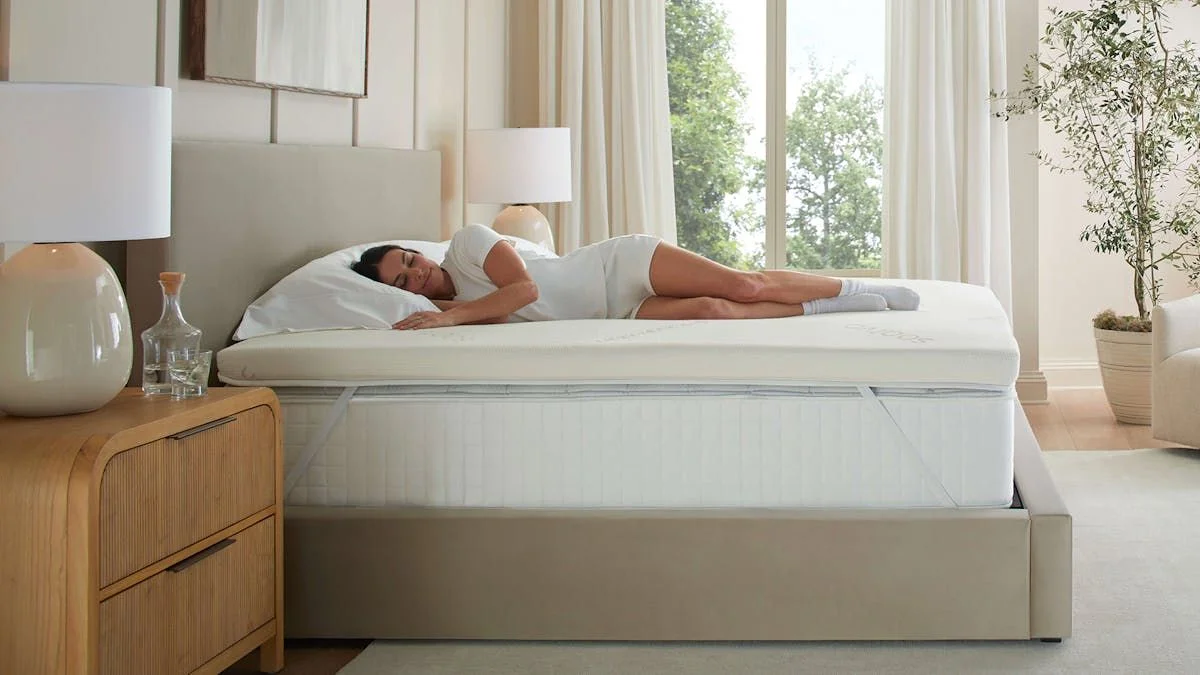
Memory foam can't be re-fluffed, re-tufted, or re-stuffed. Once cells collapse, they stay collapsed. A 2-inch high-density topper can buy 6-18 months of comfort on a sagging bed, but it doesn't restore support - it only masks the surface. If two or more replacement signs above are present, plan to replace within 60 days. Sleep quality compounds; a tired bed quietly costs you more in poor recovery than the new mattress will cost up front.
Memory Foam Mattress Lifespan FAQ
How often should I replace a memory foam mattress?
Plan to replace every 7 to 10 years for a quality memory foam mattress, sooner (5-7 years) for low-density budget foam or gel-infused variants. If you notice sagging deeper than 1 inch, new morning aches, or allergy flare-ups that improve when you sleep elsewhere, replace within 60 days regardless of age.
How do you know if a memory foam mattress is worn out?
Six clear signs: visible sagging or body impressions deeper than 1 inch, new aches in the shoulders, hips, or back, mattress age over 8 years, allergy or asthma symptoms that worsen at night, persistent musty odor, and lumpy or noisy spots. Two or more of these signals mean it is time to replace.
Do memory foam mattresses last longer than spring mattresses?
Yes, on average. Innerspring mattresses last 5 to 7 years, while quality memory foam lasts 7 to 10 years and high-density memory foam can reach 10 to 12 years. Latex still outlasts both, at 12 to 20 years.
What are the disadvantages of memory foam mattresses?
Memory foam tends to sleep warmer than coil-based beds, has weaker edge support, can off-gas a chemical smell when new, and is heavy to move. Lower-density versions also break down faster than the lifespan ranges quoted for premium foam.
Does foam density really affect how long a memory foam mattress lasts?
Yes - density is the single biggest lifespan factor. A 5+ lb/ft³ comfort layer compresses much more slowly than a 2.5 lb/ft³ budget foam. When shopping, ask for the comfort-layer density spec; reputable brands publish it. Anything under 3 lb/ft³ should be considered a 4-6 year mattress, not a 10-year one.
Can a mattress topper extend the life of a sagging memory foam mattress?
A 2-inch high-density topper can mask surface discomfort for 6-18 months, but it cannot restore lost support from a collapsed comfort layer. If the base mattress sags more than 1 inch, a topper is a stop-gap, not a fix - start budgeting for replacement.

Ready for an upgrade?
If your memory foam bed is showing the signs above, a fresh mattress restores sleep quality faster than any topper or repair. Browse expert-reviewed picks across every budget.