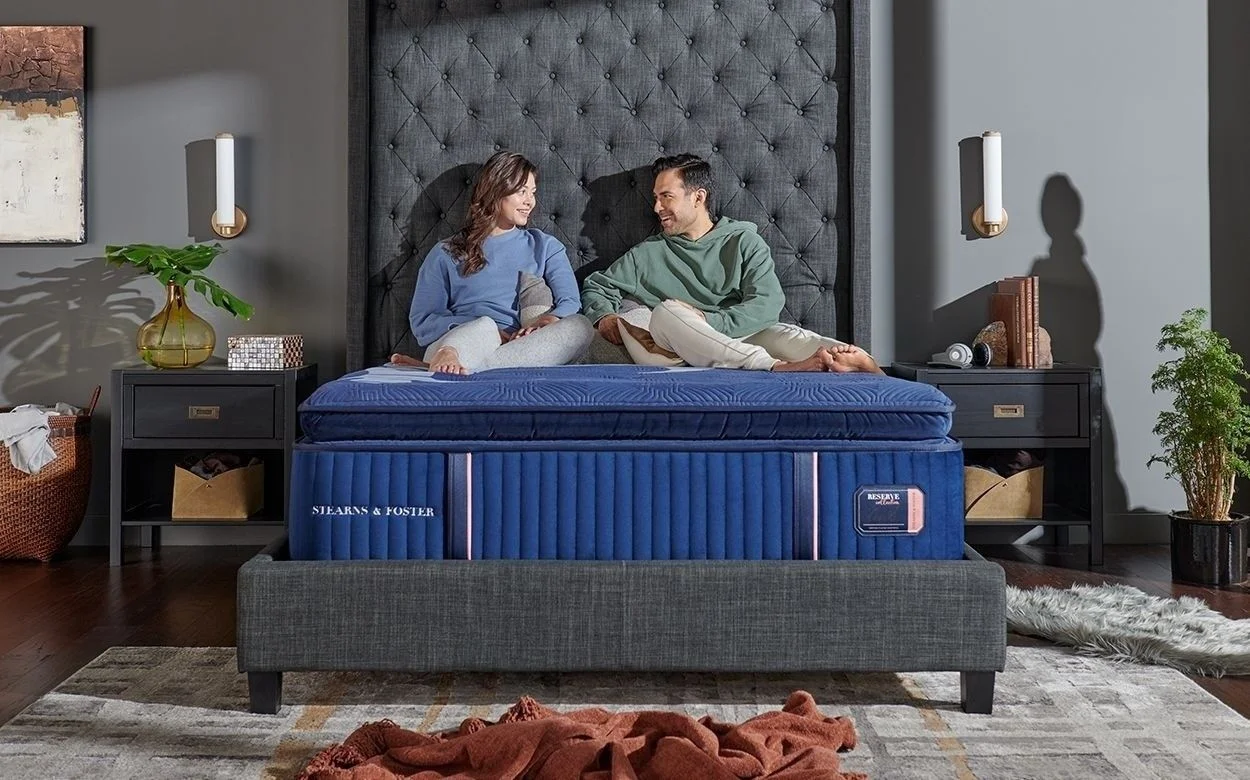
Stearns & Foster mattresses are built as a premium tier of the Sealy family, hand-tufted with high-coil-count innerspring or hybrid constructions. The short answer: most owners get 8 to 10 years of comfortable use, which lines up with the brand's 10-year limited warranty. Heavier use, the wrong foundation, or a few unlucky manufacturing batches can shorten that - but with the right base and a little care, many last past the decade mark.
This guide breaks down the realistic lifespan by model, the factors that shorten it, the warning signs you've passed it, and what the warranty actually covers.
The short answer: 8-10 years for most owners
Editorial reviews and the brand's own help center converge on the same number. Mattress Overstock's lifespan guide says these mattresses "last between 8 to 10 years" on average, and Stearns & Foster's customer-care article notes that while warranty coverage runs 10 years, "many customers say they last much longer." That's notably above the industry-standard 6-8 year average for mid-priced mattresses.
Real-world results vary, though. Some sleepers report sagging within a few years on certain models, particularly softer pillow tops; long-term owners on r/Mattress and case studies from independent retailers show 15-20-year-old units still in service. Construction quality is high, but how you use and support the mattress carries most of the weight.
Lifespan by model line
Stearns & Foster sells three current collections, each built differently:
- Reserve - top of the lineup, with the densest foam and highest coil count. Expect a 9-10+ year usable lifespan when paired with a proper foundation.
- Lux Estate - the mid-tier hand-tufted hybrid most stores carry. Realistic range: 8-10 years. Pillow-top variants soften slightly faster than tight-tops.
- Estate / Studio - the entry tier. Comfort layers compress sooner; plan on 6-8 years before noticeable softening, closer to the broader mattress average.
Body weight matters across all three: combined sleeper weight above 250 lb shortens these ranges by roughly a year, and very active sleepers (frequent re-positioning, kids jumping on the bed) accelerate wear in the comfort layer regardless of model.
What actually shortens the lifespan
Foundation and frame
This is the single biggest factor - and the one warranty claims hinge on. Stearns & Foster's warranty requires a rigid, non-flexing foundation; slats must be no more than 4 inches apart, and queen/king sizes need a center support. Using a sagging box spring or a slat base with wide gaps voids coverage and causes premature sagging that gets blamed on the mattress.
Rotation and use pattern
Modern Stearns & Foster models are one-sided (don't flip them), but rotating head-to-foot every 3-6 months evens out compression in the comfort layer. Skipping rotation is the most common cause of the body-impression complaints that show up in online reviews.
Environment
Memory foam and pocketed coils both lose performance with sustained heat and moisture. Bedrooms that run hot, humid, or damp encourage faster foam breakdown and, in worst cases, mildew on the cover. A washable mattress protector and reasonable room ventilation address both.
Signs your Stearns & Foster has reached the end
Replacement signals show up in the body before they show up in the mattress itself. Watch for:
- Visible sag deeper than 1.5 inches when nobody is on the bed (this is also the warranty threshold).
- Lumps, ridges, or a noticeable hammock effect down the middle.
- Squeaks or creaks from the coils when you change position.
- Waking up stiff, sore, or worse-rested than when you went to bed.
- Allergy or dust-mite flare-ups that improve when you sleep elsewhere.
Any one of these on a mattress past the 7-year mark is reasonable cause to start shopping. Two or more, and the bed is costing you sleep.
What the 10-year warranty actually covers
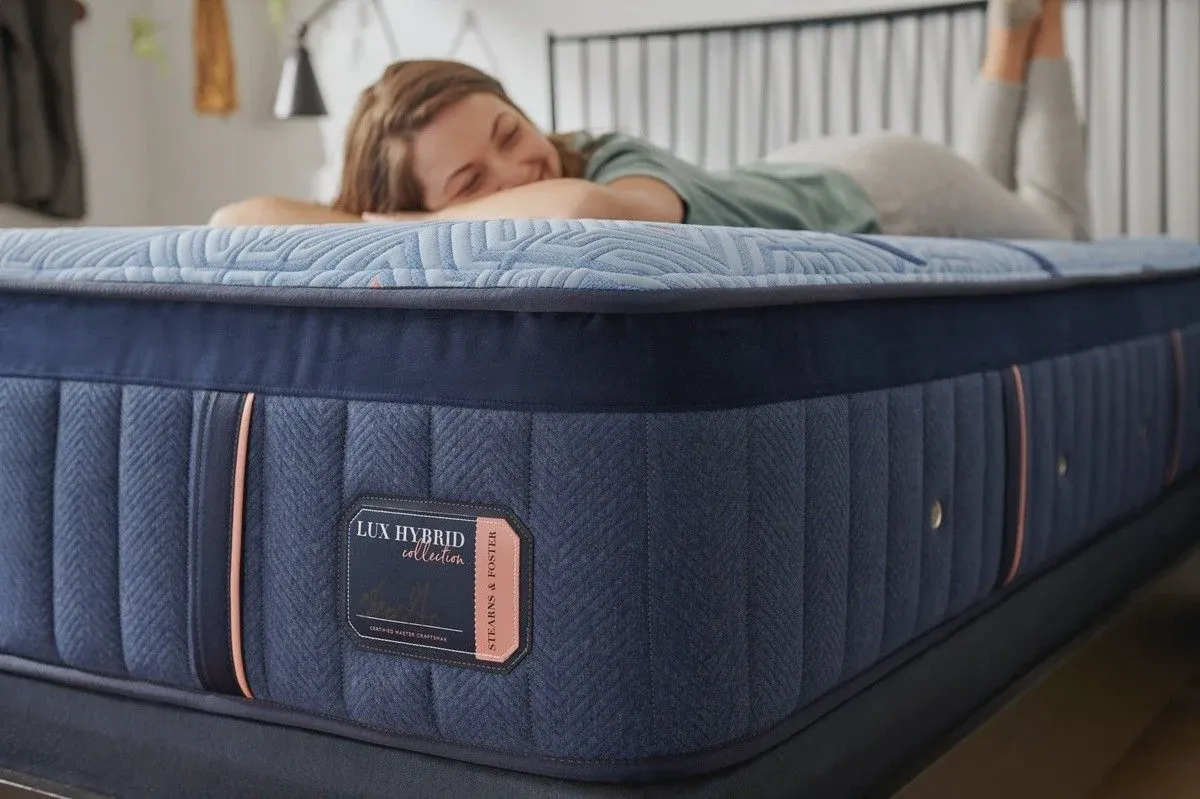
Stearns & Foster's mattress warranty is 10 years, non-prorated, covering manufacturing defects in materials and workmanship. The two claims that come up most often:
- Body impressions deeper than 1.5 inches measured with no one on the bed.
- Coil or wire defects that cause noise or instability.
What it does not cover: comfort preference (the bed feels too firm or too soft for you), normal softening of comfort layers, stains (which void the warranty entirely), and damage from an unsupported foundation. Keep your original purchase receipt and a clean mattress protector - both are required when filing a claim. For the broader rules across brands - what voids coverage, how prorated terms work, and how to actually file - see our deep dive on how mattress warranties really work.
How to make yours last longer
- Use a rigid foundation with center support; replace any slat base with gaps over 4 inches.
- Rotate head-to-foot every 3-6 months. Don't flip - these are one-sided builds.
- Use a breathable, washable mattress protector from day one. It keeps stains off (preserving the warranty) and slows foam breakdown.
- Vacuum the surface every couple of months and air the room when you can.
- Don't sit on the same edge daily - perimeter coils compress unevenly. Spread the wear.
- Save the original tag and receipt. Both are required to file a warranty claim.
Frequently asked questions
Is 10 years the maximum a Stearns & Foster mattress will last?
No - 10 years is the warranty length, not a hard expiration. Plenty of owners report 12-, 15-, even 20-year-old Stearns & Foster mattresses still in regular use, especially Reserve and Lux Estate models on proper foundations. The 10-year mark is just when the manufacturer stops backing it.
Why is my Stearns & Foster sagging after only a few months?
Early sagging almost always traces to one of three causes: an inadequate foundation (slats too far apart, no center support), a soft pillow-top model paired with a heavier sleeper, or a manufacturing defect. The first two void warranty coverage; the third is what the 1.5-inch impression rule is designed to catch. Document the depth with a straightedge and photo, then file a claim.
Should I flip my Stearns & Foster mattress?
No. Current Stearns & Foster models are one-sided - flipping puts the comfort layer on the bottom and the firm support on top. Rotate head-to-foot every 3-6 months instead to even out compression.
Does a mattress protector really matter?
Yes, for two reasons. First, any stain voids the warranty entirely, so a protector is the cheapest way to keep that coverage intact. Second, it shields the foam and ticking from sweat and humidity, which are the slow-burn causes of foam breakdown and odor.
When should I replace it instead of filing a claim?
If the sag is shallower than 1.5 inches, the warranty won't pay out and replacement is on you - generally worth doing once you're waking up sore or the surface visibly hammocks. If the sag is deeper than 1.5 inches and you have receipt + clean cover, file the claim first; replacement under warranty is free except for shipping.