

A mattress can weigh anywhere from about 40 pounds (18 kg) for a basic twin to over 180 pounds (82 kg) for a king-size hybrid or latex model. Most queen mattresses land between 90 and 160 pounds (41-73 kg), and the single biggest factors are size, material, and thickness - not brand or price.
Below is the full picture: a size-by-size weight chart, weights by material type, why thickness matters more than most shoppers realize, and what those numbers mean for your bed frame, your back, and the day you have to move.
Quick answer: average mattress weight by size
Twin: 40-60 lb (18-27 kg)
Twin XL: 43-55 lb (20-25 kg)
Full / Double: 50-80 lb (23-36 kg)
Queen: 90-160 lb (41-73 kg)
King: 130-180 lb (59-82 kg)
California King: 130-180 lb (59-82 kg)
These ranges assume a typical 10-12 inch profile. Thinner roll-pack and bed-in-a-box models can come in lighter; high-profile hybrids and natural latex beds skew heavier.
Why mattress weight matters
Weight isn't just trivia. It determines four practical things:
- Setup and moving. Anything past about 80 pounds is a two-person job, and most queens and kings exceed that handily. White-glove delivery is worth the upcharge for hybrids over 120 pounds.
- Bed-frame compatibility. Most modern platform frames are rated for 500-800 pounds total. A 160-pound mattress plus two sleepers and bedding can crowd that limit. Slatted frames need closely-spaced slats (3 inches or less apart) for heavy foam and hybrid mattresses.
- Construction quality. Heavier usually correlates with denser foam (higher density = longer lifespan), more steel in coils, or natural latex - all signs of a mattress built to last 8-10 years instead of 5.
- Flipping and rotating. Almost no modern mattress is flippable, but most should be rotated head-to-foot every 3-6 months. If yours is north of 120 pounds, plan on help.
Since heavier sets often require white-glove crews, plan ahead for how much to tip a mattress delivery person.
Mattress weight by type
Material is the second biggest variable after size. Here's how the major construction types compare for a queen-size benchmark.
Memory foam: 50-100 lb (23-45 kg)
All-foam mattresses are usually the lightest of the major types because they're a single material - typically a high-density polyfoam base with a memory-foam comfort layer. A 10-inch queen runs 50-75 pounds; a 12-inch high-density model can reach 90-100 pounds. Bed-in-a-box compression makes them easy to carry up stairs in the box, but expanded they still need two people for safe placement.
Innerspring: 60-110 lb (27-50 kg)
Traditional innerspring mattresses use a steel coil core with a thin pillow-top. They're bouncier and more open, which keeps weight moderate. Coil count and gauge drive the variation: a 1,000-coil queen with a Euro-top weighs noticeably more than a 600-coil basic model.
Hybrid: 100-160 lb (45-73 kg)
Hybrids stack a pocketed coil base under several inches of foam (memory foam, latex, or both). They're the heaviest mainstream category because you're paying weight twice - for the coils and the foam. Plan for 130+ pounds in queen and 170+ in king.
Latex: 90-170 lb (41-77 kg)
Natural latex is the densest mattress material on the market. Dunlop latex weighs more than Talalay because of its tighter cellular structure, and a full-latex queen routinely tops 140 pounds. The trade-off is exceptional durability - a quality latex mattress can last 15+ years.
Airbed: 15-50 lb (7-23 kg)
Adjustable air-chamber mattresses (think Sleep Number) are by far the lightest. The chambers are empty during transport, and most of the weight comes from the comfort layers and pump assembly. Easy to move; not always easy to assemble.
How thickness changes the math
Mattress thickness in the US ranges from about 6 inches (RV and bunk-bed beds) up to 16 inches (luxury hybrids). As a rule of thumb, every additional inch of thickness adds roughly 8-12% to the total weight at queen size.
- 8-inch all-foam queen: ~55 lb
- 10-inch all-foam queen: ~70 lb
- 12-inch hybrid queen: ~125 lb
- 14-inch luxury hybrid queen: ~150 lb
- 16-inch pillow-top hybrid queen: ~165 lb
Thickness also affects sheet sizing - anything over 14 inches needs deep-pocket fitted sheets to stay tucked.
Box springs and bed bases add even more
If you're calculating total bed weight for a frame or moving estimate, don't forget the foundation:
- Twin box spring: 35-45 lb
- Queen box spring: 60-90 lb
- King box spring (split): 70-100 lb each side
- Adjustable bed base (queen): 130-180 lb
Adjustable bases routinely weigh more than the mattress on top of them, which is why they ship in two boxes and almost always require help to assemble.
Do mattresses really get heavier over time?
Yes - but not as dramatically as the viral claim that "old mattresses double in weight" suggests. Realistically, a 7- to 10-year-old mattress without a protector accumulates dead skin, body oils, dust mites, and ambient dust totaling roughly 5-15 pounds. The bigger problem isn't the weight; it's the allergens. A washable mattress protector and a vacuum every few months keep things in check.
How to move a heavy mattress
Once you cross the 100-pound threshold, technique matters more than strength. A few things that make a real difference:
- Use moving straps. A $25 pair of forearm or shoulder straps cuts perceived weight by about 50% and keeps the mattress upright in narrow stairwells.
- Get a mattress bag. It protects against tears, moisture, and curb dirt - non-negotiable for foam and latex models.
- Don't fold a foam mattress. Bending an all-foam or hybrid past about 30 degrees can crack the foam core. Carry it flat or on its long edge.
- Lift with your legs. Most mattress-related back injuries happen on stairs. Square up to the load, hinge at the hips, and let the bigger person take the downhill end.
Mattress weight FAQ
How much does a queen mattress weigh on average?
Most queen mattresses weigh between 90 and 160 pounds (41-73 kg). All-foam queens land at the low end (around 70-90 lb), while 12- to 14-inch hybrids and natural latex beds are at the high end (140-160 lb).
How much does a king mattress weigh?
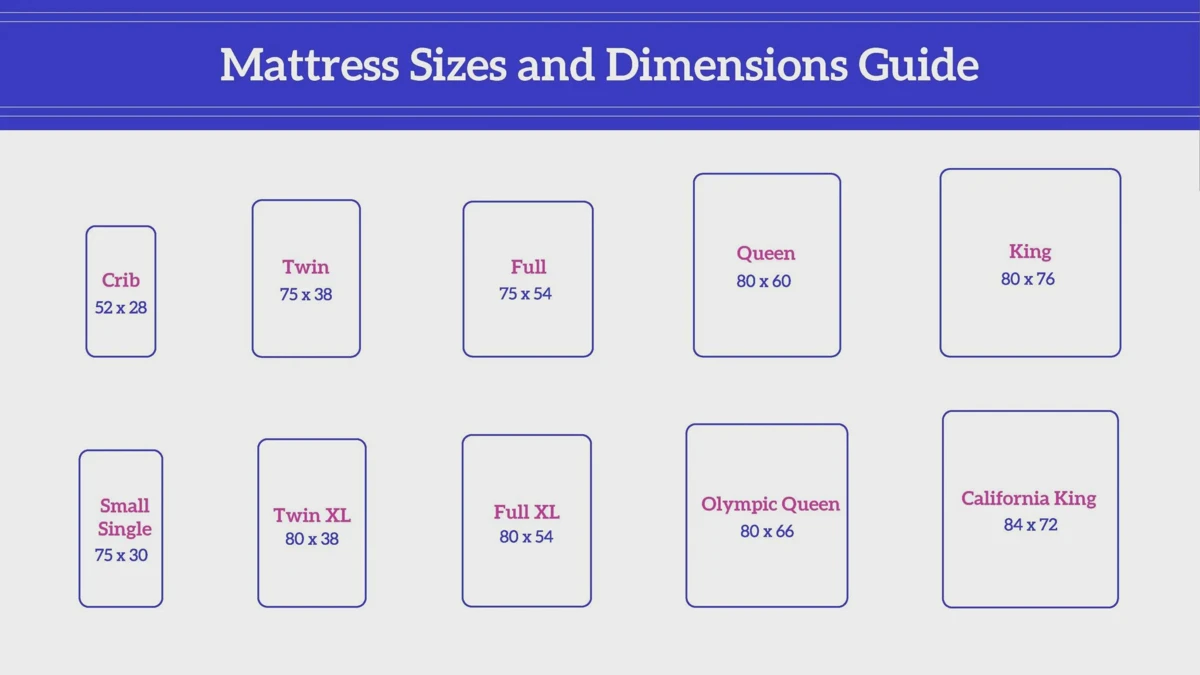
A standard king mattress weighs 130-180 pounds (59-82 kg). California king mattresses weigh roughly the same - they have the same surface area as a king, just shaped differently (4 inches narrower, 4 inches longer).
How heavy is a 12-inch queen mattress?
A 12-inch queen mattress typically weighs 80-140 pounds depending on construction. Memory foam comes in around 80-100 lb, while a 12-inch hybrid queen with pocketed coils and a foam top runs 120-140 lb.
Can a regular bed frame hold a heavy mattress?
Most modern platform frames are rated for 500-800 pounds total (mattress, sleepers, and bedding). A 160-pound hybrid mattress plus two adults is well under that limit, but cheap metal frames or older slatted frames with widely-spaced slats may sag under heavier mattresses. Look for slats spaced 3 inches apart or less for foam and hybrid models.
Why do mattresses get heavier with age?
Older mattresses accumulate dead skin, body oils, dust, and dust mites - roughly 5-15 pounds of buildup over 7-10 years if no mattress protector is used. Using a washable protector and vacuuming the surface every few months prevents most of this gain.
Is a heavier mattress better quality?
Often, yes - within reason. Higher-density foams, more coils per square inch, and natural latex all add weight and all correlate with longer lifespan. But beyond a point, extra weight just means more material, not better sleep. Use weight as one signal, not a verdict.