The short answer
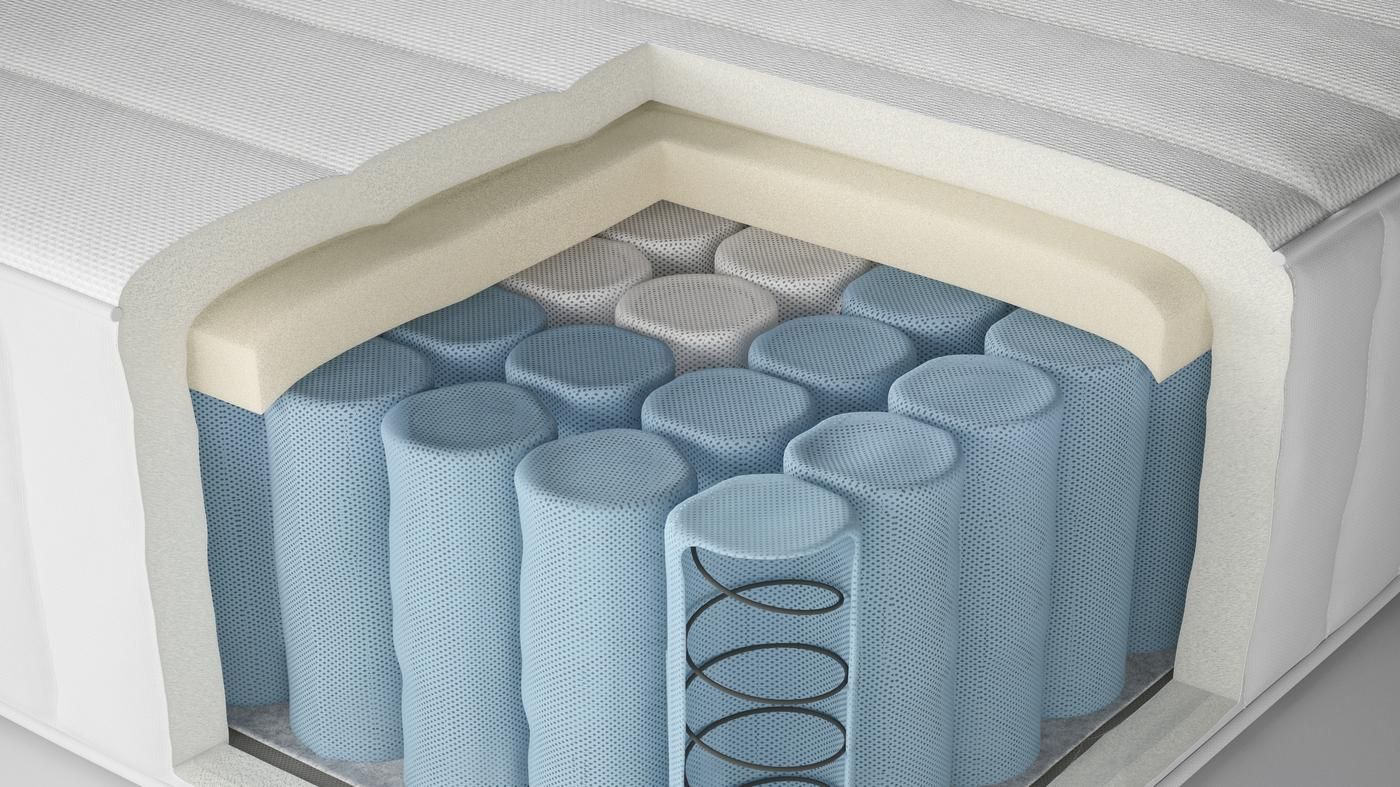
Most IKEA mattresses sold in the US are fiberglass-free. IKEA primarily uses a rayon/polyester fire barrier (a non-woven batting) to meet US flammability standards 16 CFR 1632 and 1633 - so the typical foam, hybrid, and pocket-sprung lines you'll see in stores today don't rely on fiberglass for fire resistance.
That said, IKEA is a global brand with many product lines and the spec sheets do change. The safest move before purchase is to open the product page on ikea.com, scroll to Product details → Materials, and search for the words "glass fiber" or "fiberglass." If neither appears, the model is fiberglass-free.
Why IKEA is generally safe
- Rayon/polyester fire barrier instead of fiberglass on most current models
- Post-2015 US/Canada mattresses contain no flame retardants in the foam itself
- Public material disclosure on every product page
- 10-year warranty and 365-night trial reduce buying risk
Where to stay cautious
- Spec sheets vary by region - always verify the page for your country
- A few discontinued or older models had different constructions
- Some spring mattresses use phosphorus-based salts on stitch bonds (not fiberglass, but worth knowing)
- Third-party labs occasionally flag inconsistencies, so labels beat assumptions
What fiberglass actually does in a mattress
Fiberglass is a cheap, effective flame barrier - woven into a sock that wraps the foam core, it melts and chars rather than feeding flame. The catch: when the outer cover is unzipped or torn, those microscopic glass fibers can escape, embed in fabric and HVAC systems, and cause skin, eye, and respiratory irritation. That's why an estimated 10% of US mattresses still using fiberglass are the ones consumers want to identify before they buy.
IKEA models confirmed fiberglass-free
Based on IKEA's published material specs and independent analysis (Naplab's 395-mattress audit, MyChemicalFreeHouse), these IKEA models are listed as fiberglass-free as of 2026:
- ÅNNELAND hybrid
- ÅSVÅNG foam
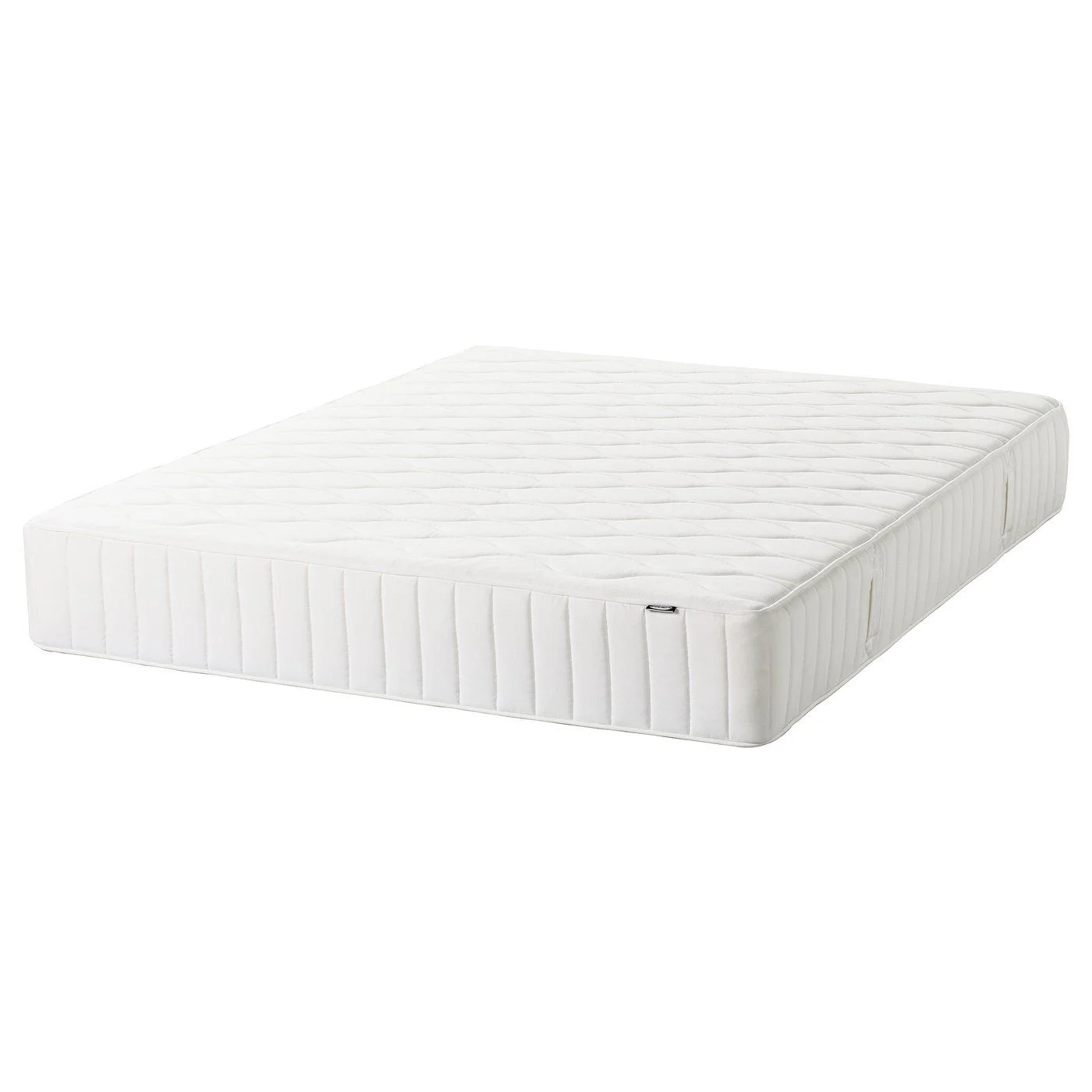
- HAUGESUND spring
- HAUGSVÄR hybrid
- HESSTUN eurotop
- MATRAND memory foam / latex
- MYRBACKA memory foam / latex
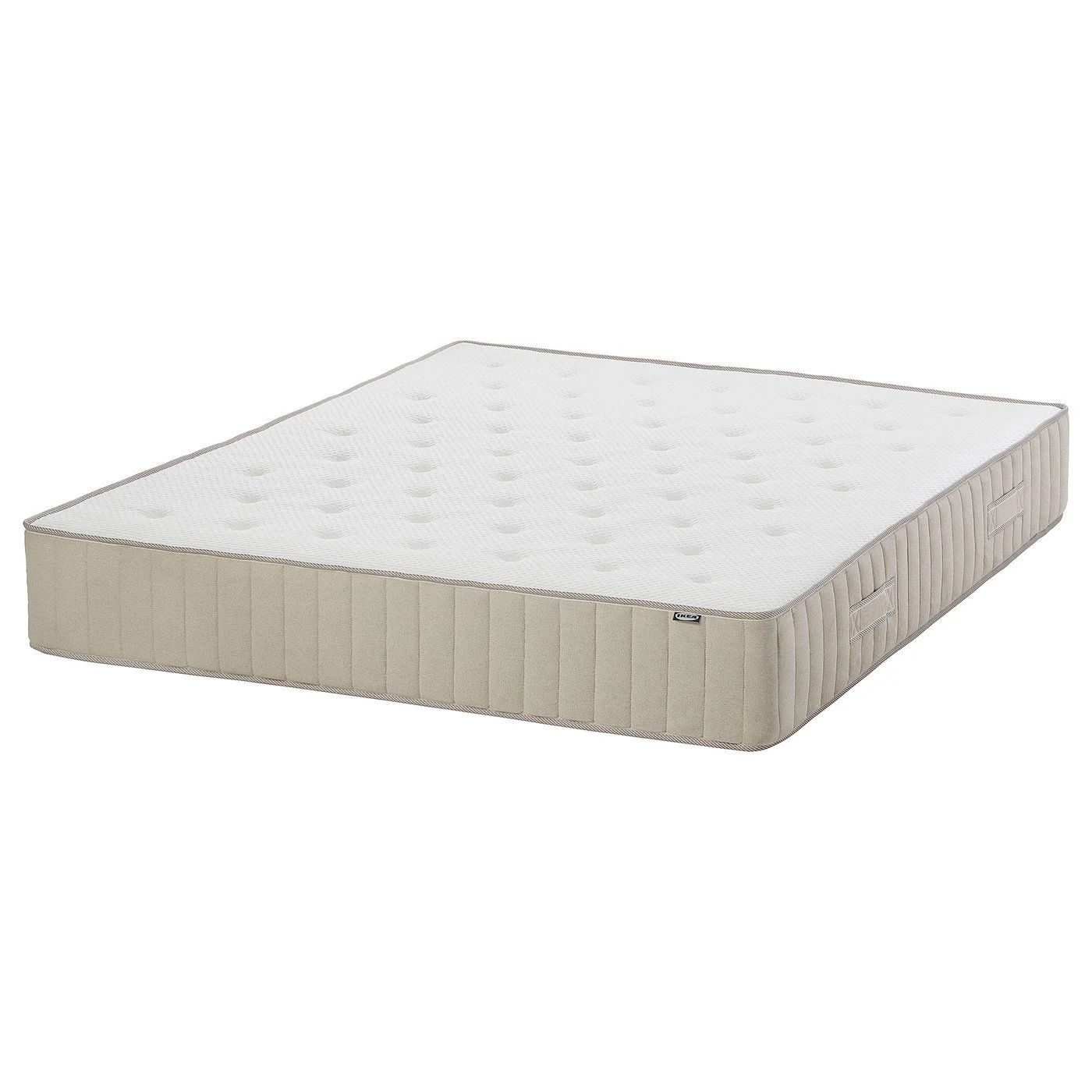
- VÅGSTRANDA pocket sprung
- VATNESTRÖM pocket sprung
- MORGEDAL foam
Two models - VALEVÅG and VESTERÖY - have been flagged "unclear" by Naplab because their spec pages don't explicitly enumerate the fire barrier. Direct confirmation from IKEA customer service is the safest bet for those two.
How to verify any IKEA mattress in 60 seconds
- Open the product page on ikea.com for your country (specs vary regionally).
- Click Product details → Materials.
- Use Ctrl/Cmd + F and search for "glass fiber", "fiberglass", or "glasfiber".
- If absent and you see "rayon" or "viscose" listed in the fire barrier, the model is fiberglass-free.
- Still unsure? Call IKEA customer service with the article number - they'll confirm in writing by email.
Are IKEA mattresses safer than mattresses that do contain fiberglass?
From an irritant-exposure standpoint, yes. A rayon/polyester fire barrier won't shed glass fibers if the cover is breached. But "safer" doesn't automatically mean "better for sleep." Comfort, durability, and support depend on construction - coil count, foam density, edge support - not the fire barrier. A fiberglass-free mattress with a flimsy build is still a flimsy mattress.
Other IKEA bedding products
Pillows, mattress protectors, and toppers from IKEA don't contain fiberglass - fiberglass is only used as a fire barrier in mattresses, and IKEA's pillow/topper lines use cotton, polyester, or down fills. Always read the materials block, but the risk window is mattresses specifically.
Frequently asked questions
Which IKEA mattresses are fiberglass-free?
Per IKEA's published specs and independent audits, ÅNNELAND, ÅSVÅNG, HAUGESUND, HAUGSVÄR, HESSTUN, MATRAND, MYRBACKA, VÅGSTRANDA, VATNESTRÖM, and MORGEDAL are listed as fiberglass-free. VALEVÅG and VESTERÖY have ambiguous spec pages - confirm with IKEA customer service before buying.
What does IKEA use instead of fiberglass for fire safety?
A rayon/polyester non-woven batting acts as the fire barrier. Some US-sold spring mattresses also use small amounts of non-halogenated phosphorus-based salts on stitch bonds, piping, and zippers - not in the fill itself.
Can fiberglass come out of an IKEA mattress?
If your IKEA mattress doesn't contain fiberglass (most don't), there's nothing to release. Either way, never unzip or remove an outer mattress cover unless the manufacturer explicitly says it's machine-washable - that's the failure mode that releases fiberglass when it is present.
How do I tell if any mattress has fiberglass?
Check the law tag and product details for "glass fiber" or "fiberglass." If the cover label warns against removing the cover, that's also a strong signal of a fiberglass barrier underneath.
Are pre-2015 IKEA mattresses safe?
Older IKEA mattresses sometimes used different flame retardants, including chemical retardants in the foam itself. They aren't unsafe to sleep on, but if you have a 10+ year old IKEA mattress you're due for a replacement on durability grounds anyway.
Shopping fiberglass-free?
Browse our independent reviews of fiberglass-free mattresses across every price tier, including Saatva, Helix, and Nectar.