Memory foam and latex are two of the most common materials used inside modern mattresses, and while both are known for support, they sleep very differently. Latex adapts to your body quickly and tends to feel lifted and cool. Memory foam responds slowly and tends to feel cradling and warm. Those two sentences cover most of what shoppers actually want to know, but the details below decide which one is right for you.
Keep in mind that these differences depend on the quality of both materials and can vary between brands. This guide walks through what each material is, how the two compare side by side, where they differ on feel, support, heat, and durability, and which sleeper each one fits best.
What is memory foam?
Memory foam is made with polyurethane foam and other chemicals to create viscoelastic foam. The material slowly molds to the shape of your body and gradually regains its original form after weight is removed.
The benefits of a memory foam mattress include cloud-like comfort and even distribution of body weight for exceptional support. Its lack of resilience also allows for superior motion isolation, which is why couples with different sleep schedules often gravitate toward it. The trade-off is movement. Memory foam may not be best for active sleepers, since the material does not respond to changes in position quickly. Traditional memory foam also absorbs and traps body heat, which can be comfortable for cold sleepers but uncomfortable for warm sleepers or anyone in a warm climate.
Pros
- Disperses weight equally for superior support
- Often preferred by back and side sleepers
- More hypoallergenic than latex
- Less motion transfer
Cons
- Retains heat depending on type
- Not as durable or supportive as latex, depending on quality
- May be uncomfortable for stomach sleepers
In addition to traditional memory foam, there are other variations worth knowing.
- Traditional memory foam: Made from a polyurethane by-product with closed cells that trap heat.
- Open-cell memory foam: Designed with openings that let heat escape more than traditional memory foam, with a slightly bouncier feel.
- Gel memory foam: Provides slight cooling effects, but tends to be pricier than the other types.
What is latex?
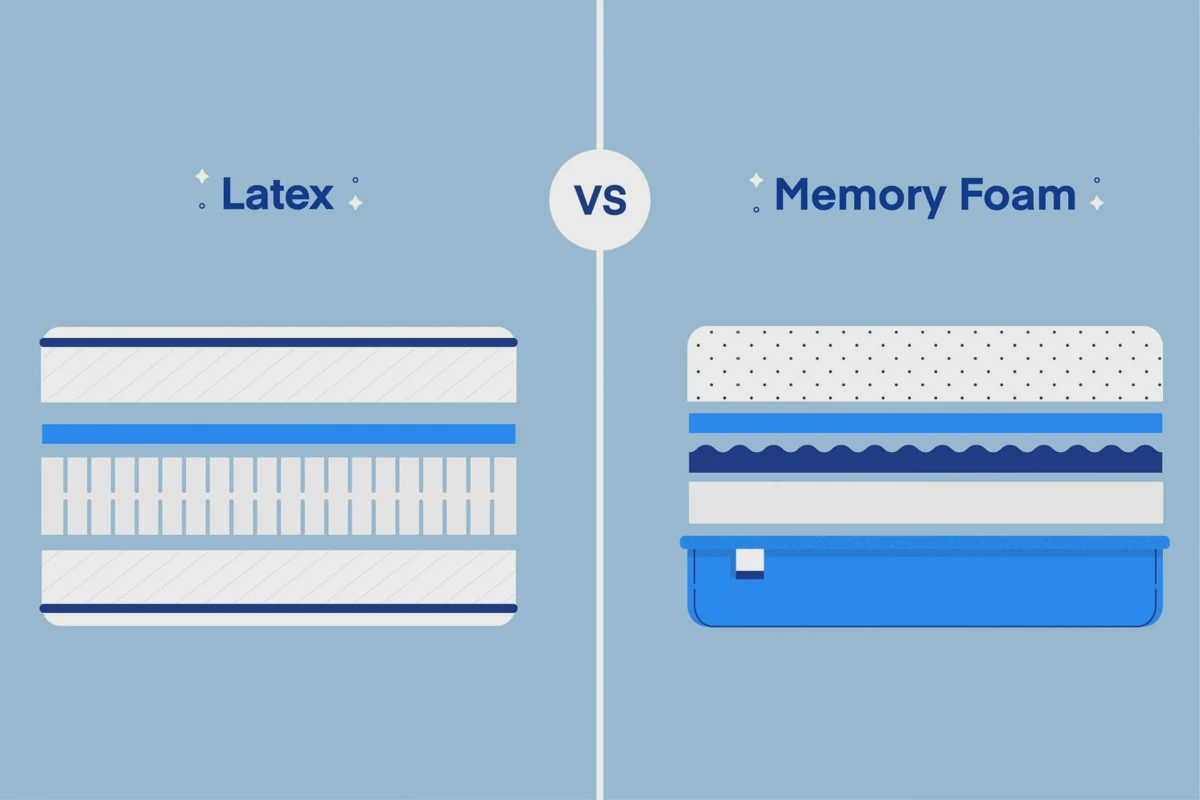
Latex is crafted from a natural or synthetic rubber material, which is known for its springy and responsive nature. The material contours to your body, offering support and pressure point relief for a comfortable sleep experience.
Latex mattresses also offer motion isolation, which can be helpful for individuals who move frequently during the night and want to minimize disruptions to a sleeping partner. The material is highly breathable and cooling due to tiny pinholes in the foam layers that enhance airflow and prevent body heat retention. Latex mattresses also require less flipping or rotating compared to other mattress types. They are durable, but that also means they are notably heavier.
Pros
- Breathable
- Durable
- Good for active sleepers
- Natural latex can be more eco-friendly
Cons
- Not as hypoallergenic as memory foam due to latex allergies
- More expensive than memory foam
- Heavier than other mattresses
Different types of latex create some differences in feel and price.
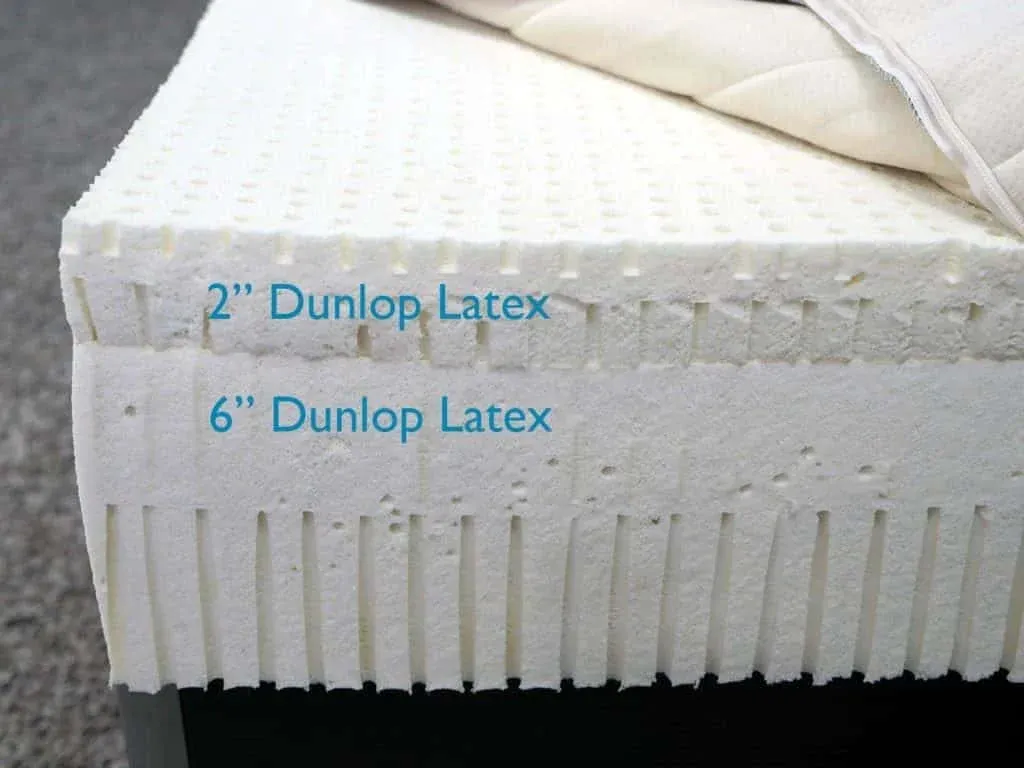
- Organic or natural latex: Derived from rubber tree sap through the Talalay or Dunlop process. Talalay is more complex and produces a more consistent, softer latex. Dunlop is simpler and creates a denser latex.
- Synthetic latex: Less expensive than organic or natural latex, but synthetic latex mattresses require more maintenance, are less durable, and have an initial chemical smell.
Memory foam vs latex mattress at a glance
While the differences are often dependent on quality, here is how the two materials generally compare.
| Latex | Memory Foam | |
|---|---|---|
| Feel | Buoyant and responsive | Conforming with a sink-in sensation |
| Support | Natural lifting feeling | Disperses weight to support the entire body |
| Pressure Relief | Responsiveness relieves pressure points as you change positions | Molds to curves and weight to reduce pressure |
| Breathability | Yes | No |
| Motion Transfer | Dampens motion | Minimal motion transfer |
| Responsiveness | Bounces back to its original shape rapidly | Takes a moment to regain its shape |
| Construction | Rubber tree sap or synthetic materials | Polyurethane foam and other chemicals |
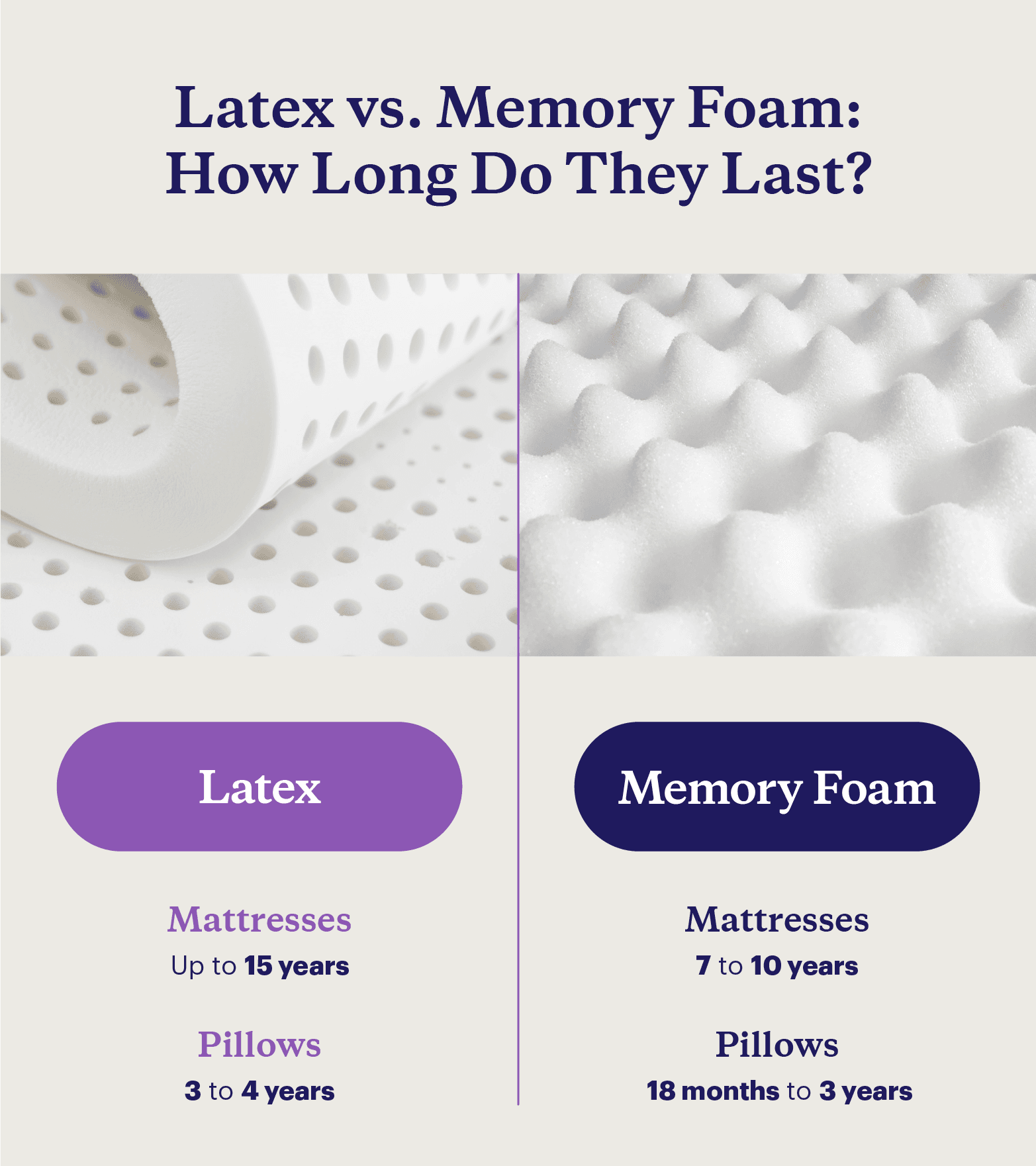
| Durability | Mattresses: 10 to 15 years. Pillows: 3 to 4 years | Mattresses: 7 to 10 years. Pillows: 18 months to 3 years |
| Allergies | Hypoallergenic (not for those with a latex allergy) | Hypoallergenic |
| Mattress Weight | Heavy | Light to medium |
| Sustainability | Natural latex can be eco-friendly | May have eco-friendly options but is oil-based |
| Availability | Less common in some regions | Widely available |
| Price | $$$ to $$$$ | $ to $$$ |
Key differences between memory foam and latex
1. Feel
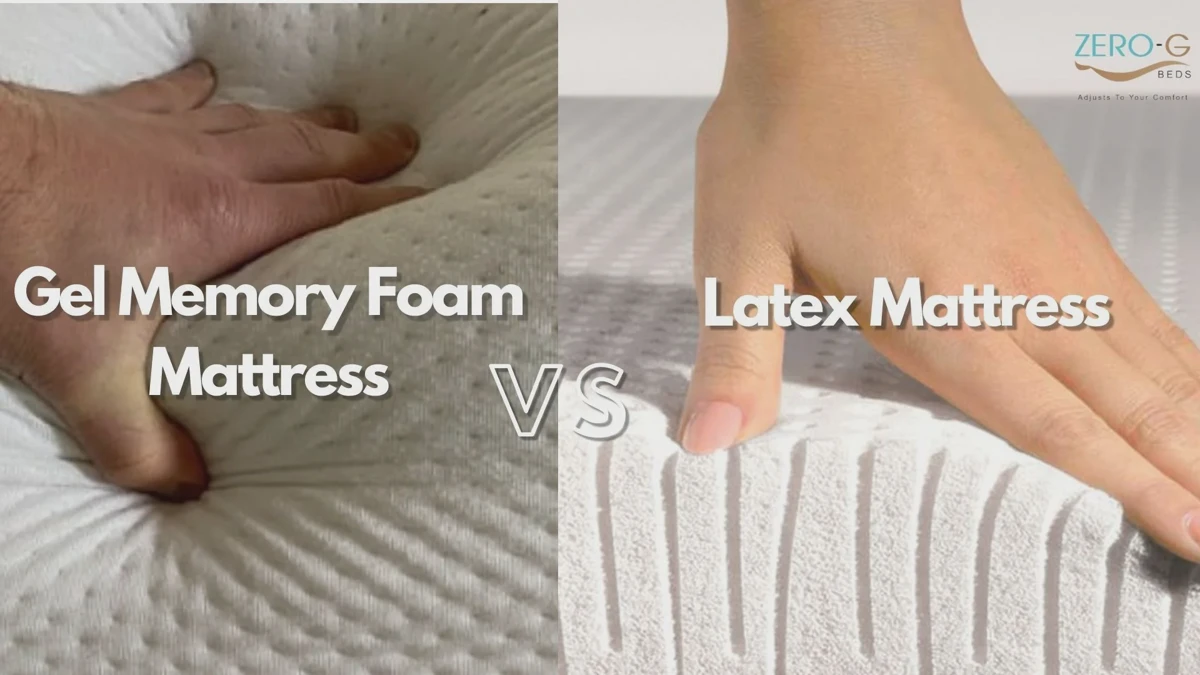
Memory foam mattresses offer a contour-hugging, sink-in experience. The material molds and softens to the body's shape and weight, which cradles pressure points and delivers a cocoon-like comfort. The slow responsiveness lets it adapt gradually, creating a more enveloping feel.
Latex mattresses are available in different firmness levels, but they are generally known to be more firm. They are also more responsive, providing a supportive and slightly bouncy sensation. As one mattress maker puts it, latex helps you sleep on your mattress rather than feel trapped in it.
2. Support
Memory foam and latex mattresses both offer excellent support, but the difference lies in how they deliver it. Memory foam excels at molding to the body's shape for a more personalized support system and a sink-in feeling.
The natural resilience of latex gives it a more buoyant feel, making it ideal for those who prefer more lift. Its responsiveness also allows it to quickly adapt to your body weight for a consistent level of support. It still conforms to your contours, but it rises to fit your body as you move through the night. The density of latex mattresses may also be a better fit for heavier body types.
3. Pressure relief
Memory foam mattresses contour to the body's shape and cradle pressure points. Because it takes a long time for memory foam to revert to its original shape, it customizes to your body over the course of the night for a pressure-relieving sleep experience.
Latex mattresses offer pressure relief by adapting to your body's movements quickly, preventing concentrated stress on specific areas as you shift through the night. The lifted feeling from supportive latex also minimizes strain on pressure points.
4. Breathability
Memory foam mattresses are far less breathable than latex mattresses, unless you opt for an open-cell or gel-infused memory foam. Memory foam absorbs and retains body heat, while latex's natural open-cell structure facilitates airflow for a cooler sleep environment. One latex maker describes the difference plainly: blow air at a Talalay latex layer and it flows right through, while with memory foam the air is completely blocked.
5. Motion transfer
Both memory foam and latex mattresses minimize disruptions caused by movement. Memory foam may be slightly more effective at reducing motion transfer due to its slow rebound, but the extent of motion isolation also depends on the specific construction and quality of the mattress.
6. Responsiveness
How the material responds to the body is one of the key differences. Memory foam contours gradually to the body's shape, while latex offers a faster rebound that promptly adapts to changes in sleep position. The choice comes down to personal preference for the level of bounce and how quickly you want the mattress to respond. Sleepers who change position often and feel stuck in damp-sand-style memory foam usually prefer latex for that reason.
7. Construction
Memory foam is made from polyurethane foam mixed with other chemicals to create viscoelastic foam. Latex mattresses use natural latex, made from rubber tree sap using the Talalay or Dunlop process, or synthetic latex made with petroleum-based materials. Natural latex is whipped into a froth and baked into a foam, which is a plant-based product rather than a petrochemical one.
8. Durability
How long your mattress lasts depends largely on the quality of materials and the manufacturer. Latex mattresses are generally considered highly durable and can last up to 15 years, while memory foam mattresses last seven to 10 years on average. Even if a mattress can last 15 years, it is a good idea to replace it earlier, since mattresses retain contaminants and become heavier with collected dead skin cells over time.
9. Allergies
Latex mattresses, specifically those made with natural latex, may pose a risk for individuals with latex allergies. Synthetic latex can minimize allergens, but latex-sensitive individuals should still exercise caution. Memory foam mattresses are generally hypoallergenic and less likely to trigger allergies. Some people may be sensitive to the chemicals used in memory foam production, so anyone with known sensitivities should carefully assess both options.
10. Mattress weight
The weight of memory foam mattresses varies, but they are typically lighter than latex mattresses. Latex is naturally more dense, so these mattresses are notably heavier. Keep this in mind if ease of maneuverability or transportation is a concern. Weight ranges vary from brand to brand, but here is what you can generally expect.
- Memory foam: 75 to 90 pounds
- Latex: 140+ pounds
11. Sustainability
Natural latex mattresses made with the Dunlop process are the most sustainable option, since they are made from rubber tree sap with a simpler, eco-friendlier manufacturing process. The Talalay process has a more complex production, and memory foam is made with chemicals. Synthetic latex and memory foam can be made more sustainably depending on the brand, and they can also be recycled or repurposed in some pillow types and other items.
12. Availability
Memory foam mattresses are widely available and dominate the market, with numerous brands offering a diverse range of options and price points. Latex mattresses, while still accessible, may be less prevalent in some regions, and the variety of choices may be comparatively limited.
13. Price
How much you spend on a mattress will ultimately depend on the quality you choose for either material. Latex mattresses tend to be pricier, particularly those made from natural latex, due to the cost of harvesting and processing the raw material. Memory foam mattresses have a wider range of price points, influenced by the density and quality of the material.
Who should choose memory foam vs latex
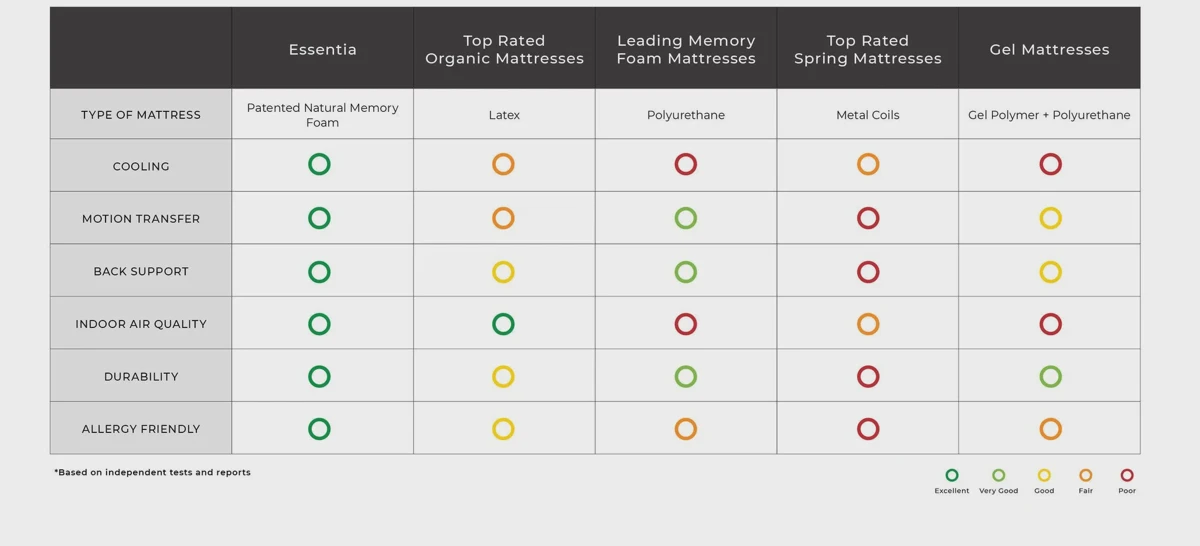
Both materials offer excellent support, so the right pick comes down to feel, temperature, and a few practical concerns. Memory foam tends to suit back and side sleepers who want a personalized, sink-in feel and minimal motion transfer, and it is often the more budget-friendly option. Latex tends to suit sleepers who want a buoyant, lifted feel, cooler sleep, a longer-lasting mattress, and a more natural construction. Heavier sleepers may also benefit from the denser support of latex, while shoppers worried about the chemical odor and slow response of memory foam often prefer natural latex for that reason.
Which is better, latex or memory foam? Neither material wins outright. Latex wins on breathability, durability, responsiveness, and natural construction. Memory foam wins on price, motion isolation, hypoallergenic safety for people without chemical sensitivities, and the cradling pressure relief side sleepers tend to prefer.
The clearest disadvantages of latex mattresses are price, weight, the risk for people with latex allergies, and availability. Natural latex is more expensive than memory foam, the mattresses can weigh 140 pounds or more, latex-sensitive individuals should avoid natural latex, and latex options can be harder to find in some regions.
Memory foam vs latex for specific health concerns
The references compared in this guide do not specifically test mattresses for nerve pain or for lupus patients, but a few signals from how each material performs can help. For nerve pain, memory foam's slow-molding contour cradles pressure points and customizes to your body over time, which is the same mechanism shoppers cite when looking for pressure relief. Latex relieves pressure points through quick adaptation rather than deep sink, which some sleepers prefer if they shift positions a lot. The right pick depends on whether your nerve pain feels worse when you sink in or when you press against a firmer surface, and on whether you also run hot at night.
For lupus, comfort, temperature, and allergen sensitivity all matter, and the refs do not address lupus directly. The closest signals are that memory foam is generally hypoallergenic but is made with chemicals that some people react to, while natural latex avoids those chemicals but carries a latex-allergy risk. Anyone with lupus or another condition that involves chemical sensitivity should weigh both factors with a medical provider before choosing, since neither mattress material is specifically designed for that use case.
Alternatives if you cannot decide between memory foam and latex
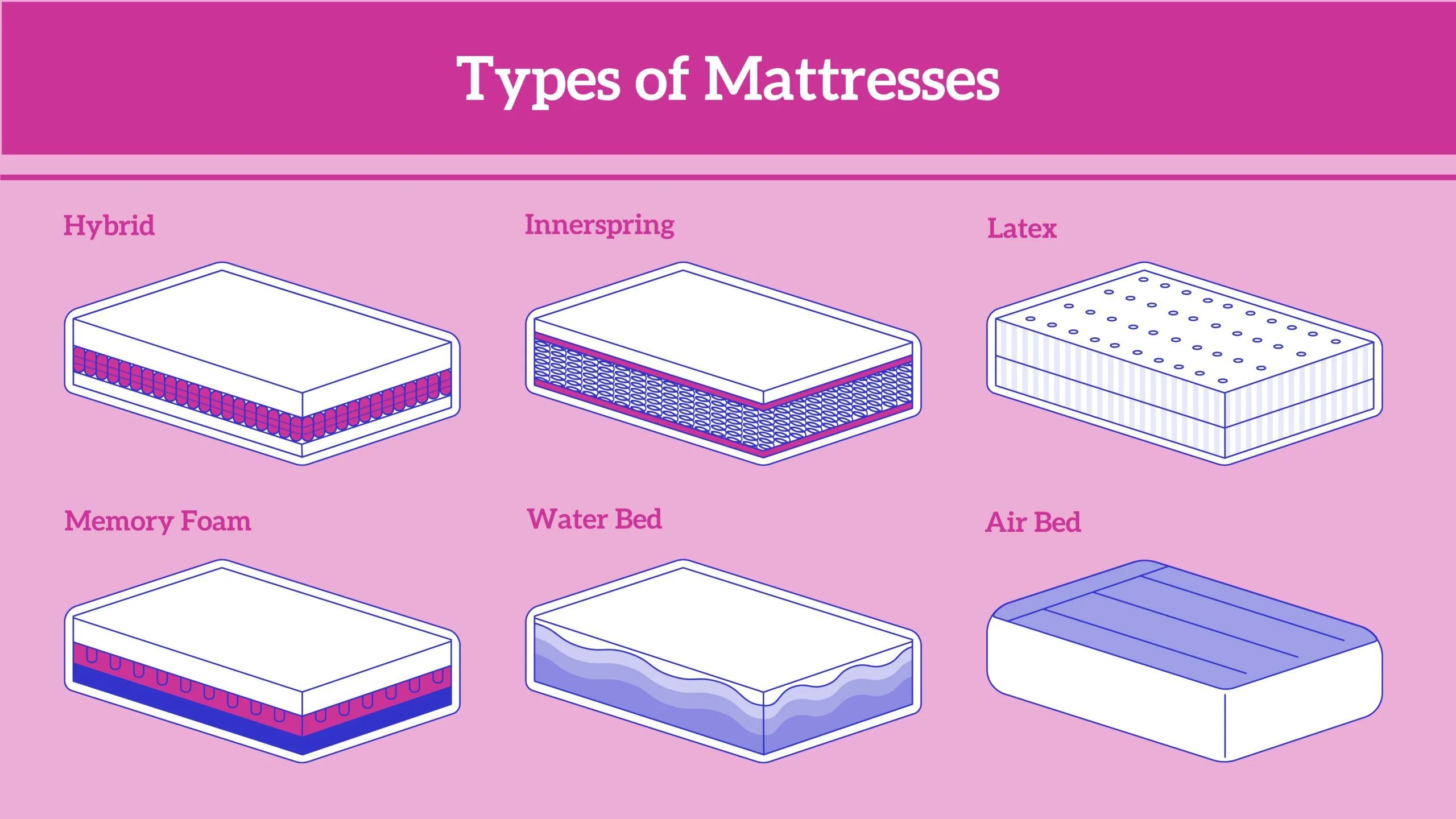
If you are stuck between a latex and memory foam mattress, there are alternatives worth considering. A hybrid mattress is made of multiple layers, including a foam or latex comfort layer over a coil support system, which combines benefits from both worlds.
- Durability
- Pressure relief
- Breathability
- Motion isolation
- Wide range of material options
Customizable natural latex mattresses are another option, since some designs let you swap layers over time if your comfort needs change. Most memory foam mattresses are sewn shut, so once the feel stops working for your body, you are stuck with that mattress. The choice of materials is highly personal, but if you are torn between the two, an in-store test on a comparable model from each category is the fastest way to decide.