Search "Molblly mattress lawsuit" and you'll find a flood of TikToks, Reddit threads, and law-firm pages - but very little hard reporting. Here's what's actually true as of 2026: no class action lawsuit naming Molblly has been filed in any U.S. court. The brand sits squarely inside a much larger legal storm, though, the same one that swallowed Zinus in 2022 and continues to draw new defendants - fiberglass fire-barrier contamination in cheap, bed-in-a-box memory foam mattresses.
If you bought a Molblly within the last three years and you're worried after seeing the videos, this guide explains exactly where the brand stands, what triggers the legal exposure, and the concrete steps to take whether your mattress is fine, suspect, or actively shedding glass particles into your home.
Is there a Molblly mattress lawsuit right now?
Status (May 2026): No filed class action, no FTC complaint, no CPSC recall. We searched federal court records (PACER), the California state court system where similar cases have landed, the Consumer Product Safety Commission's SaferProducts.gov database, and active investigations at law firms that publicly track fiberglass cases (ClassAction.org, Lovely Law Firm, Justice Is Lovely). None list Molblly as a named defendant.
What does exist is an open investigation phase - plaintiff's attorneys are collecting reports from owners of "a variety of bed-in-a-box brands sold on Amazon," which functionally includes Molblly. That's not a lawsuit. It's the step before a lawsuit, and it may or may not produce one.
Why everyone thinks there is a lawsuit
Three things are blurring together in social media discourse:
- The 2020 Zinus lawsuit (Gutierrez v. Zinus, settled 2022) - the landmark case that put fiberglass on every consumer's radar.
- Ongoing ClassAction.org investigation into Lucid, Vibe, and "similar Amazon brands."
- Personal Molblly horror stories on TikTok and r/Mattress that mention fiberglass shedding - these feel like a class action because the symptoms (skin irritation, contaminated HVAC, expensive remediation) match the Zinus pattern exactly.
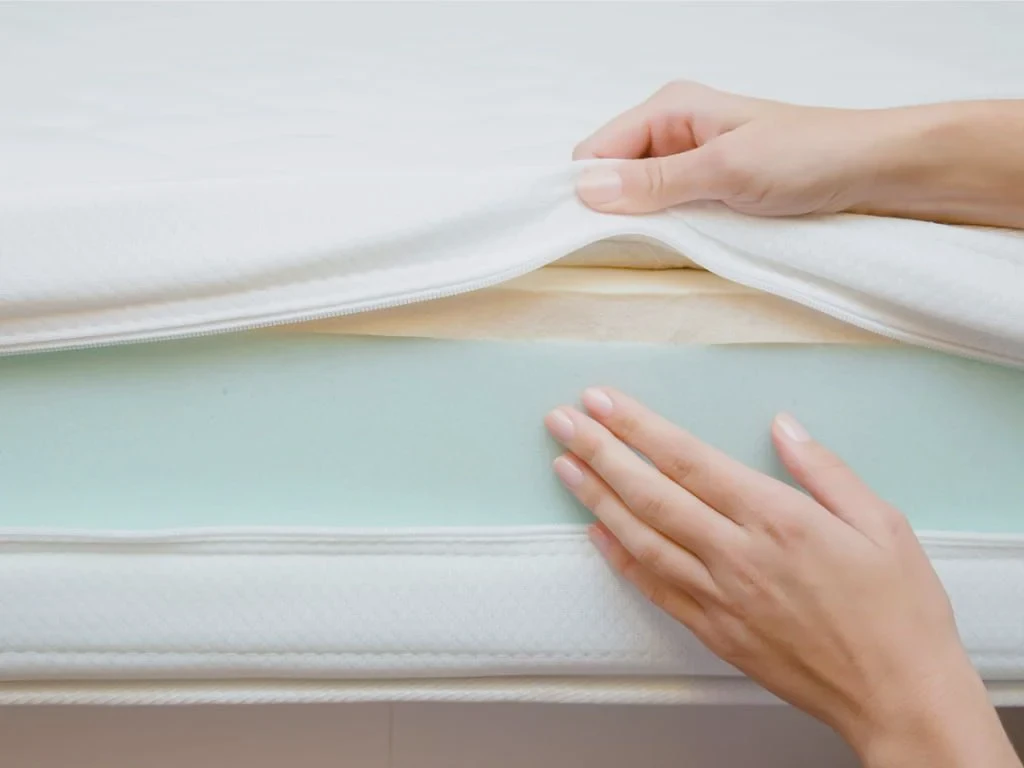
The fiberglass question: does Molblly use it?
This is the only question that matters legally and practically, and the honest answer is it depends on the model and year of manufacture.
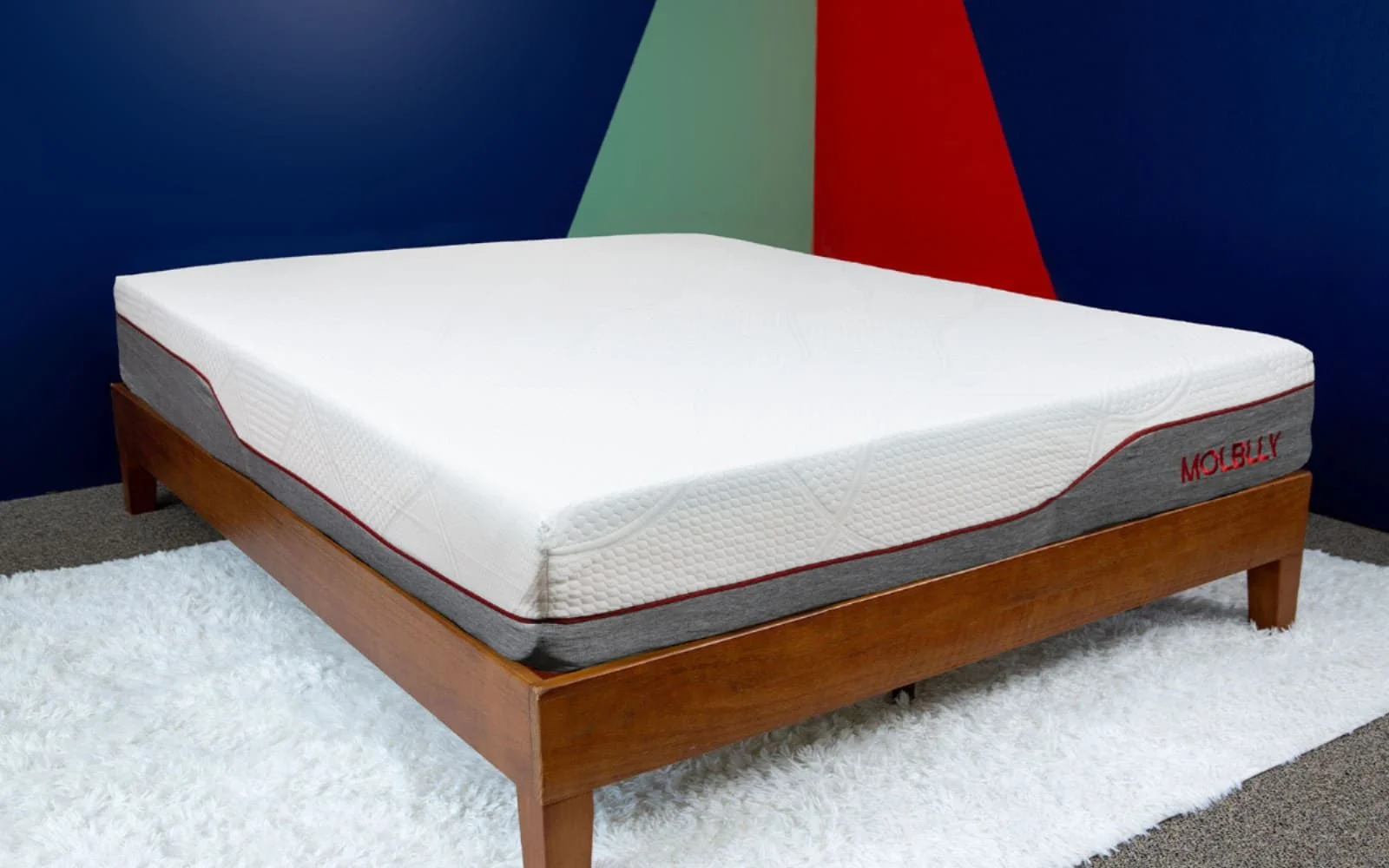
Molblly's current product pages (verified May 2026) state that newer models are fiberglass-free and use a knit cover with a non-fiberglass flame retardant. The brand publishes CertiPUR-US and OEKO-TEX Standard 100 certificates for its foams, both of which restrict harmful chemicals but do not certify the fire barrier itself.
The catch: independent investigators at eachnight.com (updated February 2026) reached opposite conclusions about older Molblly stock. After contacting both Wayfair and Molblly customer service, they got vague answers about "fireproof threaded fabric" - language that historically describes a fiberglass sock. Their verdict: assume yes, fiberglass is present in pre-2025 Molblly mattresses, and never remove the cover under any circumstances.
How to check your specific mattress
- Find the law tag (the white sewn-in label, usually on the foot end). Look for the words "glass fiber," "fiberglass," or "silica" in the fabric content list. Federal law (16 CFR § 1632) requires this disclosure.
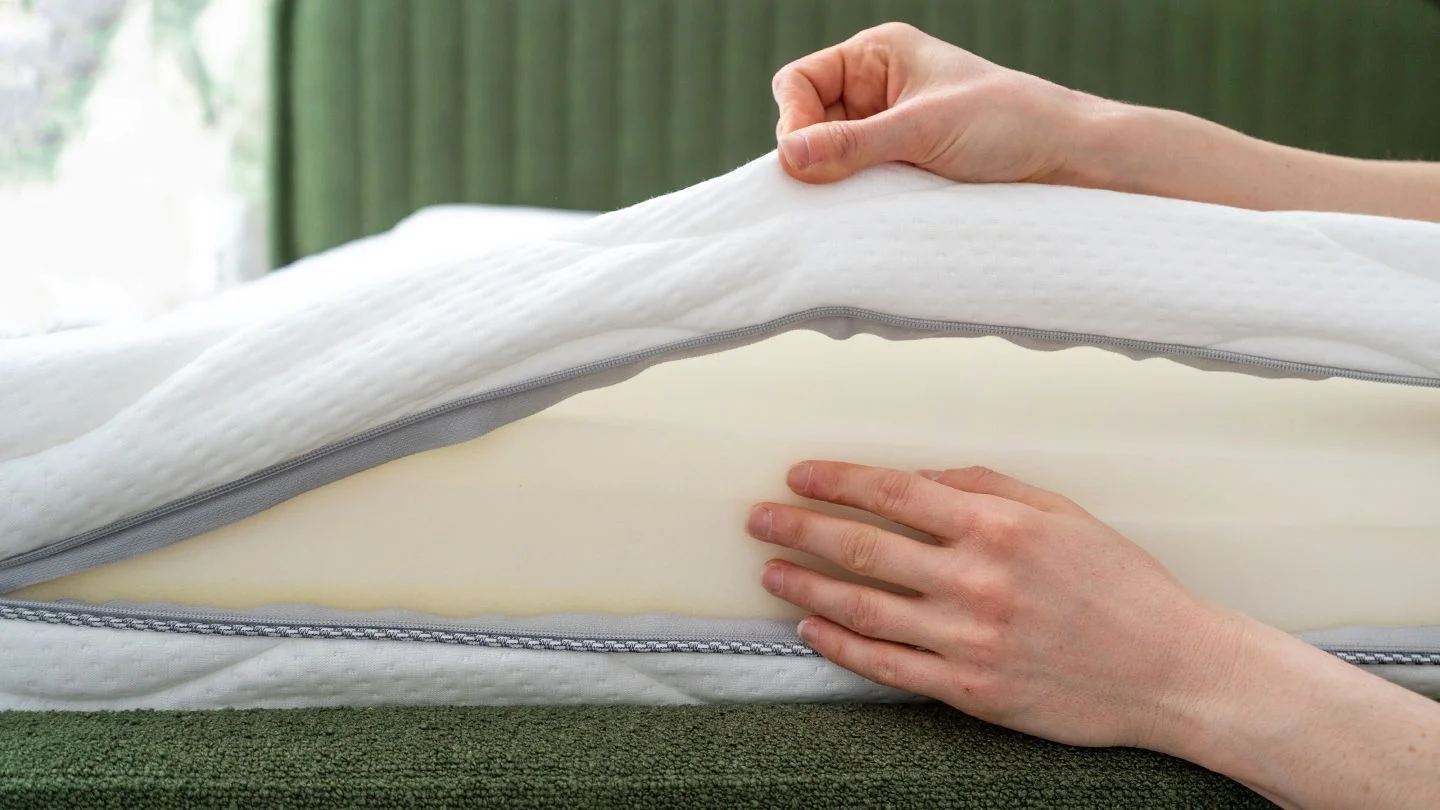
- Look for a "Do not remove cover" warning on the cover itself. Molblly covers with this warning almost certainly contain fiberglass, regardless of website marketing copy.
- Check the manufacture date on the law tag. Anything stamped before mid-2025 should be treated as suspect.
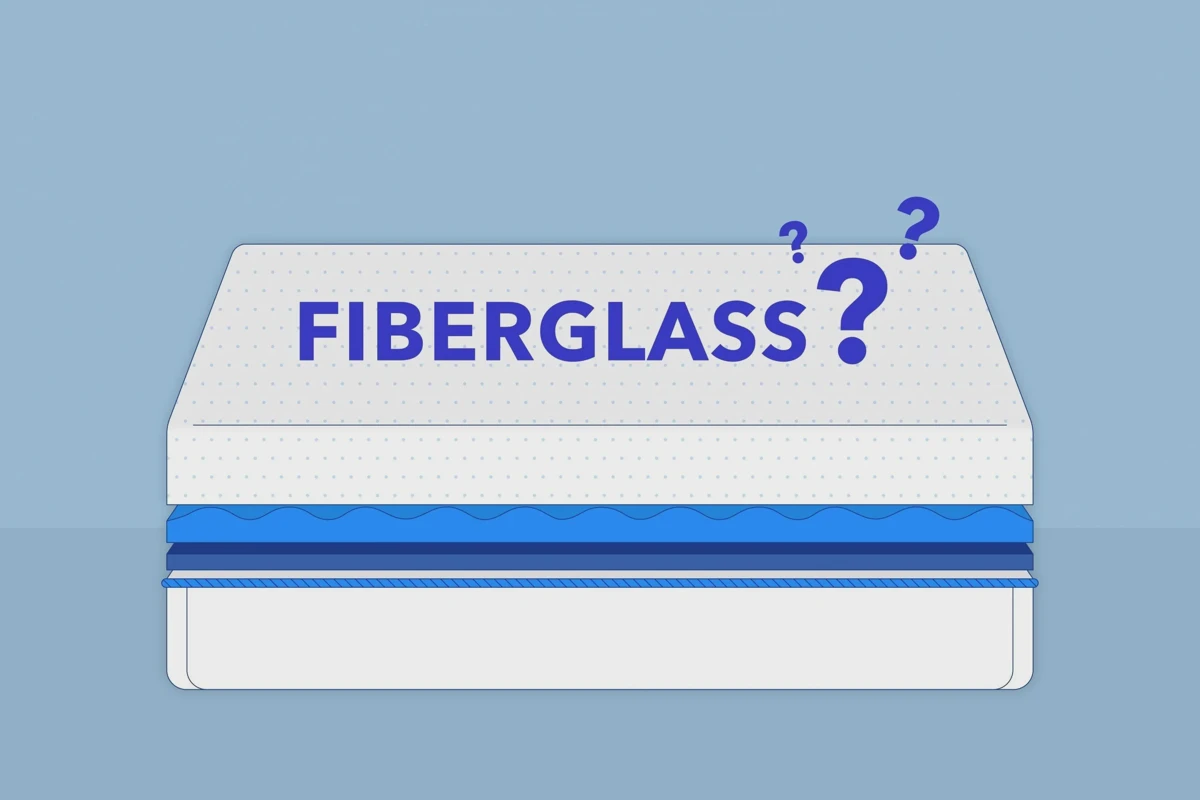
The Zinus precedent: what a Molblly lawsuit would actually look like
If a class action is ever filed, it will follow the template set by Gutierrez v. Zinus Inc. (E.D. Cal. 2022). The plaintiffs in that case alleged three things, and these are the same three you'd need to prove against Molblly:
- Failure to warn - that the cover, despite a removable zipper, was never meant to be opened, and the fire-barrier sock would shed particles if it was.
- Breach of implied warranty - that a mattress sold for human contact shouldn't deposit airborne irritant fibers into your bedroom.
- Property damage - that remediation (HVAC cleaning, replacement clothing, professional contamination cleanup) regularly exceeds $10,000 per household.
Zinus settled for an undisclosed amount and updated its packaging warnings. Molblly has so far avoided the same legal pressure largely because the brand is younger, smaller, and harder to serve (the corporate parent is in Hong Kong).
What to do if you already own a Molblly
If your cover is intact and zipped
Leave it alone. Add a sealed mattress encasement (look for one rated for bed-bug containment - those are tightly woven enough to block fiberglass particles too) on top of the existing cover. Never unzip the original cover. Spot-clean stains on the encasement, not the mattress.
If you already removed the cover
- Bag the mattress in heavy plastic immediately. Do not vacuum the bedroom - household vacuums spread fiberglass through the exhaust.
- Wash all bedding, curtains, and clothing from the room on the hottest cycle the fabric tolerates, separately from other laundry.
- Hire a fiberglass remediation specialist (not a regular cleaning service) to HEPA-vacuum and damp-wipe the room, including HVAC vents.
- Document everything - photos of the cover label, receipts, and remediation invoices. This is the evidence package any future class action would rely on.
- Report the incident to the CPSC at SaferProducts.gov. Public reports are how class actions get started; the more entries Molblly accumulates, the more likely a firm picks up the case.
If you want to file an individual claim now
You don't need a class action to sue. Individual product-liability claims are viable when you have (a) a verified fiberglass-containing Molblly, (b) documented health symptoms or property damage, and (c) physical evidence (the mattress and cover, photographed and ideally retained). Contact a product-liability attorney - most firms offering fiberglass cases work on contingency, so consultations are free.
Safer alternatives if you want to replace it
If the risk profile bothers you, the cleanest replacement strategy is to choose a mattress that publishes its fire barrier material on the spec sheet - not just "CertiPUR foams." Brands that name their barriers explicitly include:
- Saatva - uses a thistle-pulp fire barrier; full disclosure on every model spec.
- Avocado - wool-based barrier, GOTS-certified organic.
- Amerisleep - plant-based fire sock, no fiberglass across the AS line.
- Plushbeds - natural latex with wool barrier; eco-certified.
If price is the constraint that pushed you to Molblly in the first place, the next-cheapest fiberglass-free tier is Zoma Start, Vaya Hybrid, or the smaller Amerisleep AS3, all of which publish their barrier composition.
Bottom line
There is no Molblly mattress lawsuit in May 2026, and writing as if there is one (most blog posts on this query do) misleads buyers in both directions: it scares people who own a perfectly fine 2025+ mattress, and it falsely reassures people whose 2023 Molblly is shedding fiberglass into their HVAC. Treat your specific mattress's law tag and cover warning as the source of truth, encapsulate older models, and report any contamination to CPSC - that's the legal pressure that turns an investigation into an actual lawsuit.