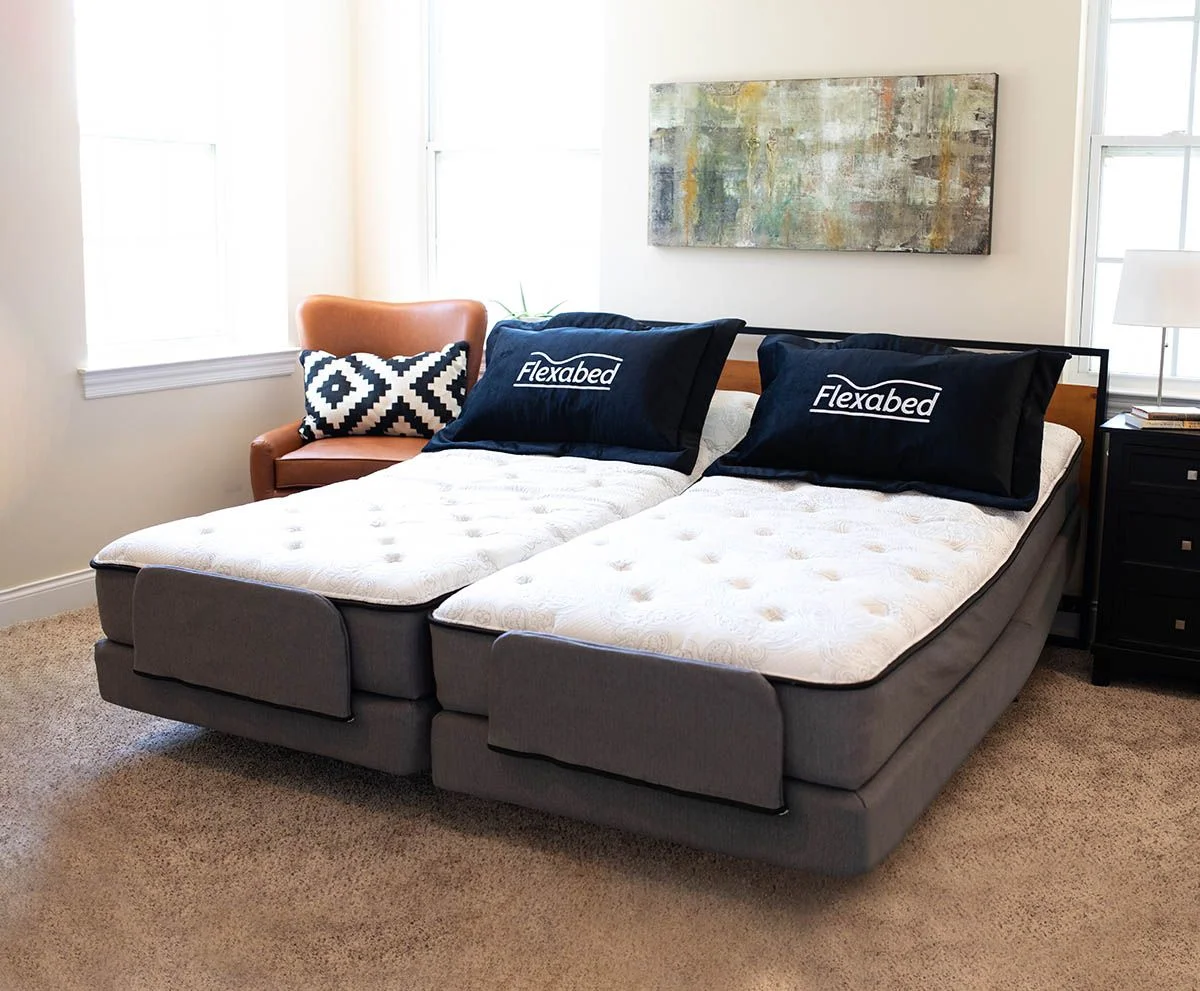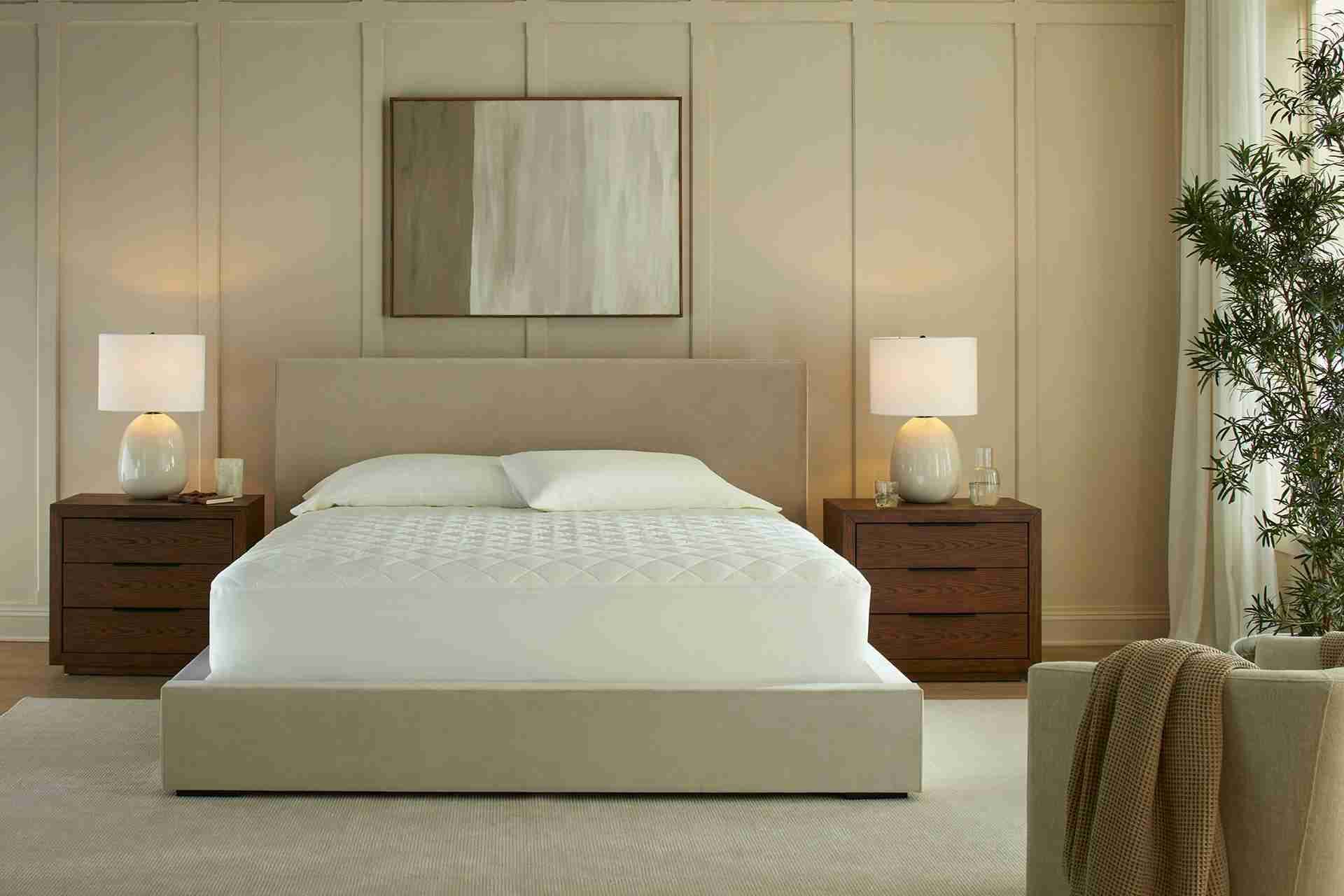
Naturepedic is the most-cited name when shoppers search for an organic, non-toxic mattress in 2026 - and for good reason. The lineup is fully GOTS- and GOLS-certified, made in Ohio, and built around organic cotton, organic wool, organic latex, and individually pocketed coils, with no polyurethane foam and no chemical flame retardants. The catch is the price: a queen EOS Pillowtop runs roughly $4,799, several times the cost of a typical online hybrid.
This review covers what Naturepedic actually offers in 2026, how the popular EOS, Chorus, Serenade, and Verse models differ, and the real trade-offs versus mainstream picks like Saatva or Avocado. Affiliate disclosure: Banner Mattress may earn a commission on qualifying purchases through partner links; we do not accept payment to alter conclusions.
Naturepedic at a glance
- Type: Organic latex hybrid (most adult models); all-latex on the EOS Trilux.
- Firmness: Customizable on EOS (3-7 / 10); fixed on Chorus, Serenade, Verse.
- Certifications: GOTS, GOLS, MADE SAFE, Greenguard Gold, Forest Stewardship Council.
- Trial: 100-night sleep trial (shorter than the 365-night offered by many DTC competitors).
- Warranty: 20-year limited; full coverage in years 1-10.
- Price (queen): Verse $2,199 → Chorus $2,799 → Serenade $3,799 → EOS Classic $3,999 → EOS Pillowtop $4,799.
The lineup: which Naturepedic is right for you?
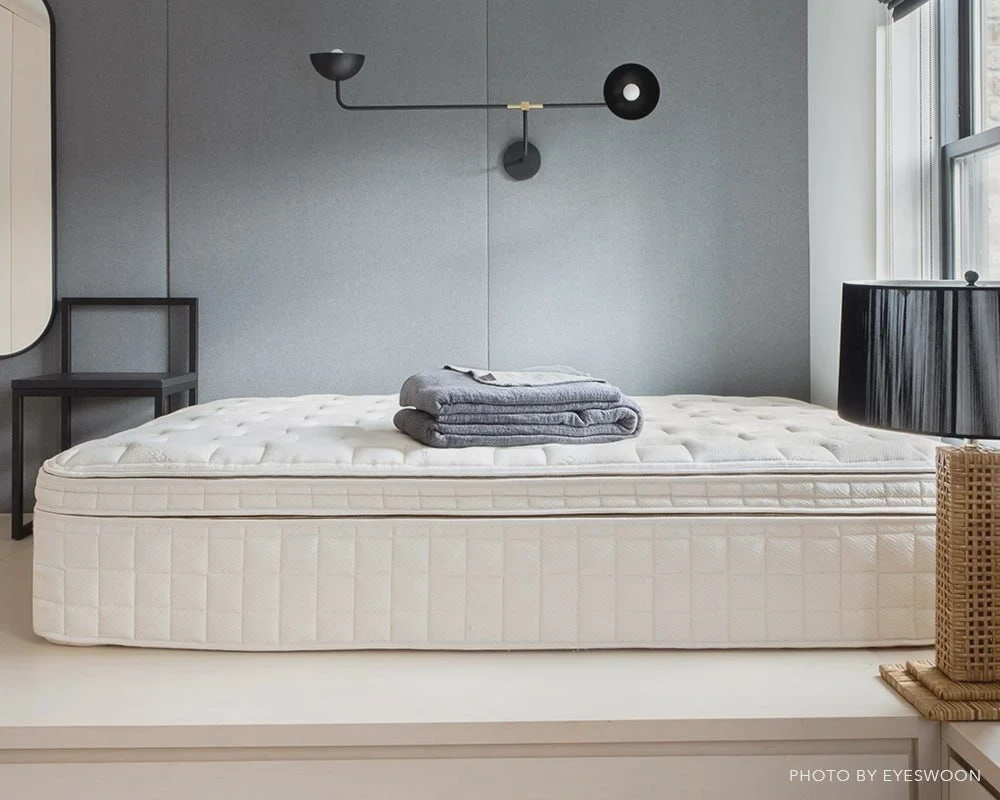
EOS Classic & EOS Pillowtop - the customizable flagship
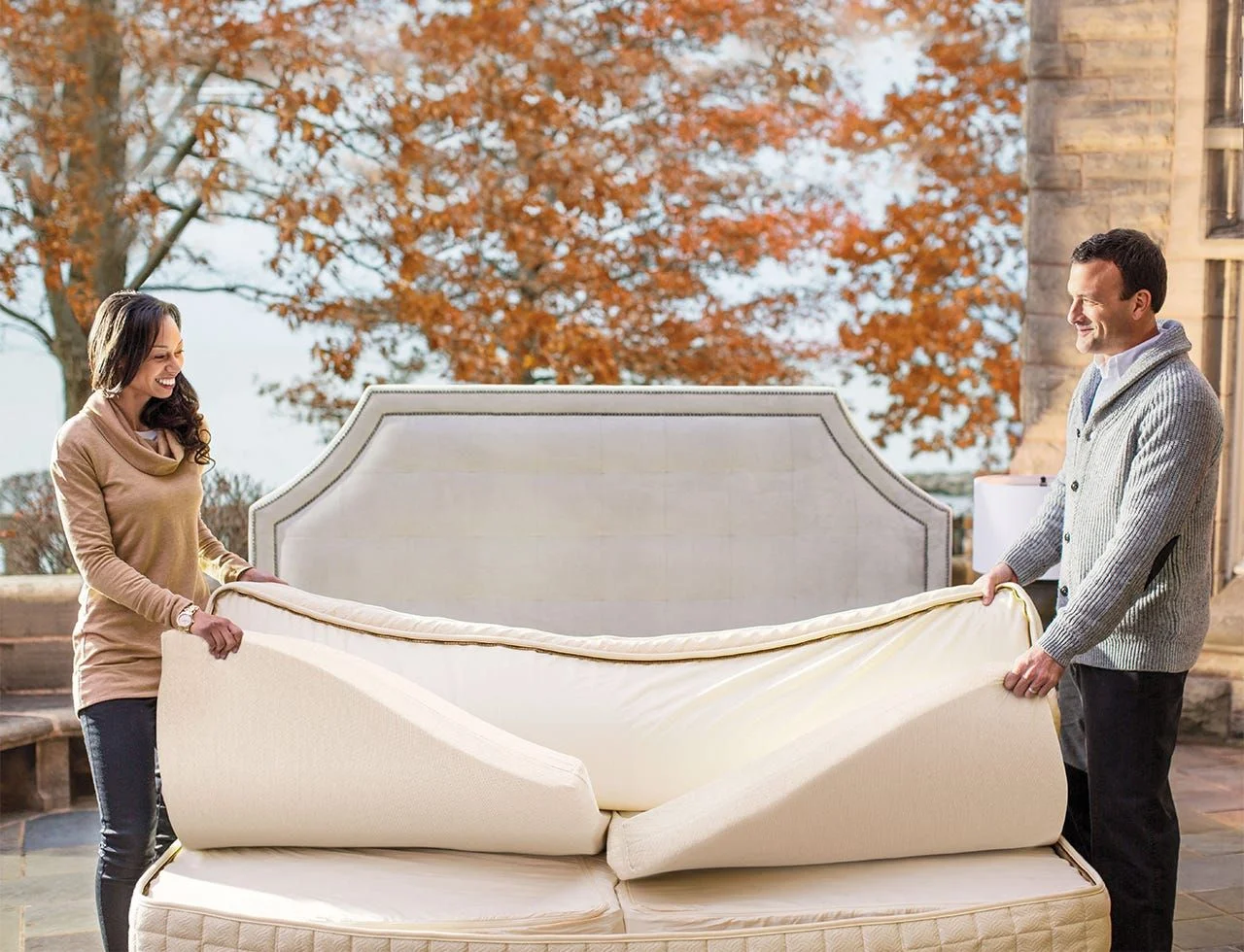
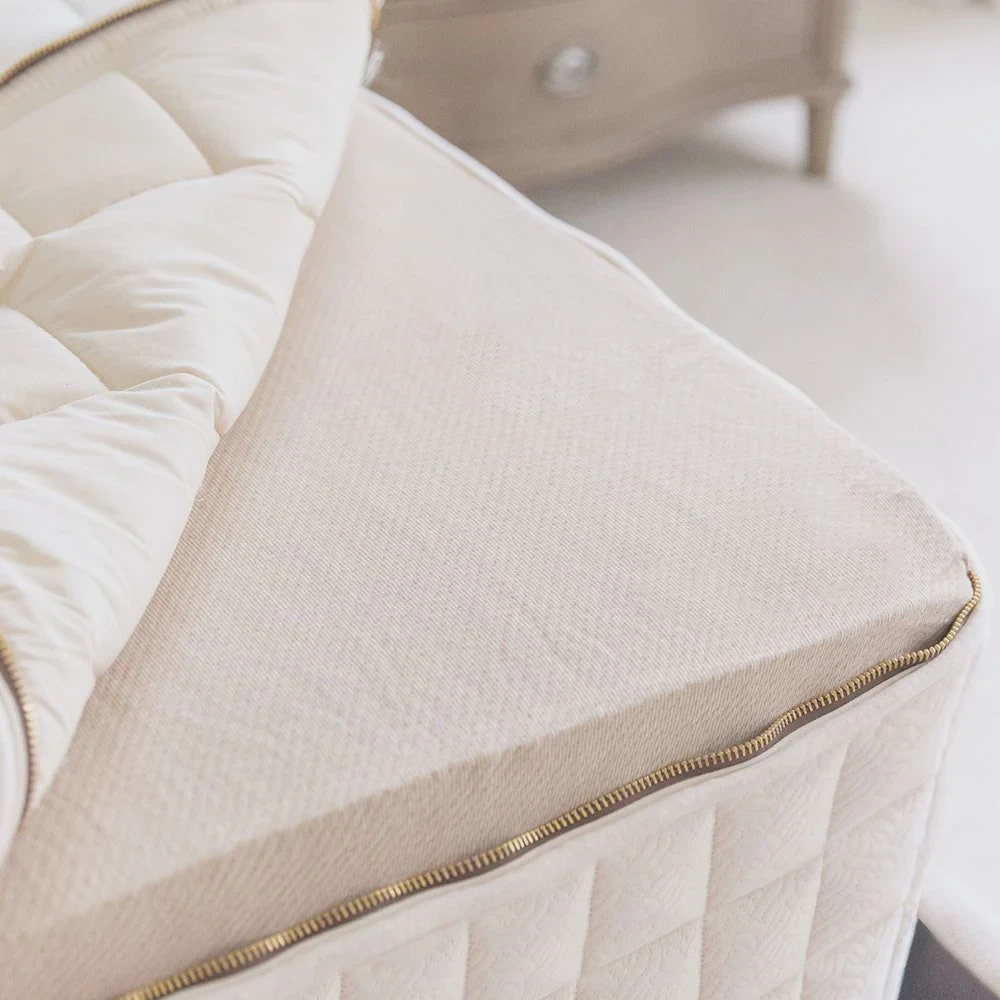
The EOS is Naturepedic's signature: a zip-open cover with swappable comfort layers so each side of a queen, king, or Cal-king can be set to a different firmness (3-7 / 10). The Pillowtop adds a quilted organic-latex topper for a plusher feel. Independent testing at NapLab has the EOS Pillowtop at a 9.02 overall score with a perfect 10 on cooling and pressure relief, but flags above-average motion transfer and a 100-night trial that is shorter than the 176-night category average.
Serenade - the buoyant mid-tier hybrid
CNET's 2025 Serenade review describes a really bouncy and responsive feel from the latex-and-coil pairing, sitting around medium-firm. It is the easiest Naturepedic to recommend for back sleepers and combo sleepers who don't need split-firmness customization.
Chorus - the entry-level latex hybrid
The Chorus uses the same certified-organic materials in a slimmer, simpler stack. It's the cheapest way into the brand and works best for back and stomach sleepers under about 230 lbs.
Verse - the budget on-ramp
Verse is Naturepedic's most affordable adult mattress (queen near $2,199). It keeps the certifications and the no-chemicals build but uses a thinner profile, so it is best for guest rooms or lighter sleepers rather than long-term primary use.
How it sleeps: feel, cooling, and support
Feel
Latex over coils sleeps responsive and buoyant - closer to a traditional innerspring than to memory foam. There is very little hug; you sleep on top of the mattress rather than in it. The EOS Pillowtop softens this with a quilted topper, but no Naturepedic feels like a foam bed.
Cooling
Cooling is one of the brand's strongest points. The wool layer wicks moisture, the latex is naturally aerated, and the pocketed coils let heat escape. NapLab rated the EOS Pillowtop a perfect 10 on cooling. Hot sleepers who tend to overheat on memory-foam beds are the most consistent fans of the brand.
Pressure relief by sleep position
- Side sleepers: Choose a softer EOS configuration (3-4 / 10) or the Pillowtop. Stock Chorus and Verse can feel too firm at the shoulder.
- Back sleepers: Medium (5 / 10) on the EOS, or any Serenade - the most universally comfortable pick.
- Stomach sleepers: Firmer EOS (6-7 / 10) or Chorus keep the hips lifted.
- Combo sleepers: Latex's quick response makes any Naturepedic easy to move on.
Motion isolation and edge support
Motion transfer is a known weakness - bouncy latex over coils transmits more partner movement than a foam bed. NapLab measured EOS motion transfer at 54% above category average. Edge support is good thanks to reinforced perimeter coils, but not class-leading.
Pros
- GOTS / GOLS / MADE SAFE certified - the deepest organic credentials in the category
- No polyurethane foam, no chemical flame retardants, very low off-gassing
- Excellent cooling thanks to wool, latex, and pocketed coils
- EOS lets each side of the bed pick its own firmness (3-7 / 10)
- Made in the USA with a 20-year warranty
Cons
- Premium pricing - EOS Pillowtop queen is roughly $4,799
- Motion transfer above category average; not ideal for very light-sleeping couples
- 100-night trial is shorter than the DTC norm (often 365 nights)
- Heavy and slow to assemble (1+ hour for the EOS)
- All-latex feel won't suit shoppers who want a sinking memory-foam hug
Naturepedic vs. the alternatives
- vs. Saatva Latex Hybrid: Saatva is cheaper and offers a 365-night trial, but only the latex-hybrid model is organic; the rest of the lineup uses conventional materials.
- vs. Avocado Green: Closest direct competitor; both GOTS/GOLS certified. Avocado is firmer out of the box and roughly $700-$1,200 cheaper at queen.
- vs. Birch by Helix: Lighter natural-materials story (not GOLS-certified latex); a budget-friendly alternative starting near $1,500 queen.
- vs. Tempur-Pedic: Different feel entirely - Tempur is dense memory foam with deep contour. Choose Naturepedic if you sleep hot or want a non-toxic build; choose Tempur if you want pressure-point hug.
Who should buy a Naturepedic
- Shoppers who want a fully certified organic, non-toxic mattress and have the budget for it.
- Hot sleepers who have struggled with memory-foam heat retention.
- Couples with very different firmness preferences who want split-firmness on a queen, king, or Cal-king (EOS).
- Buyers prioritizing US manufacturing and long-term durability over upfront price.
Who should pick something else
- Anyone who needs a foam-style sinking feel - Naturepedic is buoyant, not contouring.
- Light-sleeping couples bothered by partner motion.
- Budget shoppers - Avocado, Birch, or Saatva Classic deliver more comfort per dollar.
Frequently asked questions
Is Naturepedic actually non-toxic?
Yes - across the consumer line. Naturepedic uses certified organic cotton, organic wool, and organic Dunlop latex with no polyurethane foam, no chemical flame retardants, and no fiberglass. The brand carries GOTS, GOLS, MADE SAFE, and Greenguard Gold certifications, which are the strongest third-party verifications available for mattresses today.
How firm is a Naturepedic mattress?
It depends on the model. The EOS is fully customizable from a 3 (plush) to a 7 (firm) on a 10-point scale; you can even split firmness between sides of the bed. The Serenade lands around medium-firm (6/10), the Chorus around firm (7/10), and the Verse closer to medium-firm (6/10).
Does Naturepedic sleep hot?
No - cooling is one of its strongest features. Independent testing at NapLab gave the EOS Pillowtop a perfect 10/10 on cooling. Wool wicks moisture, latex is naturally aerated, and the pocketed-coil base lets warm air escape. Hot sleepers are the brand's most consistent fans.
Why is Naturepedic so expensive?
Two reasons. First, the certified-organic supply chain is genuinely costly - GOLS-certified Dunlop latex alone costs several times more than synthetic foam. Second, Naturepedic mattresses are made in Ohio, not imported. The premium versus a Helix or Casper reflects materials and labor, not just brand markup.
How long is the Naturepedic trial period?
100 nights from the date of delivery. That's shorter than the 365-night trials offered by Saatva, Nectar, and several DTC brands, so make sure you sleep on it long enough - most reviewers say 30 nights is the minimum to acclimate to a latex hybrid feel.
Is the EOS worth it over the Chorus or Serenade?
Only if you specifically need split-firmness customization or a luxury pillowtop feel. The Chorus delivers the same organic certifications and core build at roughly $2,000 less than the EOS Pillowtop, and the Serenade is the most balanced single-firmness pick in the lineup.