Short answer: Nectar's memory foam is CertiPUR-US certified - independently tested to be free of formaldehyde, ozone depleters, heavy metals, PBDE flame retardants, regulated phthalates, and high VOC emissions (under 0.5 ppm). That's the chemistry side, and it checks out.
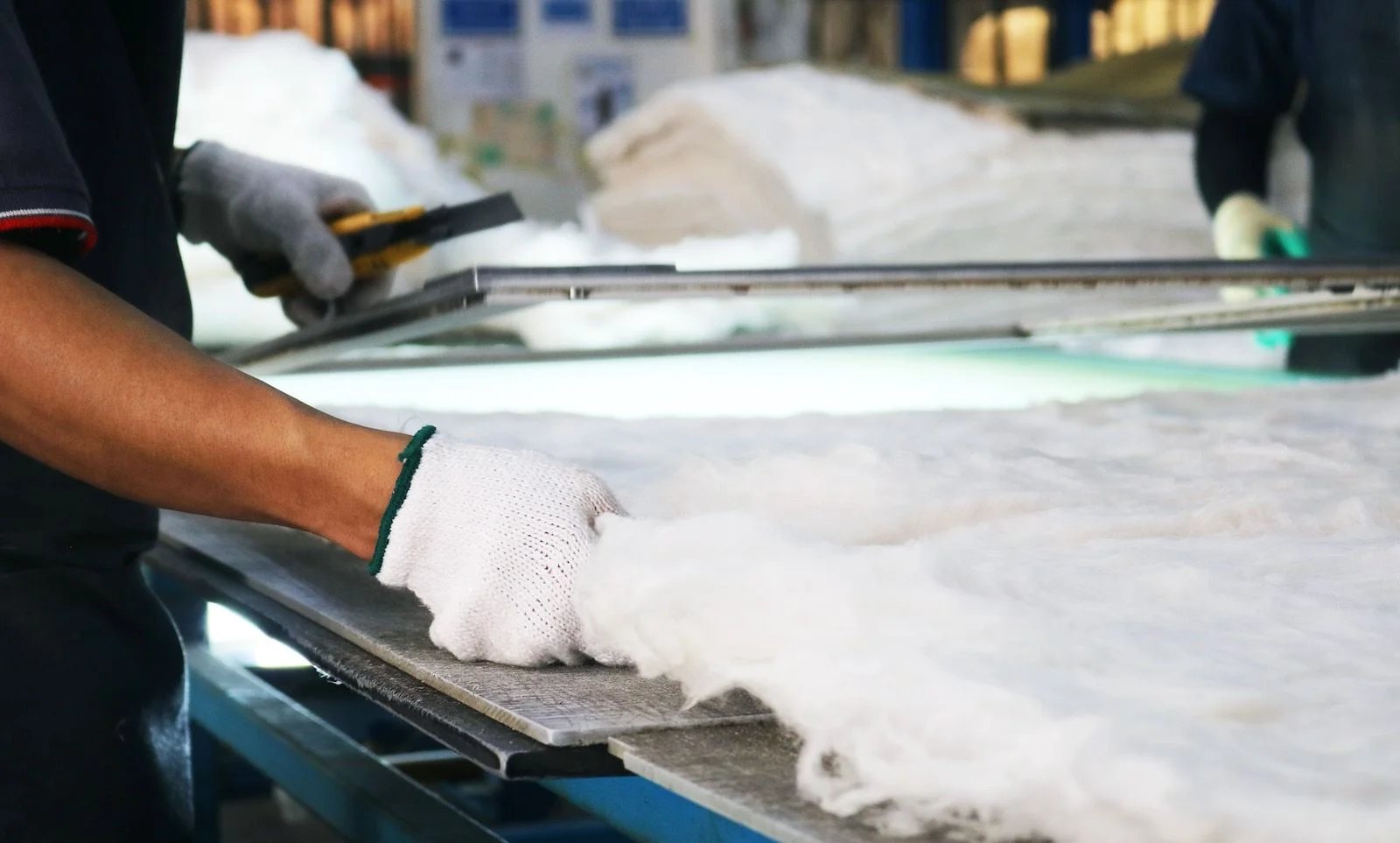
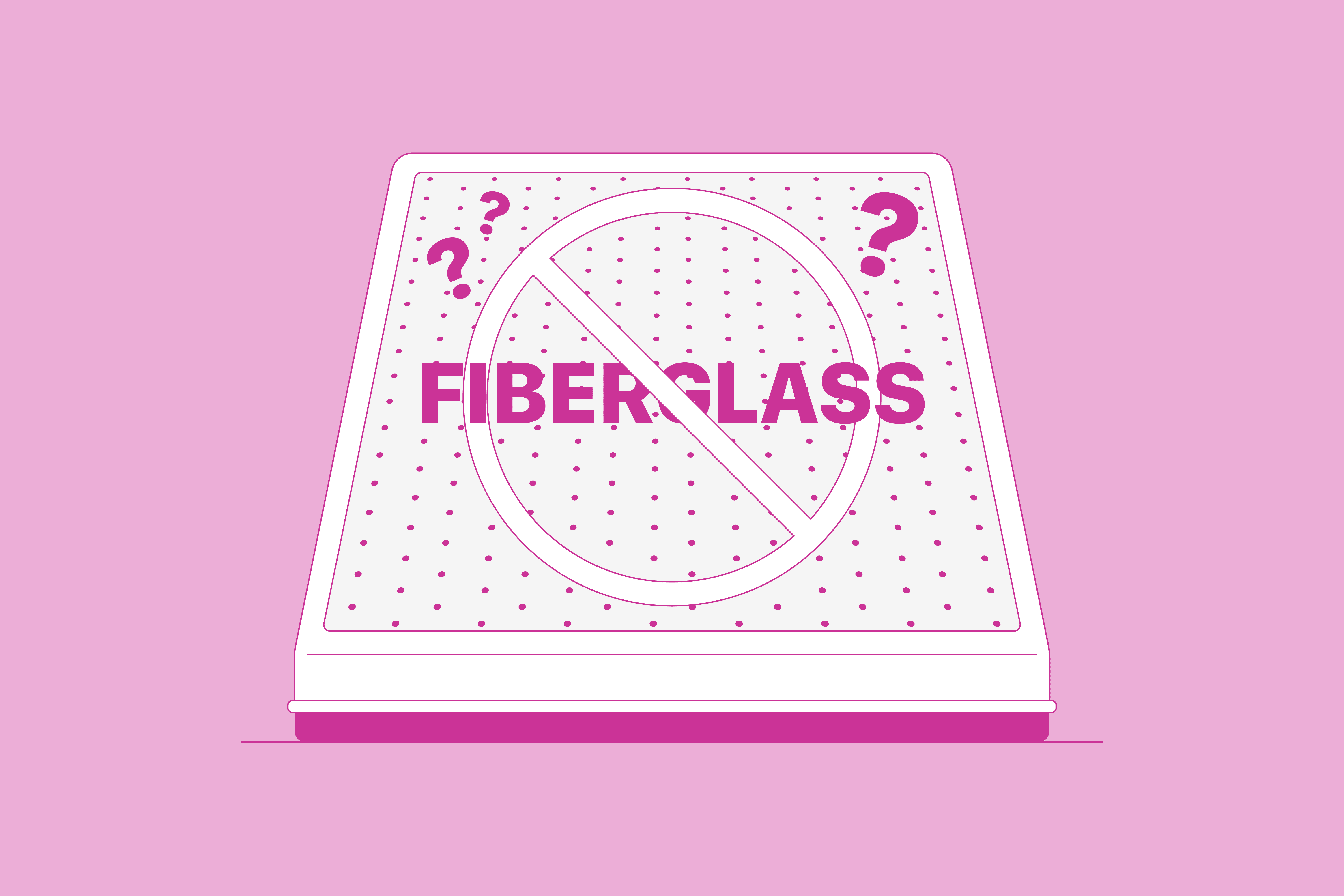
The catch: most Nectar models still contain a fiberglass fire-barrier sock under the outer zipper cover. Fiberglass is not chemically toxic, but it is a physical irritant. If the cover is unzipped or torn, glass fibers can spread through the home and cause skin, eye, and respiratory irritation that's painful and expensive to clean up. A 2026 class-action lawsuit alleges Nectar failed to warn buyers about this risk.
This guide walks through what's actually inside a Nectar mattress, what the certifications cover and miss, the fiberglass story, the legal and recall record, and how to use a Nectar (or shop around one) without putting your home at risk.
What's actually inside a Nectar mattress
Most Nectar models - Classic, Premier, Premier Copper, Luxe - are all-foam mattresses with a similar layer stack:
- Quilted polyester / poly-blend cover (zippered, removable on older models)
- Inner fire-barrier sock - fiberglass on most models, rayon/silica blend on newer ones
- Gel-infused memory foam comfort layer (CertiPUR-US)
- Transition / dynamic support foam (CertiPUR-US)
- High-density poly foam base (CertiPUR-US)
Hybrid versions add a pocketed coil layer between the transition foam and the base, but the fire-barrier construction is the same.
What CertiPUR-US actually certifies (and what it doesn't)
CertiPUR-US is the foam-industry program Nectar cites for safety. It's a real, third-party certification - but it only covers the polyurethane foam layers, not the cover, the fire barrier, or the adhesives.
Tested / restricted under CertiPUR-US:
- Ozone depleters (CFCs)
- PBDE, TDCPP, and TCEP flame retardants
- Mercury, lead, and other heavy metals
- Formaldehyde
- Phthalates regulated by the U.S. CPSC
- VOC emissions below 0.5 ppm
Not covered:
- The cover fabric and any dyes or finishes
- The fire-barrier sock - fiberglass, silica, rayon, or otherwise
- Adhesives between layers
- Off-gassing from the finished mattress as a whole
If you want a certification that covers the entire finished mattress - including the cover and barrier - look for GREENGUARD Gold or OEKO-TEX Standard 100 on the law label. Nectar does not currently carry GREENGUARD Gold across its main lineup.
The fiberglass story: why it's there and why people complain
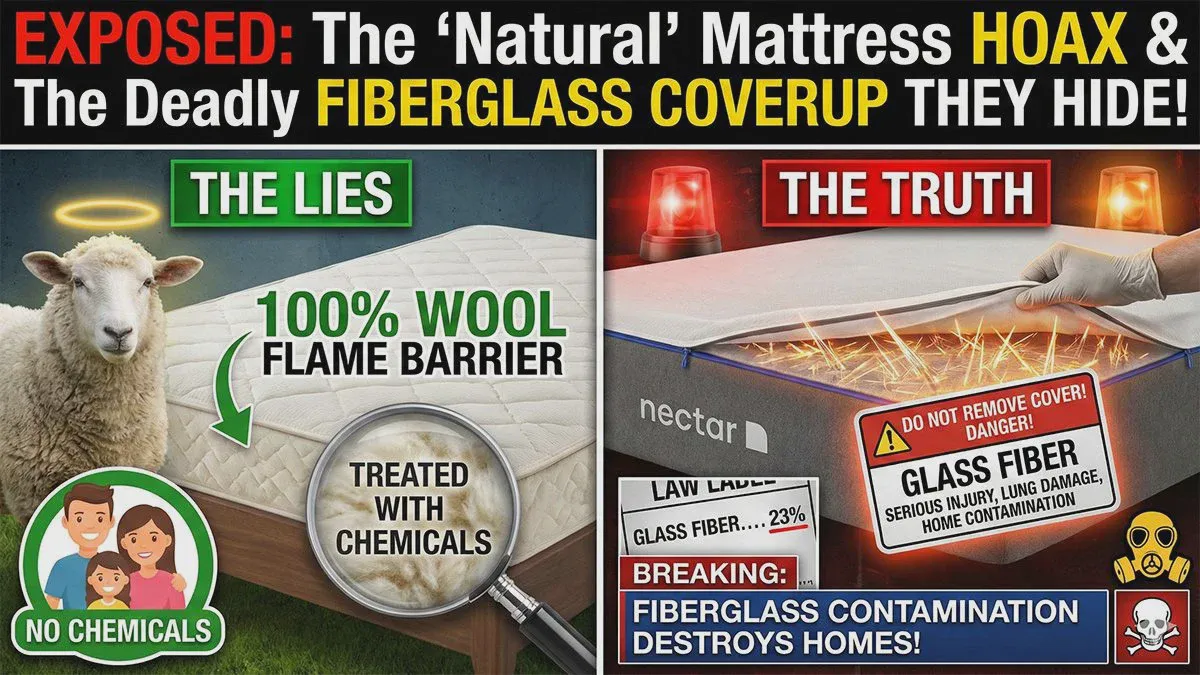
All mattresses sold in the U.S. must pass the federal open-flame test (16 CFR Part 1633). Manufacturers can pass it three ways: chemical flame retardants in the foam, a wool / silica fiber barrier, or a knit fiberglass sock. The fiberglass sock is by far the cheapest, which is why most budget and direct-to-consumer foam mattresses - Nectar, Zinus, Lucid, early Tuft & Needle, many Ashley imports - went that route.
Inside a sealed cover, the fiberglass sock is harmless. The problem is when the outer cover is removed:
- Owners often unzip the cover to wash it - the older Nectar covers were specifically designed to be removable, even though the warning label says not to.
- Once the cover is off, the fiberglass sock can shed microscopic glass fibers across the bedroom, into the HVAC, and onto soft furnishings.
- Cleanup is documented in dozens of CPSC and BBB complaints to range from $5,000 furniture replacement to whole-home remediation.
- Symptoms reported: skin itching and rash, eye irritation, sore throat, persistent cough.
Fiberglass is a physical irritant rather than a chemical toxin. The U.S. National Toxicology Program does not classify glass wool fibers as carcinogenic to humans, but agencies including the CDC do warn that inhaling or contacting loose fibers can cause irritation of the skin, eyes, and upper airways.
The active class action names Resident Home LLC alongside Ashley Global Retail LLC and Ashley Furniture Industries LLC as co-defendants, and explicitly covers the Nectar Classic, Nectar Premier, Nectar Luxe, and Nectar Ultra models - so the legal exposure is not limited to one product line or one corporate entity.
The 2026 class-action lawsuit and the 2024 recall
2026 class action: In April 2026 a class-action complaint was filed against Resident Home (Nectar's parent) alleging the company sold mattresses with fiberglass fire barriers without adequate disclosure, and that the warning label is not visible until after the mattress is unboxed. The complaint also points to Nectar's earlier track record: in 2019 the company denied that any of its mattresses contained fiberglass at all, and only acknowledged the material after a wave of consumer complaints. A widely-cited 2020 owner report described unzipping the cover to clean a spill and finding "our apartment is sparkly with fiberglass," ultimately requiring a HEPA-filter vacuum and non-permeable replacement covers to contain the contamination. The suit covers buyers across multiple U.S. states; it is in early procedural stages and Nectar denies the claims. Buyers who purchased a fiberglass-containing Nectar can monitor the docket at classaction.org.
CPSC recall (selected lots): In 2024 the CPSC issued a recall on certain Nectar Premier Mattresses - King size manufactured 9/24/2021 and Queen size manufactured 9/27/2021 - for failing the federal flammability test. If your serial-number sticker matches those production dates, contact Nectar customer support for a free replacement. The recall is unrelated to fiberglass exposure.
Which Nectar models still contain fiberglass?
Nectar has not published a model-by-model fiber-barrier list, but cross-referencing law labels reported by owners and Nectar customer service responses gives a workable picture as of the 2025 production runs:
- Nectar Classic - fiberglass sock confirmed on most law labels ("Glass Fiber 23%").
- Nectar Premier - fiberglass on older units, transitioning to rayon / silica on newer 2024+ runs.
- Nectar Premier Copper - same transition pattern; check the law label tag.
- Nectar Luxe (the new flagship) - marketed as fiberglass-free, uses a rayon-silica barrier.
- Nectar Kids - explicitly advertised 100% fiberglass-free.
- Nectar Hybrid models - fiberglass on most current production.
Bottom line: if the law label lists "Glass Fiber" by percentage, fiberglass is present. If you're buying new and want certainty, Nectar Luxe and Nectar Kids are the only models we'd buy without further questions.
How to use a Nectar mattress safely
- Never unzip the cover. The zipper is a manufacturing access point, not a wash-care feature, despite older marketing.
- Use a fitted, waterproof mattress protector. Wash the protector - not the cover.
- Don't let kids or pets puncture, bite, or jump aggressively on the mattress. A cut cover is the most common path to fiberglass exposure.
- If the cover does tear, stop using the mattress and contact Nectar - do not try to patch and continue.
- Vacuum and air out the mattress for 24-48 hours after unboxing to clear initial off-gassing from the foam, even though VOCs are below CertiPUR-US thresholds.
What to do if a Nectar cover has already been opened
- Stop sleeping on it immediately. Move pets and small children out of the room.
- Don't shake or beat the mattress - that releases more fibers. Wrap it in plastic and seal the seams with tape.
- HEPA-vacuum the room, then wet-mop hard floors. Wash all soft goods (sheets, curtains, throw pillows) on the hottest cycle they tolerate.
- Replace HVAC filters and run the system on "fan only" with windows open for several hours.
- Document everything (photos, receipts, medical visits). File a CPSC SaferProducts.gov report and contact Nectar customer service. If costs are significant, contact a consumer-protection attorney about joining the class action.
Fiberglass-free alternatives at Nectar's price point
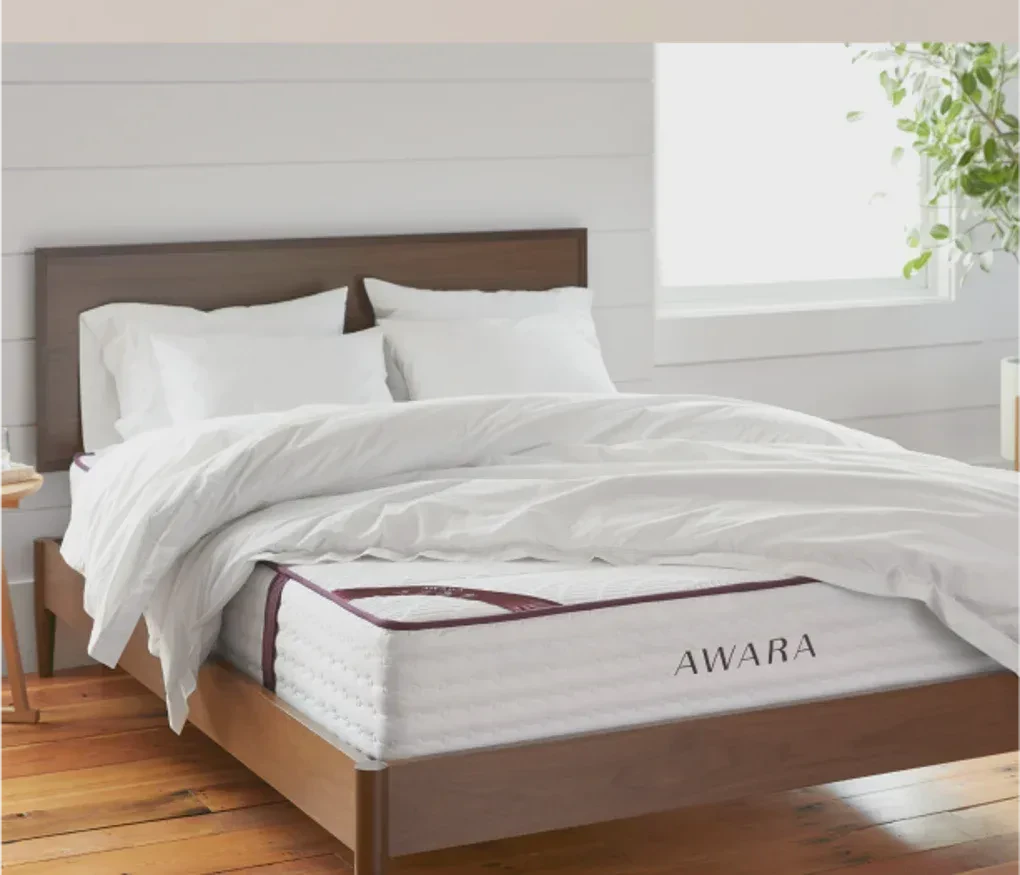
If the fiberglass risk is a deal-breaker but you want a similar all-foam feel under $1,200 for a queen, look at:
- Saatva Modern Foam - wool fire barrier, GREENGUARD Gold, U.S. assembled.
- Helix Midnight Luxe - uses a non-fiberglass blend, GREENGUARD Gold.
- Avocado Green - certified organic latex / wool / cotton, GOTS and GOLS, no fiberglass.
- Brentwood Home Cypress - wool barrier, GREENGUARD Gold.
- Nectar Luxe - if you want to stay in the brand, it's the cleanest current Nectar build.
FAQs
Are Nectar mattresses actually non-toxic?
Chemically, yes - the foam is CertiPUR-US certified to be free of the regulated chemicals most people worry about, and VOC emissions test below 0.5 ppm. Physically, most Nectar models still contain a fiberglass fire-barrier sock that can irritate skin and lungs if released, which is why we'd call them "low chemical risk, real physical risk if mishandled" rather than a clean non-toxic product.
Does Nectar still use fiberglass in 2026?
Yes, in most of the lineup. The Nectar Luxe and Nectar Kids are advertised as fiberglass-free; the Classic, Premier, and Hybrid lines still carry law labels that list "Glass Fiber" on most production runs we've sampled. Always check the white law-label tag on the side of the mattress before you cut the plastic.
Is Nectar GREENGUARD certified?
No, the main Nectar lineup is not GREENGUARD Gold certified. The brand relies on CertiPUR-US for the foam layers only. If GREENGUARD or OEKO-TEX Standard 100 matters to you, Saatva, Avocado, Helix Luxe, Brentwood Home, and Birch are stronger options.
Were any Nectar mattresses recalled?
Yes - a small CPSC recall covered Nectar Premier King units made on 9/24/2021 and Queen units made on 9/27/2021, for failing the federal open-flame test. Nectar replaced affected units. The recall did not involve fiberglass exposure.
Does a Nectar mattress have off-gassing?
Less than most foam mattresses, but not zero. Because the foam layers are CertiPUR-US certified, total VOC emissions test below the 0.5 ppm threshold and owner reviews - including hands-on reviewers who unboxed without complaint - generally report no strong "new mattress" odor on day one. We still recommend airing the mattress out for 24 to 48 hours in a ventilated room before putting on sheets, especially if anyone in the household has asthma or chemical sensitivities.
Can I wash the Nectar cover?
No. Even though older covers had a zipper, removing the cover for washing is the single biggest cause of fiberglass exposure complaints. Use a removable mattress protector and wash the protector instead.
The verdict
Nectar mattresses are not toxic in the chemical sense most shoppers worry about - the CertiPUR-US foam meets a credible third-party standard and VOC emissions are low. The real concern is the fiberglass fire barrier hidden under the cover on most models. Used as designed, with the cover sealed and a protector on top, a Nectar is safe to sleep on. Unzip the cover and you can turn a $900 mattress into a five-figure cleanup.
If that risk profile bothers you, spend the extra $100-$300 and step up to a wool or silica-barrier mattress with GREENGUARD Gold - Saatva, Avocado, Helix Luxe, or the Nectar Luxe inside the brand itself.