A memory foam mattress is only as good as the surface it sits on. If your bed sags between slats, your box spring is past its prime, or your platform frame has gaps wider than three inches, a sheet of plywood is the cheapest fix you can buy this weekend. It is also the fix most likely to void your warranty, trap moisture, and breed mildew if you do it wrong.
Below is the full picture: when plywood actually helps, the exact thickness and prep that matters, the airflow rules that protect the foam, and when a bunkie board (or simply tighter slats) is the smarter call.
Can You Put Plywood Under a Memory Foam Mattress?
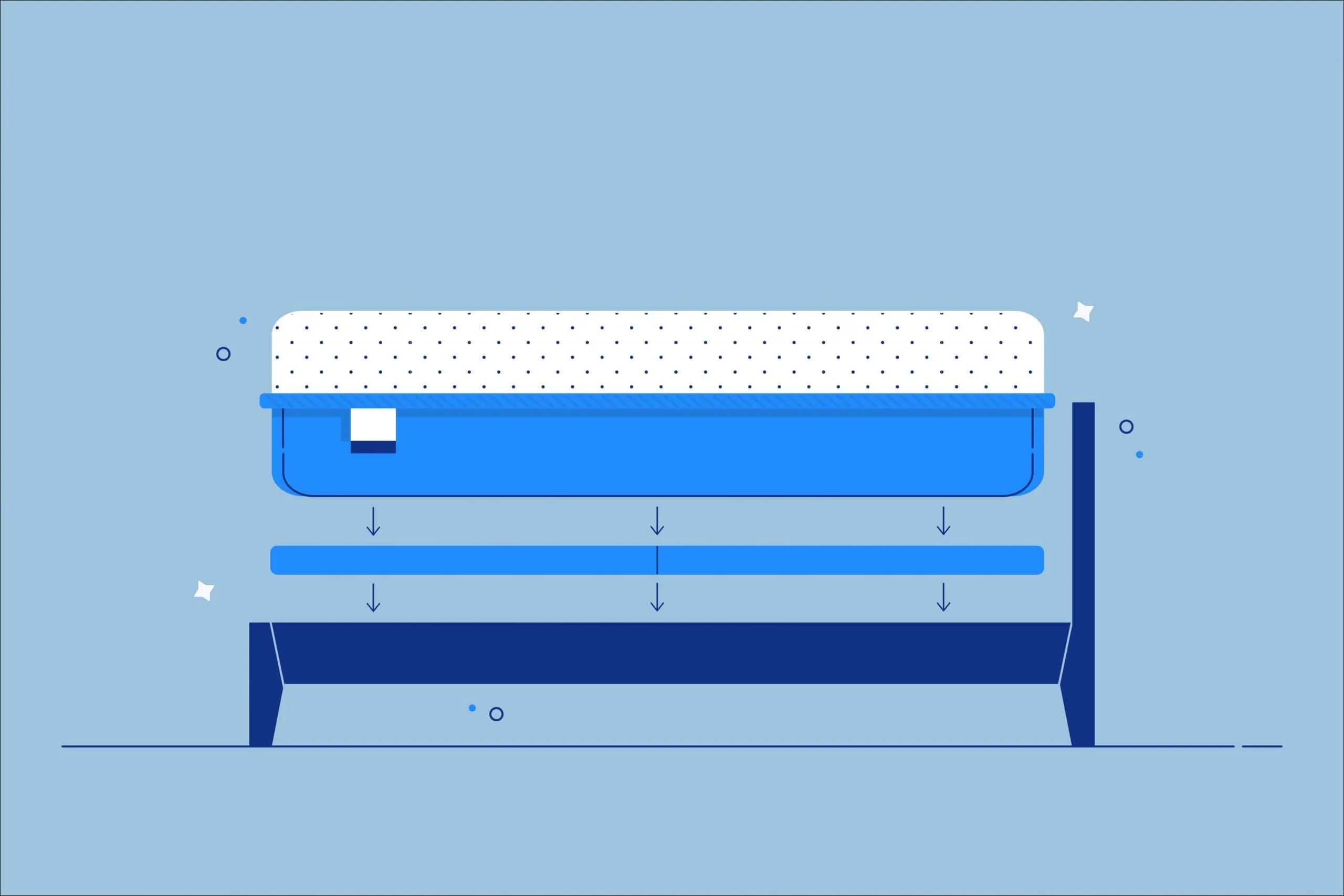
Yes. Plywood is one of the foundations every major memory foam brand will accept, alongside slatted bases with gaps under three inches, rigid foundations, and adjustable bases. The catch is that the manufacturer cares less about the wood and more about whether the surface it creates is flat, rigid, and continuous.
Memory foam is engineered to compress against a solid plane. When part of the foam dips into a gap, the cells in that zone fatigue faster than the rest of the slab, and you end up with a permanent body impression in months instead of years. Plywood eliminates the gap. That is the entire reason it works.
When Plywood Is the Right Fix
- Slats wider than 3 inches apart. Most foam-mattress warranties (Tempur-Pedic, Nectar, Purple, Saatva foam, Tuft & Needle) name this as the cutoff.
- An aging box spring. Coil springs flex with the foam and accelerate sag. A board converts a tired box spring into a flat platform without throwing it out.
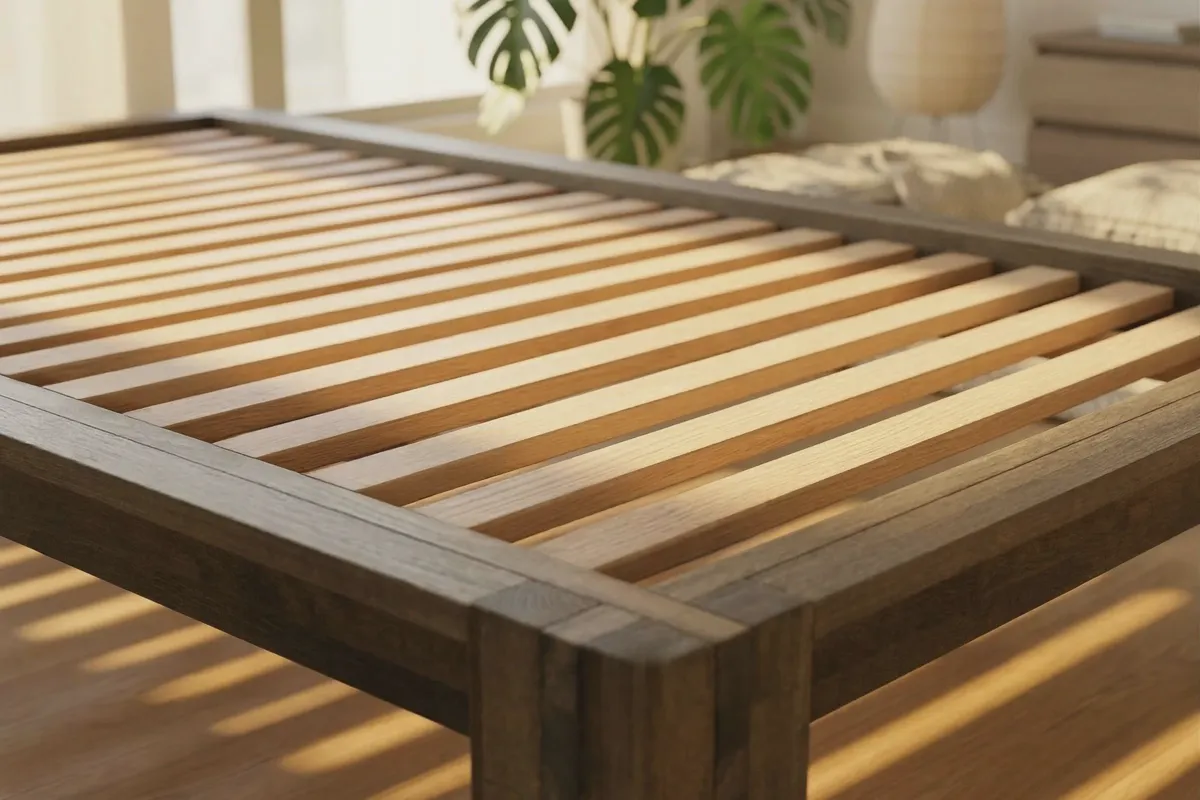
- A platform bed with thin or flexing slats. If you can press a slat down by hand, your mattress is doing the same thing every night.
- A new mattress on an old frame. Buying time before replacing the foundation is a legitimate use case.
When Plywood Is the Wrong Fix
- The mattress itself is sagging. Plywood props up the foundation, not the foam. Visible body impressions deeper than the warranty threshold (typically 0.75 to 1.5 inches) are a mattress defect, not a base defect.
- You sleep in a humid room. Solid plywood traps the half-pint of moisture an adult releases overnight unless you ventilate it (more on that below).
- Your warranty specifies a particular foundation. Some brands void coverage if you swap in unapproved support. Check first.
What Thickness of Plywood Should You Use?
The right thickness is the one that does not bow under a fully weighted mattress. For most adult sleepers, that lands at 3/4 inch (19 mm) sanded plywood. Thinner sheets bend and reintroduce the dip you are trying to fix; thicker sheets add weight without adding support.
- 1/2 inch (12 mm): Borderline. Acceptable only for twin or RV-sized beds with bracing every 12 inches.
- 3/4 inch (19 mm): The default. Holds queen and king mattresses with two adult sleepers without measurable deflection.
- 1 inch and up: Overkill. Adds 15 to 20 pounds of unnecessary weight and raises bed height in a way most users dislike.
Skip particle board, OSB, and MDF if you have a choice. Particle board crumbles under repeated load, OSB has a rough face that snags mattress fabric, and MDF swells the moment it meets moisture. Sanded birch or maple plywood is worth the few extra dollars.
How to Size and Cut It
- Measure the inside of the bed frame, not the mattress. You want the board to drop into the frame and rest on the rails or slats.
- Subtract 1/4 to 1/2 inch from both length and width. The gap makes the board easy to lift out and improves air movement.
- Have the hardware store cut it for you. Most stores will do this free or for a few dollars. A circular saw at home works, but the store cut is straighter.
- Sand every edge and corner with 120-grit paper, then 220-grit. Run an old pillowcase along the edges; if it snags, keep sanding.
Airflow: The Step Most People Skip
An adult sweats out roughly half a pint of moisture during a normal night. Memory foam absorbs some of that vapor; the rest escapes downward through the base. Solid plywood blocks that escape route, which is why plywood-on-foam beds are the most common source of mildew calls to mattress warranty lines.
Three fixes work, in increasing order of effort:
- Drill a 1-inch hole every 6 inches in a grid pattern. On a queen-size board this is roughly 60 holes, 20 minutes of work with a paddle bit. The board still feels solid and the foam now has somewhere to vent.
- Add a moisture barrier or hypervent pad. A 0.5-inch polyester ventilation pad sold by mattress retailers (search for hypervent or 3D mesh underlay) sits between the plywood and the mattress and creates a continuous airflow channel.
- Lift the board off the frame. Two thin furring strips run lengthwise under the plywood create a 1-inch air gap above the slats. This is the approach RV and tiny-house sleepers use because it solves moisture without holes.
If you live in a humid climate, run a bedroom dehumidifier or strip the bed weekly to let the foam breathe. The combination of plywood plus closed bedding plus a humid room is what produces the black-spot photos that go viral on r/Mattress every summer.
Plywood vs. Bunkie Board vs. Foundation
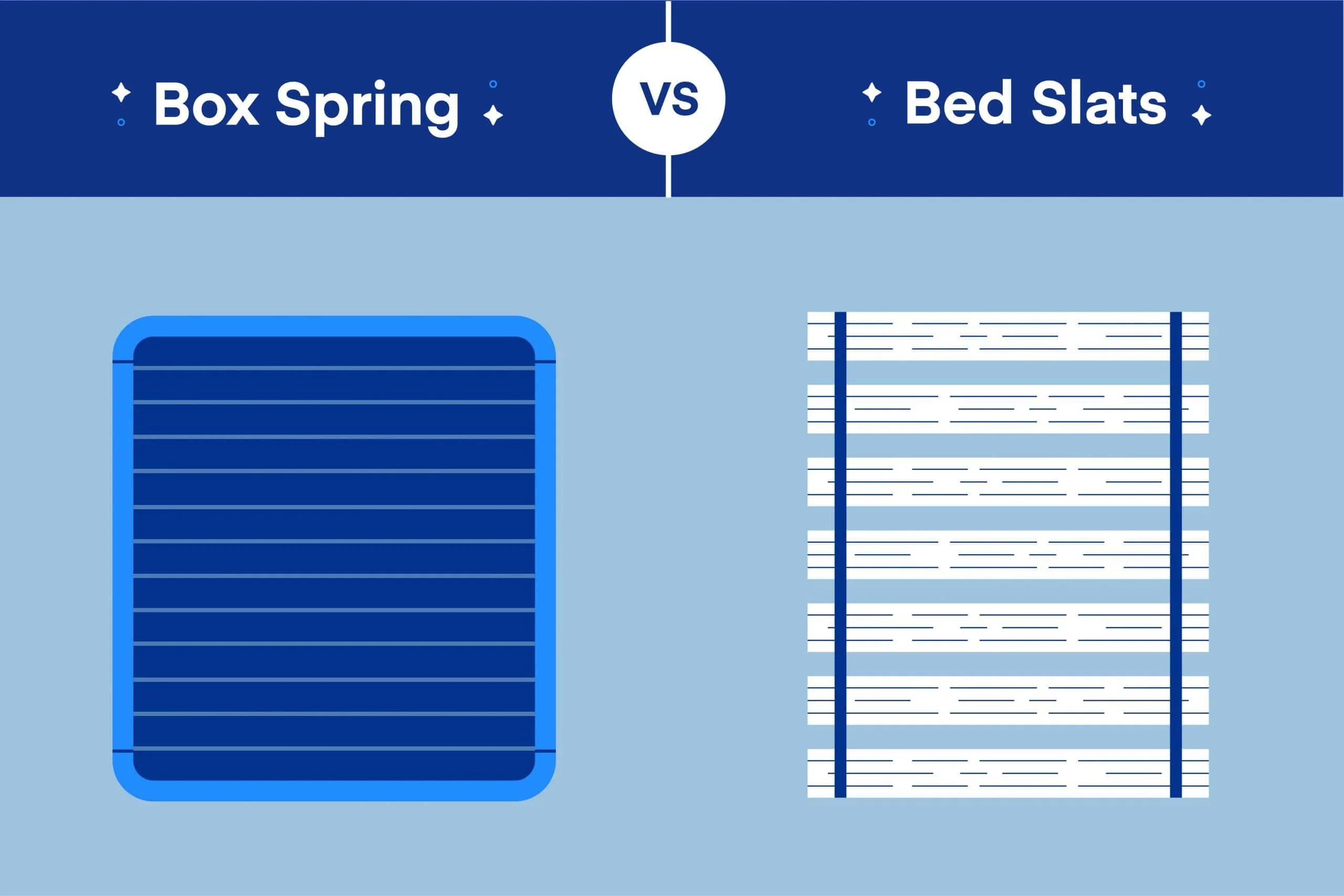
Plywood is one of three reasonable ways to put a flat surface under a foam mattress. The right pick depends on budget, how much DIY you want to do, and whether you care about the bed's height.
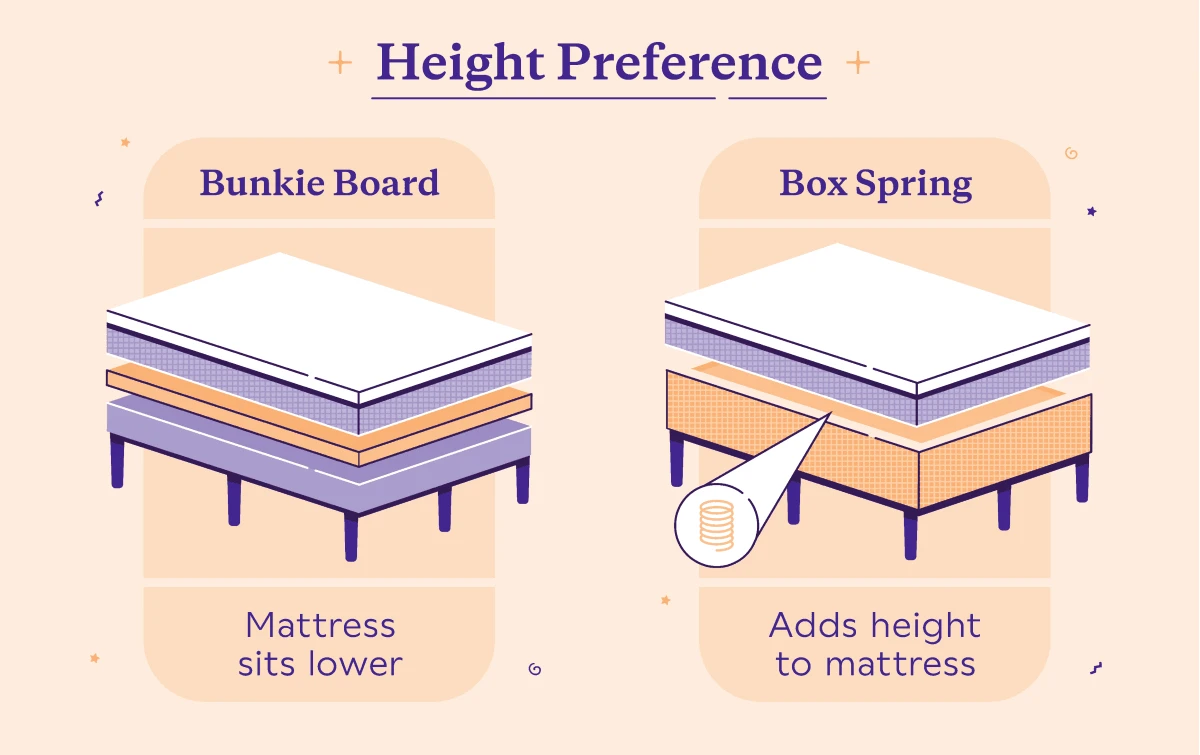
Plywood: Cheapest option, around $40 to $70 for a queen-sized 3/4-inch sheet. Maximum support, but you do the cutting, sanding, and ventilation work yourself. Adds about 3/4 inch of bed height.
Bunkie board: $80 to $160 depending on size. A 1.5 to 3 inch fabric-wrapped panel, often with internal slats. No prep, no splinters, ventilation already engineered in. Adds roughly the same height as plywood but looks finished if your frame has gaps you can see.
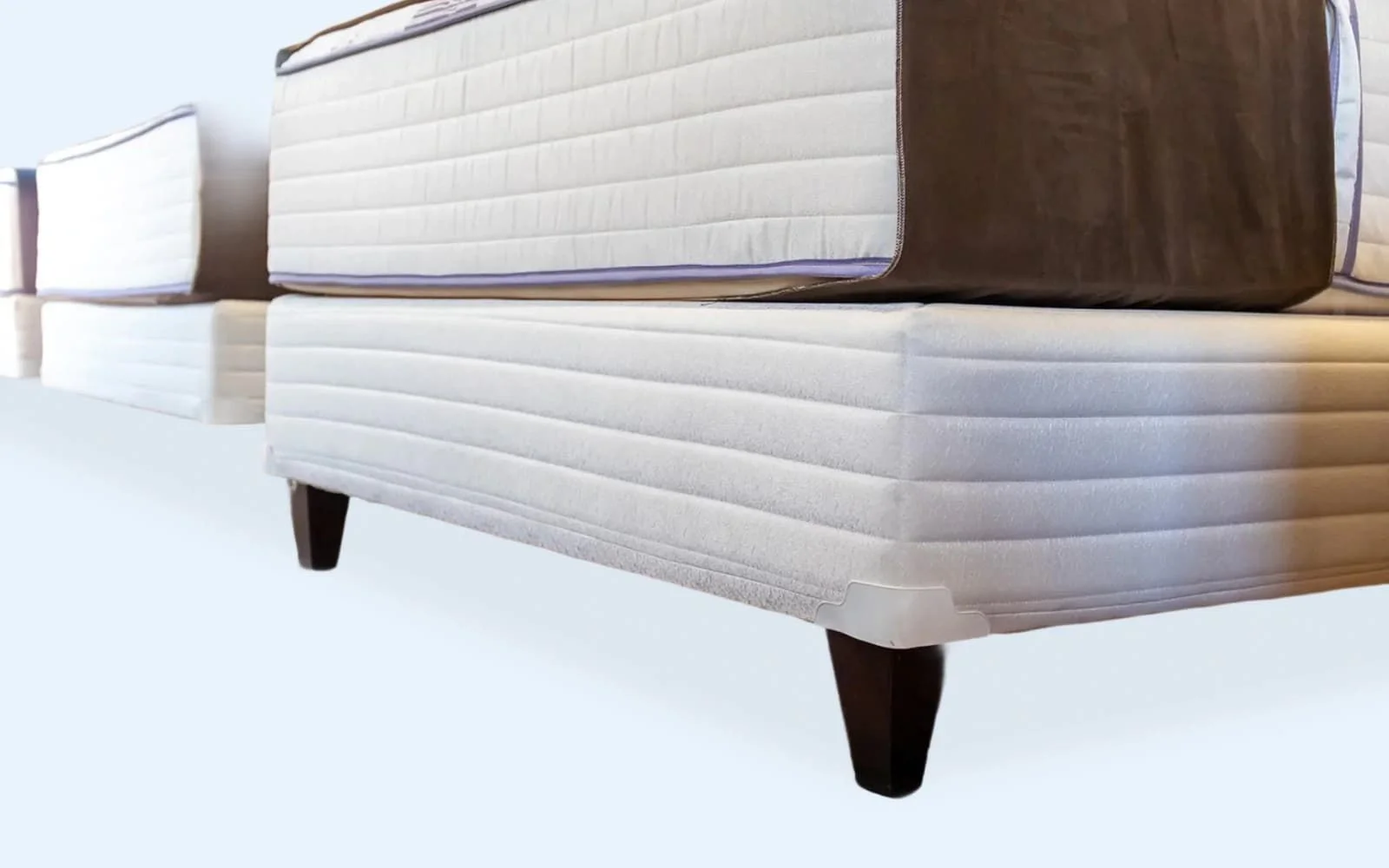
Rigid foundation (often sold as a low-profile box spring): $150 to $300. A wood frame wrapped in fabric, 4 to 9 inches tall. The right choice if your mattress is sitting on the floor or a frame designed for a foundation.
If you already own a platform bed with slats less than 3 inches apart, you do not need any of the three. Tighten or replace the slats and you are done.
Will Plywood Void My Memory Foam Warranty?
It can. The brands we have audited fall into three camps:
- Plywood explicitly accepted: Nectar, DreamCloud, Layla, Tuft & Needle. They specify any flat, solid surface or slats less than 3 inches apart.
- Plywood accepted with conditions: Tempur-Pedic and Saatva foam models accept plywood but require it on a structurally sound frame. They will not honor warranty claims if the wood is unsanded and tears the cover.
- Foundation-specific: Some Purple and Casper warranties require their branded base or a slatted foundation matching their slat spec. Read the fine print before you cut anything.
When in doubt, photograph the setup before your first night on the bed. Warranty adjusters care about whether the foundation was rigid and continuous, and a date-stamped photo of clean, sanded plywood ends most disputes quickly.
Plywood Under Memory Foam: Frequently Asked Questions
What thickness of plywood should I use under a memory foam mattress?
Use 3/4-inch (19 mm) sanded plywood for queen and king mattresses. 1/2-inch is acceptable only for twin and RV-sized beds. Anything thinner will bow under the mattress and reintroduce the dip you are trying to fix; anything thicker just adds weight and bed height.
Will plywood under my mattress cause mold?
It can if you do not ventilate. Memory foam needs somewhere to release the half-pint of moisture an adult exhales overnight, and solid plywood blocks that path. Drill a grid of 1-inch ventilation holes, add a hypervent moisture pad between the wood and the mattress, or lift the plywood off the frame with two thin furring strips to create an air gap.
Does plywood make a memory foam mattress feel firmer?
Slightly. Plywood does not change the firmness of the foam itself, but it removes any give from sagging slats or a tired box spring, which makes the bed feel more supportive and uniformly firm than it did before. If your foam is already broken down, plywood will not bring back the original feel.
Is a bunkie board better than plywood under memory foam?
Bunkie boards trade money for convenience. You get the same flat support, but with no cutting, no sanding, built-in fabric protection, and ventilation engineered in. If you want a weekend DIY and the cheapest fix, choose plywood. If you want to install it in 90 seconds and forget it, choose a bunkie board.
Can I put plywood directly on the floor and skip the bed frame?
You can, but airflow gets worse, not better. A board on carpet or a closed floor traps every bit of moisture the mattress sheds. If you must, set the plywood on 2x4 risers to lift it off the floor by at least 3 inches and add ventilation holes.
Will using plywood void my mattress warranty?
Most foam brands accept plywood as long as the surface is flat, sanded, and sits on a structurally sound frame. A handful of brands require a specific branded foundation. Always check your warranty before cutting, and keep a date-stamped photo of the setup in case you ever file a claim.
The Short Version
Plywood is the cheapest, most reliable way to give a memory foam mattress the flat surface it was designed for. Use 3/4-inch sanded plywood, cut it 1/4 inch smaller than the inside of the frame on each side, sand every edge, and drill a grid of 1-inch holes for airflow. If any of those steps sounds like more than you want to do, buy a bunkie board instead. Either way, the result is the same: foam that lasts as long as the warranty promises, on a base that does not fight it.