Disclosure: Banner Mattress is reader-supported. We may earn a commission from links to retailers, but our editorial recommendations come from hands-on testing in our review lab - never from vendor talking points.
Walk into most Goodwill stores in 2026 and you will not find a used mattress for sale. National Goodwill chapters and the regional networks that supply them have phased out used mattress and box-spring resale almost entirely, citing bed-bug risk and the cost of state-mandated sanitation. Tom's Guide reports that Goodwill "does not currently accept" mattresses, box springs, or bed frames "for sanitary reasons." Some chapters do, however, sell new sealed mattresses-in-a-box alongside donated furniture.
So the honest answer to "is it safe to buy a mattress from Goodwill?" depends entirely on which kind of mattress is on the floor that day. Below is what to expect, what each option means for your health and wallet, and how to inspect any secondhand mattress (Goodwill or otherwise) before you take it home.
Does Goodwill actually sell mattresses?
Goodwill is a federation of independent regional chapters, so policies vary store-to-store. The dominant pattern across the network in 2026 is:
- Used mattresses, box springs, and bed frames - not accepted as donations and not resold. MERS Goodwill, DC Goodwill, and most other chapters list mattresses on their "cannot accept" pages.
- New, factory-sealed mattresses in a box - sometimes sold. A handful of chapters partner with manufacturers or accept overstock and resell at discount. These are unused inventory in original packaging.
- A small number of stores in states where used-mattress resale is legal still sell secondhand units. This is the exception, not the rule.
If you see a mattress at your local Goodwill, ask staff directly: "Is this new in the package, or used?" That single question resolves most of the safety calculus.
Buying a new sealed mattress at Goodwill
This is the lower-risk path. A factory-sealed mattress in original packaging carries the same baseline safety profile as buying it new from any other discount retailer. What you give up is the trial period, white-glove delivery, and warranty registration that direct-to-consumer brands include - Goodwill is a final-sale environment.
A few things to verify before paying:
- Original manufacturer packaging is intact. No tears, no resealed plastic, no missing law tag.
- Law tag is present and reads "all new materials." Federal labeling rules require this on any new mattress sold in the US; if the tag has been altered or is missing, the mattress is not legally being sold as new.
- Model and size match the label. Cross-reference the brand's website. Goodwill does not authenticate inventory.
- Return policy. Most Goodwill stores exclude mattresses from returns even when they offer store credit on other items. Treat the purchase as final.
For typical buyers, a sealed mattress at a sharply reduced price is a reasonable buy. For anyone with chronic back pain, allergies, or specific firmness needs, the lack of a trial period is the bigger constraint than the store of origin.
Buying a used mattress from any thrift store
If the mattress is used - at Goodwill, a Salvation Army, a Habitat ReStore, or a local consignment shop - the safety question gets sharper. Two risks dominate:
Bed bugs
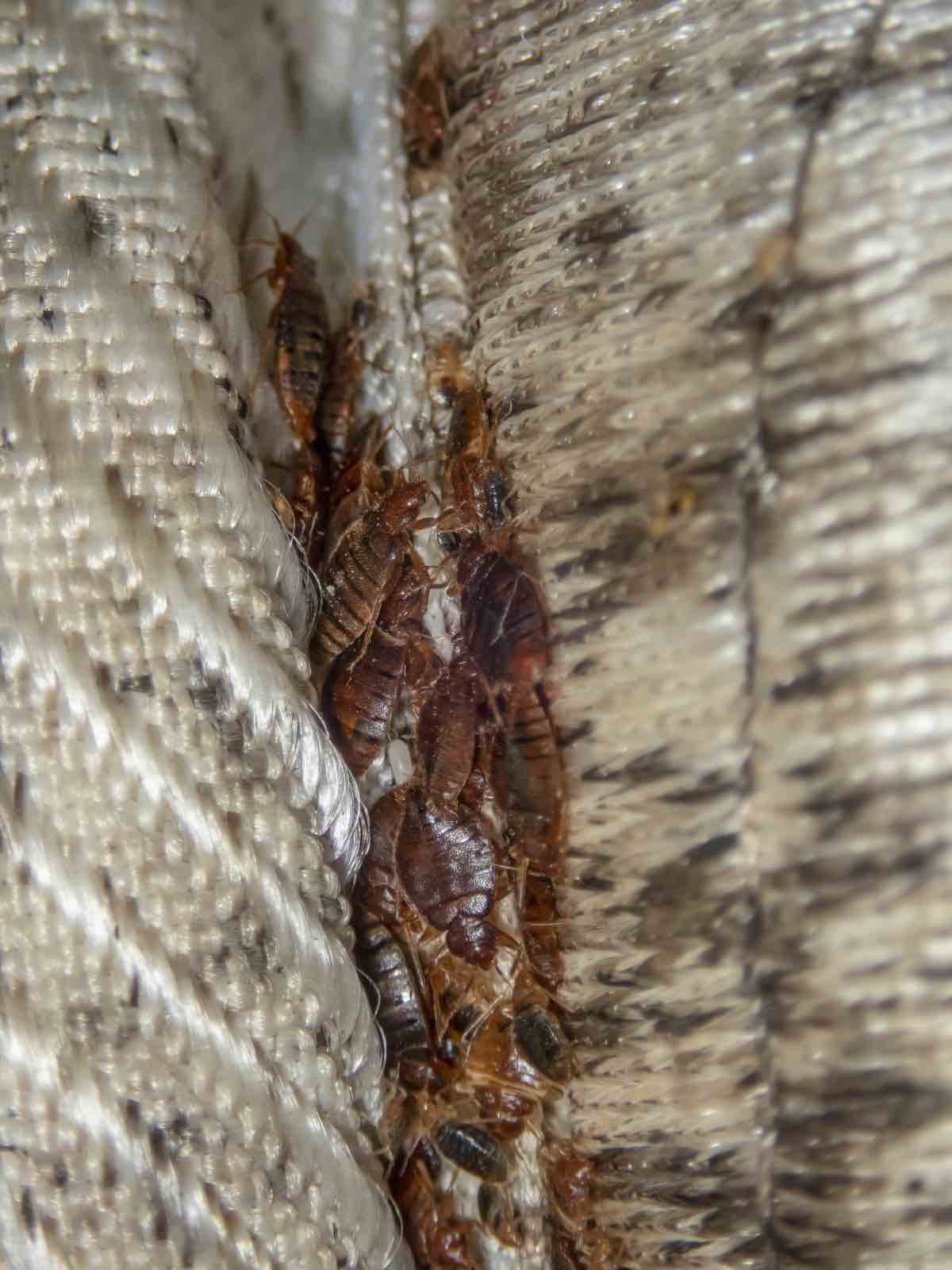
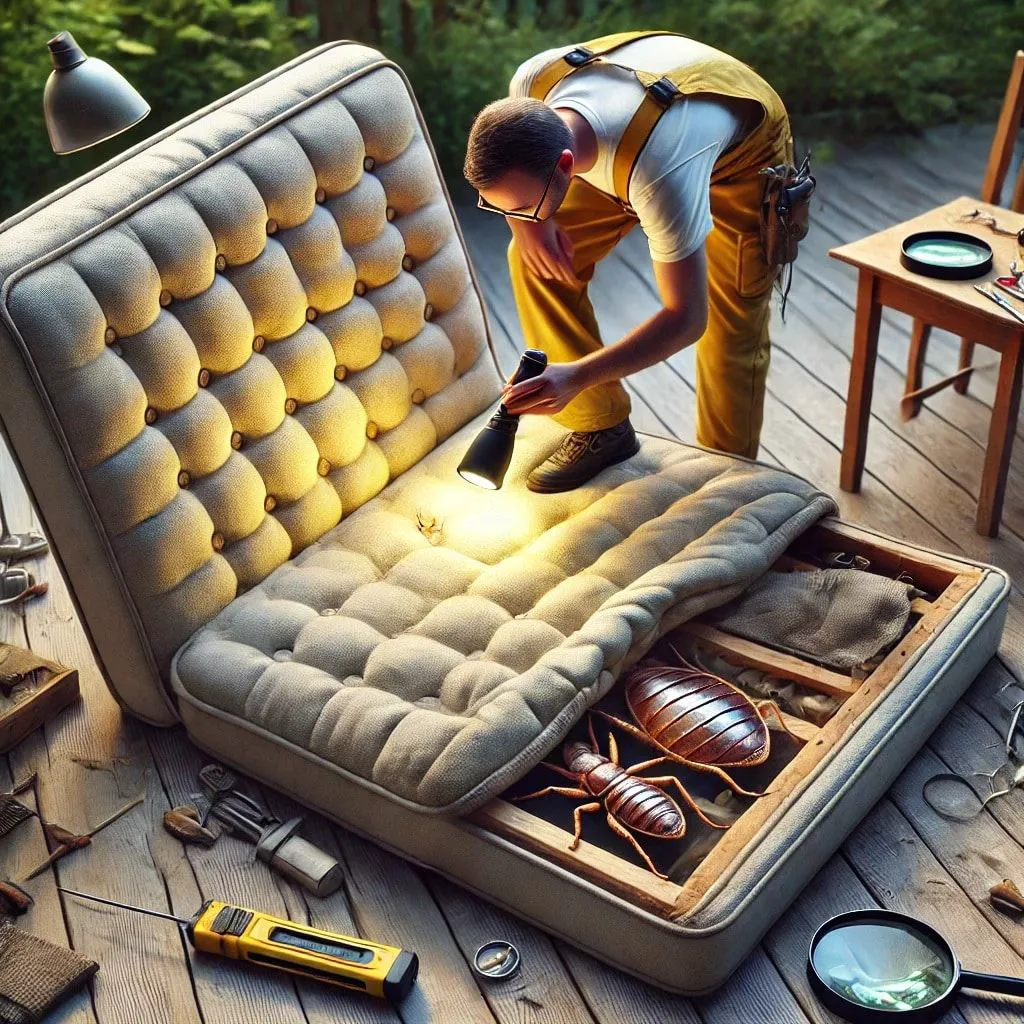
Used mattresses are the single highest-risk thrift category for bed-bug transmission. Eggs and nymphs hide in seams, tufting, and the underside of the box spring. They are visible to the naked eye but easy to miss without a flashlight and a slow inspection. A reputable answer to a People Also Ask query on this topic: "We recommend never buying or accepting a used mattress donation. If you are set on getting a used mattress, hire a company to inspect it before bringing it into your home."
State law and sanitation
US states regulate used-mattress resale unevenly. Some states (including parts of California and Massachusetts) require any second-hand mattress to be cleaned, deodorized, germicidally treated, and labeled with a yellow "used" tag before resale. Other states ban the practice entirely. If the mattress on the floor has no yellow tag and no sanitation paperwork, the seller is likely not in compliance - that's a red flag regardless of price.
How to inspect a used mattress before buying
If you are determined to buy secondhand, work through this checklist in person. Do not buy a used mattress sight-unseen.
Bed-bug check (do this first)
- Bring a bright flashlight. Phone torches are not enough for tufting.
- Pull back any cover and inspect every seam, button, and label.
- Look for live insects, dark fecal spots, blood smears, shed skins, and pearl-white eggs about the size of a poppy seed.
- Check the underside, the corners, and the boxed spring if one comes with it.
- If you see anything ambiguous, walk away. A mattress is not worth a months-long bed-bug remediation.
Stain and odor check
- Visible biological stains (blood, urine, sweat rings) cannot be reliably sanitized in foam or pillow-top layers.
- Smell the mattress at multiple points - mildew, smoke, and pet odors are not removable.
Structural check
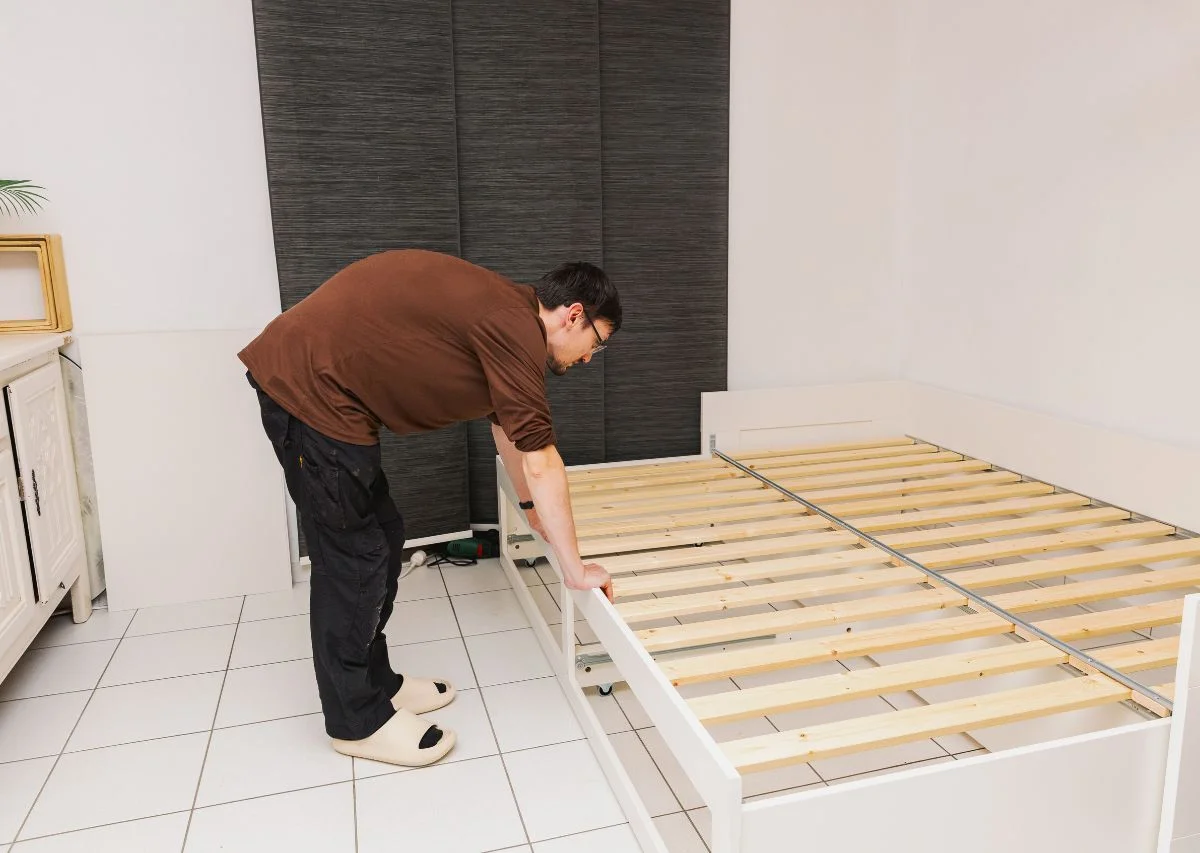
- Press down on each side and along the edges. Body impressions deeper than one and a half inches mean the support layer is shot.
- For innersprings, listen for squeaks and feel for broken or rusted coils.
- Check that the mattress holds its shape when you push and release. A mattress that stays compressed has lost foam resilience.
Provenance questions
Ask the seller (or the donating party, if you can):
- How old is the mattress?
- How many people slept on it, and for how long?
- Has it been exposed to bed bugs, smoke, flooding, or pets?
- Has it been professionally cleaned? Is there documentation?
If the answers are vague, treat the mattress as higher-risk.
When buying new is the better call
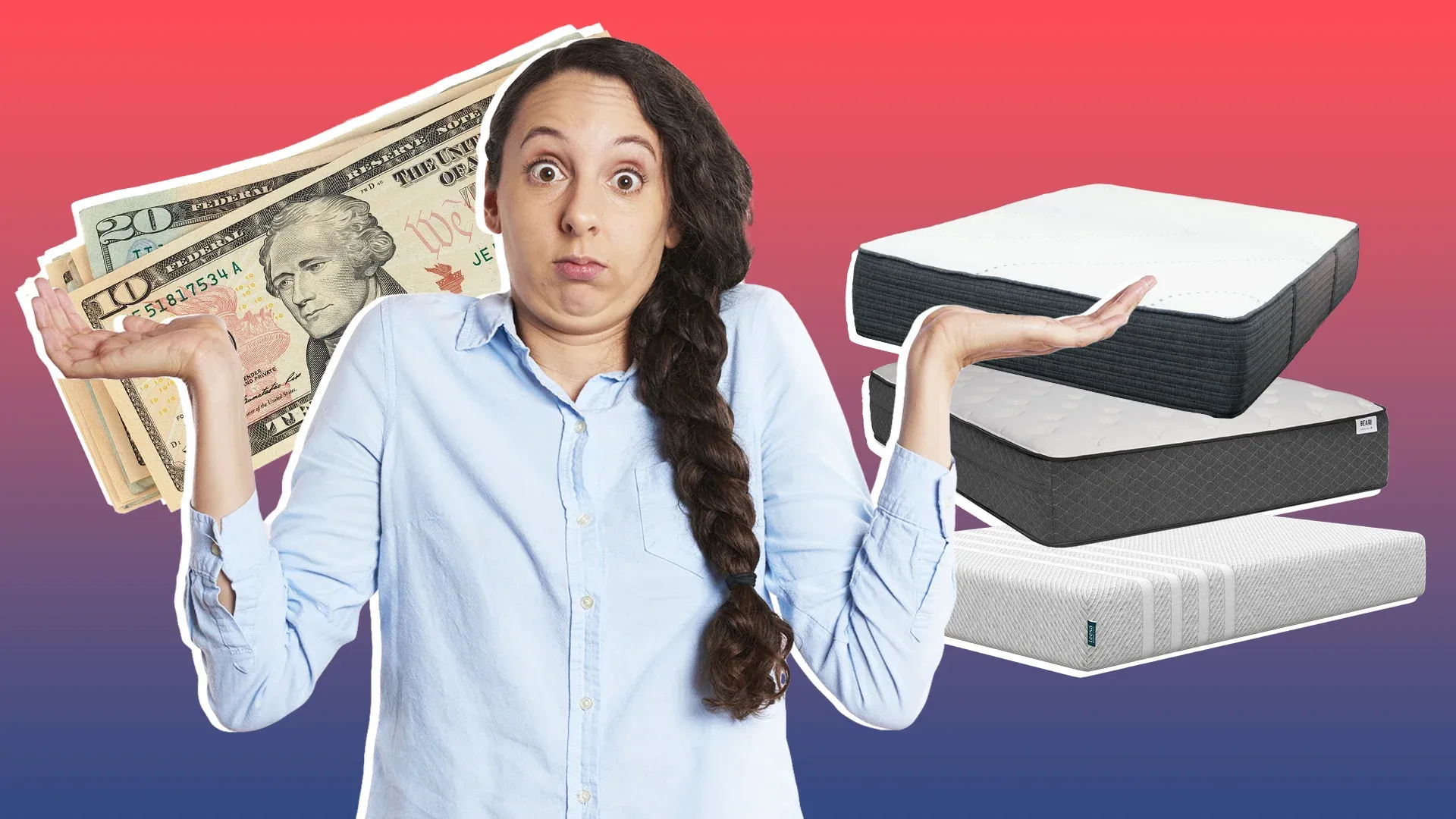
A used mattress at Goodwill prices typically saves $50 to $200 over the cheapest new mattress-in-a-box. That gap has narrowed significantly as budget hybrid and foam mattresses have become widely available online for under $300 in queen size.
For most shoppers, a new entry-level mattress with a trial period and warranty is the better trade. The savings on a used mattress evaporate quickly if you end up with bed bugs, a sagging core that wrecks your back, or an allergen load you cannot wash out.
If budget is the primary constraint, two paths beat the thrift route:
- Sealed overstock or open-box mattresses at warehouse retailers carry the same protections as fully-new units and often clear at 30-50% off MSRP.
- Online budget brands (Zinus, Molblly, Novilla, and similar) regularly run sub-$300 queens with 100-night trials and 10-year warranties.
For our team's current picks at the budget end, see Best Mattresses Under $300 and the round-ups linked from the Banner mattress guides hub.
Bottom line
Buying a sealed, new mattress from Goodwill is reasonably safe and can be a real bargain - verify packaging and law tag, accept that returns are unlikely, and you have made a fine call. Buying a used mattress from Goodwill (or any thrift outlet) is a higher-risk decision that requires a hands-on inspection, an honest conversation with the seller, and a tolerance for the possibility that you will need to sanitize or replace the bed within a year. Most chapters do not even sell used mattresses anymore, so the question often resolves itself at the store.
When in doubt, the cheapest new mattress from a reputable budget brand is almost always the safer call than the cheapest used mattress from anywhere.
Goodwill mattress FAQ
Does Goodwill sell used mattresses?
Most Goodwill chapters no longer accept or resell used mattresses, box springs, or bed frames. The policy is sanitation-driven: bed-bug risk and the cost of state-mandated cleaning have made resale impractical for most stores. A small number of chapters in states where used resale is legal may still stock secondhand units, but it is the exception in 2026.
Are the mattresses at Goodwill new or used?
When you do see a mattress at Goodwill, it is most often new and factory-sealed in original packaging - overstock or manufacturer-discounted inventory the chapter resells at a discount. Ask staff to confirm whether a specific unit is new or used before buying.
Can I return a mattress to Goodwill?
No. Most Goodwill chapters exclude mattresses from any return or store-credit policy, even when other items are returnable within 30 days. Treat any mattress purchase as final sale.
Is it safe to buy a used mattress at all?
It can be, but used mattresses are the highest-risk thrift category for bed bugs. If you buy used, inspect every seam in person with a flashlight, ask the seller about pets, smoke, and pest history, and budget for professional cleaning. For most shoppers, a new budget mattress with a trial period is the safer trade-off.
What should I look for on a used mattress before buying?
Check seams and tufting for live bed bugs, fecal spots, and pearl-white eggs the size of a poppy seed. Look for biological stains, mildew or smoke odors, body impressions deeper than 1.5 inches, and broken or rusted coils on innerspring units. If anything is ambiguous, walk away.
Looking for a budget mattress that beats secondhand?
Browse our editor-tested budget picks - most ship in a box for under $300 with a 100-night trial and a real warranty.