Short answer: Serta says its current mattress catalog is fiberglass-free, including the flagship Perfect Sleeper X line. But Serta has been making mattresses for over 90 years, and older models built before roughly 2020 can still contain a glass-fiber fire barrier hidden under the cover. The only way to be certain about your specific mattress is to read the law tag and cross-reference the model number with Serta support.
This guide walks through what Serta has confirmed in writing, how to check your own bed, and what to do if you find fiberglass.
What Serta says officially
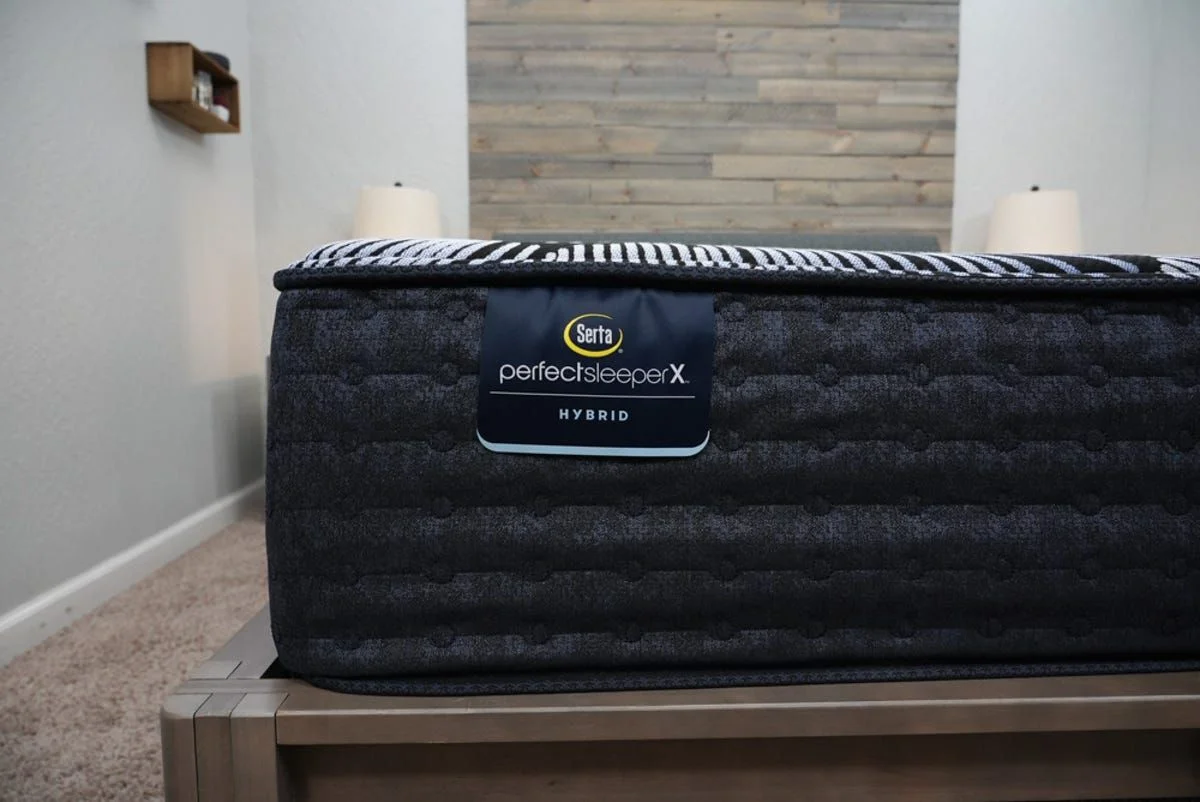
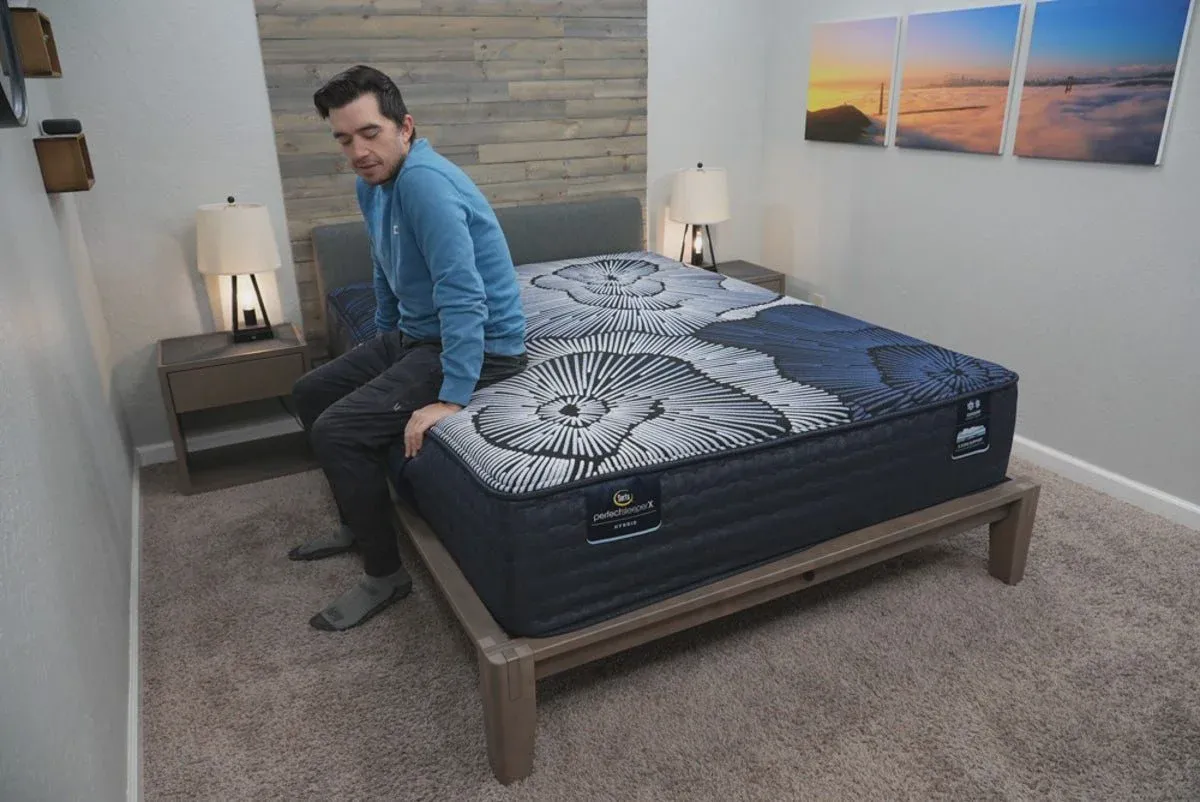
In an October 2024 update to its help center, Serta states plainly that the Perfect Sleeper X mattress does not contain any fiberglass. Customer-service replies on Serta.com product pages (Five Star, Sleep Dreams) and on Best Buy and Amazon listings echo the same line for current SKUs: "Our current Serta catalog does not contain fiberglass."
Serta meets US flammability standards (16 CFR 1633) using a proprietary FireBlocker layer described as a blend of natural and synthetic fibers - typically rayon, silica, and polyester - woven into a sock that sits beneath the quilted cover. That sock does the same job a fiberglass barrier would, without the loose-fiber hazard.
Which Serta models are fiberglass-free?
Based on Serta's published statements and current product pages as of 2026, the following lines are fiberglass-free:
- Perfect Sleeper X (2024 redesign and later) - confirmed by Serta help center.
- Perfect Sleeper Pro - confirmed via Serta customer service replies.
- iComfortPRO hybrid and foam - confirmed via retailer Q&A.
- Serta Five Star mattresses - confirmed on Serta.com product pages.
- Serta Sleep Dreams / Sheep Dreams memory foam - confirmed on Best Buy listings.
- Arctic and iSeries Hybrid current models - listed by Idler's Home and Mattress Reviews as fiberglass-free.
If your model is not on this list, do not assume either way. Serta has discontinued and rebranded dozens of SKUs over the past decade, and a name like "Perfect Sleeper" has covered both fiberglass and non-fiberglass beds at different times.
Older Serta mattresses and fiberglass
For mattresses bought before roughly 2020, especially budget memory-foam SKUs sold through warehouse clubs and Amazon, fiberglass was a common, cheap fire-barrier solution across the industry. Serta itself never advertised fiberglass in marketing copy, but the law tag is the source of truth - federal regulation requires the materials list to be accurate.
Look for any of these terms on the law tag:
- Glass fiber
- Fiberglass
- Glass wool
- Resin fiber (sometimes used as a euphemism)
A Quora discussion that surfaces frequently in search references a Serta tag listing "68% resin fiber, 32% polyester fiber." Resin fiber is not a regulated synonym for fiberglass - it most often refers to polyester or modacrylic - but the ambiguity is exactly why the model-number check matters.
How to check your specific Serta mattress
- Find the law tag. It is the white sewn-in label on the long side of the mattress, usually near the foot. Do not remove it - federal law allows the consumer to remove it, but you will need it for any warranty claim.
- Read the materials list. Look for the terms above. If the tag lists "glass fiber" anywhere, your mattress contains fiberglass.
- Note the model number and manufacture date. Both are printed on the same tag.
- Contact Serta support at 1-877-737-8225 or via the help center contact form with the model number. Serta will confirm whether that specific build used a glass-fiber barrier.
- Skip the cover removal. Serta's official guidance is to never unzip the mattress cover. On older fiberglass models, the cover is what contains the loose fibers; once unzipped, fibers escape into your bedroom and HVAC system.
If you bought your Serta within the last two years from a major retailer, the odds it contains fiberglass are low. If it is older or was a closeout SKU, verify.
What if my Serta mattress does have fiberglass?
The danger is not the fiberglass itself sitting inside a sealed cover - it is the fiber release that happens when the cover is removed, torn, or worn through. If your law tag lists glass fiber and the cover is intact, you can keep using the mattress safely. Just never unzip it, and replace it before the cover frays.
If the cover has already been opened or damaged:
- Stop sleeping on it. Move to another bed.
- Bag the mattress in heavy plastic (a mattress disposal bag from a hardware store) and seal the seams with tape.
- Vacuum the room with a HEPA vacuum, including baseboards, curtains, and HVAC vents. A standard vacuum will recirculate the fibers.
- Wash all bedding that touched the mattress on hot, separately from other laundry.
- Document everything with photos and the law tag before disposal - you will need it for any warranty or class-action claim.
Serta's standard warranty does not cover "normal wear," but a fiberglass release from a defective cover is a different conversation. Call Serta support before disposing of the mattress.
Serta vs other brands on fiberglass
The broader mattress industry is moving away from fiberglass, but adoption is uneven:
- Saatva, Avocado, Birch, Naturepedic - fiberglass-free across the entire lineup, certified.
- Tempur-Pedic, Beautyrest, Sealy - current lines are fiberglass-free, but older budget SKUs may contain it.
- Zinus, Linenspa, generic Amazon brands - mixed; check each SKU individually. Several Zinus models still ship with fiberglass barriers as of 2026.
- Serta - current catalog fiberglass-free; older budget SKUs (pre-2020) may contain it.
If fiberglass-free is non-negotiable, look for explicit marketing language on the product page or a CertiPUR-US plus GREENGUARD Gold combination. CertiPUR-US alone certifies the foam, not the fire barrier.
Bottom line
If you are shopping a new Serta in 2026, you are buying a fiberglass-free mattress - that includes Perfect Sleeper X, Perfect Sleeper Pro, iComfortPRO, Five Star, Sleep Dreams, and the current Arctic and iSeries hybrids. If you already own an older Serta, the law tag is the only authoritative source. Read it, note the model number, and call Serta support if anything on the tag mentions glass fiber. And whatever the verdict, do not unzip the cover.
Shopping a fiberglass-free mattress?
Browse our hands-on reviews of Serta, Saatva, Helix, and other current fiberglass-free lines.