Affiliate disclosure: Banner Mattress is reader-supported. When you buy through links on this page we may earn a small commission. Our reviews are independent - no brand pays for placement.
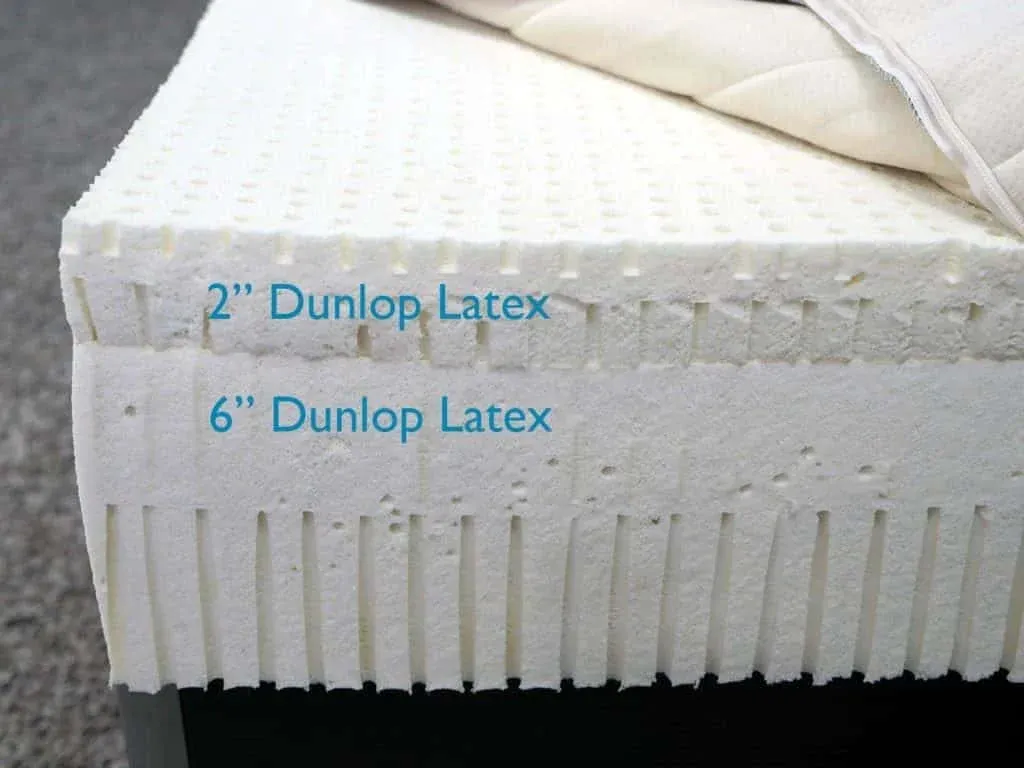
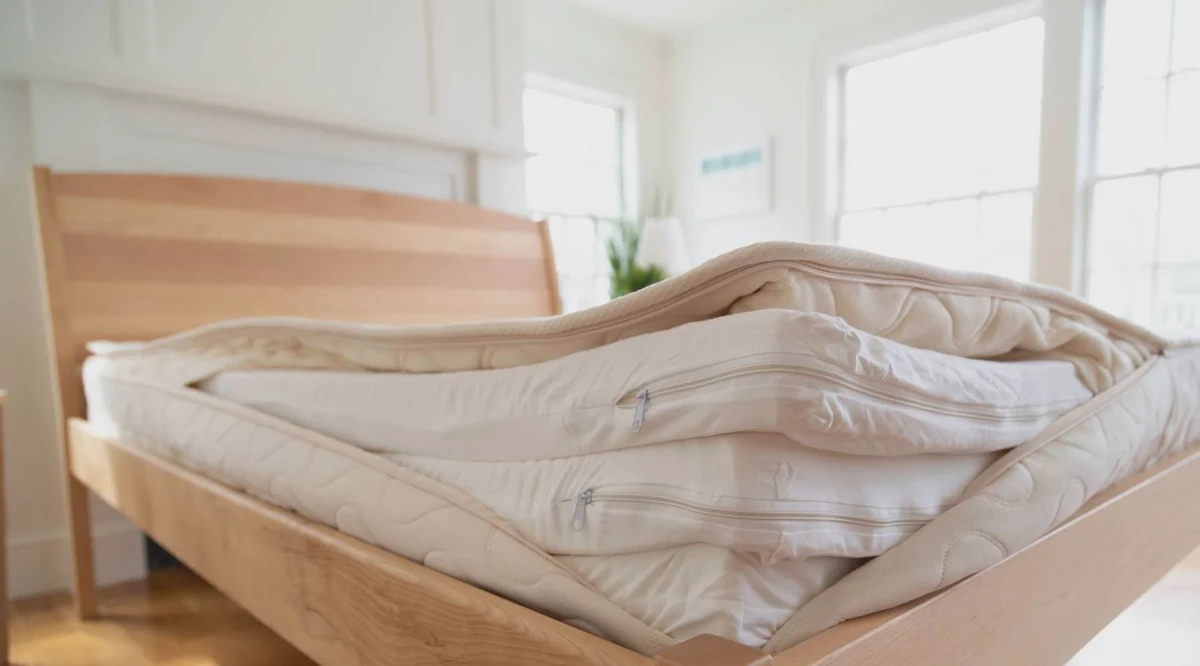
The Spindle has quietly become one of the most-recommended organic latex mattresses on the internet, in large part because it sidesteps the two things that usually keep latex out of reach: opaque construction and four-figure premiums. It ships in three flat boxes as 3-inch GOLS-certified organic Dunlop latex layers you stack yourself inside a GOTS-certified cotton-and-wool cover. Rearrange the stack and the firmness changes - no glue, no polyfoam, no fiberglass anywhere in the build.
Below is what the Spindle is, how it actually performs in independent lab tests, who it suits, and where it falls short. We pull pricing, certifications, and policies straight from Spindle plus the most rigorous third-party reviews - not brand talking points.
Who the Spindle Is Best For
- Side and back sleepers who like a responsive, "on-top" feel rather than the slow sink of memory foam.
- Couples who care about motion isolation: NapLab measured 4.01 m/s² of motion-transfer acceleration, less than half the latex-category average.
- Hot sleepers - natural Dunlop latex breathes well; NapLab recorded a max surface temp of 87.9°F, 1.8°F cooler than the all-mattress average.
- Shoppers prioritizing organic, chemical-free materials with verifiable certifications (GOLS, GOTS, OEKO-TEX 100).
- Anyone who wants firmness they can re-tune later without buying a new mattress.
Pros
- GOLS-certified organic Dunlop latex; GOTS cotton + wool cover.
- Modular three-layer build - re-tune firmness without buying new.
- Excellent cooling and motion isolation in lab tests.
- No fiberglass, no polyfoam, no chemical adhesives.
- 365-night trial and 25-year discounted-replacement program.
Cons
- Edge support while lying is mediocre, especially with soft layer in the core.
- Strong rubber smell out of the box; ~8-day off-gassing window.
- Not designed for sleepers over 250 lb. or BMI above 31.
- Self-assembly takes two people; no in-home delivery option.
- High bounce may bother sleepers who dislike springy beds.
Who Should Skip It
- Sleepers over 250 lb. or with a BMI above 31 - three latex layers (no coil core) don't deliver enough deep compression support.
- Memory-foam fans who want a deep hug and slow contour.
- Anyone who sleeps right on the perimeter - edge support while lying is mediocre, especially if you put a soft layer in the middle.
- People highly sensitive to smell - natural latex off-gasses for about 8 days and the rubber smell can be strong out of the box.
- Shoppers who need in-home white-glove delivery; Spindle ships to your door only and self-assembly takes two people.
Sizes, Pricing, and What's in the Box
Pricing varies with promotions; Spindle frequently runs site-wide discounts. As a current reference point, NapLab lists Spindle's typical promo prices at $1,149 Twin / $1,199 Twin XL / $1,499 Full / $1,699 Queen / $1,999 King. Check spindlemattress.com for current pricing before you buy - California King is not offered.
Each order ships in three boxes, one per latex layer, plus the quilted cover. Shipping is free within the contiguous U.S.
Construction: Three Modular Dunlop Layers
The Spindle is a 10-inch all-latex build. From the cover down, that's:
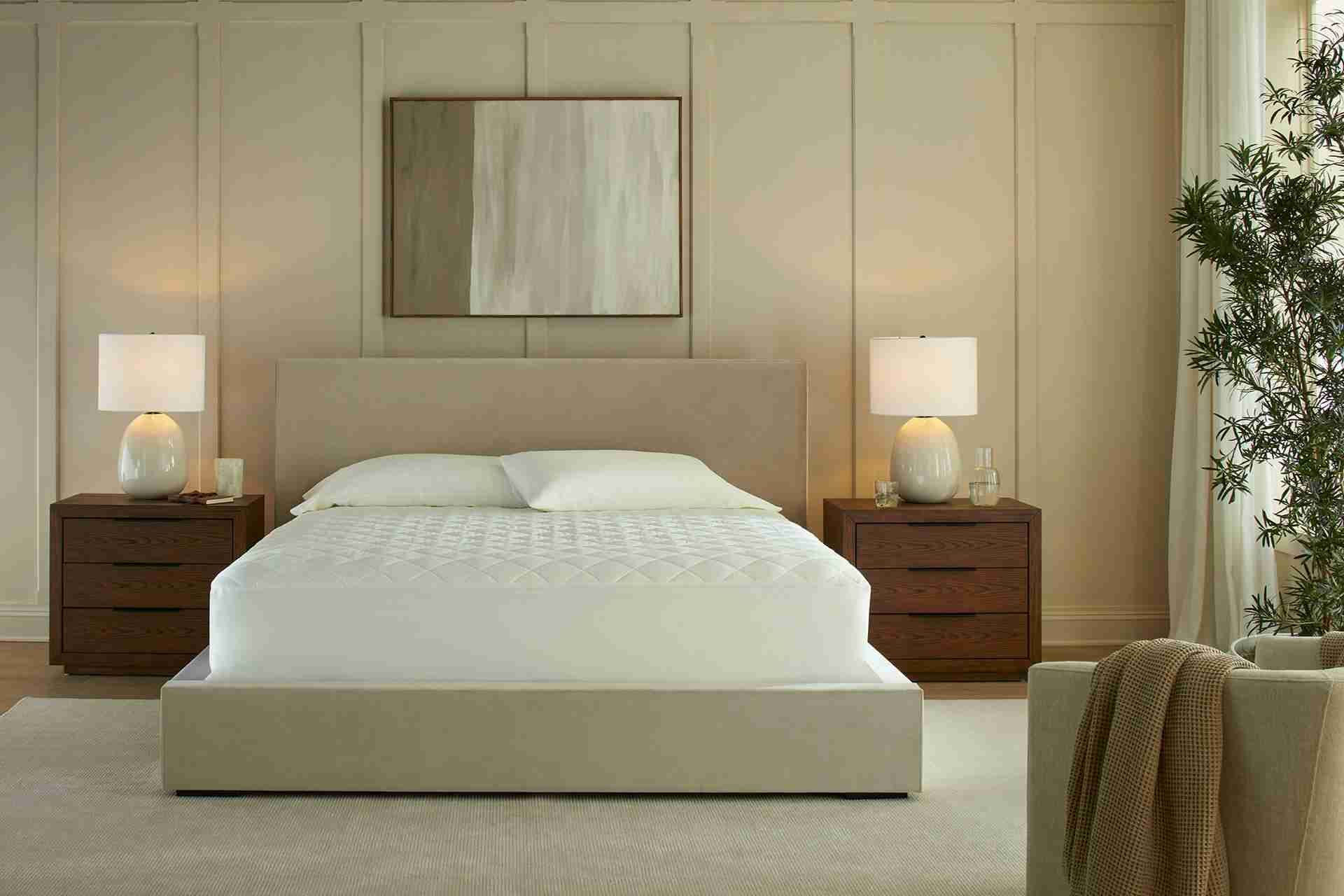
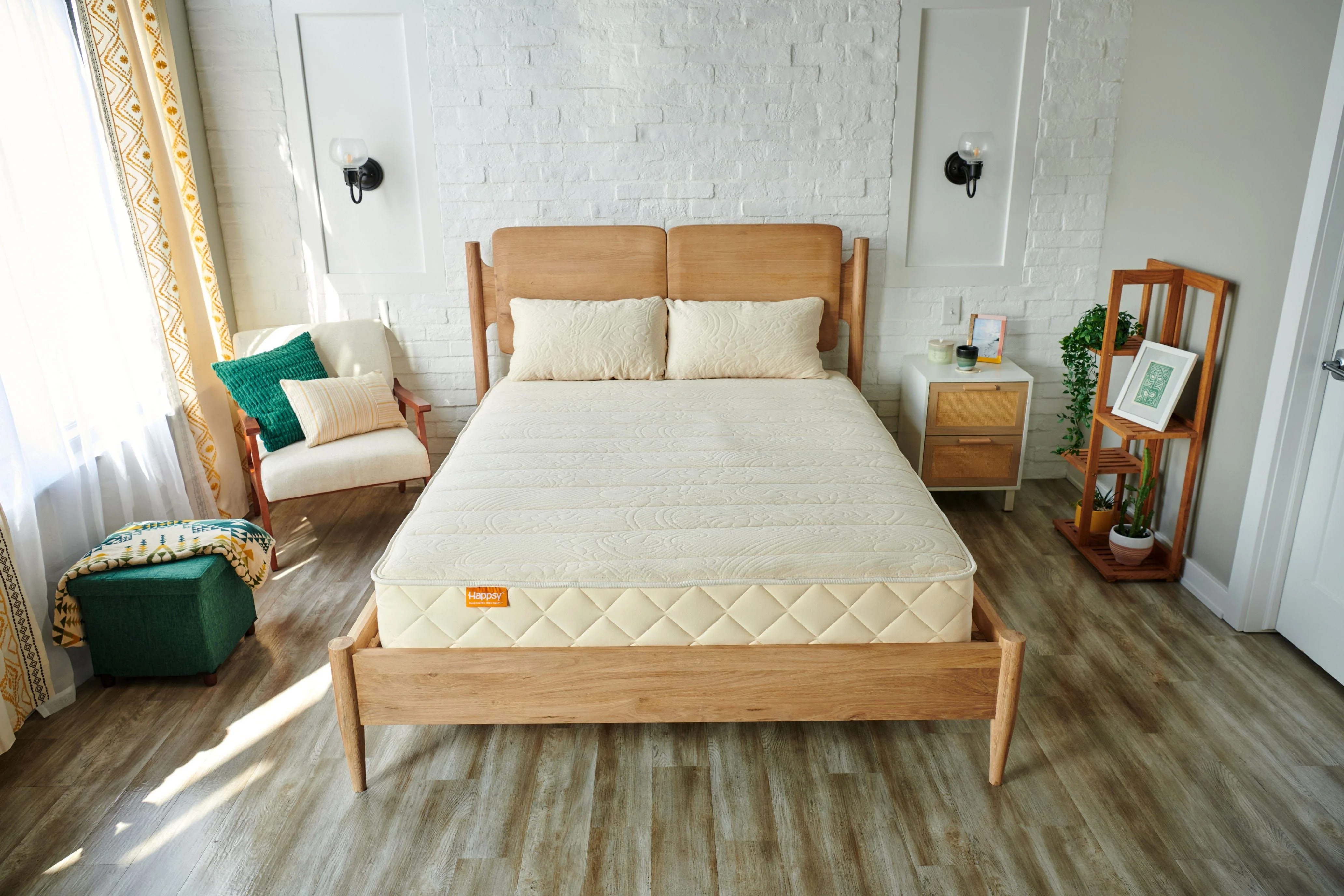
- 1″ quilted cover - GOTS-certified organic cotton with organic wool batting. The wool acts as the natural fire barrier so Spindle doesn't need chemical flame retardants.
- 3″ Dunlop latex layer (top)
- 3″ Dunlop latex layer (middle)
- 3″ Dunlop latex layer (bottom)
Spindle uses two latex densities - medium and firm - and combines them in different positions to create the four firmness configurations. Every layer is GOLS-certified organic Dunlop, OEKO-TEX 100 Class I, and pin-cored for airflow. Because you stack the layers yourself, no glues or chemical adhesives are used anywhere in the mattress.
Each latex slab now ships inside its own stretch-knit sleeve, which GoodBed notes is there to position the raw latex and keep it protected during reconfiguration. Practically, that means swapping layers does not leave you wrestling bare rubber inside the cover.
Shopping for an organic mattress?
Firmness: Four Configurations, One Mattress
Latex behaves a little differently than foam: the more you compress it, the firmer it gets, so even Spindle's "Soft" build still feels supportive. NapLab measured the configurations as roughly:
- Soft (Soft → Medium → Firm) - about 4/10 firmness. Best for lighter side sleepers.
- Medium (Medium → Soft → Firm) - about 6/10. The most popular pick; works for back sleepers and average-weight side sleepers.
- Firm - about 7.5/10. Best for back and stomach sleepers and most people over ~200 lb.
- Extra Firm - Firm latex in all three slots. For heavier stomach sleepers who still want an organic build.
If your first stack feels off, Spindle will help you re-arrange the layers before processing a return - most comfort issues get solved by a swap, not a refund.
How It Performs in Independent Tests
We pulled the cleanest objective data points from third-party labs that actually measured the mattress. For headline context: NapLab gave the Spindle a 9.14 overall score versus an 8.55 across-the-board average, and flagged its queen-size price as roughly 22% below the average latex mattress, a savings of about $429.
- Cooling - excellent. NapLab's max surface temperature of 87.9°F came in 1.8°F below the all-mattress average; the dissipation curve dropped 6.1°F within 5 minutes of standing up. (NapLab)
- Sinkage: moderate. NapLab clocked 2.25 inches of sinkage on a standard medium stack (medium on top, soft middle, firm bottom), with body contour described as slight. That is the generalized latex hug rather than the precise memory-foam cradle.
- Motion isolation - excellent. 4.01 m/s² acceleration range vs. 8.65 m/s² average across all mattresses tested. GoodBed's candlestick test held up even under deliberate bouncing. (GoodBed)
- Response time - best-in-class. 0.2 sec to mostly recover, 0.3 sec to fully recover - tied for fastest NapLab has measured. Latex by nature is bouncier than foam.
- Pressure relief - strong for sleepers under ~200 lb. GoodBed's tester (200 lb. back sleeper) reported good spinal alignment in the Medium build.
- Bounce - high. ~11.6″ rebound height vs. 9.65″ average. Great for sex performance and easy repositioning; not great if you dislike springiness.
- Edge support - fair. Sitting edge holds well; lying edge collapses noticeably, especially with the soft layer in the core.
- Off-gassing - strong but short. The rubber smell out of the box is real; expect about a week to dissipate in a ventilated room.
Body-Type Fit
- Under 150 lb. - Side: Soft or Medium · Back: Medium · Stomach: Medium or Firm.
- 150-200 lb. - Side: Medium · Back: Medium · Stomach: Firm.
- 200-250 lb. - Side: Medium or Firm · Back: Firm · Stomach: Firm or Extra Firm.
- Over 250 lb. - Not recommended; BMI above 31 falls outside Spindle's design envelope.
If you and a partner sit in different rows, Spindle can split the mattress with two soft-on-top stacks paired to a single firm core layer - call before ordering and the team will configure it.
Certifications, Materials, and Trust
This is where the Spindle separates itself from "natural" marketing fluff:
- GOLS (Global Organic Latex Standard) - covers the latex from rubber-tree sap through finished foam.
- GOTS (Global Organic Textile Standard) - covers the cotton cover and wool batting.
- OEKO-TEX Standard 100, Class I - the strictest tier, certifying the latex is free of harmful substances at levels safe for products in direct contact with babies' skin.
- No fiberglass. Wool handles the federal flammability requirement instead - important if you've been following recent fiberglass-mattress lawsuits.
- No polyurethane, no synthetic latex blends, no chemical adhesives.
Spindle's cotton-and-wool cover is sewn in the U.S.; the latex itself is sourced and produced from rubber trees in Sri Lanka and certified all the way through.
Trial, Warranty, and Foundation Requirements
- 365-night trial. A 60-night break-in is required before returns; Spindle will iterate on the layer stack with you first. If you still aren't comfortable, donate the mattress to charity, send the tags back, and Spindle refunds in full. (Spindle · Sleepopolis)
- 10-year warranty covering body impressions of ¾″ or greater - generous compared with the industry standard 1″-1.5″ threshold.
- 25-Year Comfort Life Program. Buy replacement layers at a 30% discount for 25 years - extends usable life well past the warranty window.
- Foundation: must have center support and slats no more than 3 inches apart. A queen weighs ~150 lb., so the base needs real structure. Adjustable bases work as long as they meet the slat spec.
- Foundation caveat: if you add Spindle's matching foundation to your order, NapLab notes that piece is non-refundable even if you return the mattress, so it is safer to buy the bed first and add the foundation only after the trial confirms the feel.
Spindle vs. The Other Natural-Latex Names
Roughly how the Spindle stacks up against alternatives that show up alongside it on most "best organic mattress" lists:
- vs. SleepEZ - similar modular Dunlop construction; SleepEZ offers more cover/wood-frame customization but typically prices higher per equivalent build.
- vs. PlushBeds Botanical Bliss - taller (9″-12″ options) and pricier; arguably better for heavier sleepers because of the deeper latex stack.
- vs. Avocado Green - Avocado is a hybrid (latex over pocketed coils) with stronger edge support and a higher 1,000 lb. weight ceiling on its Luxe trim, but starts at a meaningfully higher price.
- vs. Saatva Latex Hybrid - Saatva includes white-glove delivery and a coil core; Spindle is cheaper and fully modular.
Final Take
The Spindle isn't trying to compete with memory foam. It's trying to be the most affordable way to put a fully GOLS/GOTS-certified, fiberglass-free, customizable latex bed in your house - and on that brief it's hard to beat. NapLab calls it one of the best latex mattresses they've tested to date; GoodBed and Mattress Nerd reach the same conclusion.
If you sleep under ~250 lb., want the responsive, breathable feel of Dunlop latex, and value organic certifications you can actually verify, the Spindle is the safest pick at this price. If you need a deep-hug feel, sleep right on the edge, or weigh more than the design envelope, plan on stepping up to a latex hybrid with a coil core instead.
Spindle Mattress FAQ
Is the Spindle mattress actually organic?
Yes. The latex is GOLS-certified (Global Organic Latex Standard) organic Dunlop, and the cotton cover and wool fire barrier are GOTS-certified (Global Organic Textile Standard). The latex also carries OEKO-TEX Standard 100, Class I - the strictest tier, certified safe for direct contact with infant skin.
How long is the Spindle sleep trial?
365 nights, with a 60-night break-in period required before returns. Spindle will work with you to swap or rearrange layers first; if you still aren't comfortable, donate the mattress to charity, send the tags back, and Spindle issues a full refund.
Where is the Spindle mattress made?
The latex is sourced and manufactured in Sri Lanka under GOLS certification. The organic cotton-and-wool quilted cover is sewn in the United States, and final assembly happens at Spindle's facility in the U.S.
Does the Spindle have fiberglass?
No. Spindle uses an organic wool batting layer to meet federal flammability requirements, so there is no fiberglass anywhere in the build. This is one of the main reasons it is recommended on most fiberglass-free mattress lists.
Is the Spindle good for heavy sleepers?
Spindle does not recommend the mattress for sleepers with a BMI above 31, and independent labs report it lacks the deep compression support heavier bodies need. If you weigh over 250 lb., a latex hybrid with a coil core (such as Avocado Luxe or Saatva Latex Hybrid) is a better fit.
How does Spindle compare to other latex mattresses?
Compared with SleepEZ, PlushBeds, or Avocado, Spindle is typically the most affordable way to get a fully certified organic Dunlop build, but it skips features like a coil core, white-glove delivery, and a thicker comfort stack. The trade-off is price for simplicity.