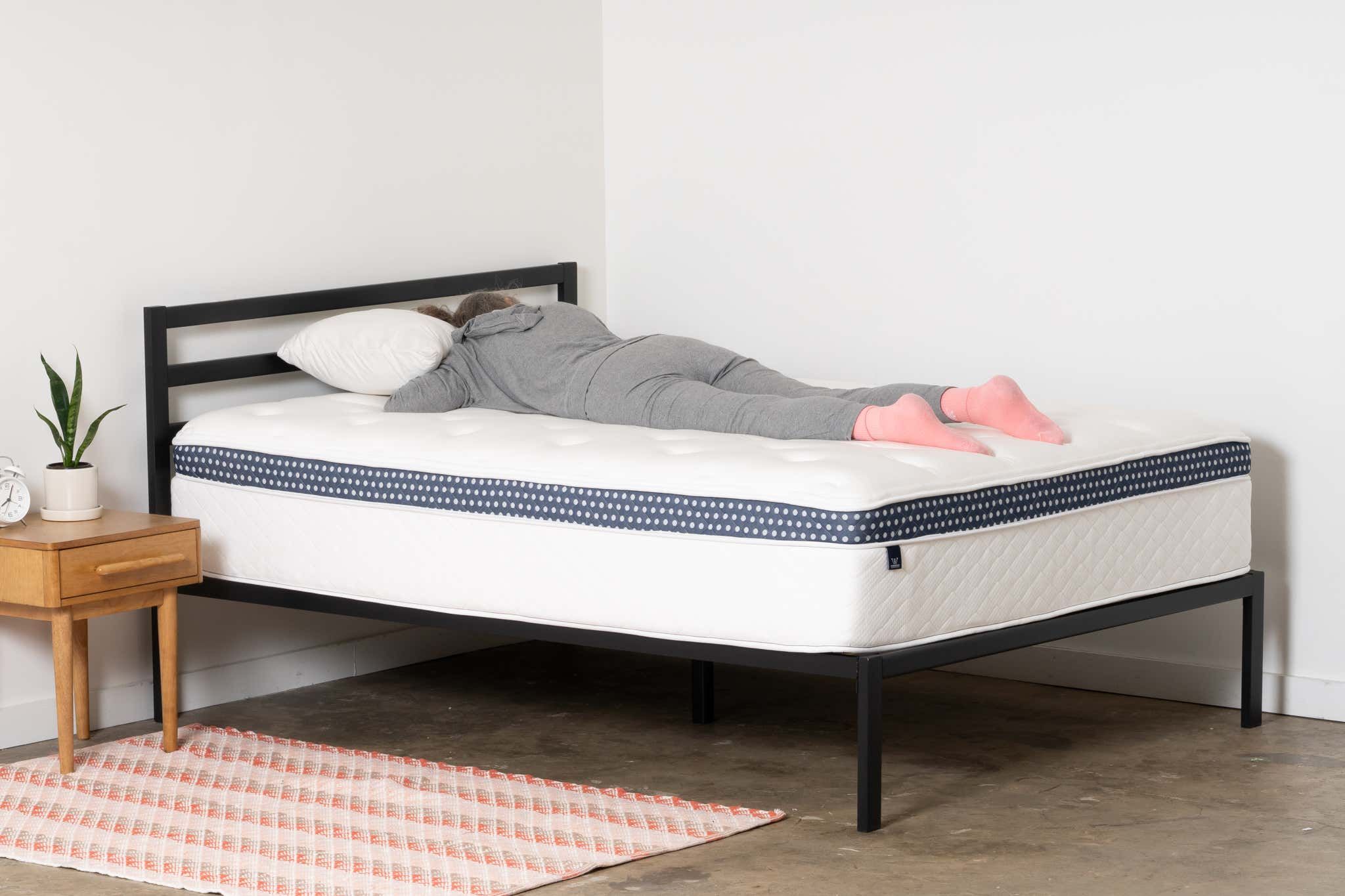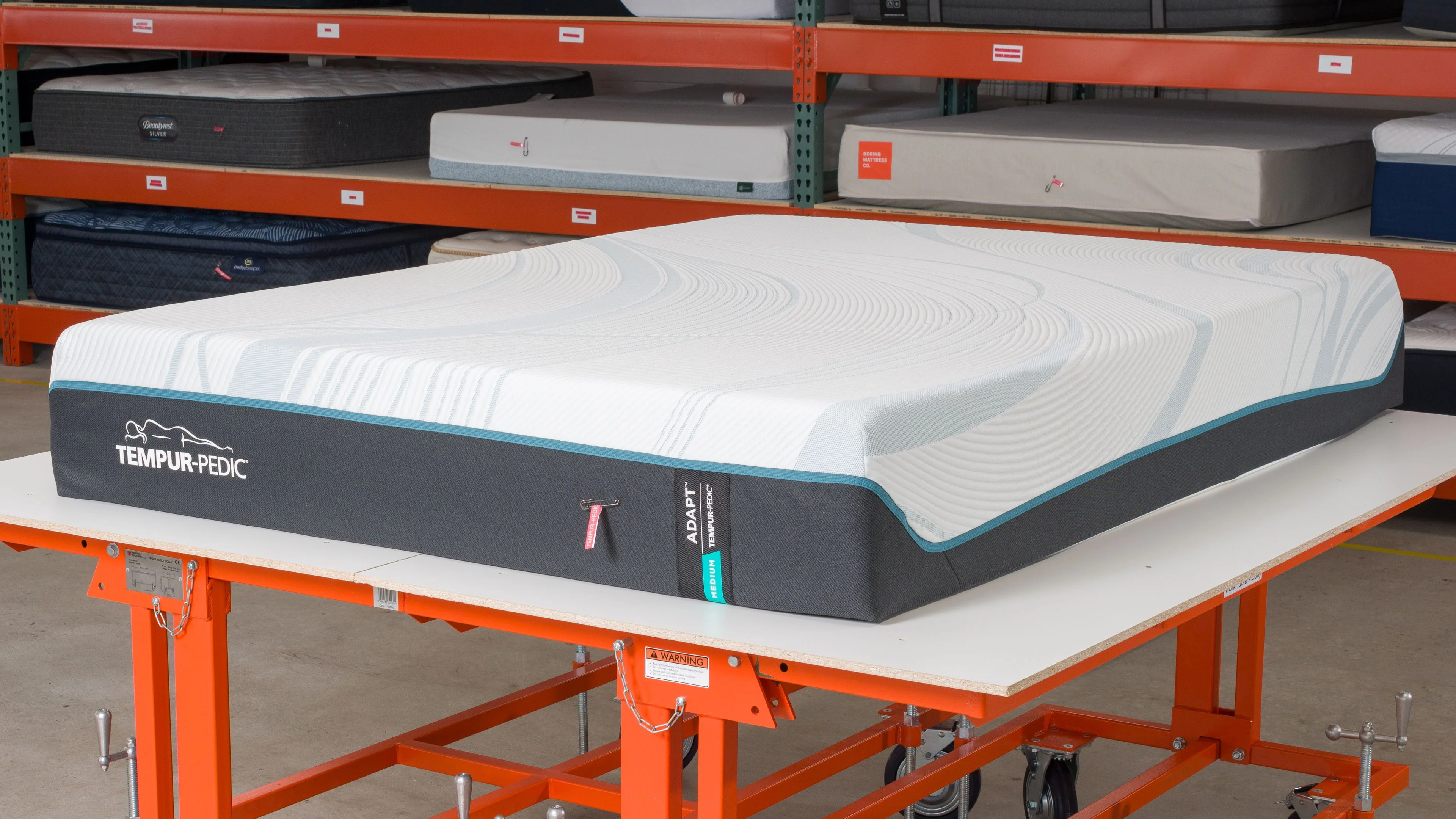
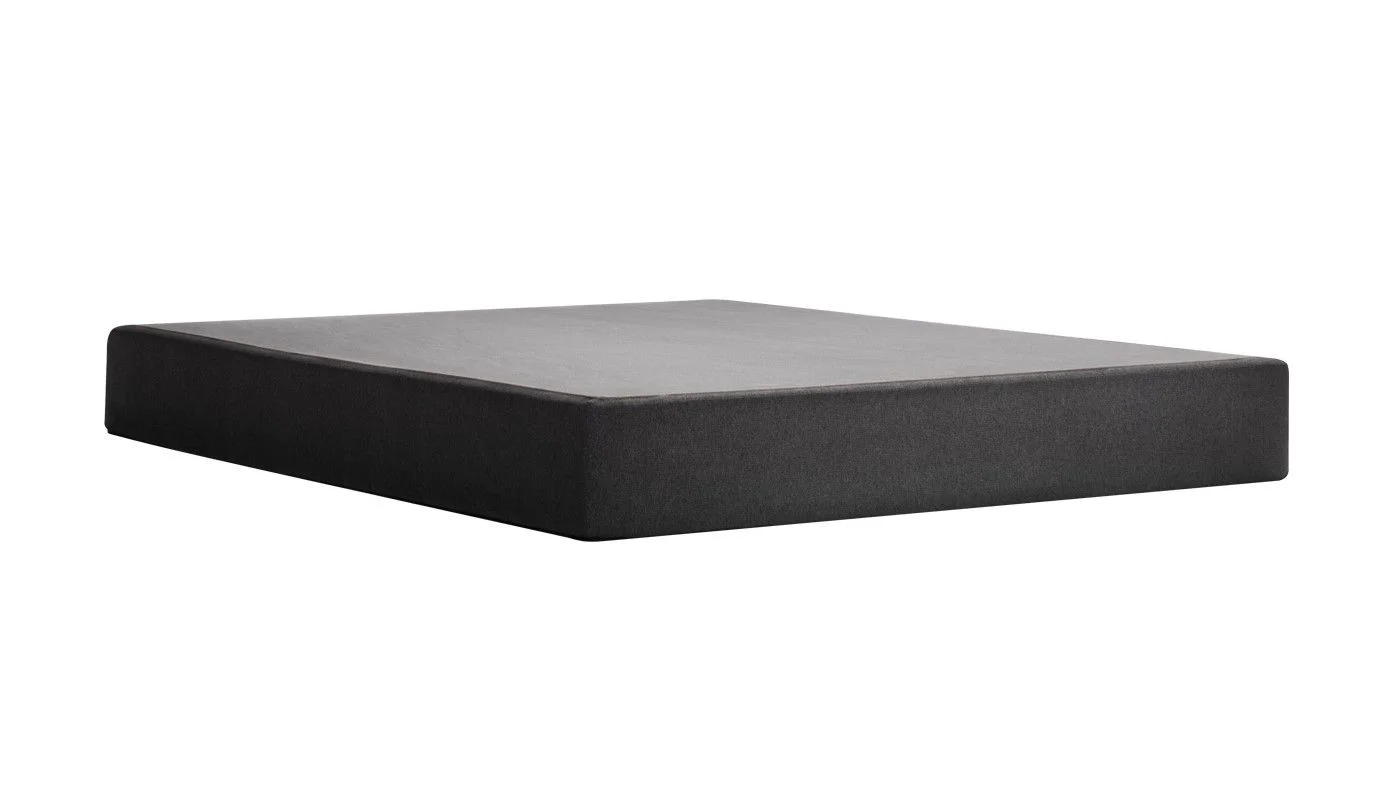
The short answer: no, a Tempur-Pedic mattress does not need a traditional box spring - and using one will void your warranty. Tempur-Pedic's TEMPUR memory foam is engineered to sit on a solid, non-flexing surface so the foam can compress and rebound exactly as designed. A coil-and-fabric box spring flexes under load, which destabilizes the foam, accelerates sagging, and can be ruled "improper foundation" by Tempur-Pedic on a warranty claim.
This guide walks through what foundation Tempur-Pedic actually requires, the slat spacing they specify, and the four base types that keep your warranty intact.
Why a Traditional Box Spring Fails a Tempur-Pedic
A conventional innerspring box spring was designed for innerspring mattresses, where some give in the foundation works with the coils. Memory foam works the opposite way. Tempur-Pedic's official guidance is direct: "We do not recommend using a box spring as it does not provide the support a Tempur-Pedic mattress needs. The use of a box spring will void your warranty."
What goes wrong when you ignore that guidance:
- Premature sagging and body impressions. The foam compresses into the flex zones of the box spring, creating dips that get worse over time.
- Uneven feel. The mattress no longer presents a uniform surface, undermining the pressure-relief Tempur-Pedic is paying for.
- Voided warranty. Tempur-Pedic specifies an approved foundation type. A claim filed on a mattress sitting on a box spring is typically denied under the "proper support" clause.
What Tempur-Pedic Officially Recommends
Tempur-Pedic's owner support documentation lists four acceptable foundation categories. Pick any one of these and your warranty stays intact.
1. TEMPUR-Flat Foundation
The brand's purpose-built rigid foundation. It comes in three profiles - high (9"), low (5"), and ultra-low (2") - so you can match the bed height you actually want without changing frames. This is the foundation Tempur-Pedic engineers test their mattresses on, so it is the lowest-risk choice if you want the mattress to behave exactly as advertised.
2. Platform Bed (Solid or Slatted)
A platform bed with a solid deck works as-is. If your platform uses slats, the spec is non-negotiable: slats must be at least 3" wide and no more than 4" apart. Tempur-Pedic states this explicitly - wider gaps allow the foam to bow downward between slats, which both feels worse and counts as improper support.
A few extra rules from the brand on slatted bases:
- Don't lay untreated plywood on top to "fix" wide spacing - Tempur-Pedic flags this as unwarrantable damage.
- The slats need to be securely anchored. Loose slats that shift create the same uneven-support problem as a box spring.
3. Adjustable Base (TEMPUR-Ergo and Compatible)
TEMPUR-Ergo and other adjustable bases are fully approved. The mattress's foam is engineered to flex with the base when the head or foot is raised. Adjustable bases are the recommended pick if you have GERD/acid reflux, snoring, circulation issues, or back pain that improves with elevation.
4. Bunkie Board on an Existing Frame
If you already own a metal bed frame originally built for a box spring, a 1.5"-2" bunkie board (solid plywood or a thin solid foundation) laid across the frame converts it into an acceptable rigid surface. This is the cheapest way to keep a Tempur-Pedic warranty valid on an old frame without replacing the frame itself.
What About Putting It on the Floor?
Technically the floor is a flat, no-flex surface, so the warranty isn't automatically voided. But Tempur-Pedic and every major sleep publication advise against it: ground-contact mattresses trap moisture, mildew is a real risk in humid climates, and the brand notes airflow is "important for the longevity" of the foam. Use a foundation.
Quick Reference: Foundation Compatibility
A fast lookup before you buy a frame.
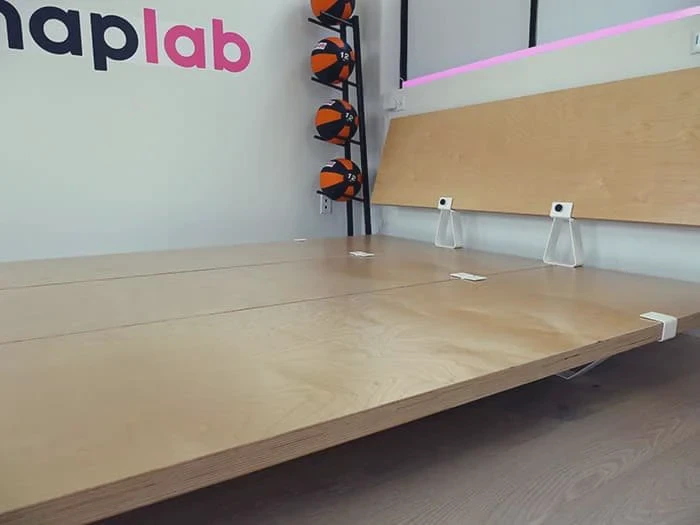
Tempur-Pedic foundation compatibility at a glance
Tempur-Pedic foundation FAQ
Does a Tempur-Pedic mattress need a box spring?
No. Tempur-Pedic explicitly states a traditional box spring does not provide the support their mattress needs and will void the warranty. Memory foam is designed for a solid, non-flexing surface - the opposite of what a box spring delivers.
Will using a box spring void my Tempur-Pedic warranty?
Yes. Tempur-Pedic's warranty terms specify that the mattress must rest on an approved foundation. A claim filed on a mattress that has been used on a traditional box spring is typically denied because the box spring is classified as improper support.
What slat spacing does Tempur-Pedic require on a slatted bed?
Slats must be at least 3 inches wide and no more than 4 inches apart. Wider gaps allow the foam to bow downward between slats, which both feels worse and is grounds for warranty denial. Untreated plywood layered on top to "fix" wide spacing is also flagged by Tempur-Pedic as unwarrantable damage.
Can I put my Tempur-Pedic on the floor?
It will not automatically void the warranty because the floor is flat, but Tempur-Pedic advises against it. Direct floor contact restricts airflow and traps moisture, which can lead to mildew and shorten the life of the foam. A foundation is strongly preferred.
Can I keep my old metal bed frame if I buy a Tempur-Pedic?
Yes - add a bunkie board (1.5-2" solid plywood or thin solid foundation) across the frame to convert it into a rigid, no-flex surface. This is the cheapest way to make an old box-spring-style frame Tempur-Pedic-compatible without replacing the frame.
Does an adjustable base work with every Tempur-Pedic mattress?
Most Tempur-Pedic mattresses are designed to flex with adjustable bases like the TEMPUR-Ergo line, but specific compatibility (especially for older or thicker hybrid models) is listed in each mattress's product spec sheet. Always confirm before pairing a mattress with an adjustable base.
Need help picking the right foundation?
Banner Mattress carries Tempur-Pedic flat foundations, TEMPUR-Ergo adjustable bases, and Tempur-compatible platform beds - and we can match the right one to your mattress and bedroom in minutes.