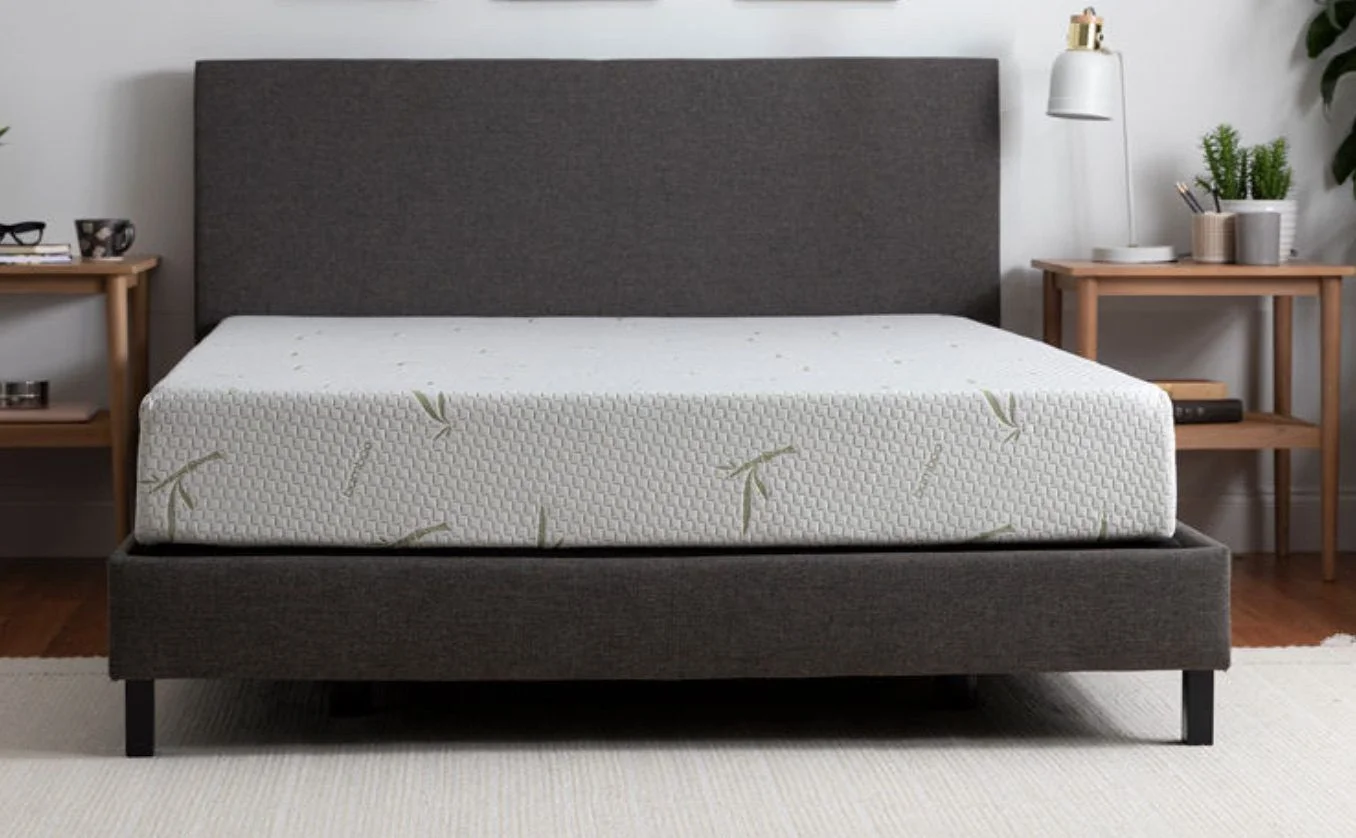

Short answer: It depends on the model and when it was made. Tulo - Mattress Firm's house brand - markets its current mattresses as fiberglass-free, and the bamboo memory-foam Tulo explicitly advertises a "Fiberglass Free Cover" on its Amazon listing. But independent industry research has flagged Tulo hybrids as having historically used fiberglass as a fire barrier, and Mattress Firm itself has not published a clean, brand-wide disclosure page the way Sealy, Helix, or Leesa have.
If you own a Tulo today - or you're shopping one secondhand - the only reliable answer comes from the law tag sewn to your specific mattress. This guide walks through what the SERP actually says, the lineup as of 2026, and exactly how to verify your unit.
The 30-second answer (with sources)
- The current Tulo bamboo memory foam mattress is sold with a fiberglass-free cover and CertiPUR-US certified foams (Amazon listing).
- Hybrid Tulo models have been reported by third-party material researchers to contain fiberglass as a fire barrier (Egohome material guide).
- Older Tulo Liv hybrids (sold around 2019) are the most-discussed problem unit on owner forums, where buyers report finding glass-fiber dust after removing the cover (r/Mattress thread).
- Industry analyses by NapLab (which graded 395 mattress models) consistently find fiberglass concentrated in the sub-$700 segment - right where Tulo sits.
- Google's AI Overview on this question summarizes the same split: current foam Tulos = generally fiberglass-free, older or hybrid Tulos = check the tag.
So the clean way to phrase it: Tulo is not a 'no-fiberglass guaranteed' brand the way Saatva, Bear, or Avocado are. It's a brand where the answer depends on which Tulo you have.
Why this question keeps coming up
Two things drive the Tulo fiberglass searches:
- Tulo is a house brand at Mattress Firm. It's positioned as the budget option in the showroom, and budget memory-foam and hybrid mattresses are the category most associated with fiberglass fire barriers.
- Banner is a competitor mattress retailer, and we get this question on the showroom floor every week. We sell Saatva, Helix, Nectar, Tempurpedic, and other brands that have publicly disclosed fiberglass-free fire barriers - so when a customer is cross-shopping a Tulo, the comparison is fair to make.
We don't sell Tulo. That means we can answer this without the conflict of interest a Mattress Firm rep faces when the same question gets asked at their counter.
The 2026 Tulo lineup, by what's inside
Tulo's current mattress lineup (sold through Mattress Firm and a few third-party retailers like Amazon and Walmart) breaks down roughly like this:
All-foam memory foam models
- Tulo Bamboo - 6", 8", 10", and 12" heights. Green-tea-infused memory foam comfort layer over polyfoam support core. The 8" Bamboo is the unit Amazon explicitly tags 'Fiberglass Free Cover, CertiPUR-US Certified.'
- Tulo Lavender - Lavender-infused memory foam. Same general construction as the Bamboo, in a softer comfort tier.
- Tulo Memory Foam (classic) - Older naming for the standard Tulo memory-foam line.
Hybrid models
- Tulo Pure Hybrid 12" - Memory foam over pocketed coils.
- Tulo Liv Hybrid (older units, ~2019 era) - The model most often cited in fiberglass complaints. If you bought a Tulo Liv five-plus years ago, this is the one to inspect carefully.
The all-foam models are the ones currently marketed as fiberglass-free. The hybrids are the ones flagged by third-party sources, and the ones with the most owner complaints. Mattress Firm has been quiet about whether the current hybrid units use fiberglass, glass-fiber-free rayon, or another barrier - and as of 2026, they have no publicly published disclosure page clarifying it.
How fiberglass ends up in a budget mattress
Federal law - 16 CFR Part 1633 - requires every mattress sold in the U.S. to pass an open-flame test. There are several legal ways to pass it:
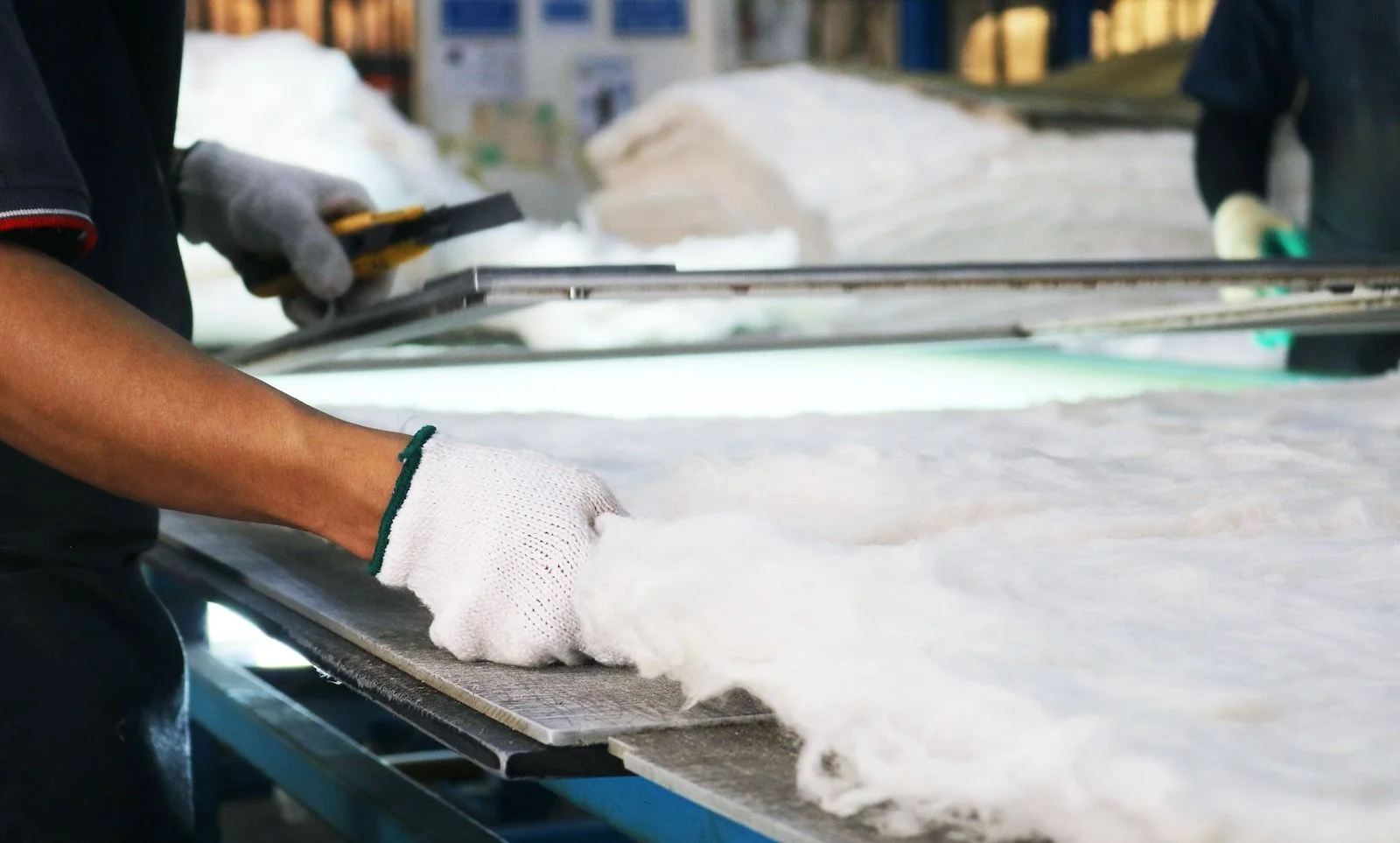
- Woven glass-fiber sock (fiberglass). Cheap, effective, and the default for budget memory foam and hybrids.
- Rayon-silica or carbon-rayon barrier. What Zinus switched to in 2025 and what Leesa has used since 2023.
- Wool batting. Used by natural/organic brands (Avocado, Birch, Naturepedic).
- Inherent FR foam. Higher-end Tempur and Sealy lines use a flexible glass-encased core that's bonded into the structure rather than living in a removable cover.
Fiberglass itself is not toxic in normal use - the cover keeps it contained. The problem is what happens when an owner unzips the cover to wash it (a habit many of us have with our other bedding) or when the cover gets worn, torn, or pet-damaged. Glass-fiber fragments then become airborne and embed in carpet, drywall, HVAC vents, and clothing. NapLab and class-action filings have documented cases where families had to replace flooring and bedding after a single cover removal.
That's why 'does my mattress have fiberglass' matters even when the manufacturer says the fibers are 'safely contained.' The real question is what happens if the containment fails.
How to verify your specific Tulo (the law-tag method)
Every mattress sold in the U.S. is required to carry a law tag - that white tag stitched to the side or foot of the mattress that says 'DO NOT REMOVE UNDER PENALTY OF LAW.' (You can remove it as the consumer; that warning is for retailers.) The tag lists the material content of the cover and fill.
Look for these strings:
- 'glass fiber' - that's fiberglass.
- 'glass wool' - also fiberglass.
- 'fiberglass' - explicit.
- 'silica' alone - usually a rayon-silica barrier (not the same as glass fiber, generally considered safer).
- 'rayon' - typically a carbon-rayon FR sleeve, no fiberglass.
- 'viscose / wool' - wool batting, no fiberglass.
If your Tulo law tag lists 'glass fiber' anywhere in the cover or barrier composition, it has fiberglass. If it lists silica, rayon, or wool with no glass-fiber language, it doesn't.
A few other tells:
- Don't unzip the cover to check. That's the exact action that releases fibers. Read the tag from the outside.
- Cross-check the box. Some Tulo boxes (especially the Bamboo line on Amazon) print 'fiberglass-free' directly on the carton.
- Call Mattress Firm with the model and law-tag style number. Their reps can usually look up the exact fire barrier spec for a given SKU.
Should you keep a Tulo if it does have fiberglass?
It's a personal call, but here's the framework we give Banner customers:
- Cover is intact, no plans to remove it. A fiberglass mattress under a quality mattress protector is generally low-risk. Add an encasement-style protector and don't unzip the cover.
- You have kids or pets that jump on the bed. Higher tear risk. Consider replacing sooner, especially if it's an older Tulo Liv.
- You're allergic, asthmatic, or have lung sensitivity. Don't gamble. Replace with a brand that publishes a fiberglass-free disclosure.
- The cover is already torn, frayed, or the zipper has been opened. Stop using it, bag the mattress, and replace it. Don't vacuum the room - that disperses fibers further. Wet-wipe hard surfaces, double-bag soft goods that were near the bed.
Fiberglass-free alternatives in Tulo's price range
If you're shopping a Tulo specifically because of the price, these have similar entry points and publicly documented fiberglass-free fire barriers:
- Nectar Classic - confirmed fiberglass-free per Nectar customer support. Memory foam, 365-night trial, lifetime warranty.
- Bear Original - natural FR materials, explicitly fiberglass-free.
- Leesa Studio - Leesa moved to a chemical-free rayon barrier in September 2023; all current Leesa models are fiberglass-free.
- Helix Twilight / Midnight - confirmed fiberglass-free per Helix's published support article.
- Saatva Classic - innerspring with a steel-coil core; no fiberglass; published material disclosure.
We carry several of these on the Banner showroom floor and online. The point isn't that Tulo is uniquely bad - plenty of $300 mattresses on Amazon still ship with fiberglass - it's that you don't have to settle for ambiguity at this price.
Bottom line
Current Tulo all-foam memory foam mattresses are sold as fiberglass-free, and the Bamboo line says so on the box. Tulo hybrids - especially older Tulo Liv units - have a documented history of containing fiberglass as a fire barrier, and Mattress Firm has not published a brand-wide disclosure that would let you skip the law-tag check. If your Tulo's law tag mentions 'glass fiber' or 'glass wool,' it has fiberglass; if it lists silica, rayon, or wool, it doesn't.
The safest move for a new buyer is to choose a brand that publishes its FR-barrier composition. The safest move for a current owner is to read the tag, leave the cover zipped, and use a quality mattress protector.
If your Tulo IS fiberglass-free
- Current Bamboo & Lavender all-foam Tulo mattresses are sold fiberglass-free
- CertiPUR-US certified foams (no PBDEs, formaldehyde, heavy metals)
- Cover-on use is low-risk; just keep a quality mattress protector
- Bamboo cover promotes breathability for warm sleepers
If your Tulo HAS fiberglass
- Older Tulo Liv hybrids (~2019) most often flagged in owner complaints
- Mattress Firm has no brand-wide fiberglass-free disclosure page
- Removing the cover to wash it can release glass fibers
- Torn covers, pet damage, or zipper failures = stop using it
Tulo Fiberglass FAQ
Does the Tulo bamboo memory foam mattress have fiberglass?
No. The 8-inch and 10-inch Tulo Bamboo memory-foam mattresses are sold with a fiberglass-free cover and CertiPUR-US certified foams. The Amazon listing for the Tulo Bamboo explicitly carries a 'Fiberglass Free Cover' label.
Does the Tulo Liv hybrid have fiberglass?
Older Tulo Liv units sold around 2019 are the model most often cited in owner forums as containing fiberglass. Mattress Firm has not published a clean disclosure for current hybrid Tulos either way, so the only reliable answer is to read your specific mattress's law tag and check for 'glass fiber' or 'glass wool.'
Who makes Tulo mattresses?
Tulo is the house brand of Mattress Firm. It launched as Mattress Firm's bed-in-a-box line and is sold primarily through Mattress Firm stores, with some SKUs on Amazon and Walmart. Mattress Firm has owned the brand since its launch.
How can I tell if my mattress has fiberglass without unzipping the cover?
Read the law tag - the white tag sewn to the side or foot of the mattress. Look for the words 'glass fiber,' 'glass wool,' or 'fiberglass' in the cover or fill composition. If the tag lists 'silica,' 'rayon,' or 'wool' instead, the mattress uses a non-glass fire barrier. Never unzip the cover to check directly; that's the exact action that can release fibers.
What should I do if I find out my mattress has fiberglass?
If the cover is intact and you don't plan to remove it, add a quality encasement-style mattress protector and continue using it normally - the risk is low when fibers stay contained. If the cover is already torn, frayed, or has been opened, bag the mattress, replace it, and wet-wipe hard surfaces in the room. Don't vacuum, which can disperse fibers further.
Are there fiberglass-free mattresses in the same price range as Tulo?
Yes. Nectar Classic, Bear Original, Leesa Studio, and Helix Twilight all publish fiberglass-free disclosures and sit in or near Tulo's price band. Saatva Classic is an innerspring option with a steel-coil core and no fiberglass at a slightly higher price.
Shop fiberglass-free at Banner Mattress
We don't sell Tulo. We do carry brands that publish their fire-barrier specs - Saatva, Helix, Nectar, Bear, Tempurpedic, and more - so you don't have to read law tags to know what you're sleeping on.