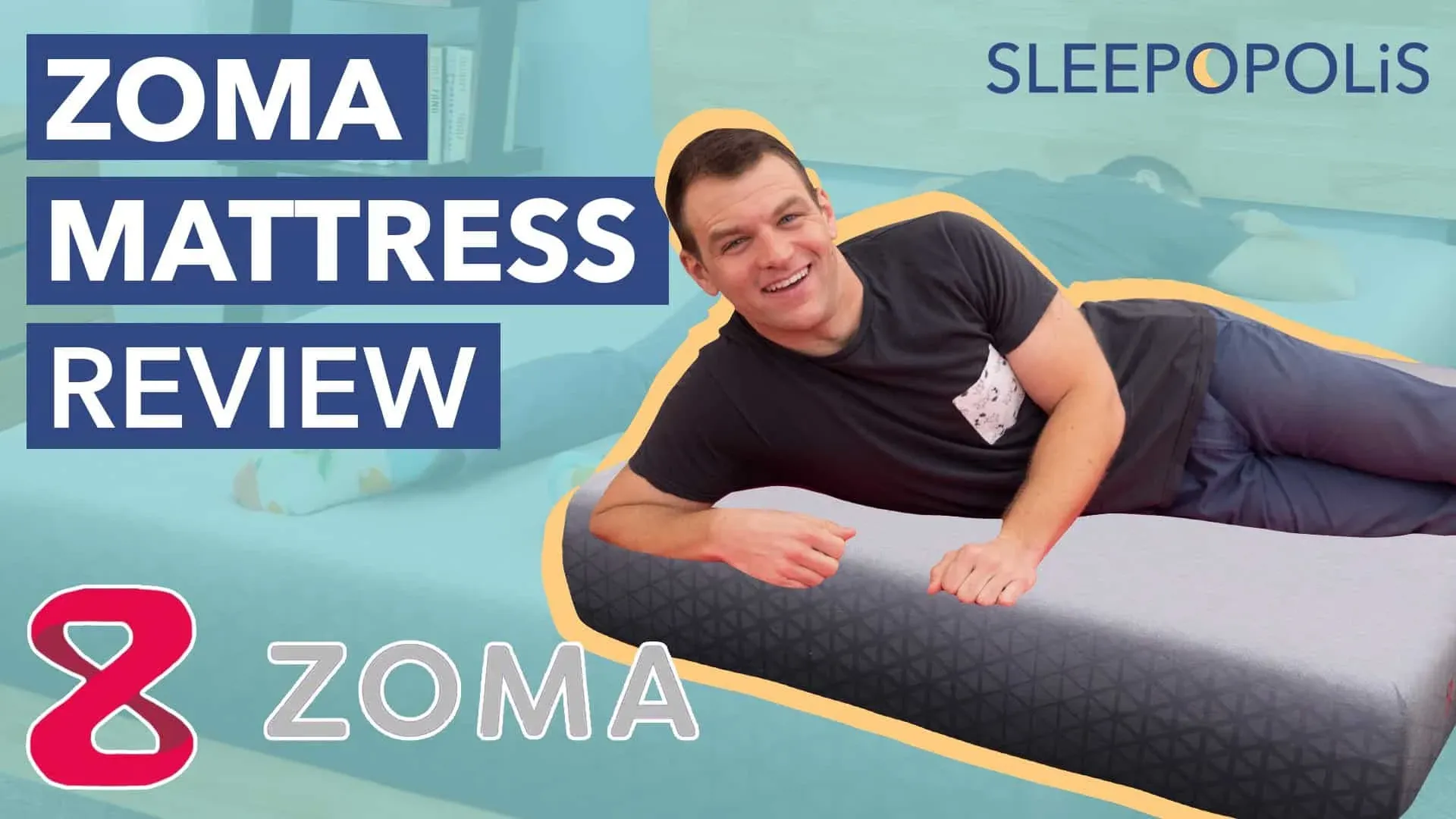
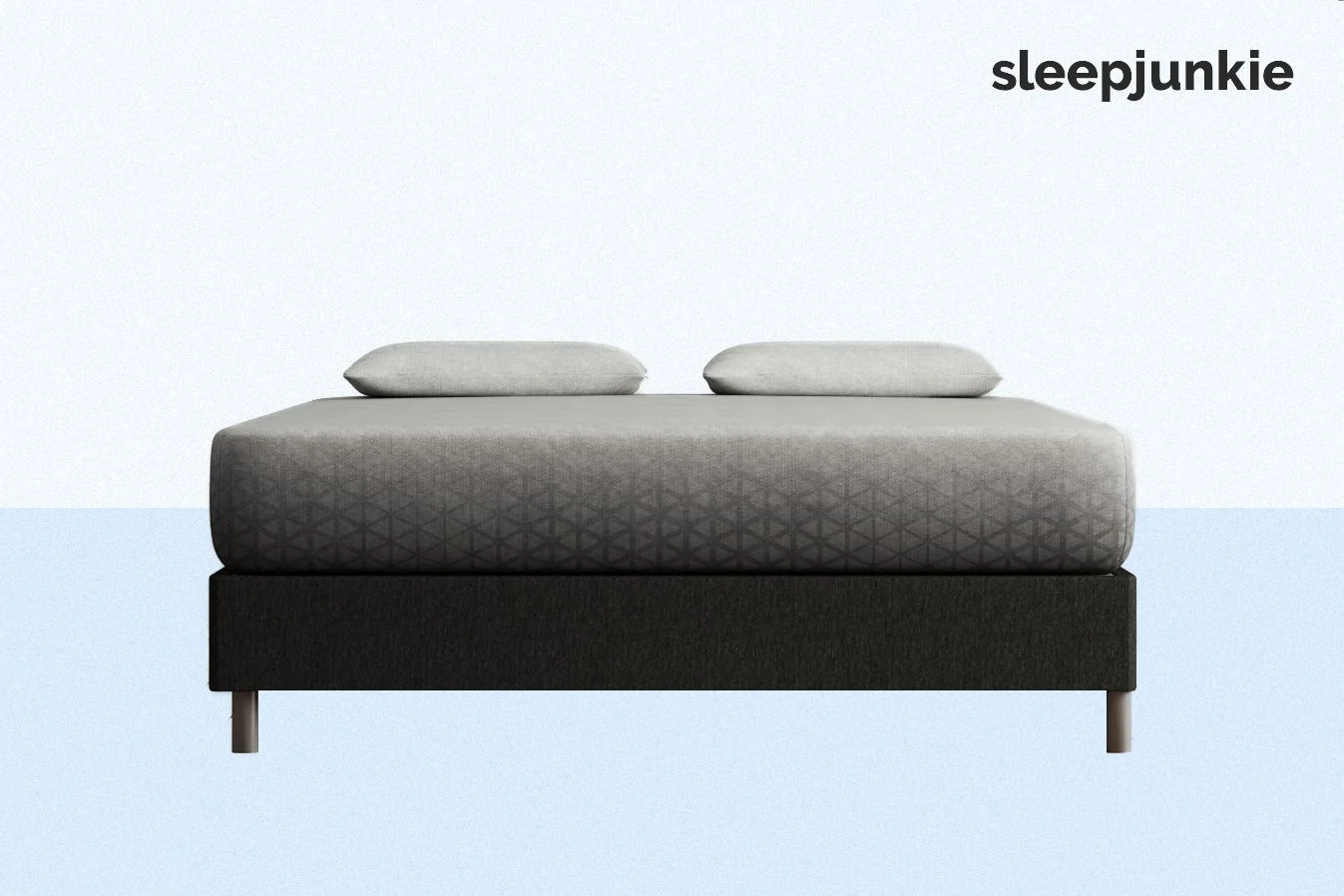
Short answer: No. Zoma states on its official FAQ that Zoma mattresses are 100% fiberglass-free and made with CertiPUR-US certified foams. Every model currently sold - Zoma Start, Zoma Hybrid, and Zoma Boost - uses a knit cover and inherent fire-barrier construction that does not rely on a glass-fiber sock.
That said, this question keeps coming up because a small number of older Zoma owners on Reddit have reported fiberglass-like shedding after years of use. Below we lay out what Zoma's current spec sheets and certifications actually say, what those user reports likely refer to, and the three checks any shopper can run in five minutes before pulling the trigger.
What Zoma's official documentation says
Zoma's customer FAQ states plainly: "Zoma mattresses are 100% fiberglass free and made with eco-friendly materials." That language is paired with CertiPUR-US certification, an independent program that tests every foam component for the chemicals shoppers most often worry about.
Specifically, CertiPUR-US verifies the foams contain no:
- PBDEs, TDCPP, or TCEP ("Tris") flame retardants
- Mercury, lead, or other heavy metals
- Formaldehyde
- Phthalates regulated by the CPSC
- Ozone depleters
- Low VOC emissions (under 0.5 parts per million)
Independent reviewers including CNET (Mar 2025), Sleepopolis, NapLab, and EachNight have all confirmed the same answer when asking directly: no fiberglass in any Zoma mattress they tested.
How Zoma passes fire safety without fiberglass
U.S. mattresses sold to consumers must pass 16 CFR Part 1633, the federal open-flame test enforced by the Consumer Product Safety Commission. Cheap online foam mattresses often hit that bar by sewing a thin sock of woven glass fiber into the cover. Heat it long enough and the glass turns into a ceramic-like char layer that smothers the flames.
Zoma takes a different route. Its current covers are knit polyester-and-spandex (97/3) with a non-fiberglass fire barrier layered between the cover and the comfort foam. That barrier uses inherently flame-resistant rayon and silica-treated cellulose fibers - chemically distinct from spun glass - so even a torn cover does not release the itchy glass shards that have caused class-action complaints against other brands.
Why shoppers trust Zoma
- Confirmed fiberglass-free across Start, Hybrid, and Boost models
- CertiPUR-US certified foams (no PBDEs, formaldehyde, heavy metals)
- Cover is safe to unzip and machine-wash on cold
- 100-night sleep trial backs the safety claim with returnability
- Made in the USA at Mattress Firm/Resident facilities with traceable BOMs
What to watch for
- A small number of older Reddit posts allege fiber shedding - likely polyester or rayon, not glass
- Zoma does not publish a third-party fiberglass-content test report
- Knit cover can pill if washed hot or dried on heat
- Fire-barrier composition is described as "proprietary" rather than fully itemized
What about the Reddit complaints?
If you search "Zoma fiberglass" you will land on a 2021 Reddit thread in r/Mattress where one owner says their Zoma "started leaking fiberglass a couple years after purchase." The post has stuck around in Google's top results for years and is the single biggest reason this question is still asked.
Here is the nuance worth knowing before you panic:
- Verification is hard at home. Fiberglass, polyester fill, and rayon fire-sock fibers all look like "shiny white strands" to the naked eye. Confirming glass requires a microscope or a burn test (glass melts into a hard bead; polyester drips; rayon turns to soft ash).
- No documented Zoma class action. Brands that actually used fiberglass - Zinus, Lucid, several private-label sellers - have faced class actions and CPSC inquiries. As of this writing, Zoma is not named in any of them.
- Zoma's BOMs are public via retailer filings. Mattress Firm lists every fiber in every Zoma cover; none of those line items is glass fiber. If a Zoma mattress shed glass, it would mean a manufacturing defect rather than a designed-in component.
That does not invalidate the Reddit user's frustration - a shedding cover is annoying regardless of fiber type. But it is a different problem than the fiberglass scandals you may have read about.
Three checks before you buy any Zoma mattress
- Read the law tag. Every U.S. mattress must list its fiber content on a sewn-in label. Look for "fiberglass," "glass fiber," or "glass wool." Current Zoma law tags list polyester, rayon, and polyurethane foam - none of those are fiberglass.
- Check the cover-removal instructions. Brands that use fiberglass print a giant "DO NOT REMOVE COVER" warning. Zoma's instructions invite you to unzip and machine-wash the cover - a strong tell that the inner barrier is non-friable.
- Match the model to the CertiPUR-US directory. Search certipur.us for "Zoma" - if every foam component shows current certification dates, the bedding has been independently tested within the last 18 months.
How Zoma compares to mattresses that do use fiberglass
Fiberglass is mostly a feature of bargain-priced, foam-only mattresses sold through Amazon and big-box retailers. The brands that have been hit with confirmed fiberglass complaints share a pattern: sub-$400 queens, all-foam construction, white-label manufacturing, and aggressive "do not remove the cover" warnings.
Zoma sits one tier above that - direct-to-consumer, U.S.-manufactured, with retailer (Mattress Firm) accountability and a published 10-year warranty. The economics make designed-in fiberglass less attractive: a class-action settlement would cost more than the rayon-and-silica fire barrier Zoma actually uses.
If fiberglass is a hard "no" for your household - kids, pets, or chemical sensitivities - Zoma is a defensible choice. Saatva, Helix, Nectar, and Purple also publish fiberglass-free statements backed by CertiPUR-US documentation.
Zoma fiberglass FAQ
Did any Zoma mattress ever contain fiberglass?
Zoma states that its mattresses have always been fiberglass-free. There is no public regulatory filing, CPSC recall, or class-action settlement linking Zoma to fiberglass shedding. Older Reddit reports of fibrous shedding are consistent with polyester or rayon fibers, not glass.
What is the Zoma cover made of?
Zoma covers are a knit blend of approximately 97% polyester and 3% spandex. Underneath the cover is a non-fiberglass fire barrier made from inherently flame-resistant rayon and silica-treated cellulose fibers.
Is it safe to unzip and wash a Zoma mattress cover?
Yes. Zoma's care instructions explicitly allow unzipping the cover and machine-washing it on cold, then air-drying. Brands that use fiberglass print prominent warnings against removing the cover for that exact reason.
How can I tell if my mattress has fiberglass?
Check the white law tag sewn into the side of the mattress. If it lists "fiberglass," "glass fiber," or "glass wool," the mattress contains it. Also look for warnings against removing the cover and search the brand model in the CertiPUR-US directory.
Are Zoma mattresses CertiPUR-US certified?
Yes. Zoma states that all foam components in its Start, Hybrid, and Boost mattresses are CertiPUR-US certified, meaning they have been tested for restricted flame retardants, heavy metals, formaldehyde, phthalates, and VOC emissions.
What should I do if I think my Zoma is shedding fibers?
Stop using the mattress, take photographs of the shed material, and contact Zoma customer support to open a warranty claim. Zoma's 10-year warranty covers manufacturing defects, including unintended cover failure. Do not vacuum the affected area until you have evidence preserved.
Need help picking a fiberglass-free mattress?
Visit a Banner Mattress showroom and our sleep specialists will walk you through the law tag, certification, and fire-barrier construction of every model on the floor.