The short answer
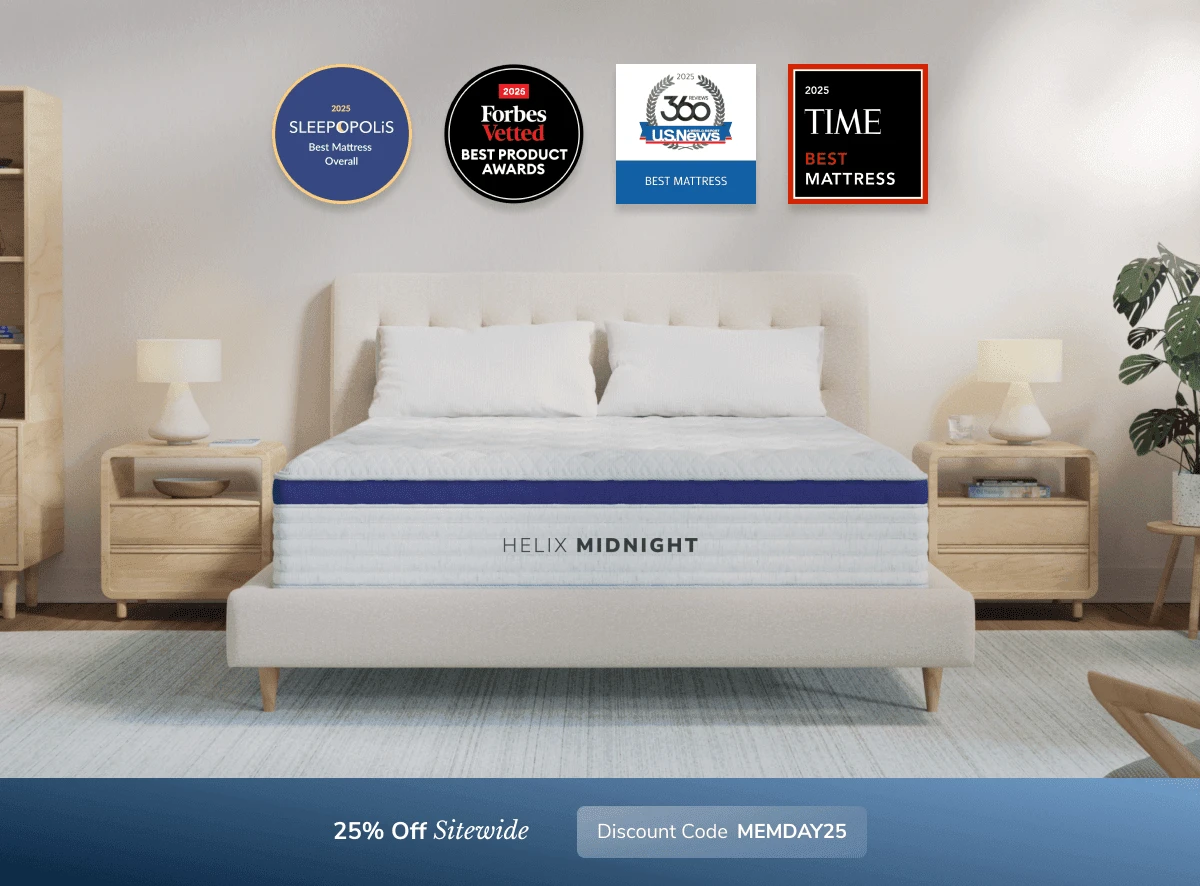
No - Helix mattresses sold today are not toxic. Every Helix and Helix Luxe mattress is CertiPUR-US and GREENGUARD Gold certified, meaning the foams are made without formaldehyde, mercury, lead, heavy metals, ozone depleters, or PBDE flame retardants, and the whole mattress emits low enough VOCs to pass California's Section 01350 limits - the same standard used for schools and healthcare facilities. Current Helix mattresses also use a rayon-based fire-resistant barrier instead of fiberglass.
If you want a deeper guarantee - no polyfoam at all, organic certifications like GOTS or GOLS - Helix is not the right brand; you'd want a Birch (Helix's sister line), Avocado, or Saatva Latex Hybrid instead. But on the question of "toxic vs. safe," the answer for any Helix made after 2020 is firmly safe.
Why Helix is considered safe
- CertiPUR-US foams (no formaldehyde, lead, mercury, PBDEs)
- GREENGUARD Gold certified for low VOC emissions
- Fiberglass-free since 2020 - uses rayon fire barrier
- Helix Kids tested for phthalates, lead, and low VOCs
- Manufactured in the USA with traceable suppliers
Where Helix falls short of "organic"
- Foams are still petroleum-derived polyurethane, not latex
- No GOTS or GOLS organic certification on the standard line
- Mild new-mattress smell (off-gassing) for 24-72 hours
- Pre-2020 models may contain fiberglass in the cover
What the certifications actually mean
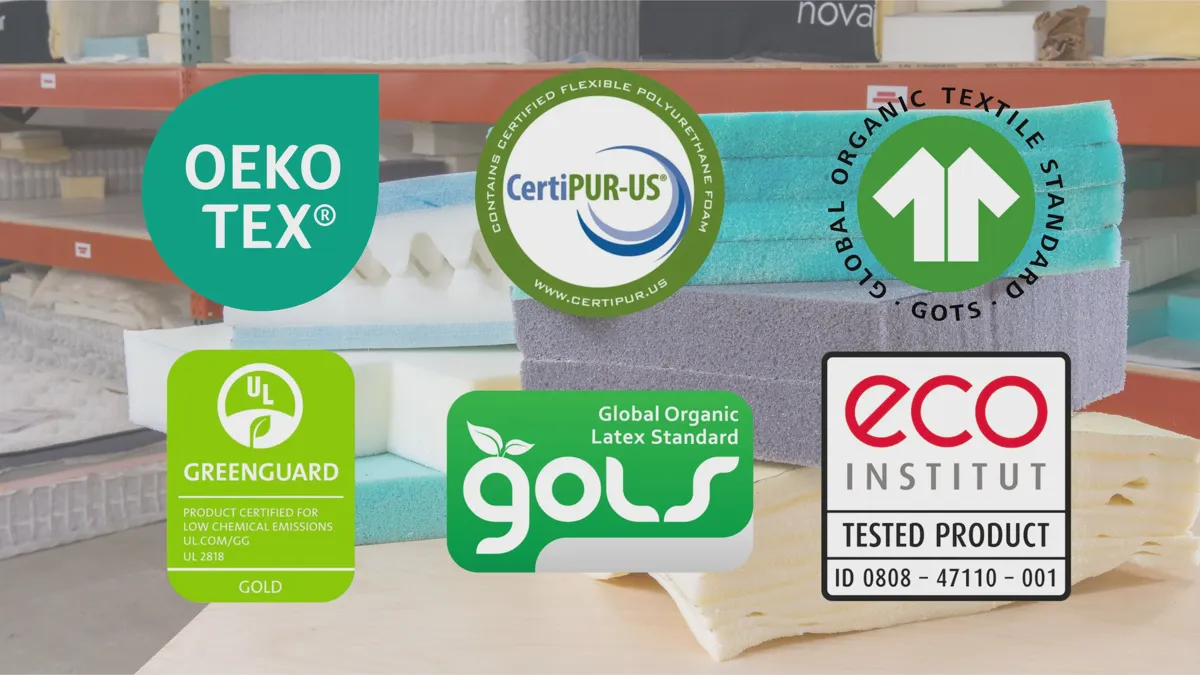
Mattress brands throw around badges, but only a handful are independently audited. Here's what the two Helix carries on every bed actually test for.
CertiPUR-US
A program for polyurethane foam (memory foam, polyfoam) that bans formaldehyde, mercury, lead, heavy metals, methylene chloride, ozone-depleting CFCs, PBDE/TDCPP/TCEP flame retardants, and high-phthalate plasticizers. It also caps total VOC emissions at 0.5 parts per million. Foam is tested by independent labs, not the brand.
GREENGUARD Gold
A UL-administered standard that tests the assembled mattress (not just the foam) for emissions of more than 360 individual VOCs and total chemical exposure. The Gold tier is calibrated for sensitive users - children, the elderly, and people with chemical sensitivities - and is the same threshold used for products in schools and hospitals.
What Helix doesn't carry
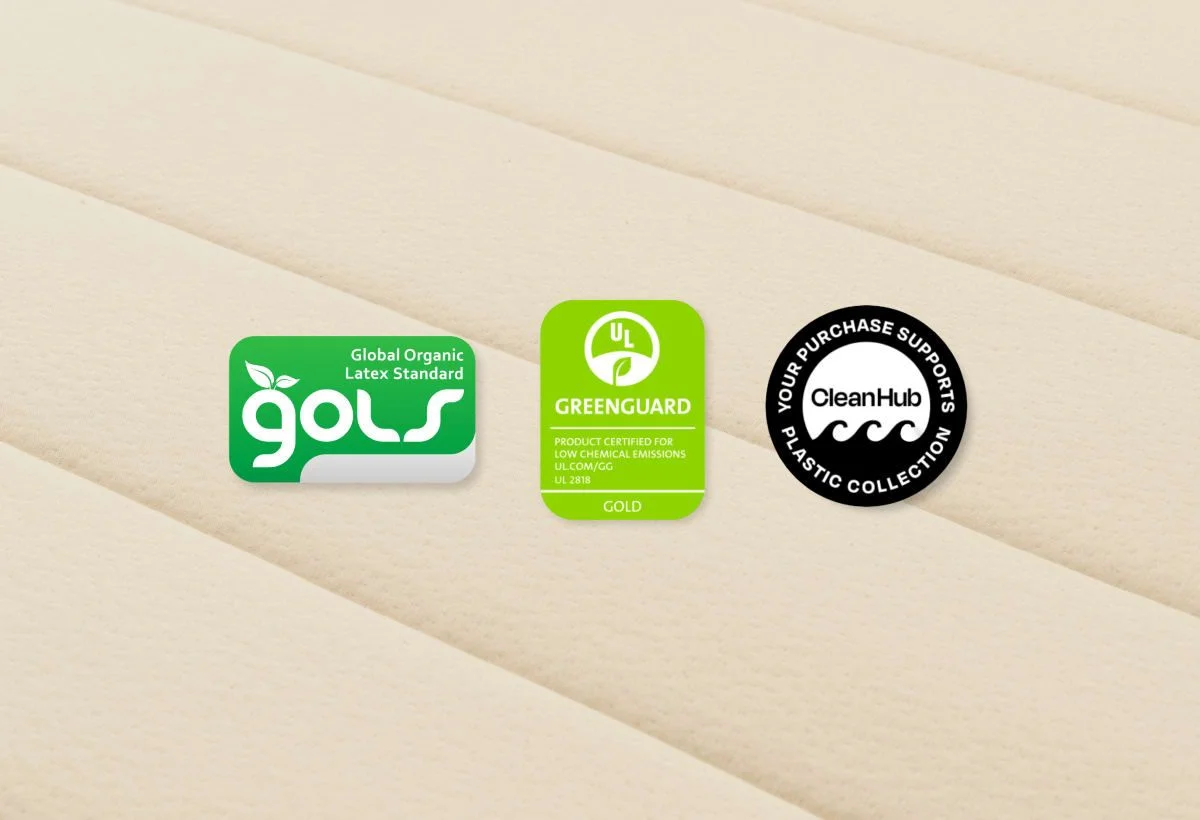
Helix's standard line is not GOTS (Global Organic Textile Standard) or GOLS (Global Organic Latex Standard) certified, because the foams aren't organic. If GOTS/GOLS matters to you, look at Birch (made by Helix's parent company) or Avocado.
The fiberglass question, answered
This is the single most asked question on Reddit, and the answer has changed over time. Helix mattresses manufactured before mid-2020 used a glass-fiber inner sock as a fire barrier - federal law (16 CFR 1633) requires every mattress sold in the US to pass an open-flame test, and fiberglass was the cheapest way to do it. If the cover stayed zipped, this was inert. The problem was that owners who unzipped or removed the cover for washing released microscopic glass fibers throughout their home.
Helix switched all current production to a rayon-based fire barrier (a viscose fiber treated to char rather than burn). That's why the AI Overview on Google now lists Helix as fiberglass-free. If you're buying new from helixsleep.com or an authorized retailer in 2024 or later, the bed will not contain fiberglass. Used or pre-2020 stock is the exception - confirm the manufacture date on the law tag before buying secondhand.
What Helix mattresses are made of
Most Helix models are hybrids: pocketed steel coils for support, polyfoam transition layers, and a comfort layer of memory foam or polyfoam tuned for the firmness profile (Sunset for plush, Midnight for medium, Twilight for firm, Dawn for back/stomach sleepers). Covers are a polyester/polypropylene knit. Helix Luxe adds a quilted pillow-top with extra memory foam; Helix Elite adds zoned coils and high-density support foam.
The polyfoam and memory foam are the components that need certification - and they have it. The cover fabric and coils don't off-gas in any meaningful way; coils are inert steel and the fabric is woven, not chemically treated.
Off-gassing: what to expect, what to do
Almost any compressed-in-a-box mattress has a mild chemical smell when you first unbox it. With a Helix it's typically gone in 24 to 72 hours. The smell isn't dangerous (GREENGUARD Gold testing already verified that), but it can be unpleasant. To speed it up:
- Unbox the mattress in a well-ventilated room with a window cracked
- Run a fan across it for the first 24 hours before sleeping on it
- Don't sleep directly on the bare foam - use a fitted sheet or mattress protector
- If you're chemically sensitive, let it air out 48 hours before adding bedding
Helix gives you a 100-night sleep trial, so if the smell or the feel doesn't work for you, you can return it for a refund.
Helix Kids: the strictest version
Helix Kids is independently tested to a tighter spec than the adult line: low-VOC, lead-free, and phthalate-free, with a hypoallergenic, water-repellent cover designed for accidents and spills. It carries the same CertiPUR-US and GREENGUARD Gold certifications as the rest of the line, plus extra third-party testing. If a kids' mattress is your concern, this is the model to look at - not a generic Helix Midnight.
Helix vs. truly organic options
If you want a non-toxic mattress and Helix doesn't satisfy you on principle (because polyurethane is petroleum-based), the natural step up is Birch by Helix - same parent company, but built with GOTS-certified organic cotton, GOTS organic wool, and GOLS-certified natural Talalay latex over recycled steel coils. Avocado Green is the other major option in this category. Both run $500-$1,000 more than a comparable Helix model and are not as pressure-relieving as memory foam - they sleep firmer.
For most buyers, Helix's certifications are more than enough. The "organic" upgrade only matters if you're allergic to polyfoam off-gassing, want a 100% natural fiber mattress on principle, or are buying for a child with severe chemical sensitivities.
Frequently asked questions
Are Helix mattresses safe for babies and toddlers?
Helix Kids is the only model designed for children - it's tested for low VOCs, lead, and phthalates beyond the standard CertiPUR-US/GREENGUARD spec. For infants under 12 months, pediatricians recommend a firm crib mattress meeting CPSC infant standards rather than any adult-sized bed.
Do Helix mattresses contain formaldehyde?
No. CertiPUR-US certification specifically prohibits formaldehyde in the foam, and GREENGUARD Gold testing measures formaldehyde emissions from the assembled mattress and certifies them below sensitive-population limits.
Do Helix mattresses off-gas?
Yes - like virtually every boxed mattress, you'll notice a mild chemical smell for 24 to 72 hours. It's been independently verified as safe under GREENGUARD Gold but can be unpleasant. Open a window and run a fan to clear it faster.
Is Helix Sleep fiberglass-free?
Yes for any mattress made in 2020 or later - Helix switched to a rayon flame barrier. Pre-2020 models did contain fiberglass in the inner cover sock; check the law tag manufacture date if buying used.
How long does a Helix mattress last?
Most users get 7 to 10 years of comfortable use. Helix Standard models come with a 10-year warranty; Helix Luxe and Elite carry 15-year warranties. Lifespan depends on body weight, usage, and whether you rotate it every 6 months.
What's the least toxic Helix?
If you want the safest Helix-family mattress, choose Birch Natural - it's GOTS/GOLS organic, made of latex, wool, and cotton with no polyfoam at all. Within the standard Helix line, all models meet the same certifications, so pick by firmness and sleeping position rather than safety.
Does Helix have any active lawsuits or recalls?
As of 2026, there are no active CPSC recalls on Helix mattresses. The fiberglass concerns from older boxed mattress brands (Zinus, Linenspa) led to class-action suits against those brands specifically; Helix transitioned away from fiberglass before any litigation.