If your new mattress feels stiff, too firm, or just not quite right the first night, that's almost always normal. The materials inside need time to warm up, decompress, and shape to your body. Plan on 30 to 60 days for most modern mattresses to fully break in - closer to two weeks for an innerspring, and up to four months for a dense memory foam like Tempur-Pedic.
Below is a fast-acting routine that works across foam, hybrid, and innerspring mattresses, plus what to expect by type and when discomfort means you should use the comfort guarantee instead of waiting it out.
How long does a mattress take to break in?
There is no single answer - break-in time depends on the construction, the density of the foam, your body weight, and how often you sleep on it. These ranges line up with what major brands publish for their own products:
- Innerspring: 1 to 2 weeks. Coils settle quickly, and there is little foam to soften.
- Hybrid: 30 to 45 days. Both coils and a thicker foam comfort layer need time.
- Memory foam: 30 to 60 days for most mid-density foams; up to 90 days for high-density foam.
- Tempur-Pedic / dense memory foam: Up to 4 months - the proprietary TEMPUR material is one of the slowest to soften.
- Latex: 2 to 14 days. Latex barely needs a break-in.
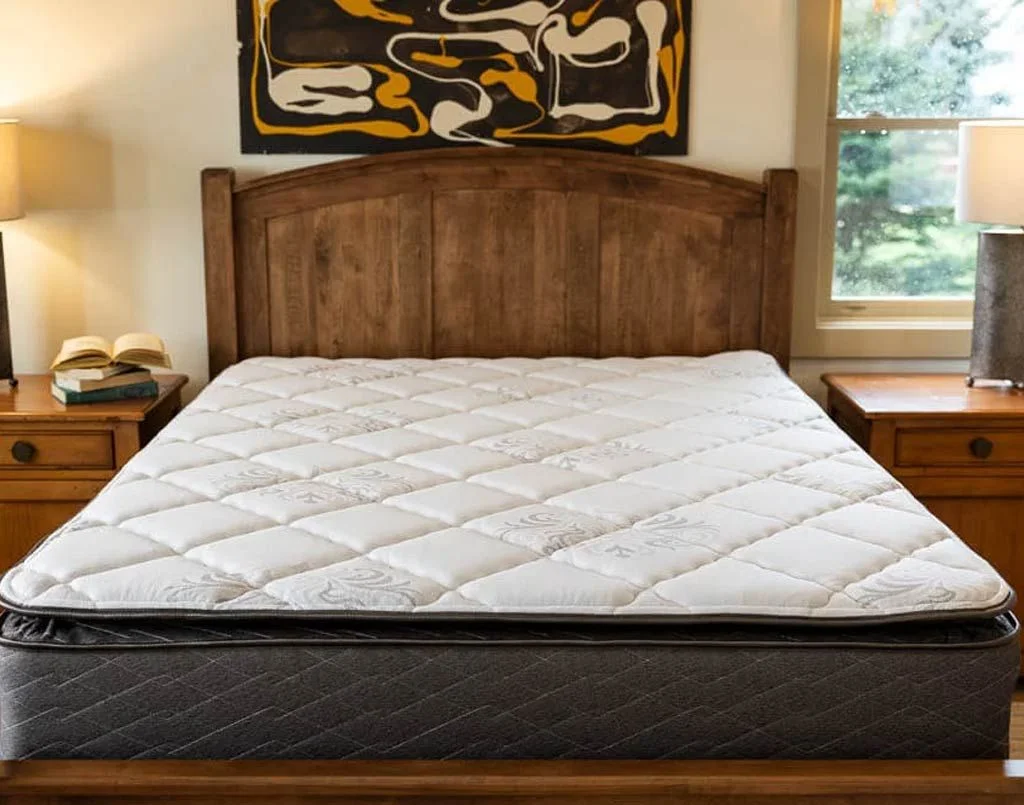
- Pillowtop: About 30 days for the top layer to compress and contour.
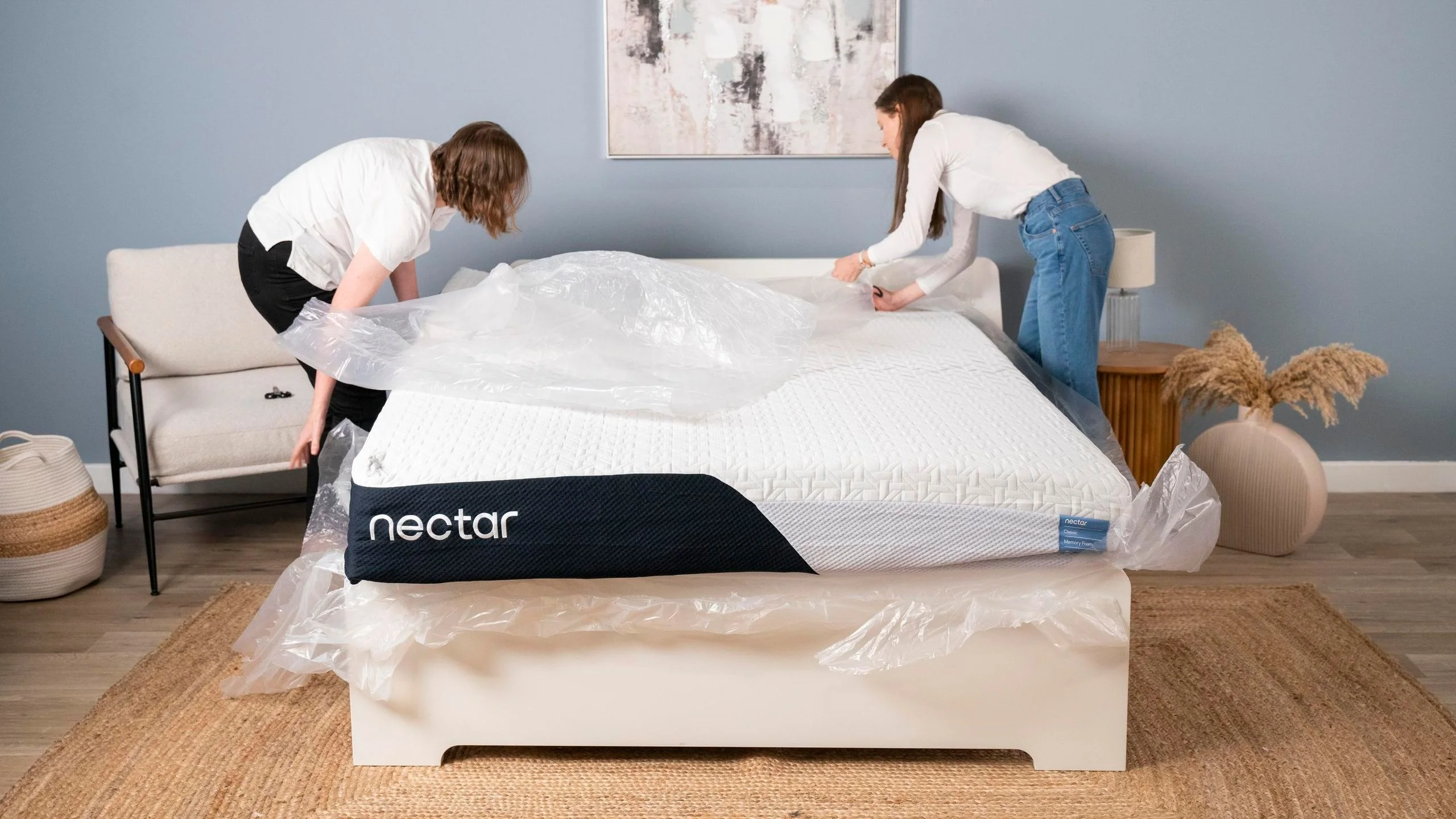
If your mattress arrived rolled and compressed in a box, give it at least 24 to 72 hours to fully decompress before judging the feel. Sleeping on it before it has expanded can permanently damage the foam.
6 steps to break in your new mattress faster
1. Unbox it and let it breathe before you sleep on it
Cut the plastic, unroll the mattress, and walk away. Most bed-in-a-box brands publish a 24 to 72 hour expansion window - Nectar specifies up to 72 hours, while Casper recommends at least 24. Sleeping on the mattress before the foam has fully reflated traps air pockets and can leave permanent dips. Open a window for the first day if you smell off-gassing - it is non-toxic but unpleasant.
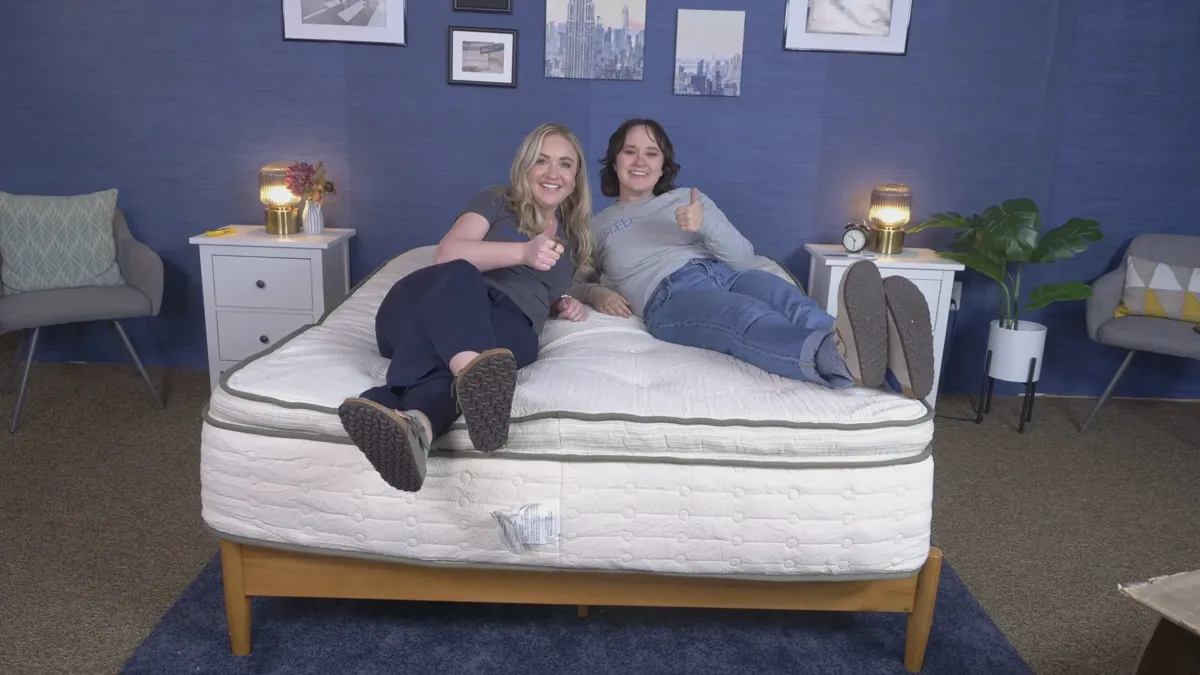
2. Sleep on it every night, even if it feels off
Your body weight and heat are the two biggest break-in tools you have. The materials need real, repeated pressure to compress and contour. Falling back to a sofa or guest bed for the first week is the single most common reason people complain that a mattress "never broke in."
3. Warm the room slightly
Memory foam is temperature-sensitive: it gets softer and more pliable as it warms. You don't need a sauna - just keep your bedroom in the comfortable upper end of normal (around 68 to 72 °F / 20 to 22 °C) during break-in instead of a chilly 60 °F. This step does almost nothing for innersprings or latex.

4. Apply pressure: walk, kneel, or roll
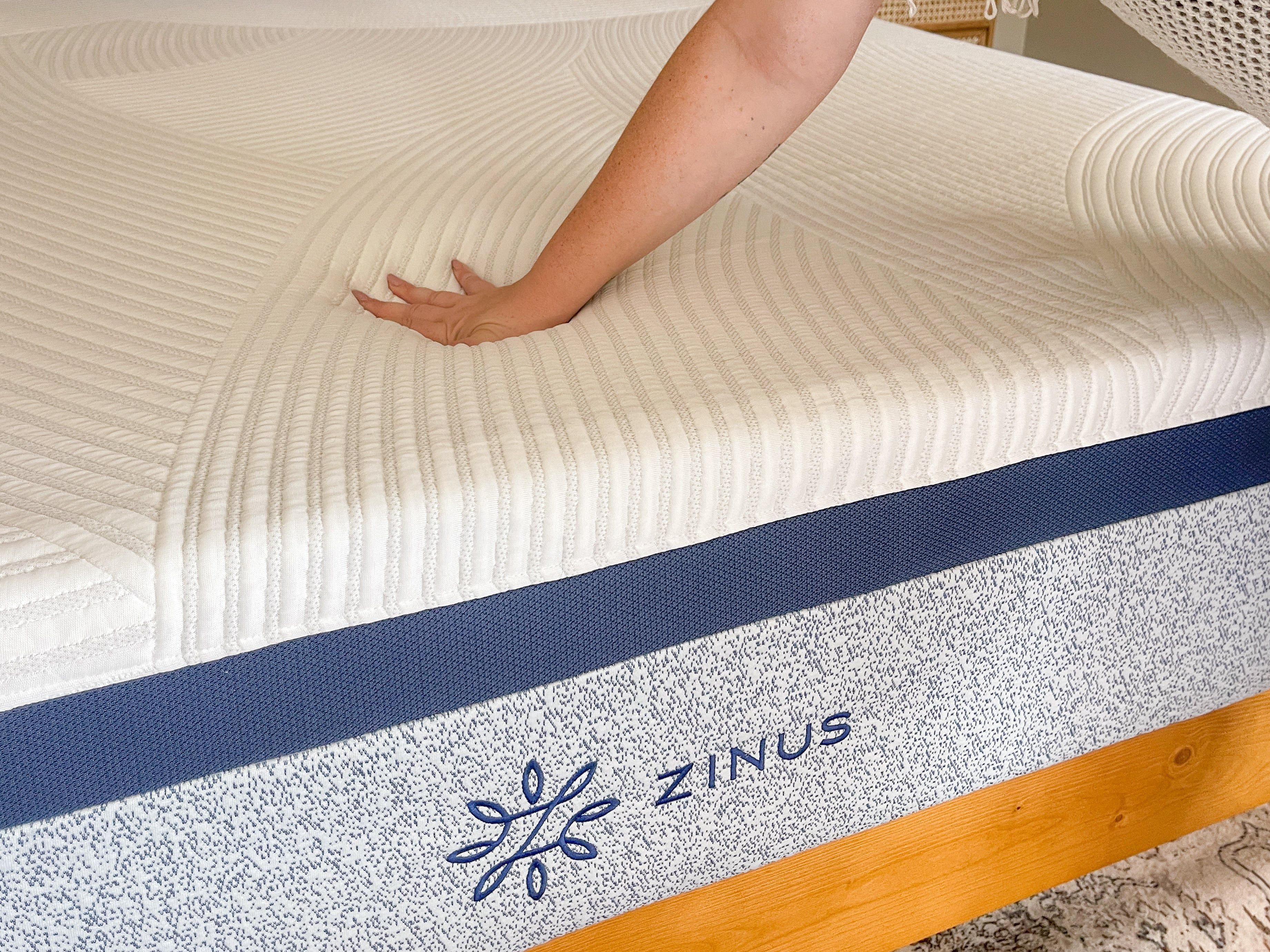
Mattress Firm and Texas Mattress Makers both recommend walking on the bed in socks (or kneeling and rolling) for a few minutes a day. Move along the length of the mattress, then across, focusing on areas you sleep on most. Avoid jumping or rough activity - that compresses materials unevenly and can damage coils or foam structure.
5. Rotate every 2 to 4 weeks
Rotate the mattress 180 degrees (head to foot) every two to four weeks during the first three months, then every three to six months after. Almost no modern mattress should be flipped - the comfort layer is built on top of a separate support core. Check your manufacturer's guidance; if there is no "this side up" tag, it is single-sided.
6. Hold off on the topper for at least 30 days
It is tempting to throw a topper on top to soften a too-firm bed right away, but a topper acts as a buffer and slows down break-in. Wait until you've slept on it for at least 30 nights at the original feel before deciding the mattress itself is the problem.
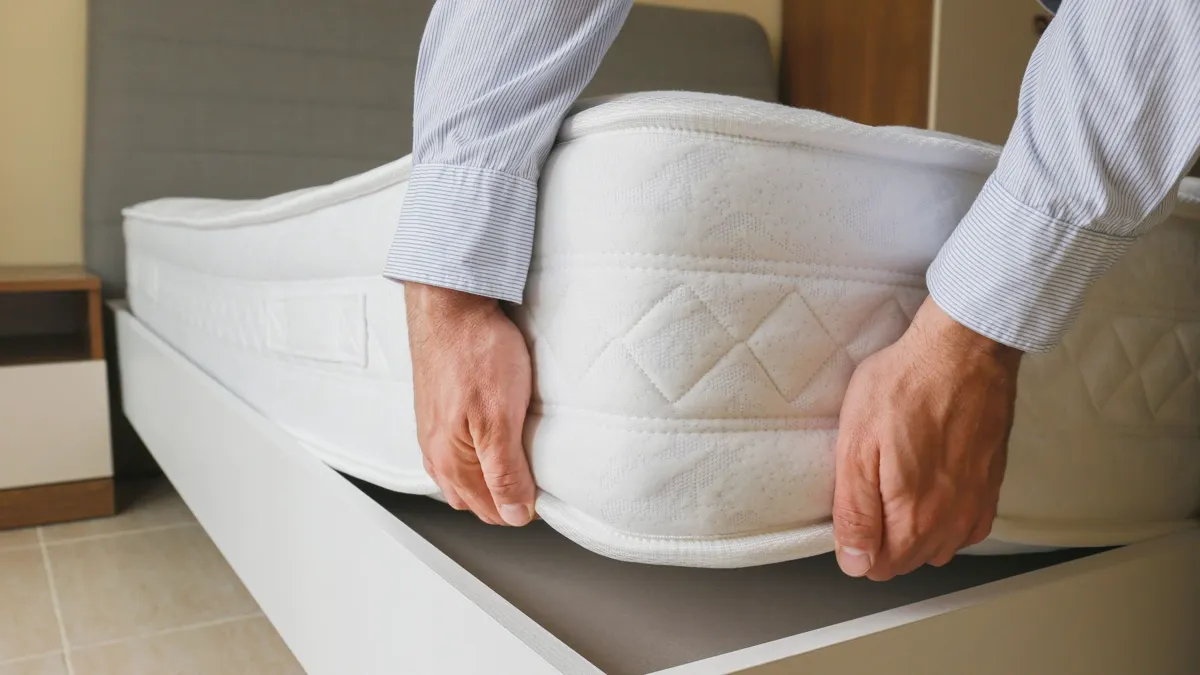
Speeds up break-in
- Sleeping on it consistently every night
- Walking, kneeling, or rolling on it daily
- Keeping the bedroom in the 68-72 °F range
- Rotating head-to-foot every 2-4 weeks
- Letting it fully decompress (24-72 hours) before first use
Slows it down or causes damage
- Sleeping elsewhere because it feels firm
- Adding a topper in the first 30 days
- Jumping or letting kids/pets jump on it
- Flipping a single-sided mattress
- Using a slatted frame with gaps wider than the warranty allows
When discomfort is not normal break-in
Some discomfort is expected for the first few weeks. These signs are not break-in - they mean the mattress is wrong for you, defective, or unsupported by the frame:
- New or worsening back, hip, or shoulder pain that hasn't improved by week 4.
- Visible body impressions deeper than 1 to 1.5 inches in the first 90 days.
- A sagging line down the middle of a king or queen on a frame with center-leg support missing.
- Sharp coils, popping sounds, or off-gassing smell that hasn't faded after two weeks.
- You wake up hotter than the mattress description promised - comfort layers don't "break in" cooler.
Most direct-to-consumer brands (Nectar, DreamCloud, Saatva, Tempur-Pedic, and others) require you to sleep on the mattress for a minimum 30-night break-in before you can start a return or exchange under their sleep-trial guarantee. Document the date of arrival so you don't miss the window.
Foundation matters more than break-in technique
A modern mattress on the wrong foundation will feel firm, sag prematurely, and void your warranty. Rules to check before you blame the break-in:
- Slats no more than 3 inches apart for foam and hybrid mattresses (most warranties require this).
- A queen, king, or California king needs a center support leg touching the floor.
- Old box springs designed for innerspring beds will collapse under foam - replace with a flat foundation or platform.
If you're not sure which firmness or size you need in the first place, our mattress firmness guide and mattress sizes guide walk through the trade-offs by sleeper position and body type.
Mattress break-in FAQ
How long does it take to break in a new mattress?
Most modern mattresses take 30 to 60 days to fully break in. Innersprings settle in 1-2 weeks, hybrids in 30-45 days, memory foam in 30-60 days, and dense Tempur-Pedic foam can take up to 4 months. Latex breaks in within 2 weeks.
Can I sleep on a bed-in-a-box right after unboxing?
You can, but you shouldn't. Wait at least 24 hours and ideally 48-72 hours for the foam to fully decompress. Sleeping on it too early can cause permanent body impressions or trapped air pockets, and some brands void the warranty if you use it before full expansion.
Does walking on a new mattress help break it in?
Yes - gentle walking, kneeling, or rolling along the surface in socks for a few minutes a day applies even pressure that helps foam and coils soften faster. Avoid jumping, which damages the support layer.
Should I flip my new mattress to break it in?
Almost certainly not. Modern mattresses are single-sided - flipping puts the support core on top and ruins comfort. Rotate 180 degrees (head to foot) every 2-4 weeks instead. Only true dual-sided mattresses with a clear flip tag should be flipped.
What if my mattress still feels too firm after the break-in period?
If you have slept on it consistently for 30-60 nights and it still feels too firm, contact the brand. Most direct-to-consumer brands come with a 100+ night sleep trial and free return or exchange. After the trial expires, a 2-3 inch memory foam or latex topper is a lower-cost fix than replacing the mattress.
Will a mattress topper speed up break-in?
No - a topper acts as a buffer between you and the mattress and actually slows the break-in process by reducing the pressure that softens the materials underneath. Wait at least 30 days before adding a topper.