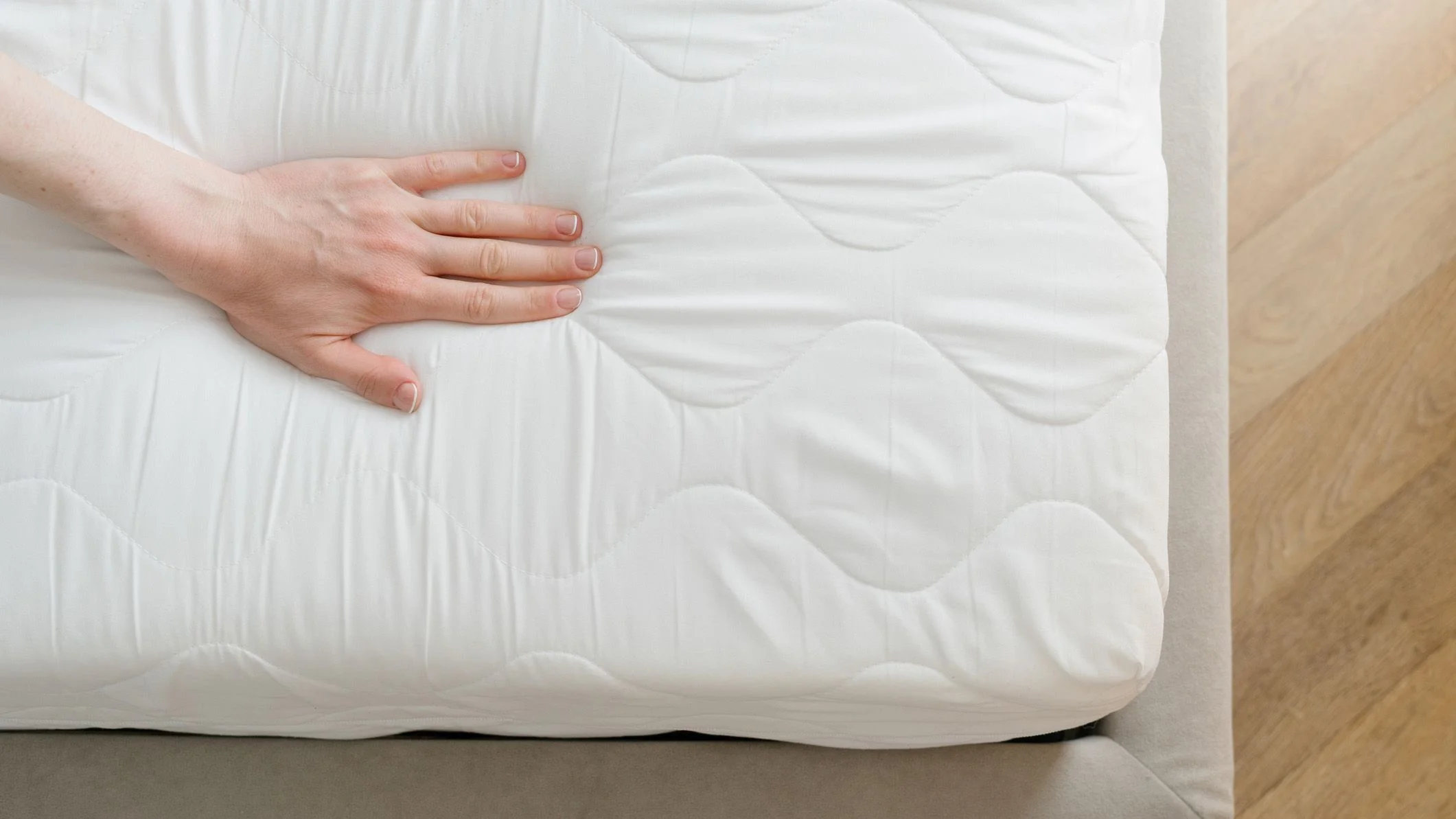

If your memory foam mattress feels like quicksand instead of a supportive surface, you are not alone. Memory foam softens with body heat, age, and a worn-out foundation - and once it does, the spinal alignment, edge support, and pressure relief you bought it for slowly disappear.
The good news: you do not always need to replace the mattress to get the firm feel back. Below are eight evidence-based fixes that range from a 10-minute thermostat tweak to a one-time bed-frame upgrade. We will also cover which firmness level matches your sleep position and the warning signs that tell you it is time for a new bed.
Why your memory foam mattress feels too soft
Memory foam is viscoelastic - it deforms in response to heat and weight, then slowly recovers. That is the feature, not a bug. But three things can push the feel from contouring to sinking:
- Heat. Foam softens noticeably above ~75°F (24°C). A hot bedroom or a heat-trapping topper compounds the issue.
- Foundation failure. Sagging slats, a worn box spring, or a frame with slats spaced wider than 3 inches lets the mattress dip in the middle.
- Age and break-in. Most memory foam mattresses feel softest after 2-4 years. Once the comfort layer compresses past its elastic limit, it stays soft.
Identify which of these is the culprit before throwing money at fixes - a $5 thermostat change will not help if your slats are broken.
8 ways to make a memory foam mattress firmer
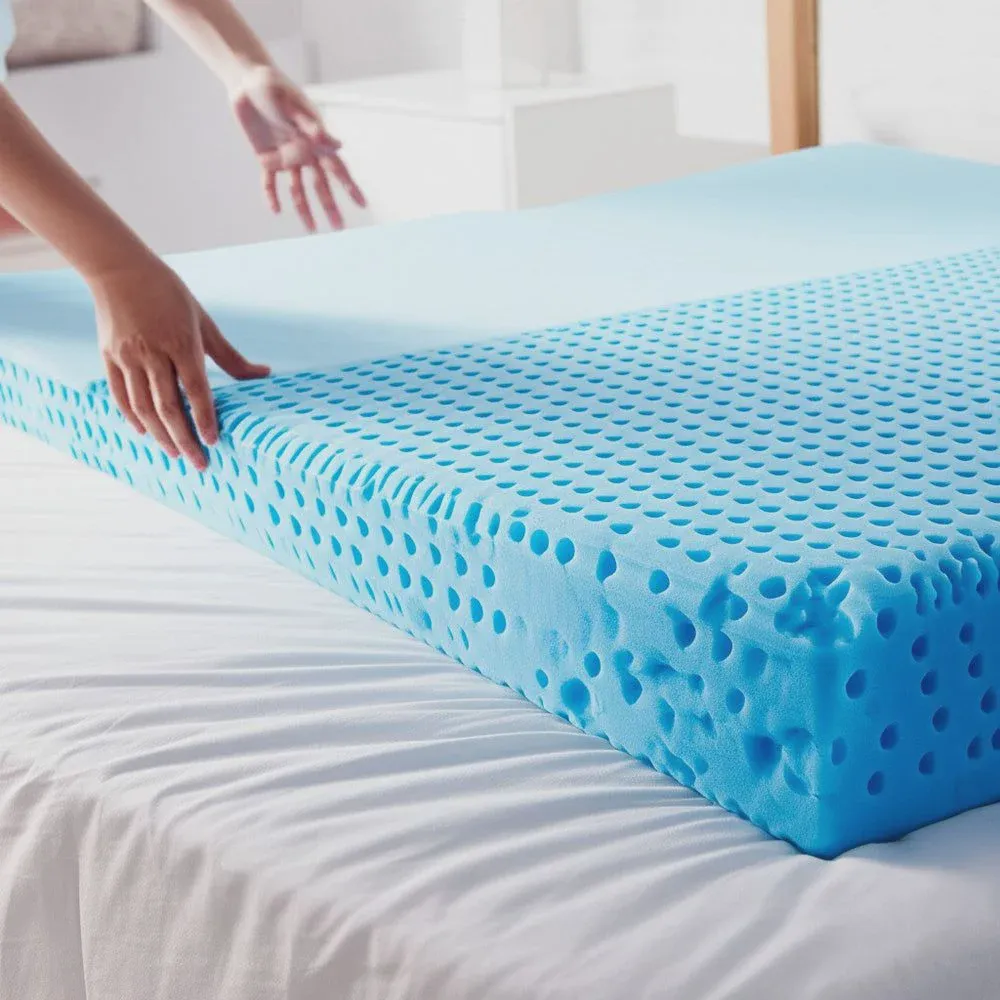
1. Add a firm mattress topper
The single most effective fix. Look for a 2-to-3-inch topper made of high-density memory foam (4 lb/ft³ or higher) or natural latex in a firm rating. Avoid soft plush toppers - they add cushion, not support.
- Best for: mild-to-moderate softness, back or stomach sleepers wanting more spinal support.
- Skip if: your mattress already sags more than 1.5 inches - a topper bridges, but does not fix, structural sag.
2. Place plywood between the mattress and foundation
A 1/2-inch to 3/4-inch sheet of plywood, cut about 1 inch shorter than your mattress on each side, creates a rigid base that prevents the foam from sinking through soft slats or a worn box spring. Sand the edges and wrap it in a fitted sheet to avoid splinters or fabric snags.
This is the cheapest fix on the list - usually under $40 - and it noticeably increases firmness within one night.
3. Upgrade your bed frame or fix the slats
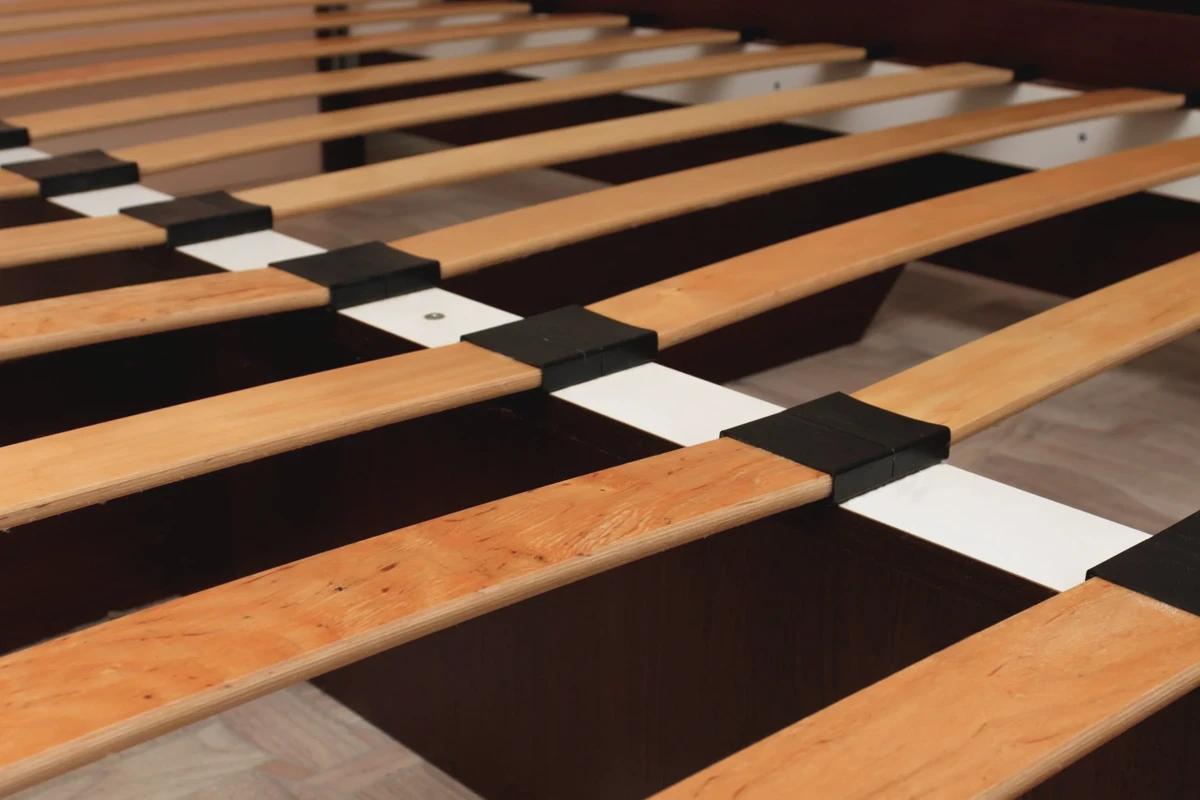
If you can flex your slats by hand, your mattress is sinking through them. Two options:
- Tighten what you have: add cross-supports or replace bowed slats. Slats should be no more than 3 inches apart for a memory foam mattress, per most manufacturer warranties.
- Move to a platform bed: a solid platform with a bunkie board provides the firmest base possible without buying a new mattress.
4. Lower the bedroom temperature
Memory foam responds dramatically to ambient temperature. Setting the thermostat to 65-68°F (18-20°C) - which sleep researchers also recommend for sleep quality - keeps the foam denser and firmer overnight. Add a breathable, non-insulating mattress protector to avoid trapping body heat in the comfort layer.
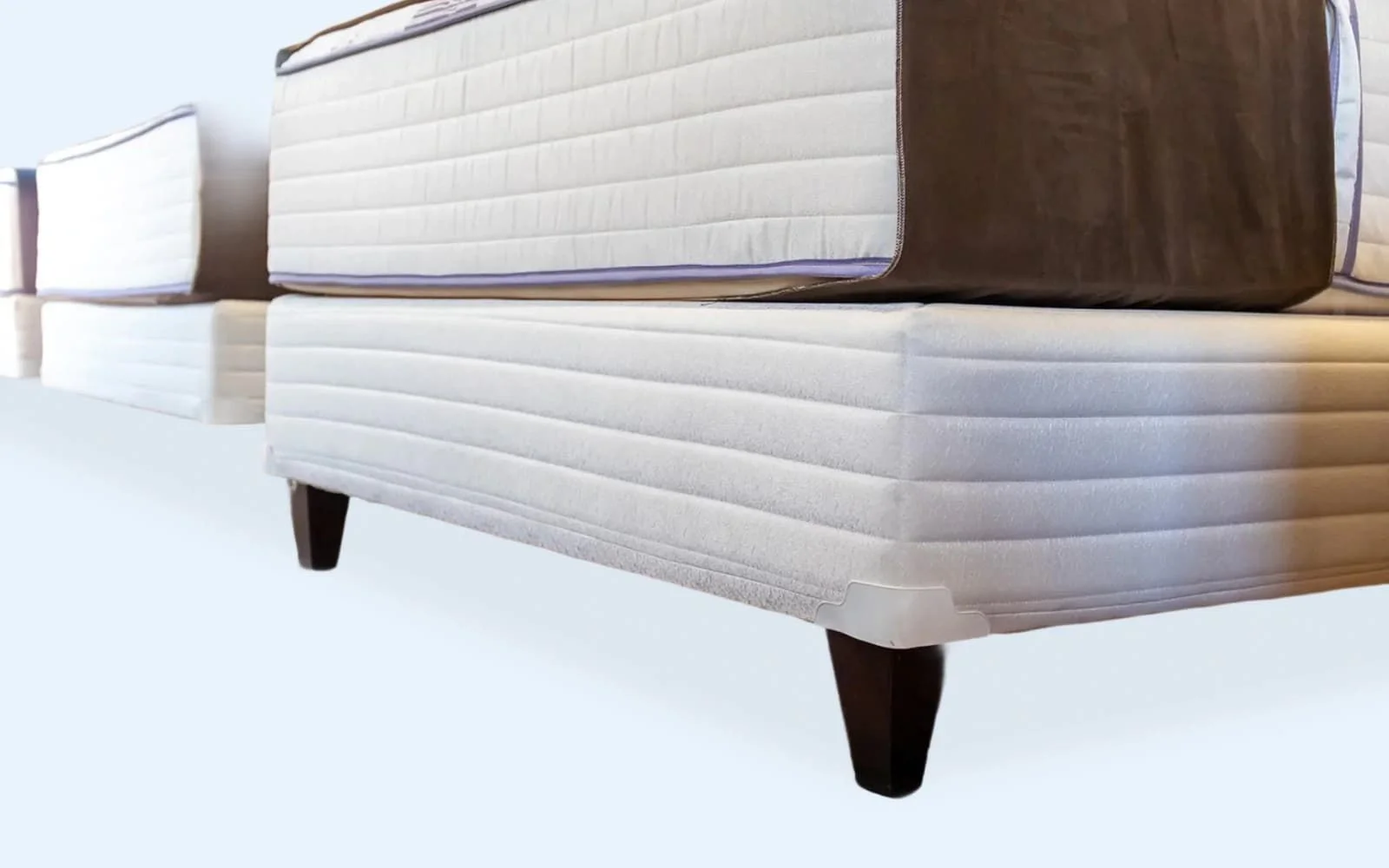
5. Replace a worn box spring or foundation
Box springs were designed for innerspring mattresses, not memory foam. If you are using one that is more than 5-7 years old, the springs have likely lost tension. Replace it with:
- A bunkie board (1.5-3 inches of plywood-style support) - the lowest-cost upgrade.
- A solid foundation designed for memory foam - best long-term.
6. Rotate the mattress 180°
Memory foam mattresses today are almost never flippable, but most should be rotated head-to-foot every 3-6 months. This redistributes wear, prevents body impressions, and recovers some of the firmness lost in the most-used zone (usually the hips).
7. Try the floor for a temporary fix
Placing the mattress directly on a clean, hard floor gives it the firmest possible support. It is a useful diagnostic - if your mattress feels great on the floor, your foundation is the problem, not the mattress. Use a moisture barrier and rotate often if you keep it there more than a few weeks; floor-resting traps humidity and risks mold.
8. Break in a brand-new mattress correctly
If the mattress is less than 60 days old and feels soft, it may simply be over-relaxed from manufacturing heat. Walk on it, sleep on it, and rotate it for 30-60 days at a stable 65-68°F. Many memory foam beds firm up noticeably once the cell structure fully expands and finds its working density.
Match the firmness level to your sleep position
Back sleepers: 6-7 (medium-firm). Keeps the lumbar spine neutral and prevents lower-back arch.
Stomach sleepers: 7-8 (firm). Stops hips from sinking and hyperextending the lumbar spine.
Side sleepers: 4-6 (medium). Allows the shoulder and hip to sink for spinal alignment.
Combination sleepers: 5-7 (medium to medium-firm). A compromise that supports back and stomach without crushing side-sleep zones.
Heavier sleepers (230 lb+): go one step firmer than the row that matches your position. Heavier bodies compress foam more, so a firmer rating offsets it.
If you are a side sleeper and your mattress feels too firm after these fixes, you have probably overcorrected. Remove the topper or plywood.
Mistakes to avoid
- Do not stack two toppers. It traps heat and accelerates sagging in the comfort layer underneath.
- Do not flip a non-flippable mattress. Most memory foam beds have a single firm support core under a comfort layer - flipping puts you on the support layer with no cushion and voids the warranty.
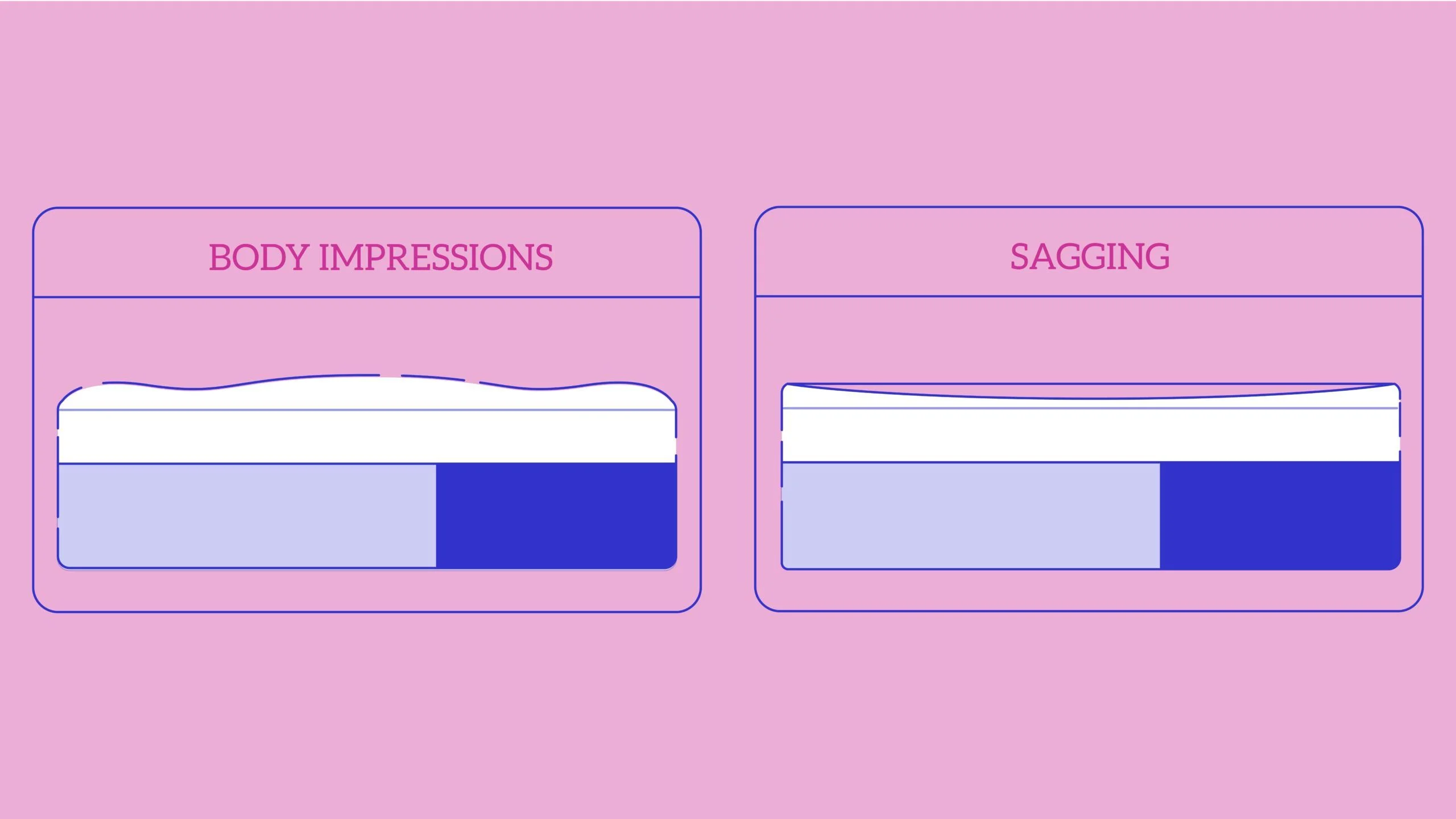
- Do not ignore a sagging spot. Once you can see a body impression deeper than 1.5 inches with no weight on it, no fix will restore proper alignment. Manufacturers consider that a warranty defect on most mattresses under 10 years old.
- Do not over-firm. A mattress that is too firm causes pressure points at the shoulders and hips, especially for side sleepers.
When it is time to replace the mattress
Firming fixes work on a healthy mattress with a tired foundation. They do not work on a mattress that is structurally done. Replace when you see any of:
- Visible sag deeper than 1.5 inches with no one on the bed.
- Waking up with new lower-back or hip pain that disappears after a night away from home.
- The mattress is older than 8-10 years (memory foam's typical lifespan).
- Allergies or asthma worsening - memory foam accumulates dust and dander over time.
When you do replace, file the receipt. Most premium memory foam beds carry a 10-year warranty that covers sag over 1.5 inches. Many people qualify and never claim it.
Frequently asked questions
Does a memory foam mattress get firmer over time?
No - the opposite. Memory foam softens with use as the cell walls fatigue. The exception is the first 30-60 days of break-in, when a brand-new mattress relaxes from compressed shipping and may feel firmer afterward as it stabilizes.
How long does it take to firm up a memory foam mattress?
A topper or plywood works overnight. A thermostat change shows results in 1-2 nights. A new foundation is immediate. Break-in adjustment takes 30-60 days.
Can you make a memory foam mattress firmer without a topper?
Yes. Plywood, a new bed frame or bunkie board, and a cooler bedroom all work without adding a topper. Combine two of those for a noticeable change.
Will a plywood board damage my memory foam mattress?
No, as long as the plywood is sanded smooth and slightly smaller than the mattress so the cover does not snag on edges. Some manufacturers actually recommend a plywood or bunkie-board base to maintain warranty coverage.
Why is my new memory foam mattress so soft?
Most likely break-in plus a warm room. Give it 30-60 days at 65-68°F before judging. If it is still too soft, use the sleep-trial return window - almost every online memory foam brand offers 100+ nights.
Bottom line
A too-soft memory foam mattress usually has a fixable cause: a hot bedroom, a worn foundation, or the wrong firmness for your sleep position. Start with the cheapest diagnostic - drop the thermostat and put the mattress on the floor for a night. If that solves it, fix the foundation. If it does not, add a firm topper or plywood. And if the mattress itself is sagging visibly past 1.5 inches or you are past the 10-year mark, no fix will hold - it is time for a replacement.