
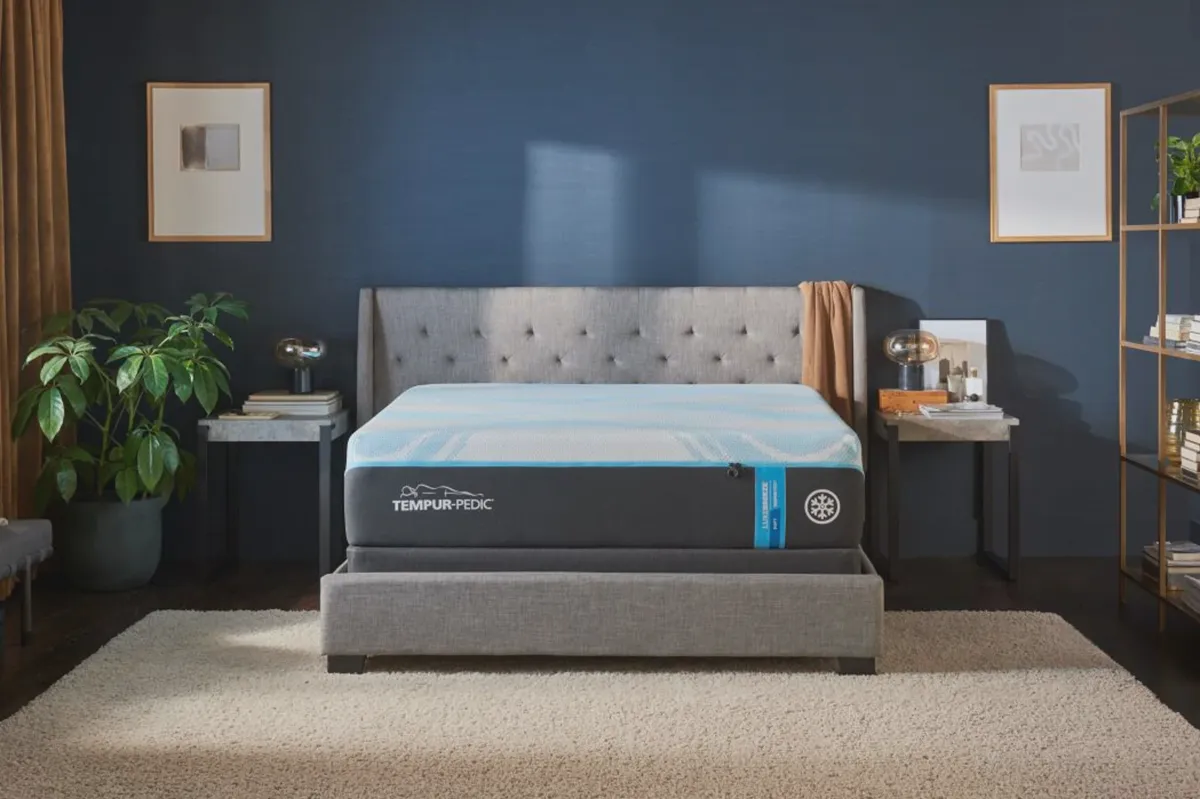
Tempur-Pedic mattresses weigh anywhere from 39 pounds (a Twin TEMPUR-Cloud) to roughly 175 pounds (a King-size LuxeBreeze hybrid) - heavier than nearly every traditional innerspring mattress in the same size. That weight is not an accident: it's a side effect of the high-density TEMPUR memory foam the brand is built around. Below is the full weight chart by collection and size, plus the answers to the questions people actually ask before delivery day.
Quick Answer: Tempur-Pedic Weight at a Glance
- Lightest model: TEMPUR-Cloud Twin - about 39 lbs (17.7 kg)
- Heaviest model: TEMPUR-LuxeBreeze Hybrid King - up to ~175 lbs (79 kg)
- Most common Queen weight range: 57-136 lbs (26-62 kg) depending on collection
- All sizes, all models: roughly 39-175 lbs
The single biggest driver of weight is the collection, not the size. A Queen all-foam Cloud (~57 lbs) weighs less than a Twin LuxeBreeze hybrid. So when you're planning logistics, look at the model first.
Full Weight Chart by Model and Size
Figures below combine current Tempur-Pedic spec sheets with retailer listings (Mattress Firm, Sleep Foundation, Wirecutter). Hybrid versions of Adapt and Breeze models run heavier than their all-foam counterparts because of the coil unit.
TEMPUR-Cloud (entry-level, all-foam, ships in a box)
- Twin: 39 lbs / 17.7 kg
- Twin Long (XL): 42 lbs / 19.1 kg
- Full: 56 lbs / 25.4 kg
- Queen: 57 lbs / 25.9 kg
- King: 85 lbs / 38.6 kg
- Cal King: 85 lbs / 38.6 kg
TEMPUR-Adapt (medium feel, all-foam or hybrid)
- Twin Long: 48 lbs (foam) / 65 lbs (hybrid)
- Full: 60 lbs (foam) / 90 lbs (hybrid)
- Queen: 72 lbs (foam) / 109 lbs (hybrid)
- King / Cal King: 89 lbs (foam) / 142 lbs (hybrid)
TEMPUR-ProAdapt (mid-tier, all-foam or hybrid)
- Twin Long: 56 lbs (foam) / 73 lbs (hybrid)
- Full: 71 lbs (foam) / 96 lbs (hybrid)
- Queen: 86 lbs (foam) / 112 lbs (hybrid)
- King / Cal King: 106 lbs (foam) / 143 lbs (hybrid)
TEMPUR-LuxeAdapt (premium all-foam)
- Twin Long: 73 lbs / 33.1 kg
- Queen: 112 lbs / 50.8 kg
- King / Cal King: 143 lbs / 64.9 kg
TEMPUR-ProBreeze (cooling, hybrid)
- Twin Long: 67 lbs / 30.4 kg
- Queen: 102 lbs / 46.3 kg
- King / Cal King: 132 lbs / 59.9 kg
TEMPUR-LuxeBreeze (top-tier cooling, hybrid)
- Twin Long: 72 lbs / 32.7 kg
- Queen: 109-123 lbs / 49.4-55.8 kg
- King / Cal King: 140-168 lbs / 63.5-76.2 kg
Why Tempur-Pedic Mattresses Weigh So Much
A traditional innerspring queen weighs roughly 50-80 lbs. A Tempur-Pedic queen often doubles that. Three reasons:
- Foam density. TEMPUR material is closer to 5-7 lb/ft³ versus the 3-4 lb/ft³ used in most memory-foam mattresses. Density correlates directly with weight per cubic inch.
- Thicker comfort layers. ProAdapt and LuxeBreeze ship at 12-13 inches of profile - most are 6+ inches of high-density foam stacked on top of a support core.
- Hybrid coil units. Breeze and Adapt Hybrid add a steel pocketed-coil base, which adds 30-50 lbs in queen sizes alone.
If weight feels like a downside, it's worth knowing what you're getting in return: the same density that makes the mattress heavy is what gives TEMPUR foam its 10-year warranty and its resistance to body impressions.
Weight Limit: How Much Can a Tempur-Pedic Hold?
Tempur-Pedic does not publish a per-mattress weight limit the way some competitors do - the foam is designed for unlimited static load within reasonable use. Practical guidance from the company and major retailers:
- Per sleeper: No published cap. The TEMPUR foam is rated for sleepers well over 300 lbs without premature impressions.
- Per side (queen and larger): ~400 lbs per side is the unofficial comfort threshold reviewers cite before sinkage becomes noticeable on softer models.
- Mattress + foundation system: If you're using a Tempur-Ergo adjustable base, check that model's weight rating (most are 600-850 lbs total).
For sleepers over 250 lbs, a Hybrid model (ProAdapt Hybrid, ProBreeze, LuxeBreeze) is the right pick - the coils provide the firmer edge support that pure foam can compress under.
Tempur-Pedic Weight in Kilograms (Quick Reference)
For international shipping, customs forms, or anyone outside the US:
- Twin Cloud: 17.7 kg
- Queen Cloud: 25.9 kg
- Queen ProAdapt Hybrid: 50.8 kg
- King ProBreeze: 59.9 kg
- King LuxeBreeze: 63.5-76.2 kg
Multiply pounds by 0.4536 for an exact conversion.
How to Move a Tempur-Pedic Mattress (Without Hurting Your Back)
Moving a 100+ lb mattress alone is a pulled-back invitation. The brand's own help center recommends two people for any size above Twin XL.
- Strip the bed. Remove sheets, mattress protector, and any topper. Topper alone can add 12-20 lbs.
- Use moving straps. Forearm-style moving straps (about $25) shift the load to your legs and let two people carry a king-size LuxeBreeze with much less strain.
- Keep it flat (or only briefly folded). Tempur-Pedic foam tolerates short bends through doorways but should not be stored folded for more than a few hours - repeated folding can damage the foam structure.
- Bag it. A waterproof mattress bag ($10-$15) protects the cover from dirt and moisture in transit. Tempur fabric is not removable on most models, so a stain there is permanent.
- Don't drag it. Dragging tears the side panel stitching, which is one of the few warranty exclusions.
If you're moving cross-country, white-glove movers charge $150-$300 to disassemble and re-set a Tempur-Pedic on an adjustable base - usually worth it given the weight.
Does the Mattress Get Heavier Over Time?
Slightly. Memory foam absorbs a small amount of moisture from the air and from sleeping bodies, and it accumulates dust, skin cells, and detergent residue. Independent sleep labs have measured 2-8 lbs of weight gain over 8-10 years in heavily used queen mattresses. The change is real but rarely noticeable in handling - it shows up most when you replace a 10-year-old mattress and the new one feels strikingly lighter.
A washable removable cover (standard on most current Tempur-Pedic models) plus a quality mattress protector keeps the gain on the lower end.
Tempur-Pedic vs Other Mattresses by Weight
For context, here's where Tempur-Pedic sits versus the rest of the queen-size market:
- Casper Original Hybrid: ~91 lbs
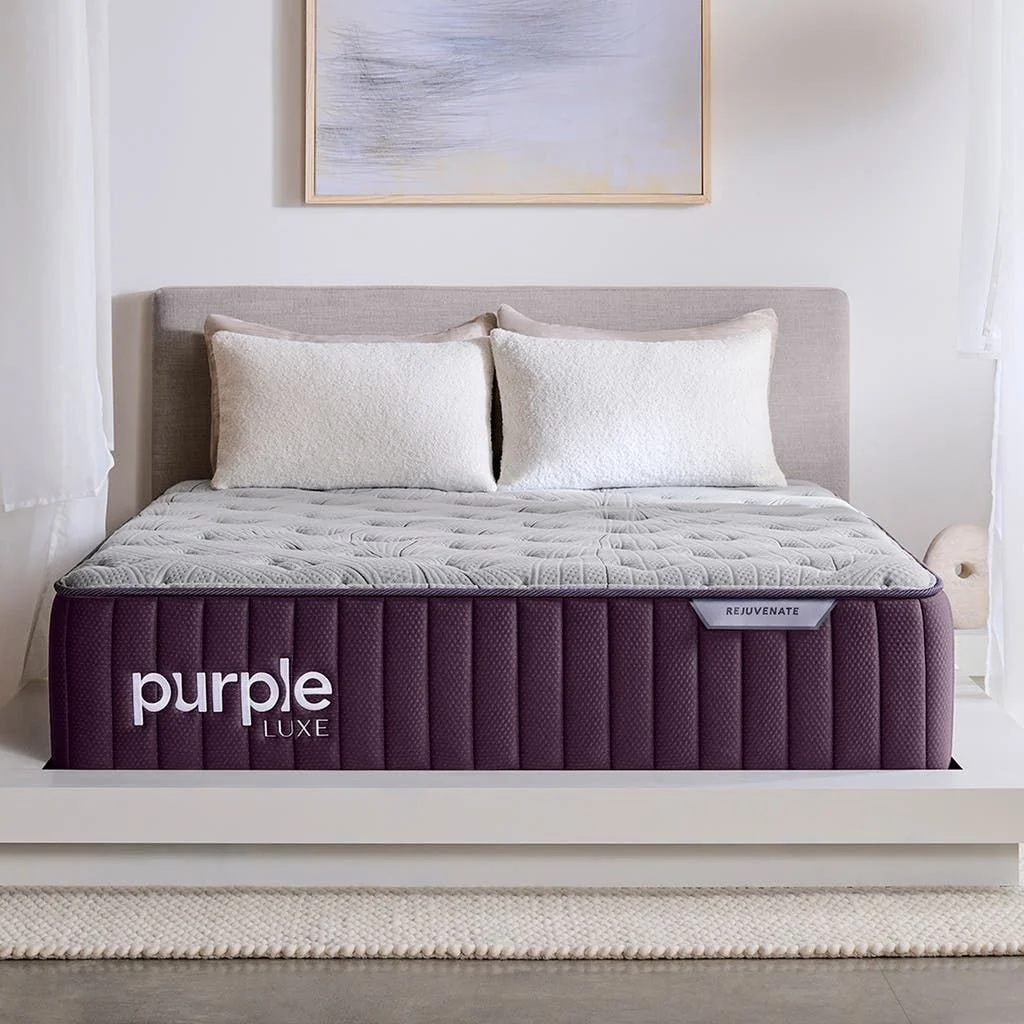
- Purple Mattress: ~110 lbs, with the full lineup ranging from 65 lbs to 290+ lbs across models
- Nectar Memory Foam: ~74 lbs
- Saatva Classic: ~125 lbs
- Tempur-Cloud: 57 lbs
- Tempur-ProAdapt Hybrid: 112 lbs
- Tempur-LuxeBreeze: 123 lbs
- Avocado Green: ~107 lbs
- DreamCloud Premier: ~100 lbs
Tempur-Pedic's all-foam models (Cloud, Adapt) are actually on the lighter end. It's the Breeze and LuxeAdapt lines that push the lineup into heavyweight territory.
Does Mattress Weight Affect Quality?
Not directly - but it's a strong proxy. Heavier usually means:
- Higher foam density (longer warranty life, less sagging)
- More layers (better motion isolation, more zoned support)
- A coil unit (firmer edges, better airflow)
Heavier doesn't always mean better, though. A budget innerspring with cheap heavy foam can outweigh a premium hybrid without matching its support. Use weight as one signal among many - read the warranty length and the foam density spec sheet before you let the scale decide.
Bottom Line
A Tempur-Pedic mattress weighs from about 39 to 175 pounds, with most queen sizes landing between 57 and 123 lbs. The number to plan around isn't size - it's the collection, with Breeze and LuxeAdapt models running 50-80 lbs heavier than the entry-level Cloud. Plan for two-person handling on anything Queen or larger, use moving straps, and check that your bed frame supports the combined weight of mattress plus sleepers.
If you're shopping right now and weight is a real constraint (older home, narrow stairs, single mover), the TEMPUR-Cloud is the lightest in the lineup at every size and ships in a box.
Frequently asked questions
How much does a queen Tempur-Pedic weigh?
A queen Tempur-Pedic ranges from about 57 lbs (Cloud, all-foam) to 123 lbs (LuxeBreeze, hybrid). Most mid-tier models like the ProAdapt Hybrid weigh around 112 lbs in queen size.
What's the heaviest Tempur-Pedic mattress?
The TEMPUR-LuxeBreeze Hybrid in King or California King is the heaviest, weighing up to roughly 168-175 lbs (about 76 kg). The coil unit plus 13 inches of high-density TEMPUR foam are what push the number that high.
How much does a Tempur-Pedic weigh in kg?
Multiply pounds by 0.4536. A queen Cloud is about 25.9 kg; a king LuxeBreeze is roughly 63 to 76 kg. The full lineup spans about 17.7 to 79 kg.
Can one person move a Tempur-Pedic mattress?
A Twin or Twin XL Cloud (39-42 lbs) is manageable solo. Anything Queen-size or above should be a two-person job - both for back safety and to avoid bending or damaging the foam structure.
Why are Tempur-Pedic mattresses so heavy?
TEMPUR memory foam is significantly denser (5-7 lb/ft³) than typical memory foam (3-4 lb/ft³), and most models stack 6+ inches of it on top of a foundation or coil unit. Density is what gives the mattress its long warranty life - and its weight.
Is there a weight limit on a Tempur-Pedic?
Tempur-Pedic does not publish a per-mattress weight cap. For sleepers over 250 lbs, a Hybrid model (ProAdapt Hybrid, ProBreeze, LuxeBreeze) is recommended for better edge support and reduced compression.