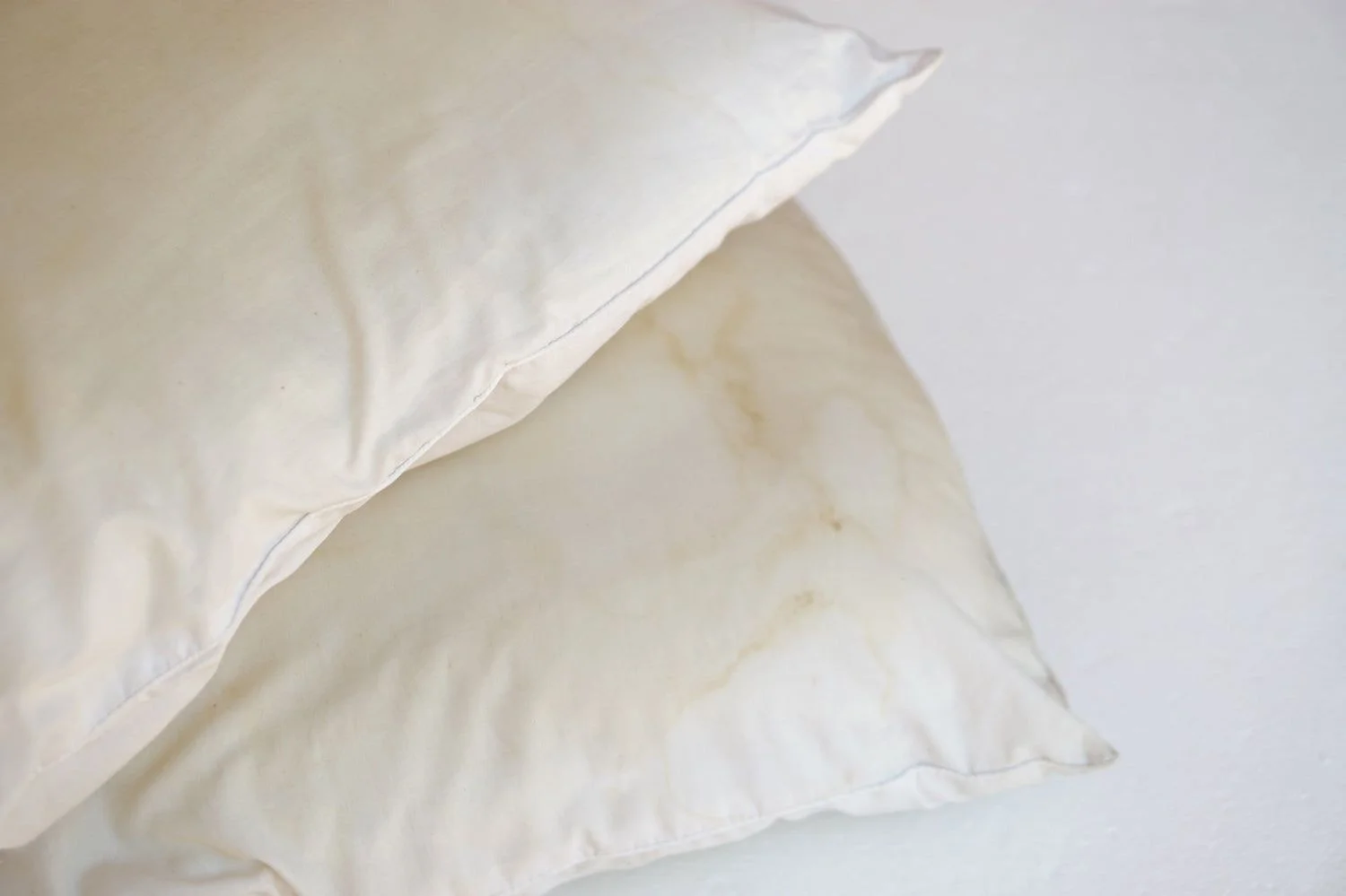
Yellow stains on a pillowcase are not really sweat - sweat itself is mostly clear. The yellow comes from sebum (skin oil), saliva, leave-in hair products, and minerals in your sweat oxidizing on the cotton fibers, often locked in by the heat of your dryer. The good news: yellowing is treatable on most fabrics if you pick the right chemistry.
Below are four methods, ranked from gentlest to strongest. Start with Method 1 for fresh or light staining; escalate only if needed.
Method 1: Hydrogen Peroxide + Dish Soap (Best for Most Stains)
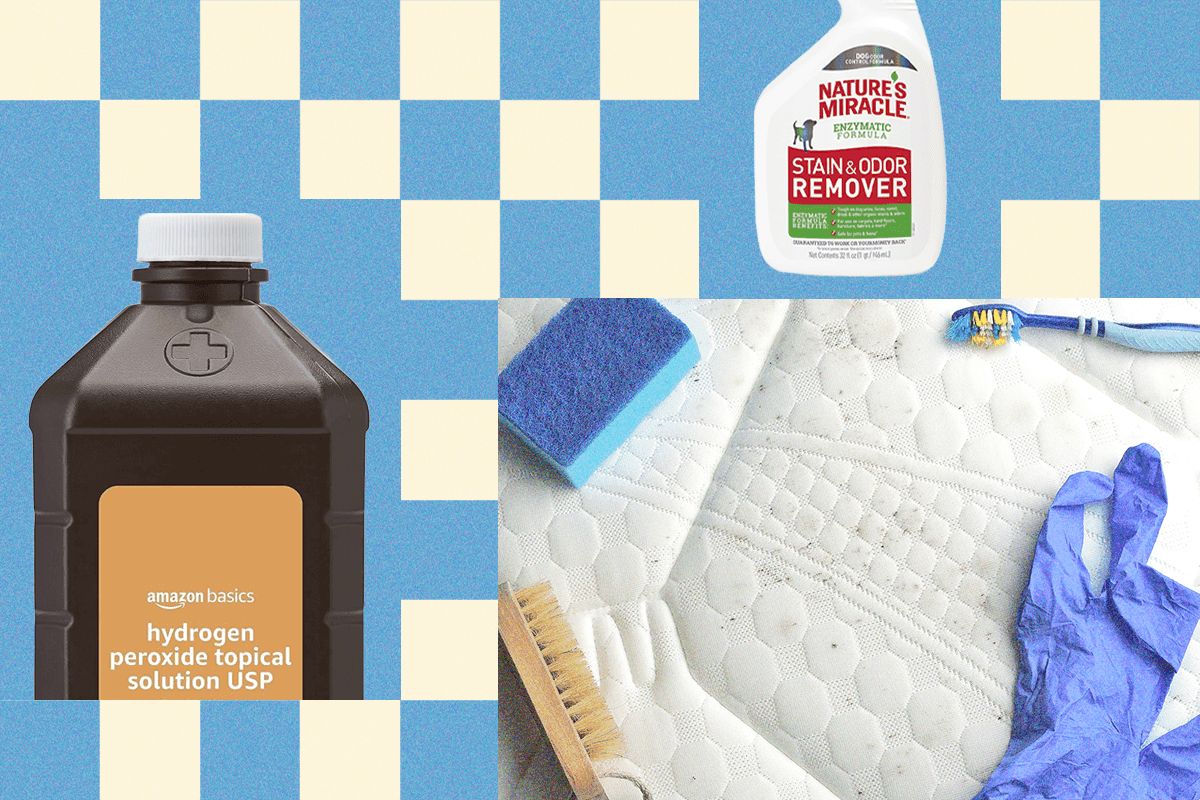
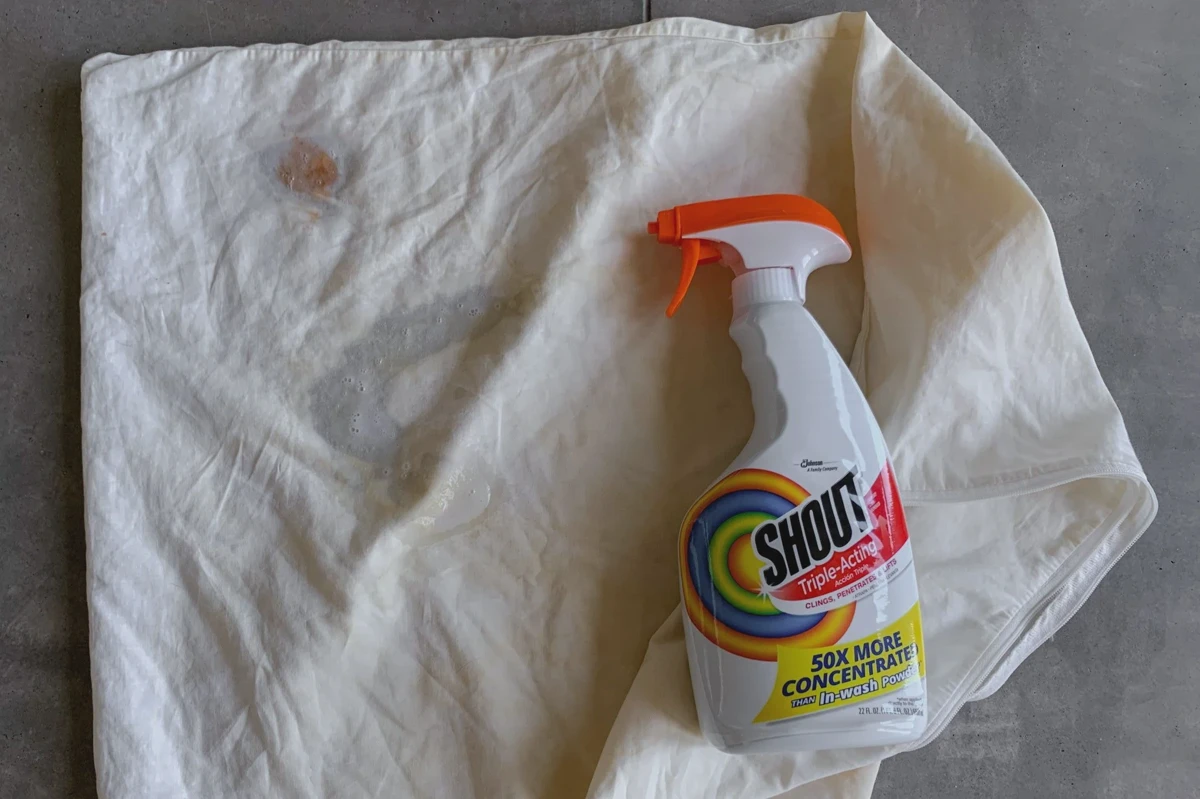
This is the method recommended by both Reddit's r/CleaningTips veterans and Bed Threads' laundry guides - and it's what we reach for first. Hydrogen peroxide is a mild oxidizer that lifts protein-based stains; dish soap (specifically Dawn) cuts through the oil component.
What you need
- 1 part Dawn dish soap
- 2 parts 3% hydrogen peroxide
- Soft-bristle brush or old toothbrush
Steps
- Mix the soap and peroxide in a small bowl until foamy.
- Pour or paint the mixture directly over the yellow areas - saturate, don't scrub yet.
- Let it sit 30-60 minutes. The peroxide will fizz lightly; that's it working.
- Gently work it in with the brush, then wash on the hottest cycle the fabric allows.
- Air-dry in sunlight if possible. Do not put it in the dryer until the stain is gone - heat sets any residue.
Spot-test on colored or printed pillowcases first. Peroxide is gentler than chlorine bleach but can still lighten dyes.
Method 2: Baking Soda + Vinegar Soak (Best for Set-In Stains)
When peroxide alone doesn't finish the job, an overnight soak in baking soda and vinegar attacks both the oil deposits and the mineral residue from sweat.
What you need
- 1 cup distilled white vinegar
- 1/2 cup baking soda
- 2 tsp liquid dish soap
- A bucket or sink of hot water
Steps
- Fill the bucket with hot tap water and stir in the vinegar, baking soda, and dish soap.
- Submerge the pillowcase, agitating it under the surface to soak fully.
- Soak 4 hours for light yellowing, overnight (12+ hours) for older set-in stains.
- Drain, rinse with cold water, then run through a normal hot wash with your usual detergent.
- Skip fabric softener - it leaves a residue that traps future stains.
Method 3: Lemon Juice + Direct Sunlight (Best for Whites Only)
The cheapest and most natural option - and surprisingly effective on white cotton. UV light is a real bleach, and citric acid speeds the reaction. This is the method that consistently shows up in viral cleaning videos for a reason.
- Mix 1/2 cup lemon juice into a sink of hot water.
- Soak the pillowcase 1 hour.
- Wring out and lay flat in direct sunlight for 4-6 hours, ideally on grass or a clean drying rack.
- Rinse and machine wash as normal.
Important: lemon juice will fade dyed fabric. Use this only on whites and naturals.
Method 4: Oxygen Bleach (Best for Severe, Long-Set Yellowing)
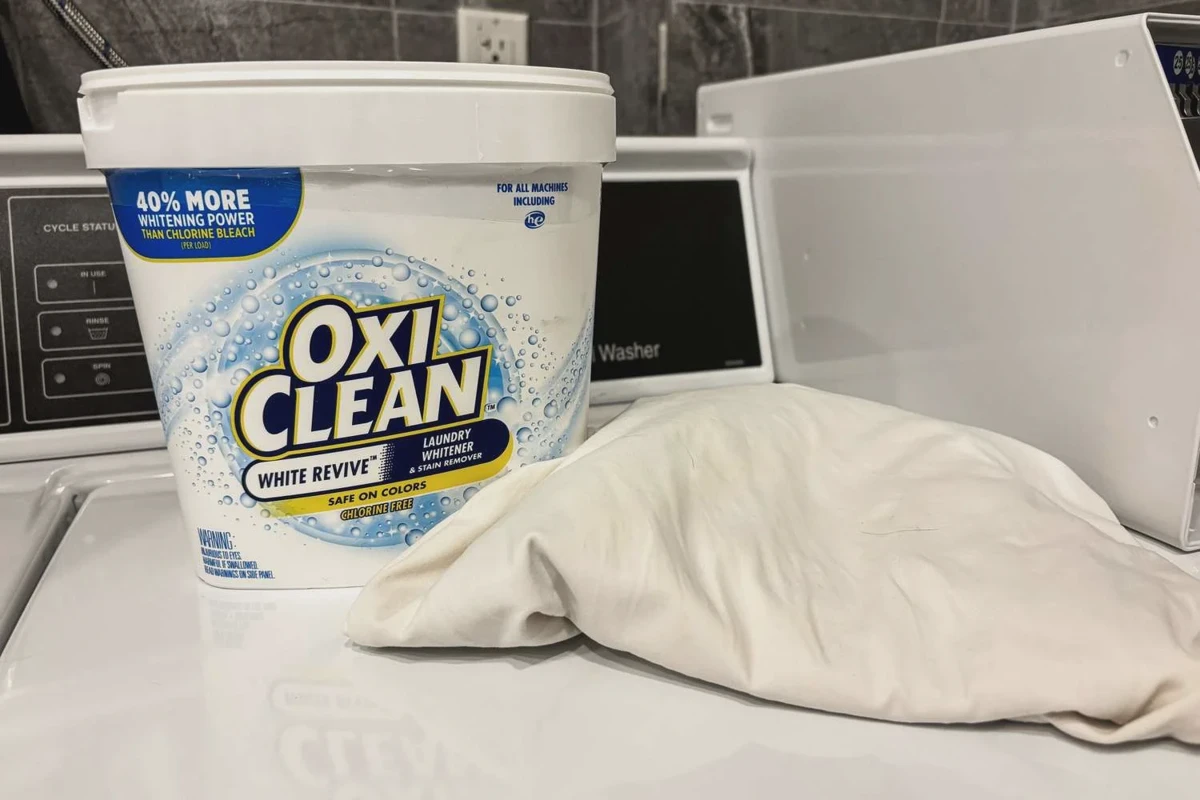
If three rounds of the methods above haven't fully cleared the stain, an oxygen-based bleach (OxiClean White Revive, Vanish Oxi Action, or generic sodium percarbonate) is the strongest color-safe option.
- Dissolve 1 scoop of oxygen bleach in 1 gallon of warm water (follow the package ratio).
- Soak the pillowcase 6 hours minimum, ideally overnight.
- Wash on the hottest cycle the fabric tolerates with a full dose of regular detergent.
- Air-dry. Inspect before drying - if any yellow remains, repeat once more before machine drying.
Avoid chlorine bleach. It can react with sweat residue and actually deepen yellowing on cotton over time, plus it weakens fibers and shortens pillowcase lifespan.
What Actually Causes Yellow Pillowcase Stains
Knowing the source helps you pick the right method and prevent recurrence:
- Sebum and skin oil - the biggest culprit. Your face produces oil all night; it absorbs into cotton and oxidizes yellow over weeks.
- Saliva - drool contains digestive enzymes and proteins that yellow as they dry.
- Sweat minerals - the water evaporates, leaving behind salts and urea that turn yellow under heat.
- Hair products - leave-in conditioners, oils, and dry shampoo transfer to the case overnight.
- Skincare residue - retinols, vitamin C serums, and rich moisturizers oxidize on contact with cotton.
How to Prevent Yellow Stains From Coming Back
- Wash pillowcases weekly - fresh oil washes out; aged oil oxidizes.
- Use a pillow protector - it stops oils from reaching the pillow itself, which is much harder to clean.
- Skip fabric softener - its waxy coating traps oil instead of releasing it in the wash.
- Sleep cool - a fan or AC reduces overnight sweating dramatically. A cooling pillow also helps.
- Let skincare absorb fully before lying down - give serums and moisturizers 15 minutes.
- Air-dry whenever possible - dryer heat sets any residual stain and accelerates yellowing.
When to Just Replace the Pillowcase
If you've tried Method 4 twice with no improvement, the stain is likely fixed at the fiber level - you'll wear the cotton out before the yellow disappears. At that point, a fresh set of pillowcases plus a protector underneath is cheaper than another round of treatments. Pillows themselves should be replaced every 1-2 years regardless; pillowcases every 2-3 years if heavily used.