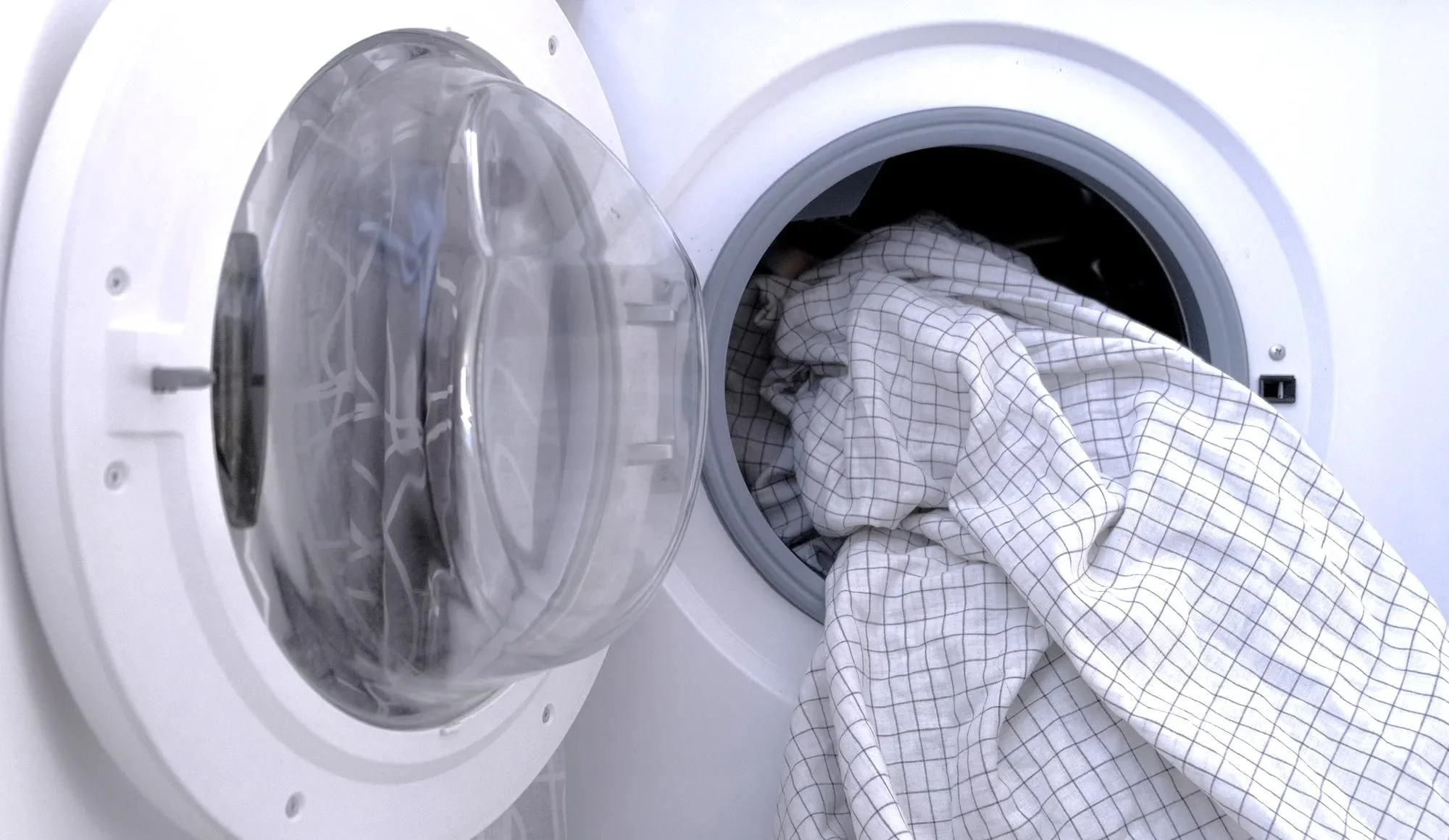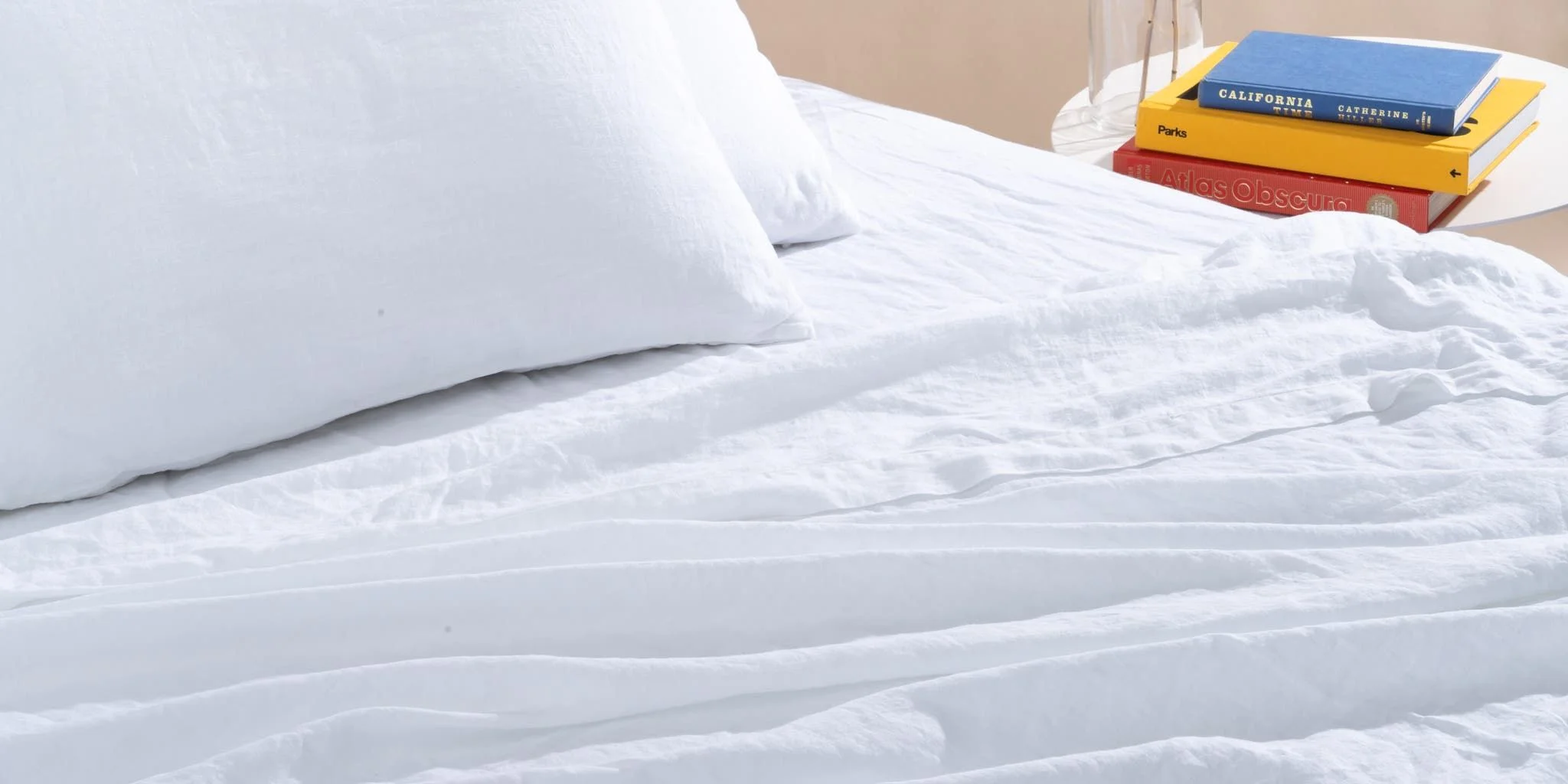
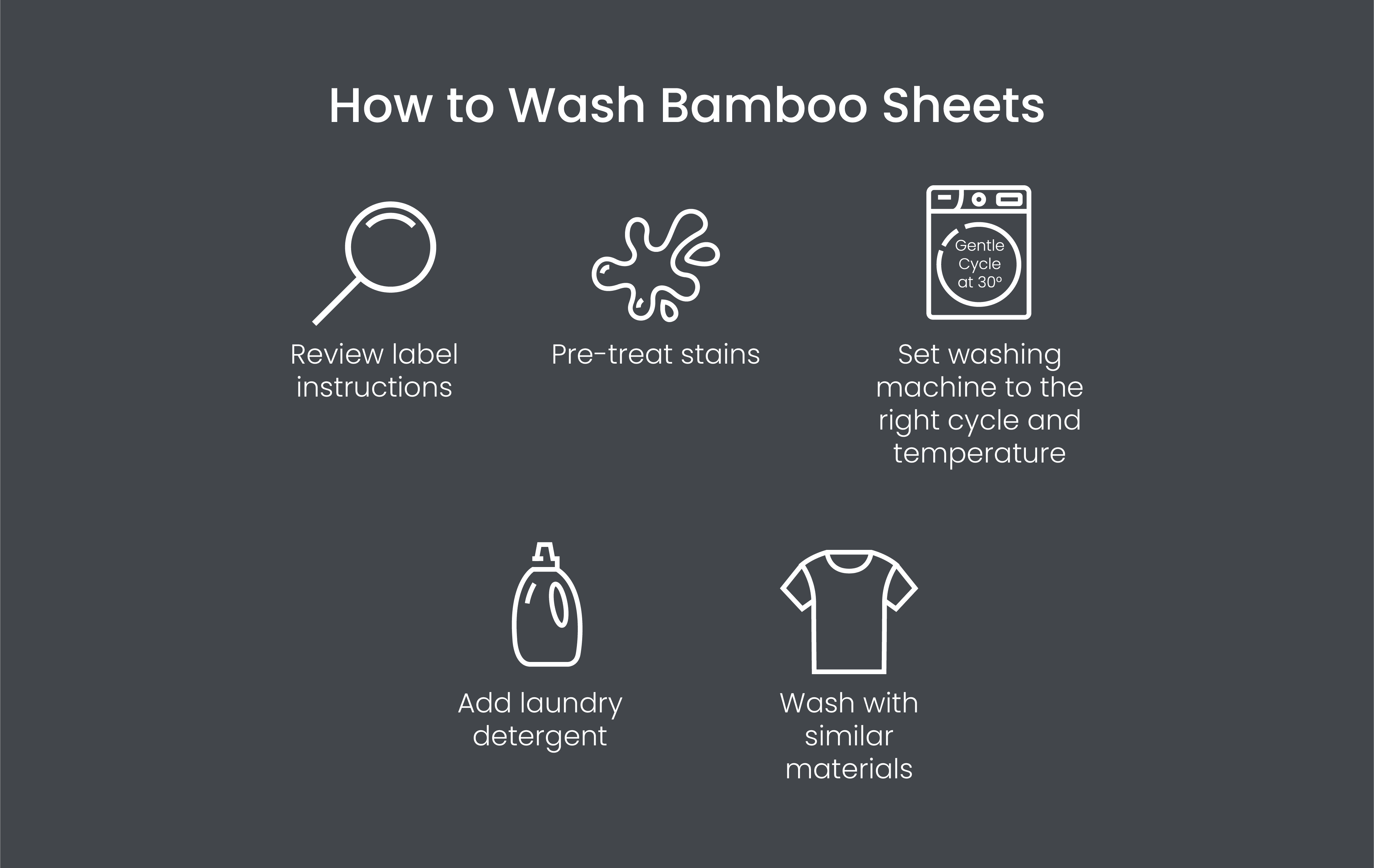
Bamboo sheets are prized for being silky-soft, breathable, and naturally hypoallergenic - but only if you wash them correctly. The fibers are gentler than cotton, so the same hot wash and high-heat dryer settings that work on a beach towel will pill, shrink, and weaken bamboo bedding fast.
Below is the routine our editorial team uses on the bamboo sheet sets we test in the Banner Mattress lab. Follow it and a quality bamboo sheet set will keep its softness for five to ten years - far longer than the two- to three-year average for cotton.
The 30-Second Cheat Sheet
- Water: Cold (below 86 °F / 30 °C)
- Cycle: Gentle / delicate / permanent press
- Detergent: Mild, liquid, eco-friendly - skip Tide, Cheer, All, OxiClean powders
- Never use: Chlorine bleach, fabric softener, dryer sheets
- Dry: Line-dry in the shade or tumble on low; pull out while slightly damp
- Frequency: Every 7-10 days; weekly if you sweat heavily, have pets in bed, or skin conditions
Before the First Wash: Wash the Sheets New
Brand-new bamboo sheets often feel slightly stiff straight out of the package. That is residual sizing from the manufacturer, not a quality problem. A first wash on cold gentle with mild detergent breaks the fibers in and unlocks the buttery softness bamboo is known for.
Skip fabric softener on this wash too - bamboo gets softer naturally with each cycle, and softener residue actually coats the fibers and dulls them over time.
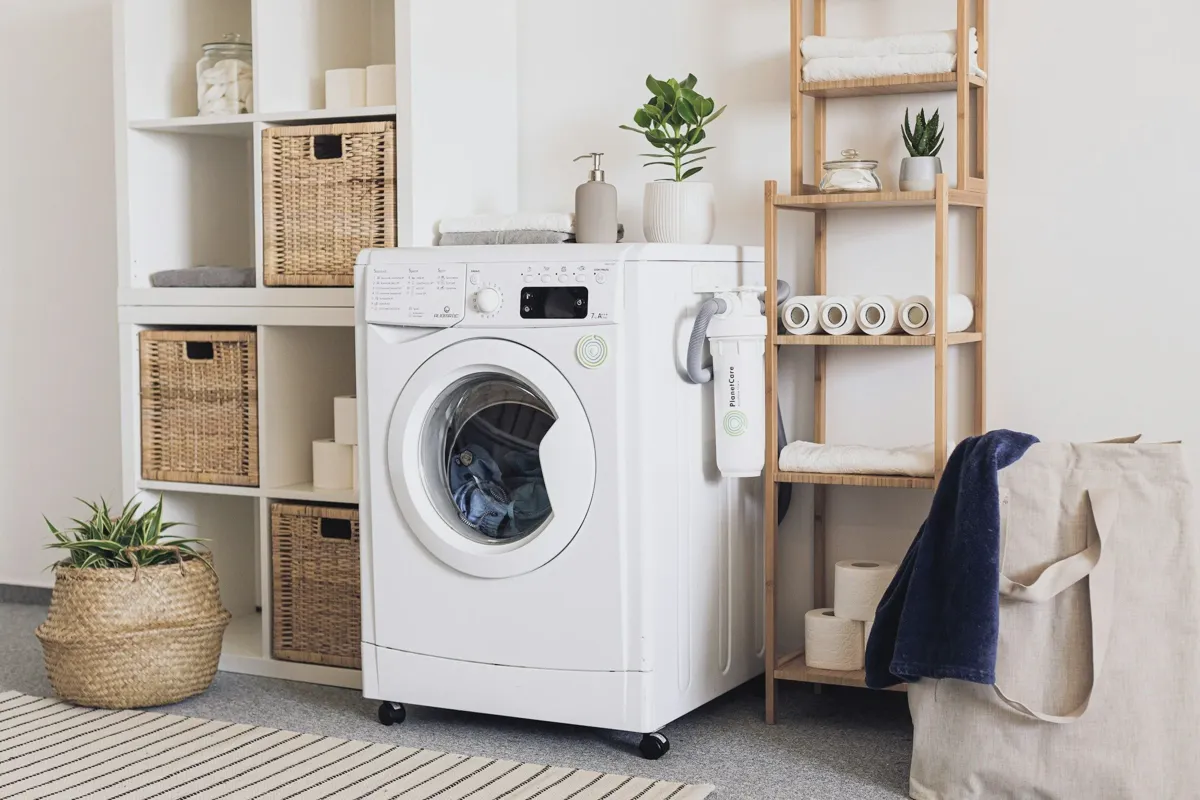
Step 1: Pretreat Stains First
Body oil, sweat, makeup, blood, and medication marks all set quickly into bamboo viscose. Treat them before the sheets ever hit the washer.
- Body oil and sweat rings: mix 1 part white vinegar to 4 parts cool water, dab onto the stain, let sit 30-60 minutes.
- Makeup, blood, food: work an enzyme-based stain remover into the spot with your fingers (no stiff brush) and let it sit at least 10 minutes.
- Yellowing or dinginess: presoak in oxygen bleach (the powdered, hydrogen-peroxide kind - never chlorine) for an hour.
Always blot - never scrub. Aggressive rubbing breaks bamboo fibers and creates the exact pilling you are trying to avoid.
Step 2: Sort and Load
Wash bamboo sheets by themselves, or only with other smooth flat fabrics (pillowcases, duvet covers). Two reasons:
- Zippers, hooks, and Velcro on clothing snag the soft viscose and tear it.
- Towels and fleece shed lint that embeds into bamboo fibers and ruins the silky hand.
Do not jam the drum full. Bamboo sheets need room to circulate; an overstuffed washer twists, stretches, and rubs the fabric against itself, accelerating pilling.
Step 3: Pick the Right Detergent
Mild, liquid, plant-based detergents are the gold standard. Powdered detergents can leave undissolved grit that abrades the fabric in cold water. Skip mainstream detergents like Tide, Cheer, All, and Persil - they contain optical brighteners and aggressive surfactants that are too harsh for bamboo viscose.
- Good picks: Seventh Generation Free & Clear, ECOS, Dropps, Branch Basics, Tru Earth strips.
- Bonus: detergents containing the enzyme cellulase actively break down existing pills.
- Use roughly half the dose the bottle recommends - bamboo does not need much.
Step 4: Wash Cold on Gentle
Set the machine to cold (or tap-cold, max 86 °F / 30 °C) on a gentle, delicate, or permanent press cycle. Hot water shrinks bamboo viscose by as much as 4-6 % on the first wash and weakens the fibers permanently.
If your machine offers an extra rinse, use it. Detergent residue makes bamboo feel stiff, scratchy, and dull.
What Never to Add to a Bamboo Wash
- Chlorine bleach: shreds bamboo fibers and yellows the fabric.
- Fabric softener: coats fibers in waxy buildup, kills breathability and moisture-wicking.
- Vinegar in the rinse cycle: fine occasionally for stripping detergent buildup, but not every wash - it can dull color over time.
- Dryer sheets: same problem as fabric softener; the residue is worse on bamboo than on cotton.
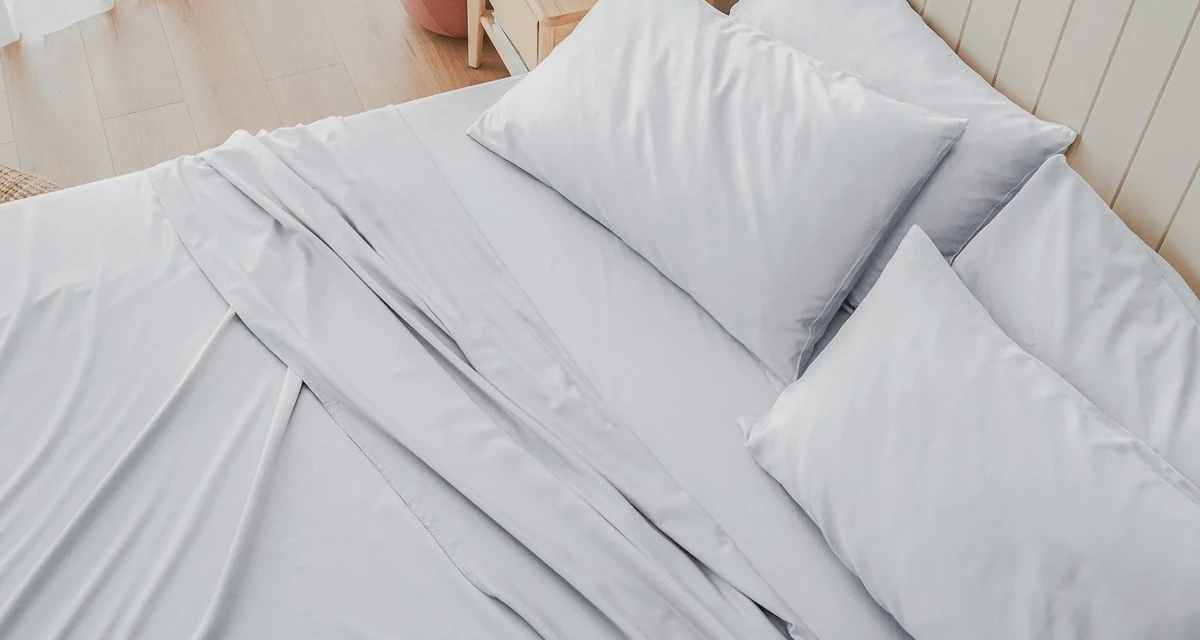
Step 5: Dry on Low - and Pull Them Out Damp
Drying is where most people quietly destroy their bamboo bedding. Two routes work:
Air drying (best)
- Drape over a drying rack or clothesline indoors, or outdoors in shade. Direct sun fades dyes and brittles the fibers.
- Support the wet sheet with a basket on the way to the rack - wet bamboo is heavy and the weight can rip seams.
- Dries in 4-8 hours depending on airflow and humidity.
Tumble drying
- Use the lowest heat setting (or air-fluff).
- Add 2-3 wool dryer balls - they speed drying and reduce wrinkling without chemical residue.
- Pull the sheets out while they are still slightly damp. Over-drying is the #1 cause of shrinkage and wrinkles.
Step 6: Iron Only If You Have To
Bamboo sheets are naturally drape-y and rarely need ironing. If you must, iron while the fabric is still slightly damp on the lowest setting (silk or rayon). High heat scorches bamboo viscose - you will see yellowing, then browning, and the burn is permanent. Lay a thin cotton pressing cloth between the iron and the sheet for insurance.
How to Stop Bamboo Sheets from Pilling
Pilling is the most common bamboo-sheet complaint, and it is almost always caused by one of four things: hot water, harsh detergent, friction with rough fabrics, or a worn-out mattress surface. Prevent it by:
- Sticking religiously to cold + gentle.
- Never washing sheets with towels, fleece, or anything with zippers.
- Choosing a cellulase-enzyme detergent that actively trims existing pills.
- Using a smooth, well-fitted mattress protector so the sheet glides instead of catching on a rough mattress cover.
If pills already exist, run a fabric shaver or sweater stone gently across the surface - never pull pills off by hand, which tears the fabric.
How Often to Wash Bamboo Sheets
Once a week is the sweet spot for most people. Every 7-10 days works if you shower before bed and live in a cool climate. Wash more often (every 3-5 days) if you:
- Sweat heavily, have hot flashes, or run hot at night.
- Sleep with pets on the bed.
- Have eczema, dermatitis, acne, or seasonal allergies.
- Sleep with skincare products or hair oils on.
Pillowcases get the most body oil and should be swapped every 3-5 days even if you only change the full set weekly.
Storing Bamboo Sheets Between Uses
- Make sure they are 100 % dry before folding - even slight dampness causes mildew, which yellows fabric.
- Roll or fold loosely. Sharp, repeated creases break the fibers along the fold line.
- Store in a breathable cotton bag, pillowcase, or open shelf in a cool, dry, dark closet.
- Avoid plastic bins and vacuum-seal bags - they trap moisture and yellow the fabric over months.
When to Replace Your Bamboo Sheets
Well-cared-for bamboo sheets last 5 to 10 years - roughly 2-3× the lifespan of cotton. Replace when you notice:
- Thinning fabric you can see light through.
- Persistent yellowing or odor after a hot wash.
- Tears at hems, seams, or fitted-sheet corners.
- Scratchy texture that does not soften back up after a wash and a wool-ball tumble.
Pillowcases usually need replacing first - every 6-12 months - because they take the brunt of facial oils and skincare products.
Frequently Asked Questions
Can I machine wash bamboo sheets?
Yes - almost all bamboo sheets are machine washable. Use cold water and the gentle or delicate cycle, with mild liquid detergent and no fabric softener.
Can you put bamboo sheets in the dryer?
Yes, on the lowest heat setting. Pull them out while still slightly damp to prevent shrinking and wrinkles. Air drying is still gentler if you have the time and space.
Why are my bamboo sheets pilling?
Almost always one of three causes: water that was too warm, harsh detergent (especially powdered or with optical brighteners), or friction from washing them with towels, fleece, or clothing with zippers. Switch to cold + gentle + mild liquid detergent and wash sheets alone - pilling stops within a few cycles.
Can I use Tide on bamboo sheets?
We do not recommend it. Mainstream detergents like Tide, Cheer, and All contain enzymes, brighteners, and surfactants tuned for cotton and synthetics - over time they strip bamboo viscose and accelerate pilling. A mild plant-based detergent is a smarter long-term choice.
How do I whiten yellowed bamboo sheets?
Skip chlorine bleach - it weakens the fibers and can yellow them further. Instead, presoak the sheets for 1 hour in a basin of cool water with a half-cup of oxygen bleach (such as OxiClean Free) or a half-cup of white vinegar, then run a normal cold gentle wash.
How often should I wash my bamboo sheets?
Once a week is ideal. Stretch to 10 days if you shower before bed; pull it in to 3-5 days if you sweat heavily, sleep with pets, or have skin conditions.
The Bottom Line
Bamboo sheets reward gentle care with years of cool, silky comfort. The recipe is simple: cold water, gentle cycle, mild liquid detergent, low or no heat to dry, and absolutely no bleach or fabric softener. Do that and the sheets you bought today will still feel as soft as new five winters from now.
Pair them with a quality mattress protector to cut friction-based pilling, and rotate two sets so neither one wears out before its time.